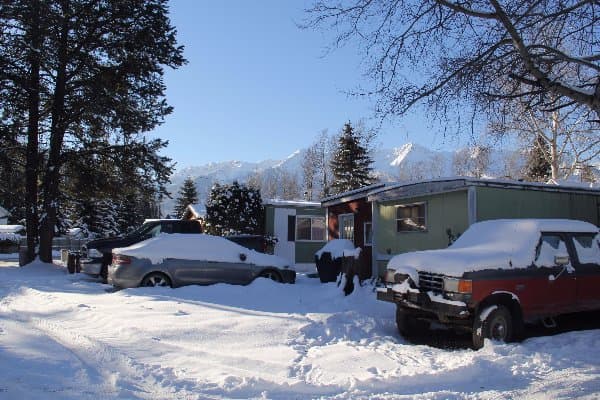
With big cities beginning to lack space due to infrastructural development, more and more individuals are turning to mobile homes as an alternative lifestyle. Others may already own mobile homes as a getaway from their regular abode. In both cases, mobile homes are a unique living experience.
As a moveable home, they should be adopted by the adventurous type or those who enjoy being on the go. However, especially in Canada, mobile homes need the right type of insulation to maintain energy efficiency while keeping warm and staying cool.
Most mobile homes are made of a metal casing and compact structure that is poorly insulated on both the top and bottom. Further, plenty of mobile homes have poor ventilation. If you’re a homeowner curious about owning a mobile home or you’ve already got one, read on to find out how to properly insulate one.
Steps to Insulate a Mobile Home
Install mobile home skirting

For some, properly insulating a mobile home will involve installing insulated skirting underneath the home’s structure. This will help to reduce air infiltration, as well as create a thermal boundary so that your home stays warm in the winter and cool in the summer. Further, if you have struggled with frozen pipes in the past, installing insulated skirting is necessary, as this will help to prevent those issues.
There are several types of mobile home skirting, but almost all will serve the following functions:
Ventilation: Skirting will work to ventilate your mobile home properly, as it will require adequate means to ventilate during those warm spring, summer and early fall months.
Strengthen the insulation: As we mentioned, skirting will work to correctly insulate, and thus, strengthen your mobile home. Of course, you should choose a skirting that is weather-resistant, with an insulating value of 8 or above. It is recommended that you look for pre-made insulated skirting, as this will allow for the most cost effective method, as compared with individual products.
Thermal envelope: It is important to maintain a thermal envelope when it comes to installing your mobile home skirting, as it will need to be wrapped around the perimeter of your home. For this reason, if you have a deck or porch attached to your mobile home, you must use the extra material to maintain the envelope.
Durability: Most mobile home skirting is thick, and can be quite durable. Skirting will keep your home durable, and protect against wind gusts. Also, depending on the thickness of the material you choose to install, critters and bugs will be kept from finding their way underneath and into your mobile home.
Weatherproofing Your Mobile Home
Weatherization will typically consist of filling the underside of your mobile home to further reduce any form of air infiltration. Filling in the underbelly will truly create a thermal boundary. You may choose to weatherize with a variety of materials, though the most commonly used are fibreglass and cellulose.
However, fibreglass is naturally water-repellent, whereas cellulose is not. Therefore, choosing your material will directly depend on the climate of your mobile home's placement.
There are plenty of ways to weatherize your home and they are as follows:
Patching: Patching is done by addressing any visible holes in the bottom or sides of your mobile home structure. This can be done in a variety of ways, but it is recommended that you use a house wrapping material from your local hardware store. Staple it to the structure or use screws and washers to secure it into place.
The center of your mobile home: Most mobile homes have a weak center point because of plumbing placement. Insulating this area can be risky, as you want to make sure that heat from the duct is still able to reach your pipes. However, plenty of air escapes from here and it is therefore important not to overlook it.
The entrance point: Consider accessing cavities around the entrance point of your home. This can be done by drilling holes through the rim joist, followed by sliding or removing the skirting that is in place on the exterior. Enter the cavity by carefully prying it open with an aluminum pole.
Materials Used to Insulate a Mobile Home

As we mentioned, you can choose from a variety of materials to insulate your mobile home. We are going to mention a few of the popular ones:
Fibreglass: You may choose to use fibreglass if you live in a particularly wet region of the country, as fibreglass is naturally waterproof. Moreover, fibreglass resists corrosion and will not catch on fire or fall apart easily. This insulation method can be expensive in comparison with the others listed but will stand up to the test of time.
Plastic beads: Plastic beads are installed using a blowing machine, which may need to be rented from your local hardware store. Plastic beads are an excellent insulation method, as they are moisture-resistant. However, they measure lower than fibreglass in the realm of thermal resistance and R-value, and should, therefore, be left for less-severe needs.
Cellulose: Like plastic beads, cellulose requires a blowing machine for installation. However, this insulation method will put more pressure on the walls and ceiling of your mobile home than the others listed. Also, it easily absorbs water, so cellulose should not be used if you’re living in a wet climate.
Would you like to expand your mobile home to accommodate your family? Take a look at our article Mobile Home Addition: How to Expand a Mobile Home.
Get 3 renovation quotes for your mobile home insulation project
RenoQuotes.com can help you get quotes for your mobile home insulation project. If you submit your project, we’ll put you in contact with top-rated contractors. Fill in the form on the homepage (it only takes a few minutes), and you will get estimates from trusted professionals.
Dial 1-844 828-1588 to speak with one of our customer service representatives.
Looking for something else?
Related articles
The latest industry news, interviews, technologies, and resources.
Cynthia Pigeon
•08 Nov 2023
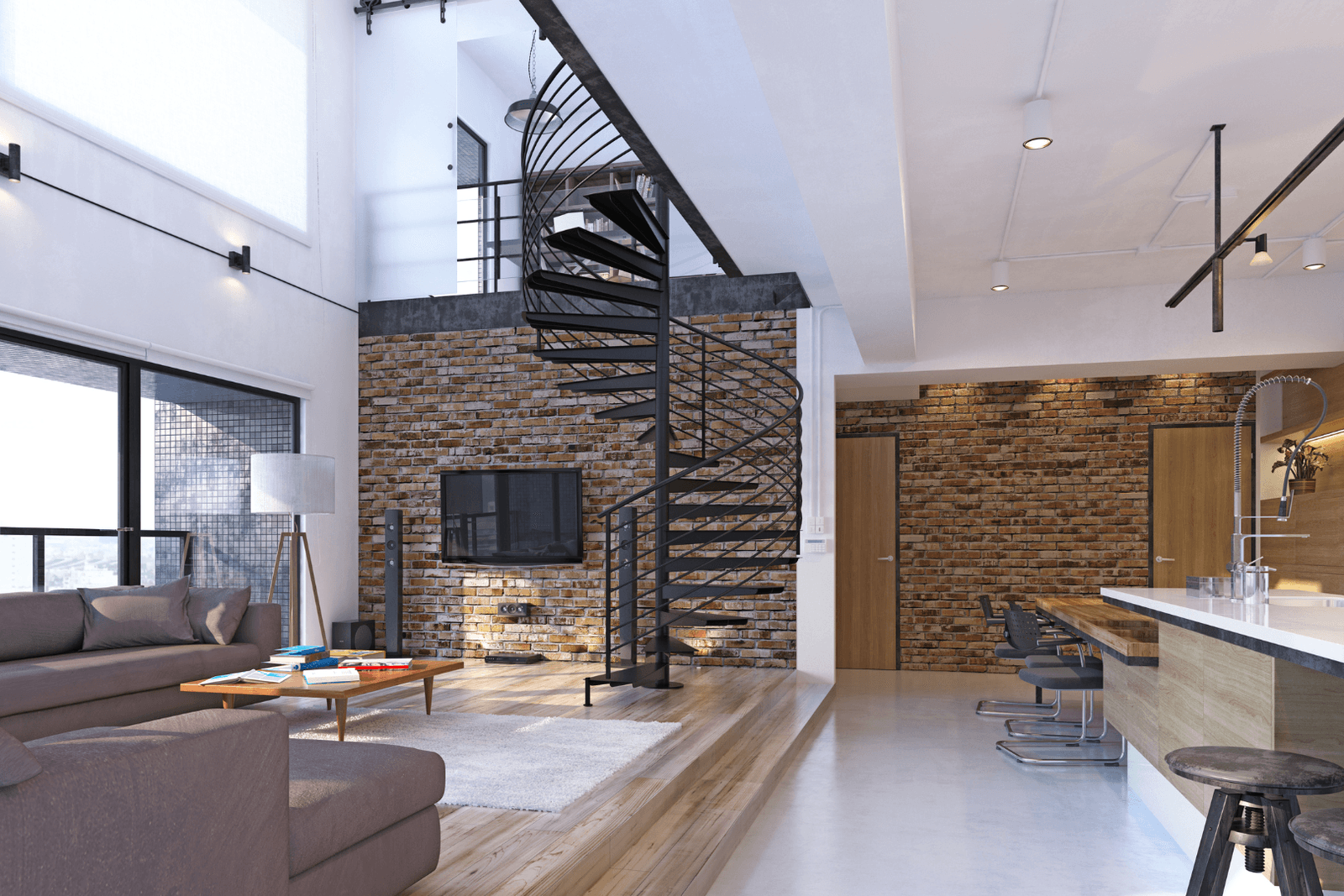
Rather elegant with its sinuous curve, the helical/spiral staircase is an urban, structural beacon in Montréal and a guaranteed head-turner.
Editorial Team
•11 Feb 2025
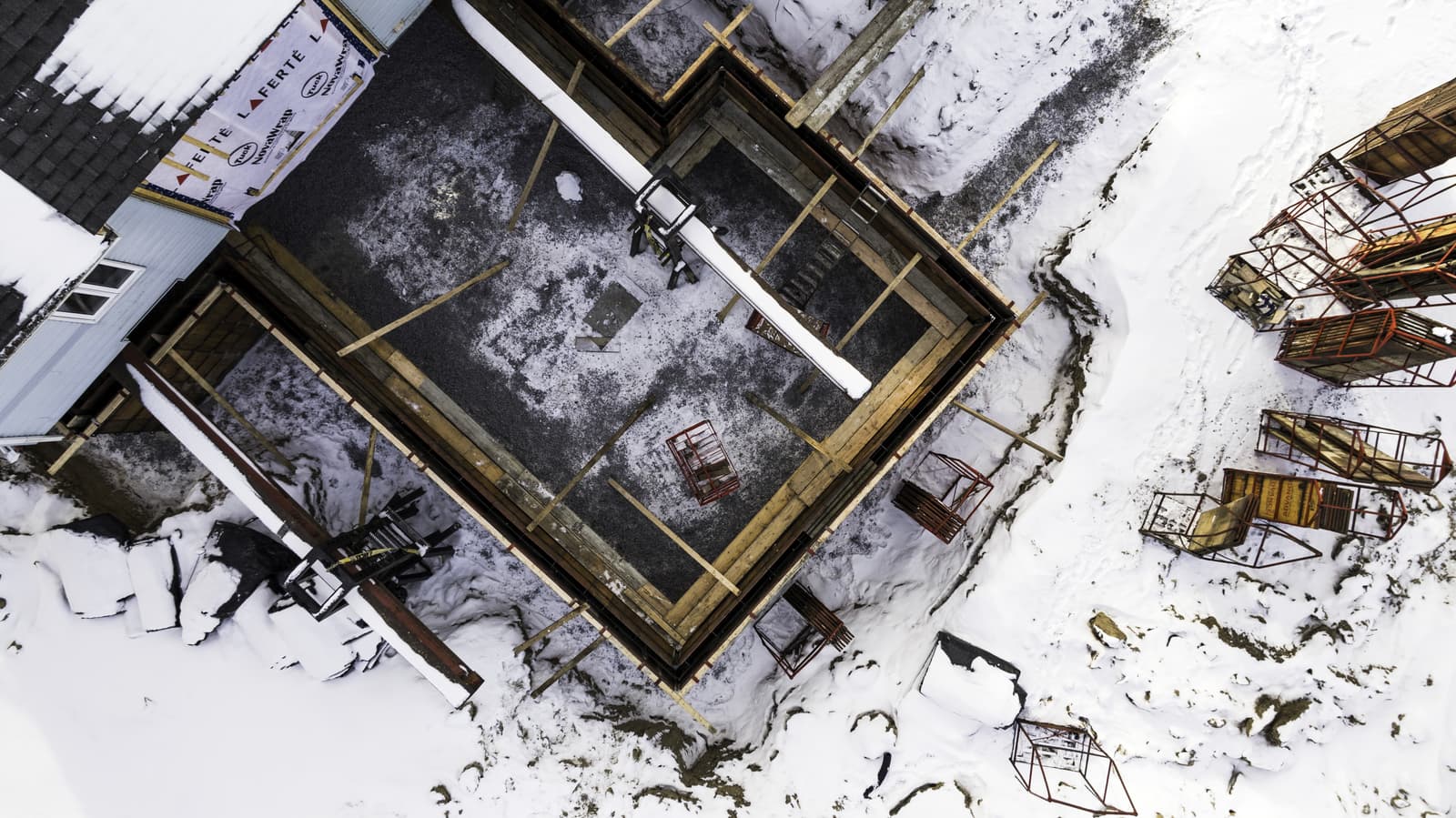
Undertaking a renovation project entails a lot more than having the necessary know-how or skills, or simply outsourcing the project to qualified professionals. You must submit a building permit request to your municipality to legally carry out the planned work. Here’s everything you need to know about obtaining a building permit.
Editorial Team
•08 Nov 2023
Whether choosing to renovate the kitchen or bathroom, ceramics are an excellent choice as they allow you to conceive designs as diverse as they are original. Available in a large variety of styles, ceramics make it easy to create custom pieces as they offer an infinite range of possibilities.

Cynthia Pigeon
•12 Jul 2024
Is your kitchen clad with melamine cabinets and looking duller than ever? Have you forgotten the last time you redecorated your kitchen? Either way, your cabinets are robbing you of your love of cooking and you sure don't want to miss out on new storage ergonomics. So it's about time you give your kitchen some pizzazz!

Christine Simard
•08 Nov 2023
Choosing a paint colour can sometimes turn out to be demanding and complicated. Whatever the brand, there are thousands of shades from which you can choose. Because of this, it is easy to get lost during this process.