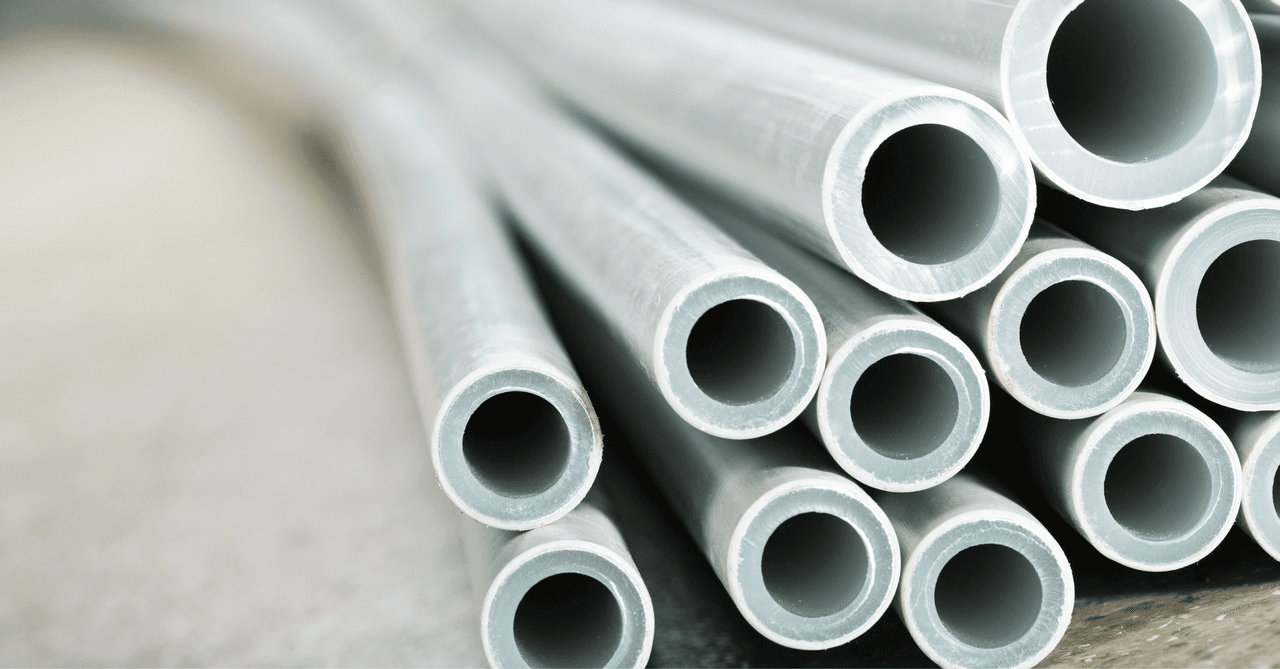
Are you remodelling, adding a sanitary installation, or building your home? Well then, a multilayer plumbing pipe is exactly what you need.
Multilayer pipes are commonly used in residential and commercial buildings to channel tap water or radiator fluid. They’re simply revolutionary. Find out why and learn more about their installation characteristics.
What are multilayer plumbing pipes?
Source: Canva
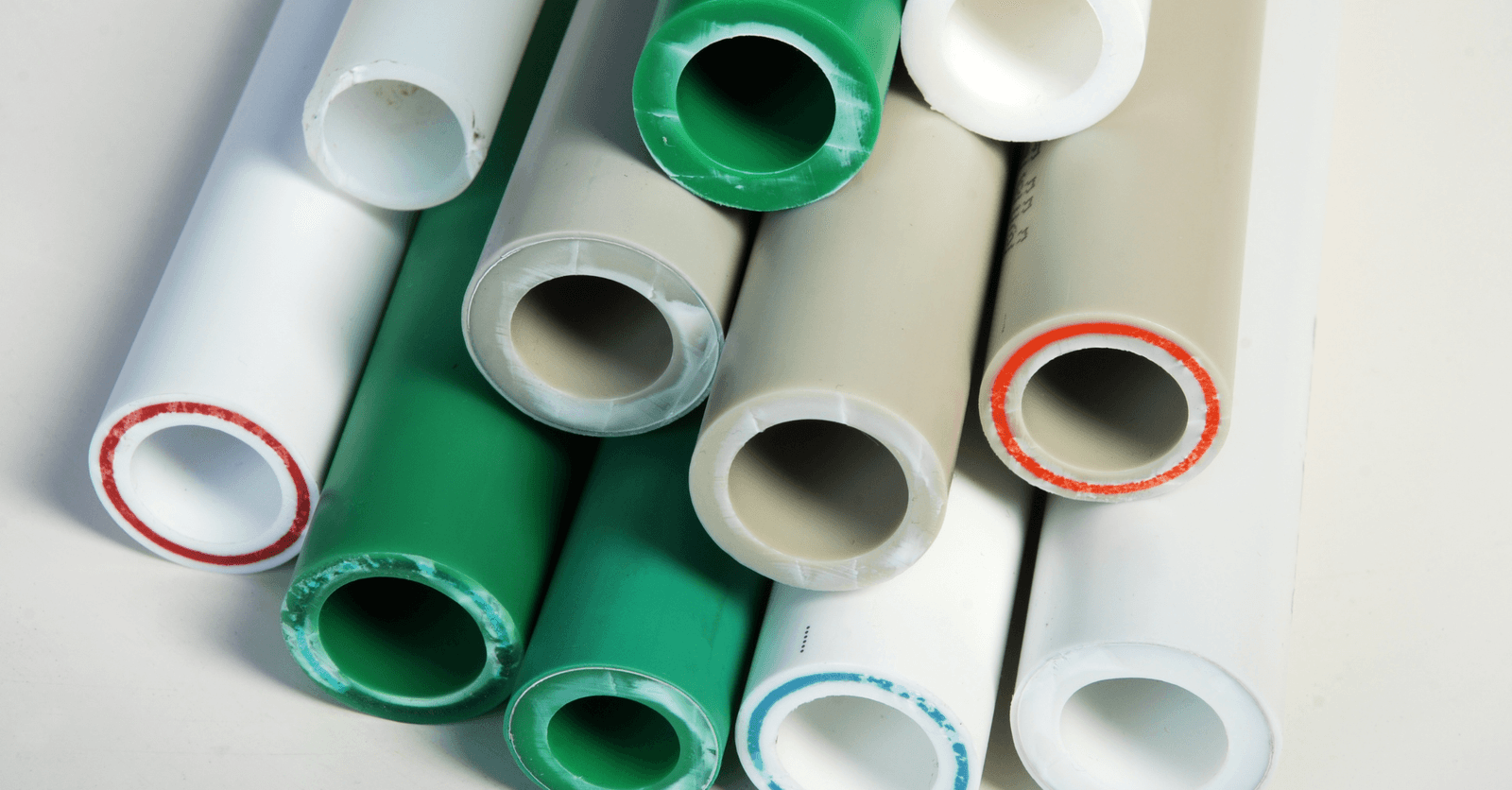
A multilayer pipe is a three-layer line made of the following:
1 layer plastic (PEX-A, -B, -C, or PERT II)
1 layer aluminum (0.2 to 0.7 mm thick)
1 layer plastic
Hence, the multilayer pipe is commonly referred to as a PAP pipe, for polymer-aluminum-polymer.
This system reaps the benefits of both materials, meaning plastic’s flexibility and metal’s resistance.
To be more specific, the aluminum layer
offsets the structural “shape memory” (the uncoiled pipe won’t curl back);
reduces risks of plastic pipes deforming and;
has greater pressure resilience.
While the plastic layers
protect aluminum from corrosion;
prevent aluminum pit corrosion and;
has the same roughness as copper (0.007 mm).
Therefore, multilayer pipes are naturally corrosion-resistant and can withstand varying temperatures as well as the pressure contained inside domestic water lines. Their low surface roughness minimizes pressure drops and prevents limescale or biofilm build-up.
Most importantly, the aluminum layer helps fight against the primary issue with plastic pipes: the passage of oxygen through the pipes. This phenomenon results in the oxygenation of water in closed water circuits.
Why use multilayer pipes?
Source: Canva
Multilayer pipes are largely advantageous, with very few drawbacks to consider.
Advantages
Multilayer pipes are:
more resilient than PVC pipes;
3 times lighter than copper;
easy to install (manual installation);
flexible; can be bent every which way;
can measure up to 2.95 inches in diameter (75 mm);
can be installed without fittings over long stretches;
electronically detectable courtesy of the aluminum layer and;
can be hand-shaped (small-diameter multilayer pipes) or with tube benders.
Drawbacks
Multilayer tube drawbacks are as follows:
they can’t be installed in fire-prone areas;
they require specially made tools and heating system know-how;
lack of manufacturing standards in terms of diameter.
Multilayer or PEX?
Here’s a chart detailing the 14 characteristics of PEX and multilayer pipes. It may come in handy when choosing the best-suited material for your project.
PEX pipe | Multilayer |
Reverts to its initial shape after bending | Retains intended shape (shape memory) |
Not suitable for gas | Suitable for gas |
Always concealed or poured into a slab | Concealed or exposed |
No soldering | No soldering |
Cold connection | Cold connection |
Connected using crimp rings, compression fittings, or sliding assembly | Connected using crimp rings or compression |
Retailed in roll form only | Retailed in roll form or sticks |
Available in blue (cold water) and red (hot water) | White unless a blue or red protective sleeve is added |
UV-vulnerable | UV-resistant |
Permeable to oxygen unless tubing is fitted with an oxygen barrier | Oxygen barrier |
Risks fouling unless piping has an oxygen barrier | No risks of fouling |
Strong thermal expansion | Weak thermal expansion |
Cost-effective | Not as cost-effective as PER |
Less than 50-year service life | 50-year service life |
You might be more inclined to choose PEX over multilayer piping for two specific reasons:
Cost
Sliding assembly
Characteristics and all, multilayer piping is more advantageous.
How long does a multilayer pipe last?
Source: Canva
Twenty-five years in terms of heating, and 50 for sanitary installations. However, not unlike most piping, a multilayer pipe’s resilience is directly linked to future fractures and the speed at which it’s breaking down.
Engineers have noted two distinct types of crack growths:
Fast fractures
Slow fractures
In either case, their growth speed is entirely dependent on three factors:
Fluid temperature
Pressure (10-bar maximum)
Length of fracture
Furthermore, other characteristics can limit a multilayer pipe’s resilience, such as
elastic collapse (which results from external pressure, and is known as critical buckling pressure) and;
loss of adhesion.
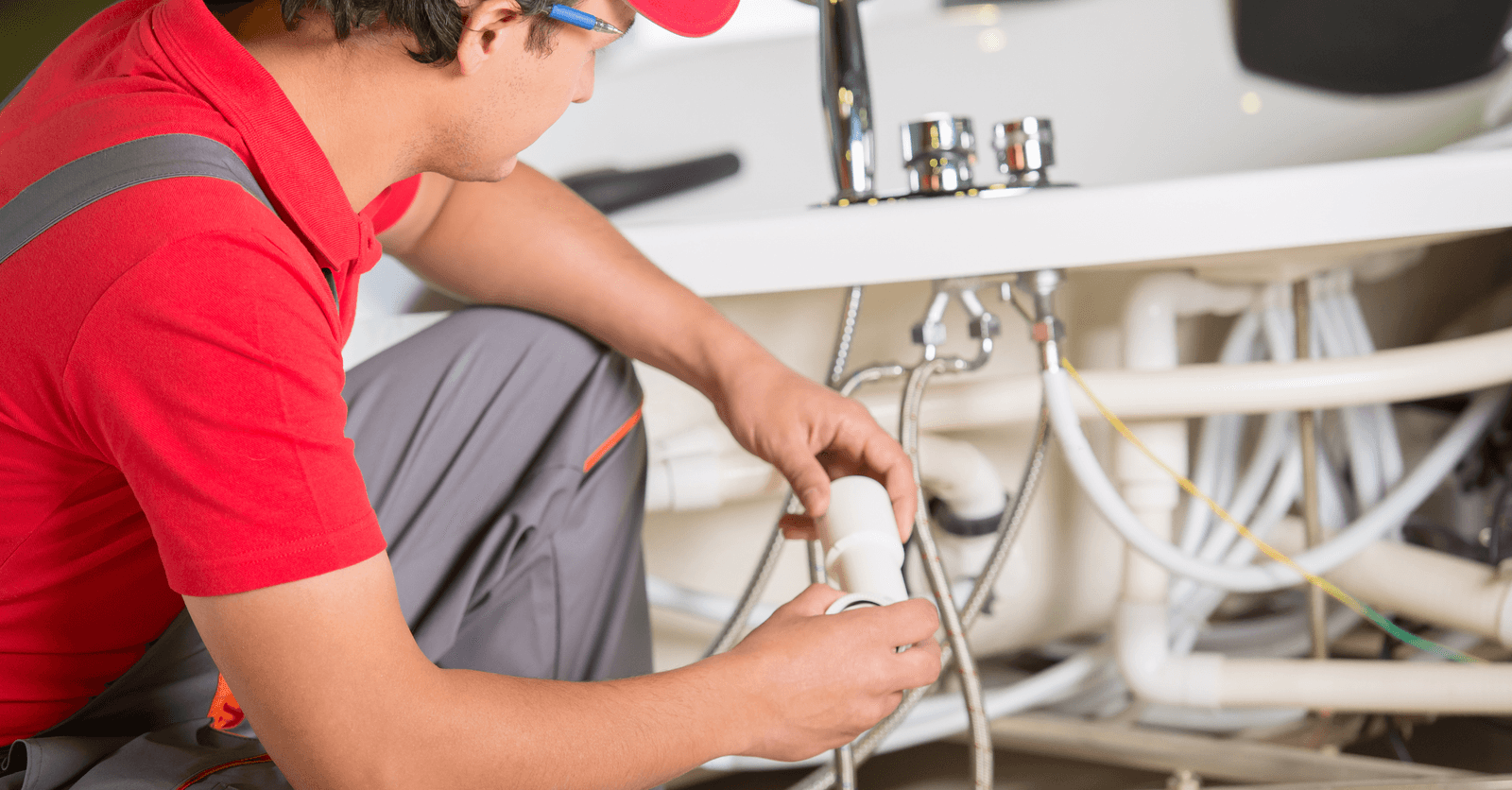
Connecting a Multilayer Pipe Without Soldering
Source: Canva
The first call to order is to figure out if your pipework is concealed or exposed. This distinction ensures you have the right tools, especially fittings.
Which fitting works with concealed pipework?
The crimp fitting is the best option when working with concealed pipes. As we’ll detail further in the crimping section of this article, these couplings guarantee a fit that’s just as sturdy as soldering.
Which fittings work with exposed pipes?
Two types of fittings can be used:
Compression coupling
Compression coupling is perfect for small- to medium-scale projects. A pipe bushing and olive are placed at the tip of the coupling pipe, and the fitting is inserted and screwed into the bushing.
Automatic coupler
An automatic coupler is ideal for extension projects or small-scale repair work. It’s inserted around the pipe until it butts up against it and is visible through the fitting’s opening.
Which fitting works with mixed piping?
Mixed piping comprises two distinct materials. In this particular instance, it can be, for example, a multilayer pipe coupled with a PER, or a multilayer pipe fitted to a copper pipe.
As for the latter, the best fitting is a mixed connection fitting, also known as a multi-material fitting. For a proper installation, simply deburr the fitting and secure it in place using wire crimpers.
Followed by the nut and olive (for an airtight seal), then the copper or PER pipe onto which the coupling is screwed.
Which multilayer pipe class to choose?
There are four basic multilayer pipe classes:
Class 1: Warm water distribution system not exceeding 60°C;
Class 2: Warm water distribution system not exceeding 70°C;
Class 4: Radiant heating solutions and low-temperature systems;
Class 5: High-temperature heating solutions.
Therefore, remember to choose multilayer pipes that suit the network you intend to build.
Crimping
Prior to crimping, make sure your crimping pliers and chains are clean and devoid of any dirt. The equipment used must be suited to the fittings you’re securing into place.
The pliers’ press jaws must be locked onto to coupling’s crimping to guarantee a proper execution. Once the crimping is complete, the fitting can no longer be pulled apart, which makes it a secure installation technique.
Tools Needed for this Type of DIY Plumbing Work
Source: Canva
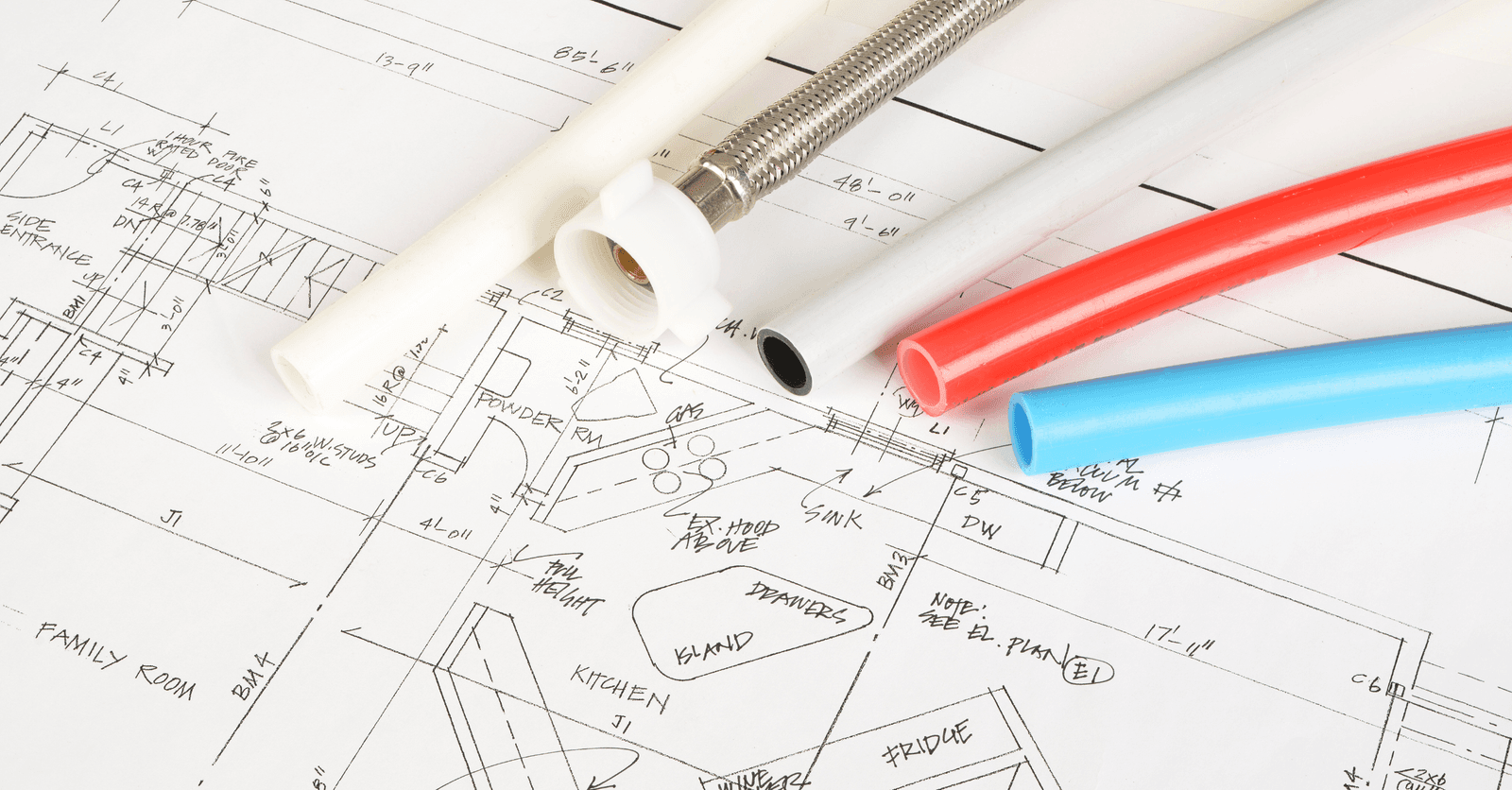
Fourteen different tools may be needed to carry out multilayer plumbing pipe work. However, you might not need them all. Their need depends on the piping network, meaning whether it’s concealed or exposed.
Overall, the tools needed are as follows:
Crimping pliers
Multilayer pipes
Writing instrument
Screwdriver
Drill driver
Torpedo level
Tube cutter
Hammer
Wall outlet fitting
Open-ended wrench
Half-pipe clamps
Calibrating and deburring tool
Measuring tape
Tube bending spring
Considering this list of tools, even though a multilayer piping network doesn’t require soldering, it still requires a certain level of know-how.
Get 3 quotes for your plumbing project
RenoQuotes.com can help you get quotes from a general contractor. By submitting your project, we'll connect you with top-rated contractors. Fill in the form on the homepage (it only takes a few minutes) and get estimates from trusted professionals.
Dial 1-844 828-1588 to speak with one of our customer service representatives.
Looking for something else?
Related articles
The latest industry news, interviews, technologies, and resources.

Editorial Team
•11 May 2026
Suffice it to say, converting an attic into a living space tends to be a split verdict type of endeavour. Some are indeed charmed by the sloping walls, small space, and dormers for windows, while others are wary of feeling claustrophobic or worry that the space will be too dark.

Editorial Team
•18 Jun 2025
Real bricks and fake bricks are currently a staple on the home decor scene: when used as a wall covering material, they add a lot of warmth and character to interior decor. Learn more about the different characteristics of this material, which is durable and stylish.

Editorial Team
•26 Aug 2025
It’s not much of a secret that the construction industry is facing a labour shortage, as many companies report a lack of labour although faced with growing demands. With the industry itself booming in sectors such as residential housing, commercial properties, and public work projects, the workforce necessary to take on these projects isn’t readily available. So, what effect will the labour shortage have?
Editorial Team
•20 Nov 2023
Do you have to change your old kitchen sink? The models available on the market are just as wide-ranging as they are diverse, meaning finding the right sink for the job can be quite tricky! To help guide your decision, here’s a rundown of the leading sink models.

Editorial Team
•08 Nov 2023
This week, RenoQuotes.com met up with one of our general contractors on location at a renovation site. During this interview, Yves explains what his job is about and how he guides his clients through their renovation process.