Ontario's WSIB: Essential Workplace Safety and Insurance Coverage
By Paul Riopel
Updated on June 22, 2026

No matter the workplace, whether it's a construction site, restaurant, or hair salon, safety is always the number one priority. However, despite the importance placed on fostering a secure work environment in Ontario, accidents can and do happen, and workers sometimes get injured or fall ill while on the job.
Despite the potential for reduced income, the burden of purchasing medication or medical devices, and even lawsuits, Ontario's Workplace Safety and Insurance Board aims to mitigate these challenges by providing comprehensive coverage and support to both employers and workers alike. Let's delve deeper into what the WSIB is and how it functions within Ontario's workplace landscape.
What is Ontario's Workplace Safety and Insurance Board (WSIB)?

The Workplace Safety and Insurance Board, often shortened to WSIB, is an independent trust agency in Ontario, operating under the province's Ministry of Labour. The organisation is responsible for providing no-fault collective insurance coverage for workplace injuries and illnesses to Ontario workplaces in line with the Workplace Safety and Insurance Act, 1997.
Workplaces registered with the WSIB pay monthly premiums which go towards protecting them in the event that an employee injures themself on the job. This collective liability insurance reassures employers that they are generally protected from lawsuits by injured workers.
In the event of a workplace accident, the employee, on the other hand, is entitled to workplace insurance benefits, which include healthcare coverage, wage-loss benefits, and return-to-work assistance, without having to prove their employer was at fault for their injury or illness. They simply need to show that it's work-related.
Which Businesses Must Register With the WSIB?
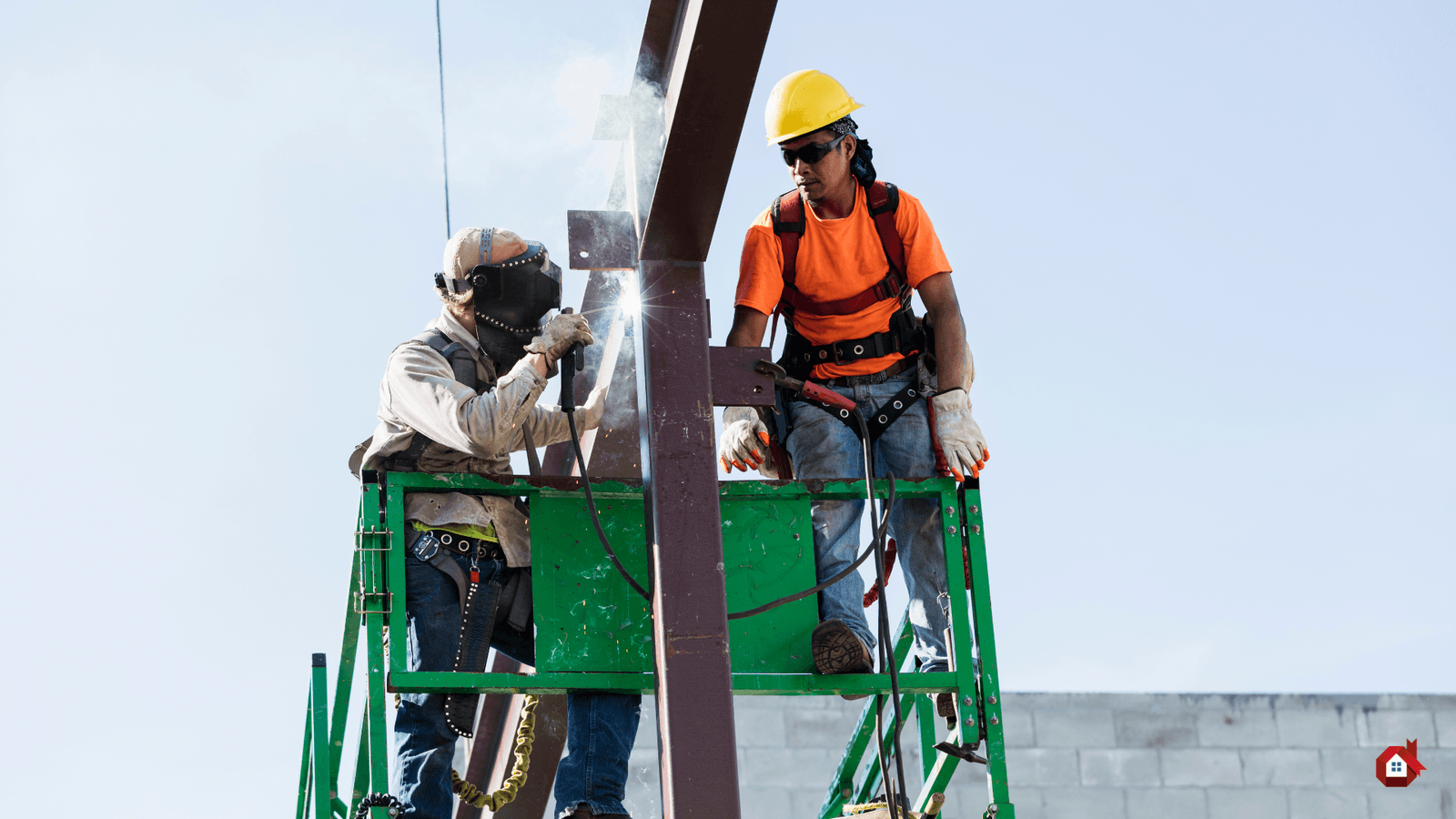
Most business in Ontario are required to register with the WSIB. They have 10 days to do so from the day they hire their first employee. Workplaces that are required to register include:
construction businesses
restaurants or bars
sales and services, agriculture or manufacturing businesses
trucking or transportation companies
homeowners or private residents hiring a domestic employee (babysitter, nanny, cook, gardener, handy person, housekeeper, etc.)
Not all employers need to register, however. Those who are not required to register with the WSIB, but may choose to, include:
banks, trusts, and insurances companies
trade unions
private day cares
travel agencies
photography businesses
barber shops and many hair salons
funeral or embalming establishments
Businesses which must register but fail to do so may face penalties, investigations, and provincial offence charges. Furthermore, they may have to pay retroactive premiums. In other words, to mitigate potential risks, it's imperative to register your business if mandated.
Ontario Workers' Health Care Benefits, Coverage, and Compensation

After a workplace injury or illness, the Workplace Safety Insurance Board covers all approved healthcare costs, regardless of missed work or personal insurance coverage. This includes medical treatment, hospitalisation, prescriptions, medical devices, travel expenses, and more.
If a worker requires specialised care, their directories can help locate registered providers. Pharmacies can bill them directly for medications, but if that's not possible, individuals can request reimbursement by filling out a form and submitting receipts. Furthermore, a clothing allowance is available annually for damage caused by medical devices, and they also cover approved healthcare equipment and supplies like braces, walkers, and wound care items.
In terms of income replacement, if the WSIB finds that a worker's work-related injury or illness prevents them from working, or if they can only safely return to work for reduced compensation, they may provide them with compensation of up to 85 percent of their pre-injury take-home pay.
What Steps Should Be Taken If an Injury Occurs at Work?

Per the WSIB's guidelines, these are the steps to be taken by both the employee and employer in an event of a workplace injury or illness:
As an Employee
Seek medical help: Seek immediate first aid. Visit a doctor or hospital if further treatment is needed. Your employer covers transportation costs on the day of the injury.
Document: Immediately inform your employer about your injury or illness and any medical treatment received.
Notify the WSIB: Report your injury or illness if you require treatment beyond first aid, are unable to go to work, or experience reduced pay or hours.
Maintain contact: Keep in contact with the WSIB. They'll collaborate with you and your employer.
As an Employer
Administer first aid: Administer initial aid. If further treatment is required, either arrange transportation to a medical facility or cover the cost of transportation for your employee on the day of the injury.
Document: Investigate and maintain a thorough record of the incident along with the actions taken to address it.
Notify the WSIB: Submit an Employer’s Report of Injury/Illness (Form 7) within three days of learning about a workplace injury or illness if your employee requires more than first aid, is absent from work, earns less than regular pay, or needs modified work at regular pay for over seven calendar days. Additionally, provide a copy of the injury or illness report to your employee.
Maintain contact: Maintain communication with the WSIB. They'll collaborate with you and your employee.
If you'd like to read more about health and safety in the workplace, check out our articles on the subject:
Get new contracts for your construction or renovation company
RenoQuotes.com can help you get new contracts. We get new project proposals from clients seeking top-rated and trustworthy renovation professionals like yourself. To get started, simply fill in the form on our homepage (it only takes a few minutes) and receive information regarding potential clients by way of our services.
Dial 1-844 828-1588 to speak with one of our customer service representatives.
Looking for something else?
Related articles
The latest industry news, interviews, technologies, and resources.

Paul Riopel
•25 Jun 2026
Entering the world of subcontracting in Ontario? This article will walk you through the essentials - from gaining relevant work experience, understanding the legalities such as employment status and taxes, to navigating the job market.

Editorial Team
•08 Nov 2023
Over the past few years, the Canadian economy has experienced highs and lows that have affected many sectors. Regarding the construction industry specifically, constraints and changes have occurred as a result of the Covid-19 pandemic, a dip in available skilled labour, as well as the rise of material costs. With the pandemic still looming, what trends can the industry expect in 2022?

Editorial Team
•08 Nov 2023
It shouldn’t be a surprise that environmental awareness is trending. On the homefront, many are looking for ways to reduce energy use and increase efficiency. Not only this, but others are interested in alternative ways of living, investing in homes off the beaten path such as tiny homes, trailers, and houseboats.

Editorial Team
•26 Jun 2026
Digital twin technology is revolutionizing various industries, including construction in Canada. At RenoQuotes, we are committed to keeping you informed about cutting-edge technologies that can enhance your projects. How can digital twins improve the efficiency, safety, and project management of your construction projects? What are the specific benefits of this technology in the Canadian construction landscape? Let’s explore how digital twins are shaping the future of construction and the advantages they bring to the industry.

Amanda Harvey
•08 Nov 2023
Are you thinking about renovating your store or undertaking renovations in a brand new location? Regardless of your personality and the desired style of your shop, here are some guidelines that should drive your thinking.