What Type of Paint to Choose for Exterior Brick?
By Editorial Team
Updated on November 8, 2023
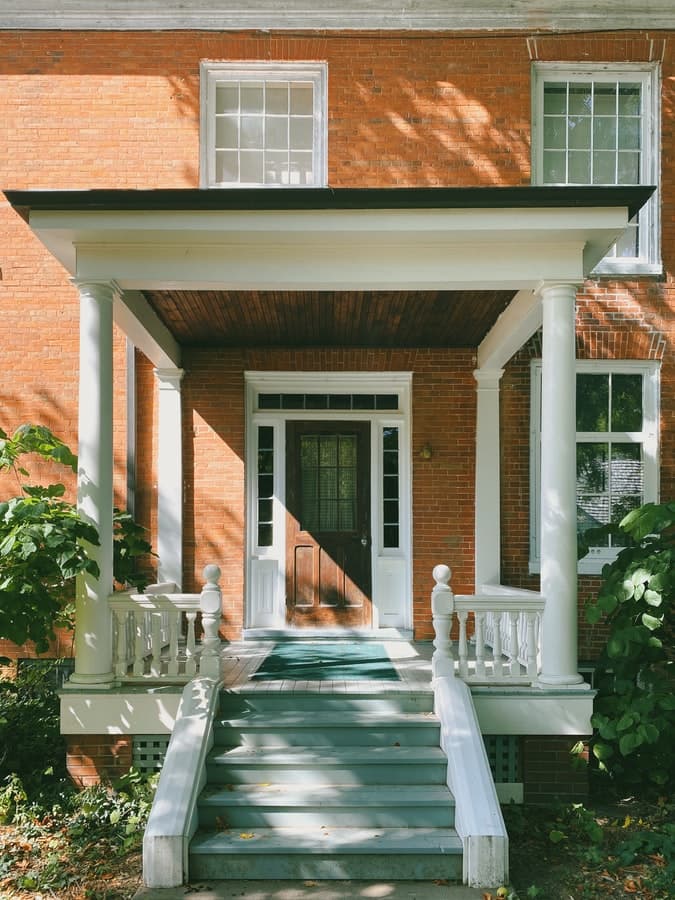
Is the exterior siding of your brick house starting to look a little worn? If the idea of bringing it back to its former beauty by restoring it has crossed your mind, you may have considered painting as an option.
Even though this is an effective way to improve the appearance of your exterior, you’ll still need to know the right products to use to do so. Here’s everything you need to know about it to make your project successful!
Painting your exterior brick siding
Before starting this project
Before starting your exterior painting project, it’s important to remove any peeling paint that’s already on the surface. Also, it’s essential to clean the coating well. Indeed, we must always keep in mind that brick is a porous material. Thus, it tends to accumulate a certain amount of dirt on its surface. For the paint to adhere well to your exterior, it will therefore be essential to clean it thoroughly and allow it to dry well before starting.
For the actual cleaning, it’s recommended that you use trisodium phosphate (P.T.S). This solution can be applied in many ways, whether using a brush or a roller. If you want to apply faster, purchasing a sprayer with a tank is an excellent idea.
In either case, you’ll need to devote a certain number of hours to cleaning due to the area to be covered and the necessity to brush the brick surface. At the end of the cleaning process, don't forget to rinse the exterior with a garden hose.
Painting exterior brick
A primer: is it necessary?

It should be noted that the answer to this question depends on the current brick colour. If it’s pale, you can apply the paint directly to your exterior. However, if the brick colour of the brick is rather dark, it’ll be better to cover it with a primer beforehand. Otherwise, it may be necessary to apply a very large number of coats to conceal it.
It should also be mentioned that brick that is a few years old could be more porous, making it exceptionally vulnerable to water infiltration. To improve the brick’s waterproofing and to reduce the chances of it prematurely deteriorating, it’s recommended to apply a water-based primer (Block Filler or a similar product) directly to the wall. The brick will be better protected and will thus benefit from a better chance at longevity.
Choose paint and tools
When it is finally time to paint your exterior siding, it’s recommended that you choose 100% acrylic latex paint designed specifically for exterior projects. This is a good choice because of the greater flexibility of this paint, which will allow it to adhere adequately to the brick as well as to the joints that run throughout the siding.
The question which now arises is what technique to use? Since you need to cover a large area, it might be tempting to consider spray painting. Nevertheless, it seems this method poses several problems. First of all, it should be noted that the majority of homeowners may not have the skills required to use it properly, which can lead to unsatisfactory results.
Instead, the traditional soft-bristled brush or a 15 or 20-millimeter long-haired roller should be used. Keep in mind that a roller with a shorter pile length than that previously mentioned may not be able to cover your joints well.
Secondly, we should mention that using a one-inch wide brush can be of great help if your joints are very hollow. Whether you select either of these options, be sure to choose quality products to maximize your chances of getting a quality result.
Regarding the type of finish, it’s advisable to choose a paint with a matte finish. This helps maintain the natural appearance of the brick and is better protected against humidity.
Applying paint to your brick wall
Once your exterior siding is ready to be painted, note that it’s best to apply two coats and allow each coat to dry for at least 4 hours. Regardless of the paint application recommendations, you should choose an appropriate temperature for your project.
Be aware that working in very hot weather is not ideal, as the paint may dry too quickly and not adhere properly to your siding. Moreover, working in very hot weather can make this project rather strenuous, which is even more severe when you take into account that the area to be painted is large.
Ideally, be sure to paint at a temperature of around 10 degrees Celsius and allow at least two consecutive days without rain. In fact, your exterior should not be exposed to rain for less than 12 hours after applying a coat of paint, especially since unseasoned latex paint is liable to be altered by water.
Let's go on to say that windy days will make it harder for you, as the wind can cause splashing in unwanted places such as soffits or window mouldings.
Do you need to make some repairs to your exterior before starting your painting project? Check out these articles:
How to replace a damaged brick
How to repair damaged mortar joints
Would you like to have an estimation of the cost of your next painting project? Try our cost estimator!
Get 3 renovation quotes from painting contractors
RenoQuotes.com can help you get quotes from qualified painting and renovation contractors for your interior brick wall. If you submit your project to us, we’ll put you in contact with the best masons in our contractor network. Fill in the form (it only takes a few minutes), and you will receive quotes from qualified masons and home renovation companies.
Dial 1-844 828-1588 to speak with one of our customer service representatives
Looking for something else?
Related articles
The latest industry news, interviews, technologies, and resources.
Amanda Harvey
•03 Aug 2026
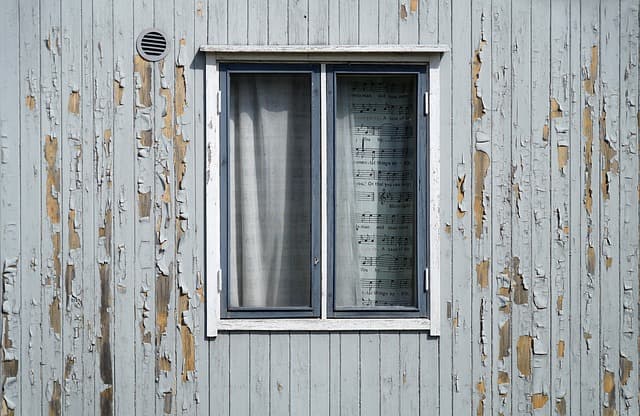
Painting the outside of a house can be a long and gruelling process, but if completed correctly, the transformation can be dramatic! When high-quality exterior paint is applied to a properly treated surface, it’ll last much longer than expected. As well, it will protect the outside of your home from sun, wind, rain and snow. Although the price of paint will often indicate quality, there are several other factors that will help you to determine which paint is right for the exterior of your home.

Editorial Team
•08 Nov 2023
It can’t be denied that the summer season is enjoyable for almost everyone, with hot days and warm nights that can finally be spent outside. But sometimes, the temperatures reach a peak and joy slowly moves towards discomfort. Luckily, technology has allowed for the air conditioner.
Cynthia Pigeon
•08 Nov 2023
When a kitchen is too small to meet a household's needs, it quickly becomes a nuisance. And, since most people spend several hours a day in their kitchen, the lack of space is definitely felt on a daily basis. Therefore, a bigger kitchen is a recurring item on many homeowners' wish lists.

Cynthia Pigeon
•08 Nov 2023
In the previous article, we covered soffits (How to Install a Soffit from A-Z). However, little emphasis was placed on another element that acts hand in hand with soffits in order to protect your roof.

Editorial Team
•23 May 2025
There are several reasons that may motivate a homeowner to consider adding a floor to their home. A growing family or a desire to rent the new floor and enjoy the additional income are definite reasons behind such an important decision. The desire to avoid moving, as well as the need to enjoy a larger living space both seem like other relevant options. For some homeowners, this state of affairs indicates the need to expand the home through the construction of an additional floor.