Recycled Asphalt Is a Cost-Effective and Eco-Friendly Choice
By Editorial Team
Updated on February 23, 2024
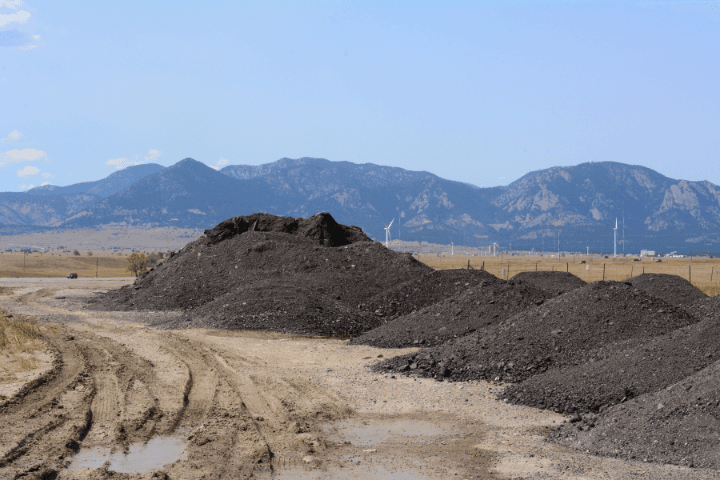
Every year, between 3 and 5 million tons of asphalt concrete is poured over Quebec’s roadways. While conventional asphalt is still most commonly employed, other materials are making their way onto the scene, filling in cracks, such as recycled asphalt.
How is recycled asphalt made?
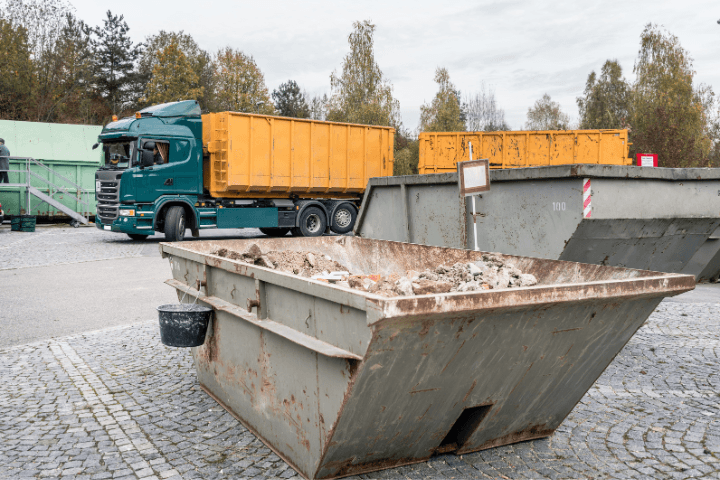
Recycled asphalt either involves a cold (10°C to 30°C) or hot in-place process (138°C to 160°C) and is made with:
Aggregates
Asphalt emulsion or asphalt concrete
Asphalt is said to be reclaimed when its mixture contains X amount of recycled asphalt pavement. The Master Municipal Construction Document (MMCD) states that said rate cannot exceed 20% unless it's mixed with a special kind of bitumen emulsion.
In Ontario, a province seeking to have the greenest roadways across the country, the rate of reclaimed bituminous aggregates is around 17%. Not unlike what was stated in the MMCD, the Ministry of Transportation in Ontario set the limit at 20% when it comes to recycled asphalt for wearing courses, but allows 40% for base or deep surfaces.
The Province of Quebec abides by the same above-mentioned rates, as stated in Standard 4202. There are two types of asphalts used as top surfaces (wearing courses):
Reclaimed asphalt pavement (roads): 20%
Recycled asphalt shingles (roofing): 3%
However, specially-made bitumen emulsions can produce recycled asphalt that’s 100% made with reclaimed bitumen aggregates or 25% recycled asphalt shingles. In such cases, the bitumen emulsion may be made of:
98% recycled bitumen aggregates
2% emulsion
Also, 2.5% of the mixture is water.
Characteristics and Uses of 0-¾ Recycled Asphalt
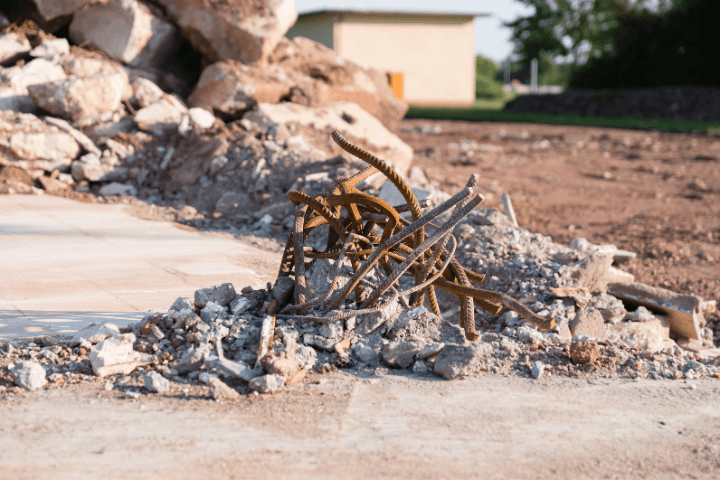
Finely graded recycled asphalt, with particle sizes ranging from 0-¾ in or 0-20 mm, is a type of asphalt for which its characteristics are determined by its mixture. In fact, it only takes a meagre difference in the sealant or binder used in fresh asphalt to negatively affect the rigidity of the asphalt mix.
To meet Quebec’s standards, reclaimed asphalt must have the following properties:
Withstand ruts (road depression or grooves) as stated in standard LC 26-410
Must be compactable as stated in standard LC 26-003
Must be water-resistant as stated in standard LC 26-001
Must be malleable at working temperatures (between 100°C and 150°C)
Have sufficient viscoelasticity
Must be resilient against fatigue cracking
If you’re somewhat knowledgeable in the matter, you already know that increasing rut resistance mechanically diminishes fatigue cracking resistance or thermal fissuring. In other words, improving one property leads to altering the characteristics of one or more properties.
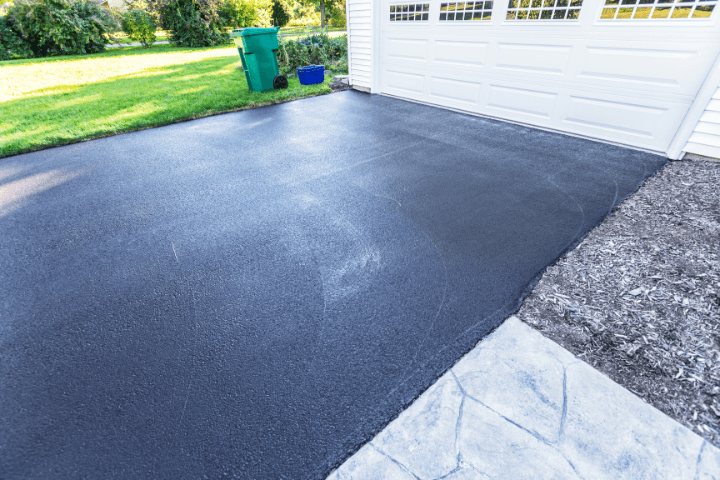
When it comes to recycled concrete used for your driveway leading up to your garage, rut resistance is much more important than fatigue cracking, since the latter is mainly directed at constant heavy vehicle traffic (buses, trucks, semis). Therefore, the professional hired to pave over your driveway will choose an asphalt product based on your needs. As such, neither freeze-thaw nor bad weather will damage your pavement.
The mixture used must be rightly balanced to be used in real-life conditions. In any case, this material is twice as cheap compared to traditional asphalt, and as a bonus, it’s eco-friendly. Note that non-recycled asphalt is dumped off in landfills.
The Benefits of Reclaimed Asphalt Pavement
Twice as cheap compared to standard asphalt
Cuts back on curing time (2 days instead of 1-2 weeks)
Preserves the environment (-82% to -107% of greenhouse gasses compared to concrete roads)
Contributes to air quality (less nitric oxide, nitrogen dioxide, and sulfur dioxide)
Can be poured warm, tepid, or cold depending on the mixture
Silent roadways
Decent adhesion
Positive Environmental Impact of Reclaimed Asphalt
Recycled asphalt improves air quality. In Ontario, based on studies done over 15 years ago, gas emission abatements were recorded as follows:
Carbon dioxide: -52%
Nitric oxide: -54%
Nitrogen oxide: -54%
Sulfur dioxide: -61%
How to Lay Reclaimed Asphalt
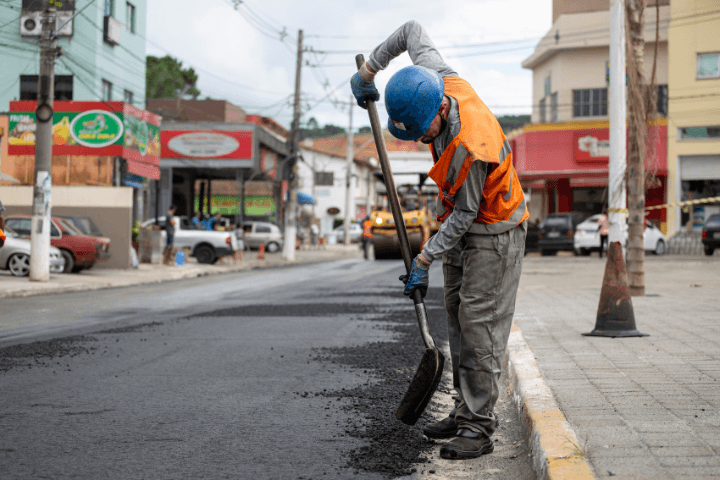
Reclaimed asphalt is used just as standard asphalt, the only difference is the actual ingredient mixture. As such, the process involves digging a hole to build a foundation allowing for three layers:
Surface course
Base course
Subbase course
If you want to learn more about the guidelines to build your own crushed stone foundation for asphalt paving, check out our article about asphalt pavement as the most durable pick for your driveway.
Note that you’ll need to replace a part of your lawn or earthen path with a crushed stone surface. By doing so, you’ll be:
stabilizing the ground; and
reducing the impact of freeze.
To protect your paved driveway, a sand seal treatment may be applied to the surface to safeguard it from water penetration. As a result, you’re ensuring that your paving will be pothole-free.
How much does recycled asphalt cost in bulk?
A ton of recycled asphalt costs between $15 and $180, delivery aside. However, as a disclaimer, note that certain suppliers have a 1-ton minimum requirement, which covers between 40 to 80 square feet.
Choosing Between Recycled or Crushed Asphalt
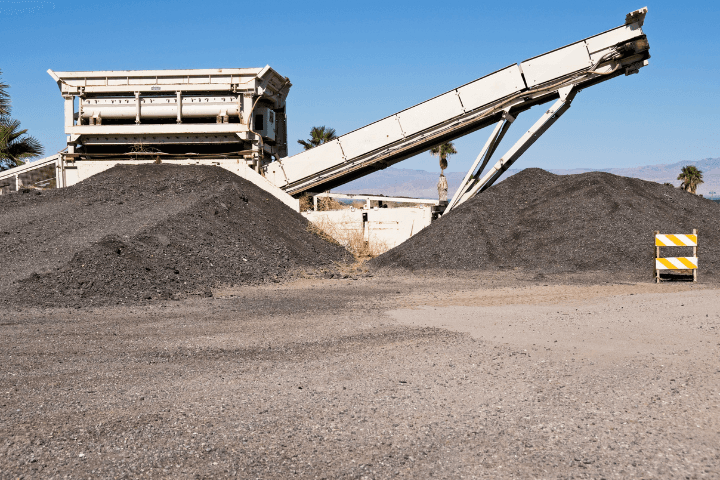
The two advantages of recycled asphalt are as follows:
Savings made
Environmental protection
The above-mentioned advantages are important to note as they’re added properties to standard asphalt. In other words, with recycled asphalt, you basically benefit from a material that has very similar characteristics to that of new asphalt.
According to some studies published in scientific journals, the quality of standard 4202-compliant asphalt is being challenged. However, it seems like recycled bituminous materials are just as, or nearly as, effective.
Albeit the overall rigidity of the pavement is duly noted, meaning a lowered resistance to thermal fissuring, the thermomechanical behaviour of this type of asphalt remains unaffected. The complete opposite actually occurs: rut resistance is heightened. As a result, you don’t have to worry about potholes in your driveway any time soon.
Lastly, keep in mind that the resilience of asphalt is directly linked to its mixture. Companies retailing such products thoroughly understand laws regarding material mixtures, as well as mechanical behaviour and mobilization degree.
Therefore, whether crushed or recycled, you can pave your driveway and safeguard it against water penetrating its surface for years to come.
Recycled Asphalt Is Paving the Way to a Sustainable Future
Recycled asphalt is presented as a cost-effective and eco-friendly solution to landscaping projects. Using recycled asphalt is part of a sustainable development approach, offering an effective alternative to meet current environmental challenges.
Get new contracts for your construction or renovation company
RenoQuotes.com can help you get new contracts. We get new project proposals from clients seeking top-rated and trustworthy renovation professionals like yourself. To get started, simply fill in the form on our homepage (it only takes a few minutes) and receive information regarding potential clients by way of our services.
Dial 1-844 828-1588 to speak with one of our customer service representatives.
Looking for something else?
Related articles
The latest industry news, interviews, technologies, and resources.

Editorial Team
•05 Nov 2024
An entrepreneurial takeover—transferring business ownership—is an increasingly sought-after course of action in the construction industry. One way to look at this trend is by recognizing that a lot of contractors are nearing retirement age, therefore taking a step back and leaving a sort of legacy for the new generation. However, this transition isn’t done without hardships and poses a few specific challenges. In this article, we’ll take a look at the main challenges facing construction contractors deciding to entertain entrepreneurial takeovers.
Editorial Team
•26 Aug 2025
It’s not much of a secret that the construction industry is facing a labour shortage, as many companies report a lack of labour although faced with growing demands. With the industry itself booming in sectors such as residential housing, commercial properties, and public work projects, the workforce necessary to take on these projects isn’t readily available. So, what effect will the labour shortage have?
Cynthia Pigeon
•11 Jun 2026
Discovering asbestos in a property naturally raises many questions, both in terms of health and finances. Whether you own a long-standing single-family home, are in the process of buying a property built before the 1990s, or manage a residential or commercial building in Quebec, accurately assessing asbestos removal costs is a crucial step.

Cynthia Pigeon
•08 Nov 2023
Houseplants are beneficial in a home for many reasons. Not only will they spruce up and add a bit of life to any interior, but plants will also serve as an air filter and contribute to a cozy vibe.