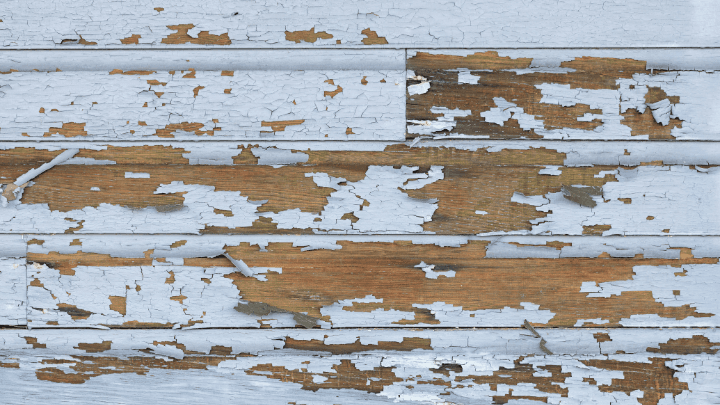
Have you detected the presence of lead paint in your home? As you might already know, this matter can be hazardous to your health and that of your family.
Although this situation can be worrisome, know that there are efficient solutions to remove or counteract the hazardous effects of this issue. Here are a few different solutions in order to fix this problem.
Everything You Need to Know About Removing Lead Paint
Source: Canva
Lead Paint Is not Chipped: Sealing
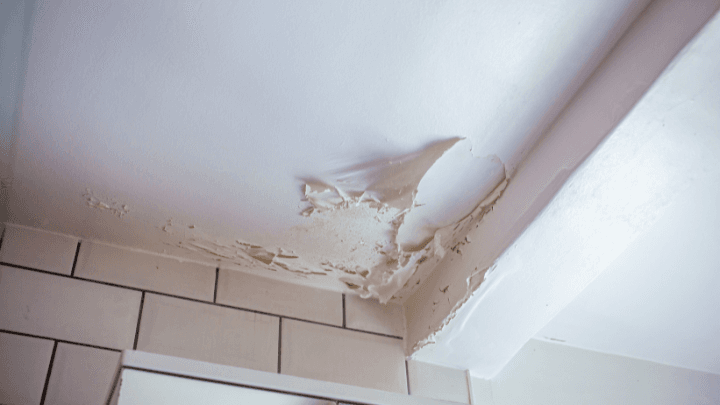
If the lead paint is not chipped or flaking, a sealant is probably the best option at this point, and the least costly considering everything. What does it mean to add a sealant? It simply means entirely covering the lead paint with another product in order to completely remove the lead exposure within the home. Here are a few ways to cover the paint:
Plywood;
Drywall;
Stucco;
Vinyl wallpaper;
Acrylic finisher;
Ceramic (recommended in high-humidity rooms).
Note that it is not sufficient to simply cover the lead paint with wallpaper or a layer of latex-based paint.
Lead Paint Is Chipped: Removal of Lead-Contaminated Surfaces

Source: Canva
It is a bit more complicated if the lead paint is chipped. If the budget allows for it and should you not want to jumpstart any other work, you may simply want to remove all components within close proximity. That implies replacing all doors, windows, and wood mouldings with new ones. Although a costly endeavour, it is not the sole solution available to you to rectify the problem at hand, and thus ensure your well-being and that of your family.
Chemically Stripping Paint Outside
Should a more cost-effective solution better fit your needs, you can opt to remove all contaminated elements (if possible) and proceed to strip them with a chemical. This method is best done outside the house.
This solution, bringing all components outside to be chemically stripped, does have its advantages as it limits the amount of lead-based dust flowing through the air. However, one must be patient and meticulous in order to remove all targeted elements without damaging them.
Chemically Stripping Paint Inside
There is one other possibility: chemically stripping the components that were painted with lead-based paint. Obviously, this step will require all surfaces in the area to be covered to avoid any damage. This also limits the space required to work, therefore it may take longer to execute than the previously mentioned step.
Stripping the paint with a sander or by hand is best done by a professional instead of doing so yourself. The amount of dust that will result from such a method is not advisable given the circumstances; any apprentice or contractor will be highly aware of the risks involved when using a sander.
When it comes to methods that are strongly discouraged, stripping the paint with a heat gun or an open flame is not advisable, since lead emissions resulting from such methods are extremely toxic, and present a serious health hazard. Likewise, never use a blowtorch for such a project.
Chemical Stripping: Cautionary Measures
Source: Canva
Although chemically stripping paint will not create a lot of dust, note that its usage is not without risk. Chemical paint strippers can contain numerous chemical substances, such as dichloromethane. To limit the dangers related to its application, it is imperative to follow the security guidelines outlined by the manufacturer.
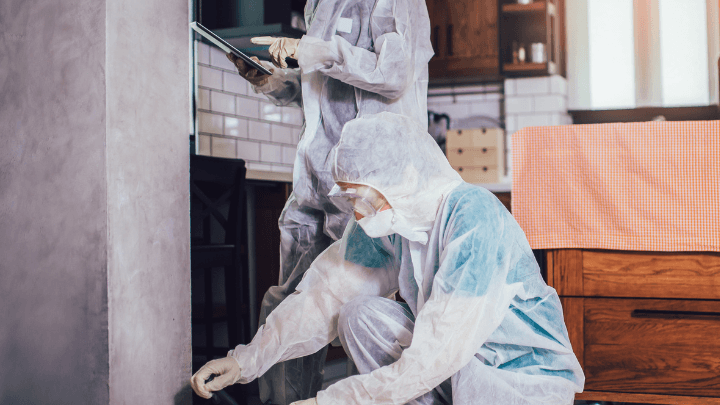
In most cases, the guidelines state to wear protective goggles, gloves, face mask, and, should you be working inside, ensure that the area in which you are working is properly closed off. As for the face mask, make sure to select a model that will adequately protect against dust as well as overall organic compounds free-flowing. Furthermore, wearing shoe covers is advised so as not to leave a trail of dust throughout the house.
Also, ensure that the room in which you are working is properly ventilated. Open the windows and position a fan accordingly so as to blow air toward the open window instead of toward the inside of the room. Start stripping the surfaces nearest to the fan and then gradually working away from the fan. Do not forget to remove all elements in the room that might create static electricity or sparks.
Moving on, yet still emphasizing your awareness of your physical state. If you start experiencing any difficulty breathing, headache, nausea, or dizzy spell, it is best to put a stop to the project. Work in ten-minute shifts, take regular breaks, and avoid eating or smoking while working.
Since projects necessitating the removal of lead paint can be a health hazard and such risks cannot be entirely controlled, high-risk individuals, such as pregnant women and young children, should never be present while such work is underway.
DIY: Yes or No?
As mentioned at the beginning of the article, removing lead paint presents a substantial health risk. Although, should you want to complete the work yourself, be sure to follow the precautionary measures to avoid inhaling any paint particles.
Amongst the precautionary measures to take throughout the process, note that wearing a face mask equipped with an air purifier, disposable jumpsuit, and shoe covers are ideal, especially since they can be disposed of after the completion of the project.
How to Dispose of Lead Paint Residue
Due to its toxicity, it is unwise to dispose of the lead paint residue in the garbage. The remnants must be placed in a sealed container on which is labelled "Hazardous Waste". Enquire with your local municipality in regards to the disposal of hazardous waste.
How to Detect the Presence of Lead Paint?
Source: Canva
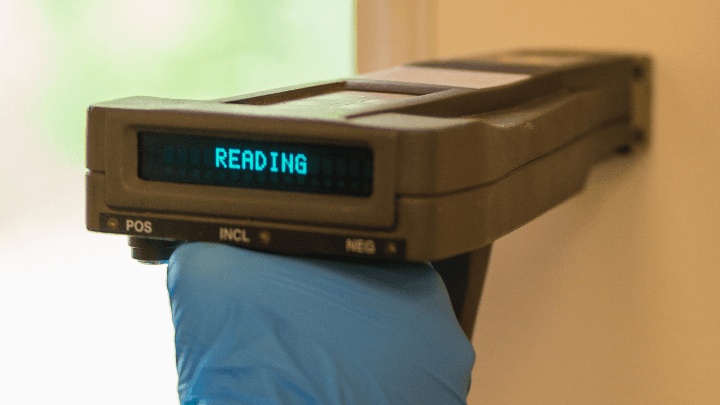
All things considered, it can be quite difficult to determine if lead-based paint was used in a home. As such, if your house was been built prior to 1960, it might be a possibility. However, between 1960 and 1990, it is highly unlikely that the paint covering certain surfaces in your home is lead-based. Since it is almost impossible to detect lead paint with the naked eye, it is advisable to send a paint sample to a laboratory with the requisite expertise to perform this type of test.
Besides these options, it is also possible to hire a contractor that has access to X-ray fluorescence technology. This technology can detect the presence of lead.
Lead Paint: An Underrated Hazard
Note that it is imperative that adequate measures are taken to minimize the hazardous effects of lead paint. Also, chipped lead paint can represent a considerable danger, especially to young children. Since they are still in their growth period, their bodies tend to absorb lead at a faster rate than adults. Moreover, take into account the fact that lead absorbed by a pregnant woman can endanger the health of the unborn child. This basically sums up the importance of executing such a task as soon as possible.
Also, ingesting lead paint can have adverse effects on the nervous system and the brain, in addition to risking red blood cell deficiency (anemia).
Stripping Lead Paint | Viable Solutions |
1) Chipped Paint | Removing all surfaces painted in lead-based paint and replacing them with an alternative covering Chemical paint stripping outside the homePaint stripping inside (requires precautionary measures) |
2) Unchipped Paint | Sealant (Numerous options available: vinyl wallpaper, stucco, drywall) |
Looking for something else?
Related articles
The latest industry news, interviews, technologies, and resources.
Editorial Team
•11 May 2026
Adapting a home for a relative or loved one with a mobility impairment requires taking into consideration the standards regulating the different elements that’ll be built into the dwelling to ensure the person's safety and comfort. Since elevators aren’t immune to this rule, and are likely to be a crucial factor when adapting your home, here’s everything you need to know about building one.
Amanda Harvey
•09 Jul 2026
Undergoing any form of home renovation is a huge venture that requires time, energy and patience. Of course, you can’t just grab a hammer and some nails and begin your renovation tomorrow, as plenty of preparation and planning must be fulfilled. If you are renovating a home in the city of Toronto, there are numerous regulations and bylaws that must be considered before performing any type of structural changes or otherwise.

Cynthia Pigeon
•08 Nov 2023
Besides opening up to the outside world, windows in a home also help maintain that precious warmth we so desperately crave during the winter months. When it is time to replace them, it is also important to consider the appropriate type of framing that will both meet your aesthetic and thermal needs.

Editorial Team
•08 Nov 2023
When we discuss decor or design on the blog, we usually focus on the home front. This allows our readers to find sources of inspiration to create the perfect layout for their interiors and exteriors. But what about those looking for ideas for their business?

Christine Simard
•08 Nov 2023
Around the world, many people are fascinated by the beauty and history of architecture and design. From city to city, country to country, a lot of treasures stand hidden and ready to be discovered, whether it is a monument that has stood the test of time or a house that has been perfectly preserved by its inhabitants throughout the years.