Renovation Contractor: The Rising Cost of Construction Materials
By Editorial Team
Updated on November 8, 2023
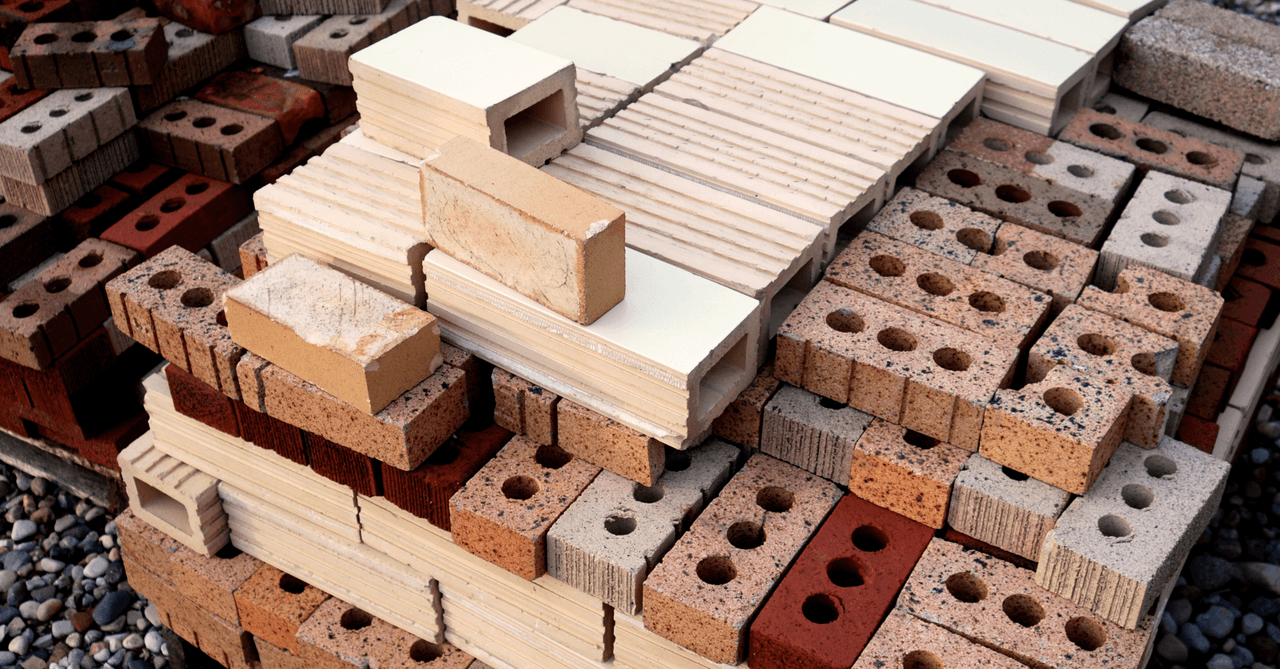
In times like these, many industries have been challenged by the pandemic. Unfortunately, the construction industry wasn’t spared the turmoils, which resulted in the rising prices of construction materials.
As a contractor, it’s only natural to have some concerns about this situation and the resulting fallout. So, without further ado, here’s everything you need to know about the subject matter.
What You Need to Know About the Rising Costs of Construction Materials
Source: Canva
Why are the prices spiking?
Though we can easily admit that the pandemic is narrowly linked to the rising prices of materials, let it be explained why this particular situation is responsible for this significant variation. Since everything is just a matter of supply and demand, one has to keep in mind that a lot of people were waiting on the sidelines, killing time during this period of confinement and economic setback.
What’s more, the lack of spending resulting from people working remotely (fewer meals at restaurants and lack of transportation costs) and the limited entertainment options enabled homeowners to have the necessary funds to execute some renovation projects.
That’s why a lot of homeowners seemed to have been tempted by undertaking much-needed renovations, thereby increasing the demand for lumber. This substantial request originating from the market combined with the decline of production explains this spike in the price of lumber.
Which materials were hit?
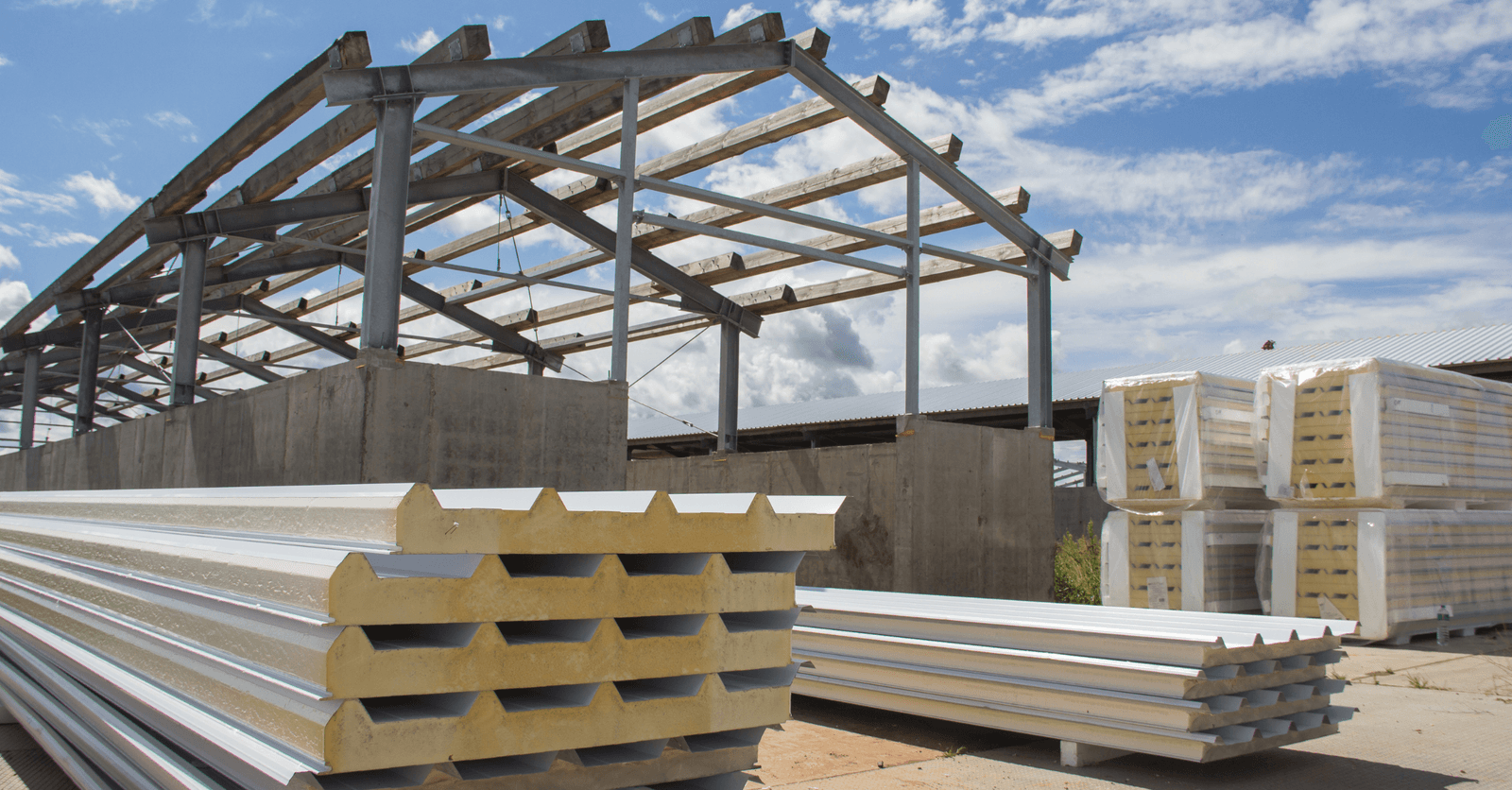
For the most part, lumber has seen a considerable spike in prices over the last few years. As such, wood beams, columns, and studs have seen a hike in prices by about 70% between December 1st, 2019 and August 1st, 2020. As for plywood panelling, prices have increased from 54% to 84%, and about 73% for two by fours. Generally, it’s believed that right now, lumber is actually 23% more expensive than it was in June 2018.
What about materials used in bulk during the course of a construction project? As for roofing shingles, various insulation materials, or gypsum boards, there has been no noticeable inflation.
The Consequences of Inflated Construction Material Costs
The good news is that the price hike didn't affect all materials. Nonetheless, it's still grounds for mild optimism.
In fact, keep in mind that 10% of the cost of a property is directly linked to lumber (up to 20% for an apartment building), given that it’s absolutely necessary to have it on hand for a large part of the project. Surely, you can’t deny that the inflated prices for lumber will have an impact on new constructions.
Aside from the impact on overall costs of new constructions, one can also question how this will in turn affect the lumber supply in itself. On this front, it seems that there's still uncertainty, despite the fact that scarcity is unlikely, as some of it is put aside for contractors.
What if the contracts have already been signed?
Source: Canva
Contracts with a Price Change Clause
The increase in construction costs brings forth a lot of questions in regard to renovation contracts. Without a doubt, contracts that have yet to be signed can reflect inflated prices. Although this situation doesn’t necessarily cause a problem, what about contracts that have already been signed?
To answer this question, we’ll start off by stating that certain contract models elaborated by the APCHQ (the association of construction and housing professionals in Quebec) contain a clause stipulating that the purchase price may have to be changed for one reason or another.
This clause stipulates that if there’s a rise in construction costs (whether resulting from the increase in material costs or a change in work conditions), the fixed price established in the contract can be modified under the strict condition that the surge can be justified to the client by way of supporting documentation. Once the evidence has been presented, the client has 15 days to sign the document agreeing to the new price.
Clause-Free Contracts
If the contract doesn’t feature a clause, one will then have to turn to the Civil Code of Québec. The terms and conditions concerning price amendments will vary based on the type of contract. Here’s what applies to the following contracts:
Estimated Contract Price: the price can be changed if the surge of prices couldn't have been predicted at the time of signing;
Unit Price Contract: making a change is possible since the price is based on the current market price of the work;
Promise to Purchase Contract: no changes are permitted;
Lump Sum Contract: no changes can be made.
Finding Alternative Materials for Your Clients
It’s more than normal to worry about your client’s reactions when they’re presented with inflated construction material prices. Nonetheless, note that several options are available to you if you wish to minimize the impact it’ll have on them.
In fact, you can start by planning on using alternative materials like high-density OSB panels (oriented strand board) instead of standard drywall panelling, for example. Besides, note that you can always consult with the APCHQ if you’re doubtful as to whether certain materials can be substituted for others.
In some cases, reducing the magnitude of the work planned is a must. Albeit this can absolutely be disappointing, you can still find other ingenious ways for the project to remain in that acceptable price range.
Get new contracts for your renovation company
RenoQuotes.com can help you get new contracts. We get new project proposals from clients seeking top-rated and trustworthy renovation professionals like yourself. To get started, simply fill in the form on our homepage (it only takes a few minutes) and receive information regarding potential clients by way of our services.
Dial 1-844 828-1588 to speak with one of our customer service representatives.
Looking for something else?
Related articles
The latest industry news, interviews, technologies, and resources.

Editorial Team
•15 Aug 2025
Inflation significantly affects several economic sectors, and the renovation industry is no exception. Whether it be minor or major repairs or remodels, when the cost of materials, supplies, and services increases, it becomes much more difficult for homeowners to carry out renovation projects as intended.

Cynthia Pigeon
•19 Aug 2025
Whether you are a specialized or general contractor, the success of your business is something you hold on to dearly. As a matter of fact, the ability to swiftly and judiciously collaborate is essential to carrying out any project.
Cynthia Pigeon
•08 Nov 2023
Even though your garage’s primary function is to shield your vehicle(s) from adverse weather conditions, it can also be used for storage. However, before long, you'll need to optimize your space as more items will start to pile up. As such, there are many things to consider regarding overhead storage in your garage. Overhead garage storage is one of the absolute best ways to keep your space clutter-free, while also maximizing its use. And, you'll soon notice just how much of a difference this alternative makes!

Editorial Team
•04 Jul 2024
All homeowners dread plumbing issues of any kind, whether due to resulting damage or repair costs. Issues concerning drain pipes certainly instill a legitimate fear in everyone, albeit there are various ways to solve such problems, and hiring a plumber right off the bat isn't always a necessity. However, beware as some quick fixes might result in further pipe damage.

Cynthia Pigeon
•29 Jun 2026
Aging in place is a priority for many Quebec seniors and people with mobility limitations. Staying at home, in a familiar environment, provides an unmatched sense of comfort and stability. However, the family home can sometimes present hidden hazards, and the bathroom is often one of the riskiest rooms. With its slippery surfaces and physical obstacles, it can quickly become a stressful space as independence decreases.