Renovation Projects Requiring the Expertise of an Engineer
By Editorial Team
Updated on July 23, 2024

When it comes to large-scale renovations, there is plenty of potential to build in a way that enriches the lives of your family and loved ones. Of course, not everyone is well-versed in the inner workings of home renovation. If the project is too big to tackle as a DIY job, you might be considering who you can hire to help things run as smoothly as possible. Working with an engineer will offer a way to avoid mishaps and make sure that the structure of your home isn't compromised.
Now, not every home renovation is going to require an engineer for it to happen. Luckily, in this article, we’ll offer the renovations where you should definitely be working with an engineer as well as the reasons behind it.
What Is a Structural Engineer?

Source: Canva
A structural engineer has an extremely well-rounded skill set, an expert in the inner workings of buildings. They understand the construction process, the durability of materials as well as the strength and longevity of a structure. On top of this, they can tell you how safe a building is while also drawing up plans that detail specifications for the project including material suggestions and design calculations.
Even though the structural engineer is almost a jack of all trades, there are many different types and specializations within this field of work. Since this article is considering home renovation, when hiring a structural engineer you’ll want to work with someone who specializes in residential projects.
When Do You Have to Hire a Structural Engineer?
Many different renovation projects will require the expertise of a structural engineer. The main instances where you’ll want to hire one is when you’re looking at altering or expanding a building, and more specifically, projects that might compromise the stability of a building, In most cases, a structural engineer will work in tandem with a contractor or architect and offer calculations and drawings. Deciding whether or not you need to work with an engineer will really depend on the nature of the project, but here are some examples of projects that could definitely use the guidance and expertise of one.
Building a home extension or addition
Removing or modifying internal walls
Altering doors and windows
Underpinning floors
Adding solar panels
Although this seems like a small list, it’s best to remember that if you’re changing the structure of your building or property in any way, an engineer must be consulted. An important note is that projects like those listed will require you to apply for a permit. If the project is quite complex, the permit applications will require technical information from an engineer. Thus, once you’ve narrowed down the project you’re going to take on, do some research regarding the rules within your municipality.
Removing a Wall
Even if you think it’s going to be an easy task, removing an interior or exterior wall is challenging and dangerous. Accidentally removing a load-bearing wall will compromise the entire structure of your house, and this is a risk homeowners should not be willing to take, let alone it compromises the safety of all those living under your roof. For the removal or the inspection of a load-bearing wall, you must work with a structural engineer. They will be able to design a new beam which will work to replace the carrying capacity of the wall. Removing or moving a load-bearing wall could also mean replacement bracing walls will also be required.
When Is the Expertise of an Engineer NOT Needed?

Source: Canva
As we mentioned, structural engineers usually work in tandem with someone who does the actual building, demolition or removal. However, some jobs might seem like they need the advice of an engineer when they actually don’t. The most common misconceptions are as follows:
Structural engineers will not remove wall or ceiling lining to look for damage beyond the immediate structure. This is because they’re likely to do a visual inspection only and are likely to miss something major.
Many believe that working with an engineer means you’re automatically granted a permit for your renovation. This is not the case and the drawings provided will need to be submitted to your municipality along with a permit application.
An engineer will be able to look for damage as well as notice specific signs if there’s something wrong with the structure of your home. However, they are not able to see through walls. Unless what they’re inspecting is accessible, so make sure they’ll able to see the potential problem.
Get 3 quotes for your home renovation project
RenoQuotes.com can help you get quotes for your home renovation project. By submitting your project, we’ll put you in contact with top-rated contractors. Fill in the form on the homepage (it only takes a few minutes) and get estimates from trusted professionals.
Dial 1-844 828-1588 to speak with one of our customer service representatives.
Looking for something else?
Related articles
The latest industry news, interviews, technologies, and resources.
Amanda Harvey
•08 Nov 2023
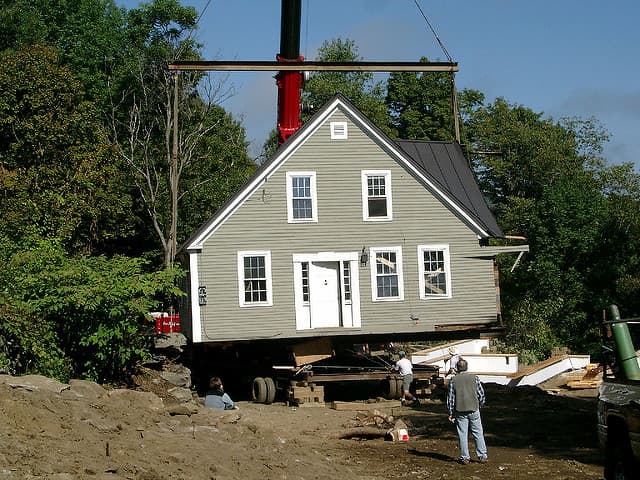
You may have found your dream home, one that ticks all the boxes regarding what you’re looking for. But what if this home rests in a place that you’re not drawn to? The only option would be moving the house itself!

Editorial Team
•08 Nov 2023
Spring is just around the corner, and this makes it the perfect time for planning out your garden, backyard and front lawn. If you’re working with plenty of space or you’re looking to investigate a little further into the potential of your property including growing your own vegetable and fruit garden, then you could be interested in working with a horticulturist. A horticulturist can help you plan and design a garden or recreational area with the idea of preserving natural resources.
Cynthia Pigeon
•08 Jun 2026
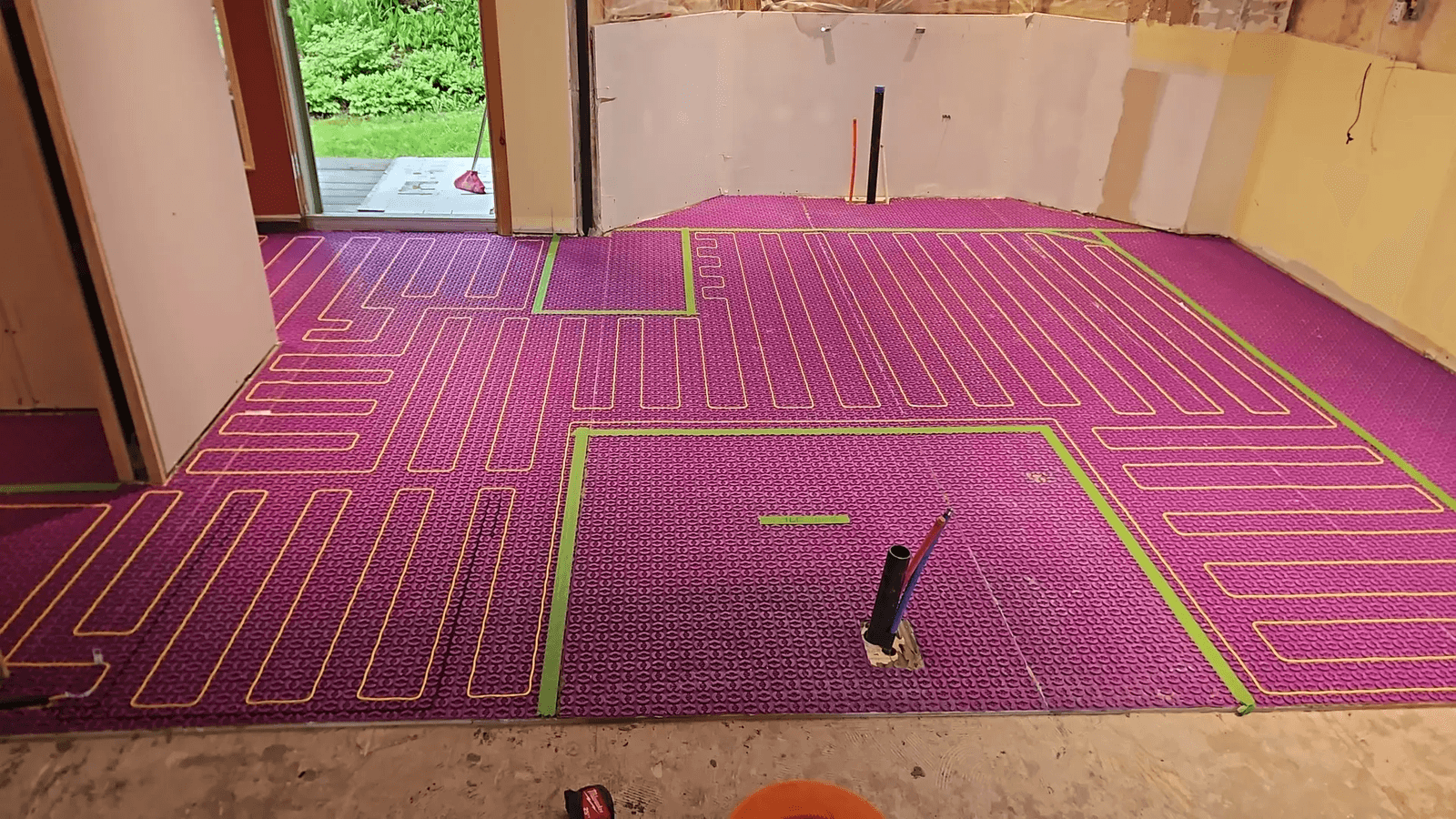
Quebec winters are unforgiving. When the temperature drops below -20°C in Montréal, Québec City or Saguenay, thermal comfort becomes a top priority for homeowners. Stepping onto freezing ceramic tile after a shower or while making your morning coffee is an unpleasant feeling that many households choose to eliminate. This is why electric floor heating has become increasingly popular during residential renovation projects. It provides gentle, even and enveloping heat, while optimizing living space by eliminating the need for bulky baseboard heaters.

Léa Plourde-Archer
•08 Nov 2023
The last article about our renovation project was published in early December. We had started making major purchases, especially for the kitchen and flooring. Even though we haven't shared any news since then, this doesn't mean that nothing has happened!
Amanda Harvey
•03 Nov 2025
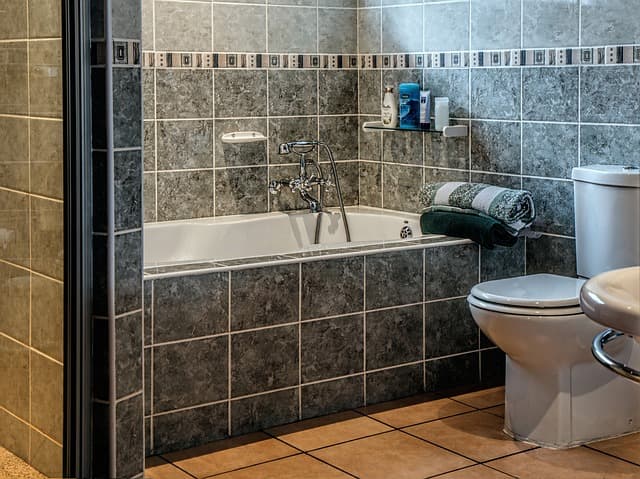
Tiles come in all kinds of colours, shapes and sizes, keeping bathroom floors waterproof and beautiful. However, like any home surface, they need proper maintenance to uphold their elegance while preventing cracking, mould or mildew growth.