Smart Electrical Panels in Canada: Costs, Benefits and EV Integration in 2026
By Cynthia Pigeon
Updated on May 1, 2026
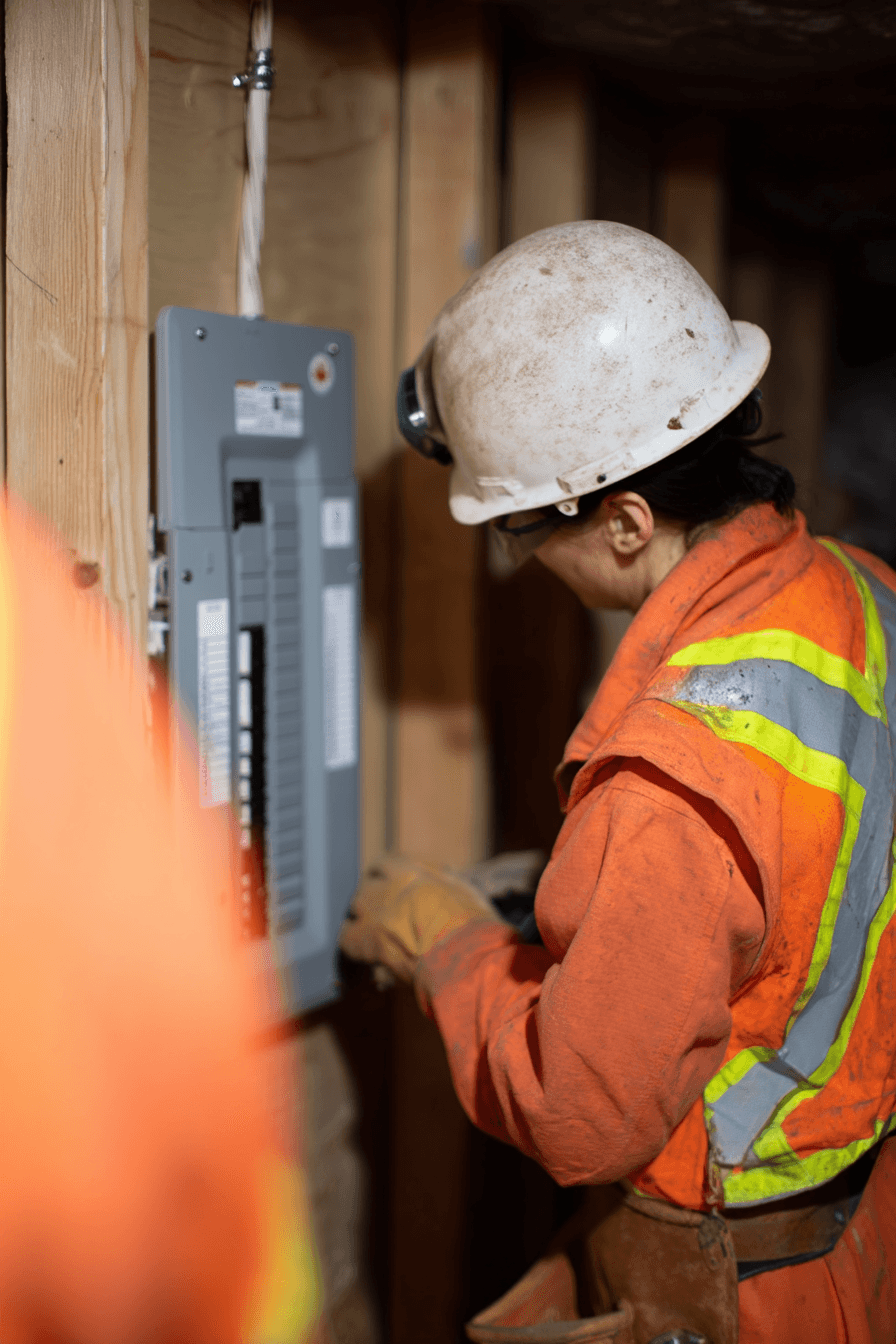
Upgrading to a smart electrical panel can help monitor energy consumption, prioritize loads, and better integrate an electric vehicle (EV) charger or solar panels. However, it does not always eliminate the need for a full electrical service upgrade. By intelligently managing loads, these systems can optimize your electricity costs during peak demand periods and enhance protection against overloads.
Smart Electrical Panels in Canada: Optimize Your Home and EV Charging
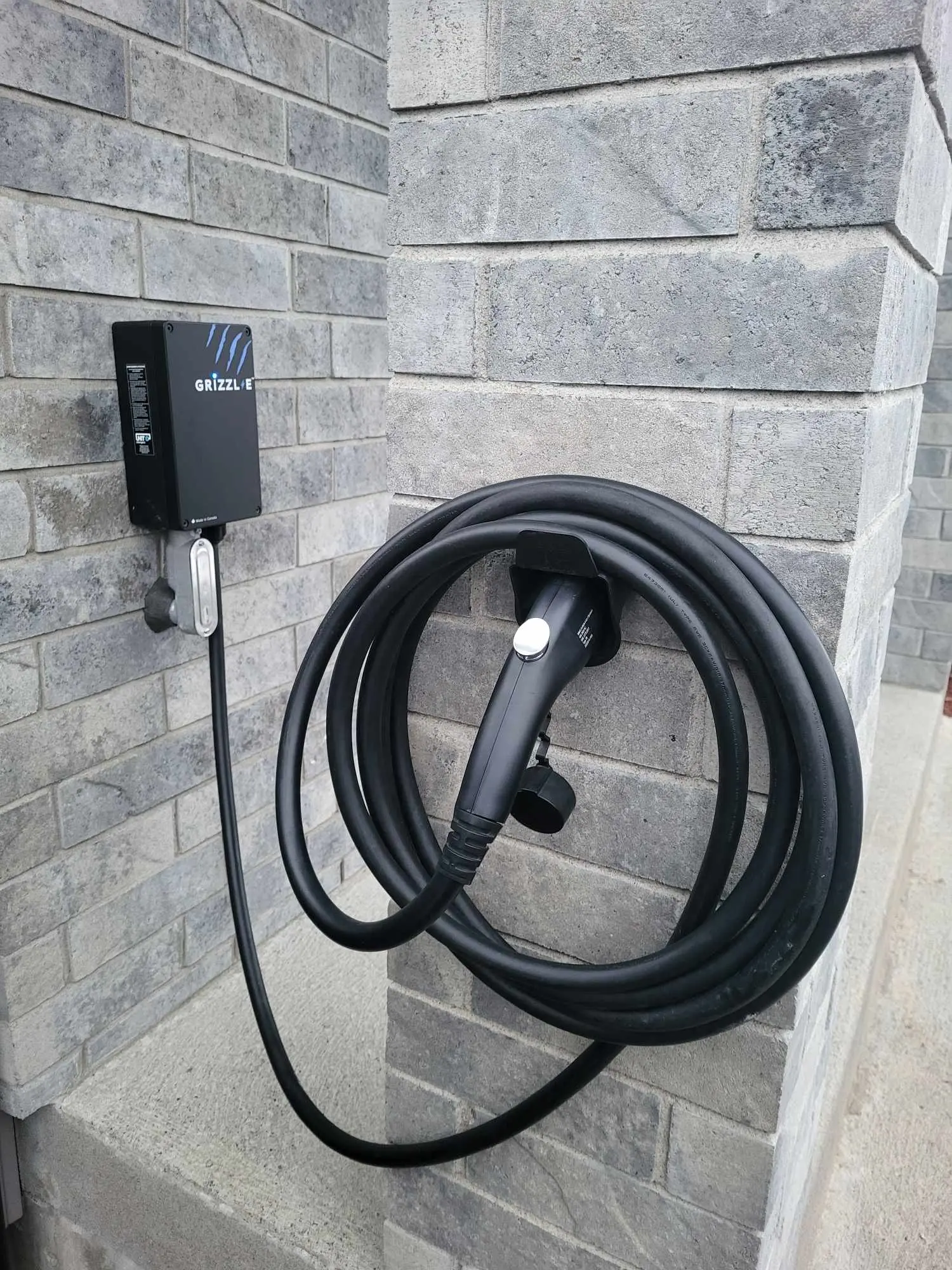
Source : Cutting Edge Group Inc
Across Canada, the energy transition is no longer theoretical—it’s happening in real time. With rapid EV adoption and growing interest in solar self-consumption, residential electrical systems are under more strain than ever. Traditional electrical panels, while reliable, remain passive systems that simply distribute power until a breaker trips.
Upgrading to a smart panel transforms this infrastructure into a digital control hub. For Canadian homeowners, this is not just a home automation upgrade—it’s a strategic investment that improves property value and adapts your home to cold-climate energy demands. Imagine being able to monitor, control, and automate every circuit in your home from your smartphone, while protecting high-load appliances from grid fluctuations.
What Is a Smart Electrical Panel?
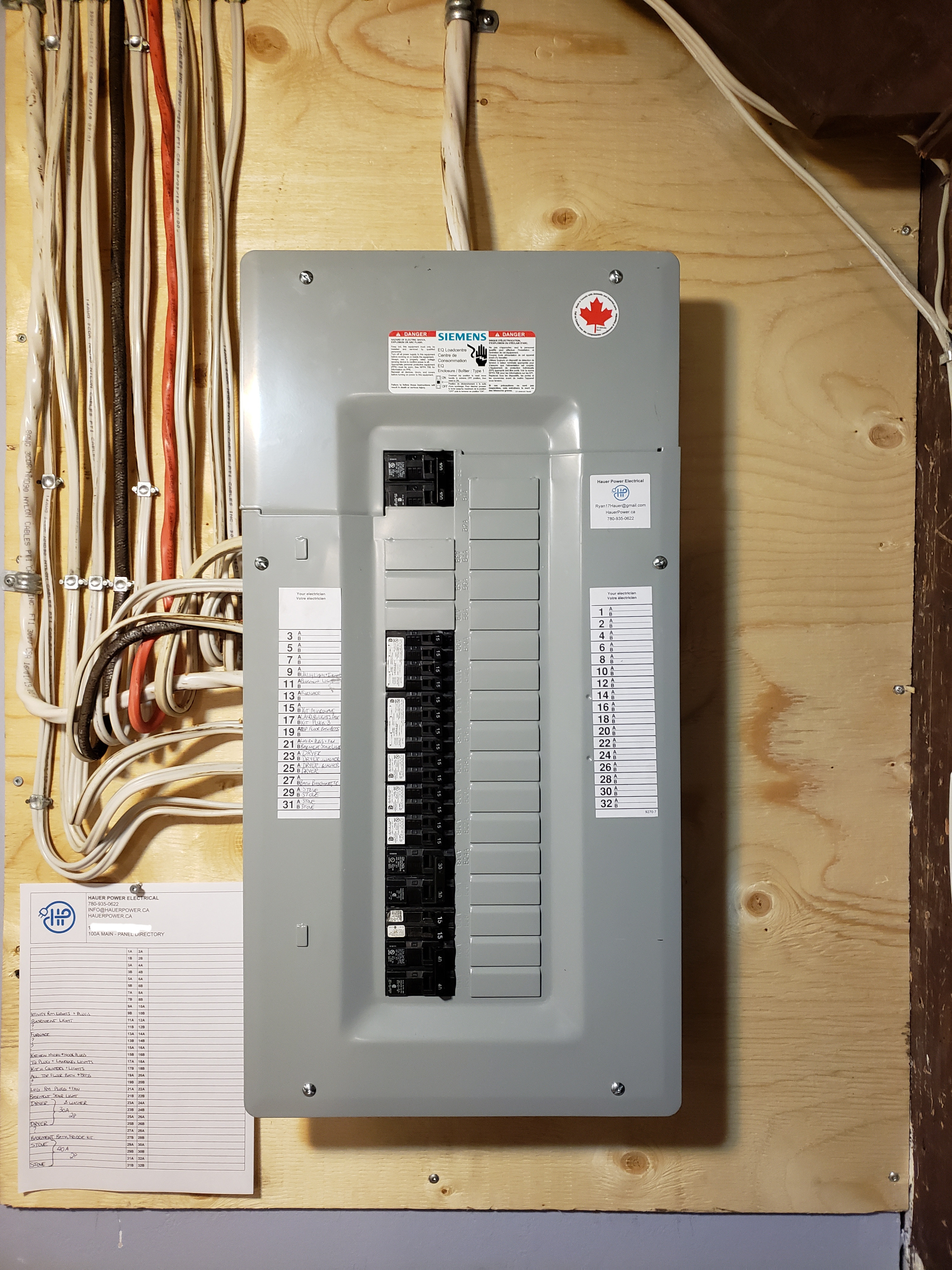
Source: HAUER POWER ELECTRICAL INC.
Unlike a standard panel, a smart panel replaces or enhances traditional breakers with connected components equipped with sensors and wireless communication (Wi-Fi or Bluetooth).
While a conventional panel simply cuts power during overloads, a smart panel analyzes consumption at the circuit level (heating systems, water heater, EV charger, appliances). It allows you to:
Track energy use in real time: Know exactly how many watts your dryer or HVAC system consumes.
Control circuits remotely: Turn circuits on or off from a mobile app, whether you’re at work or away.
Automate load shedding: Temporarily reduce or shut off non-priority loads to free capacity for critical needs.
In Canada, brands like Lumin and Span are redefining residential energy management, replacing outdated panel labels with intuitive digital interfaces.
Why Install a Smart Panel for Your EV?
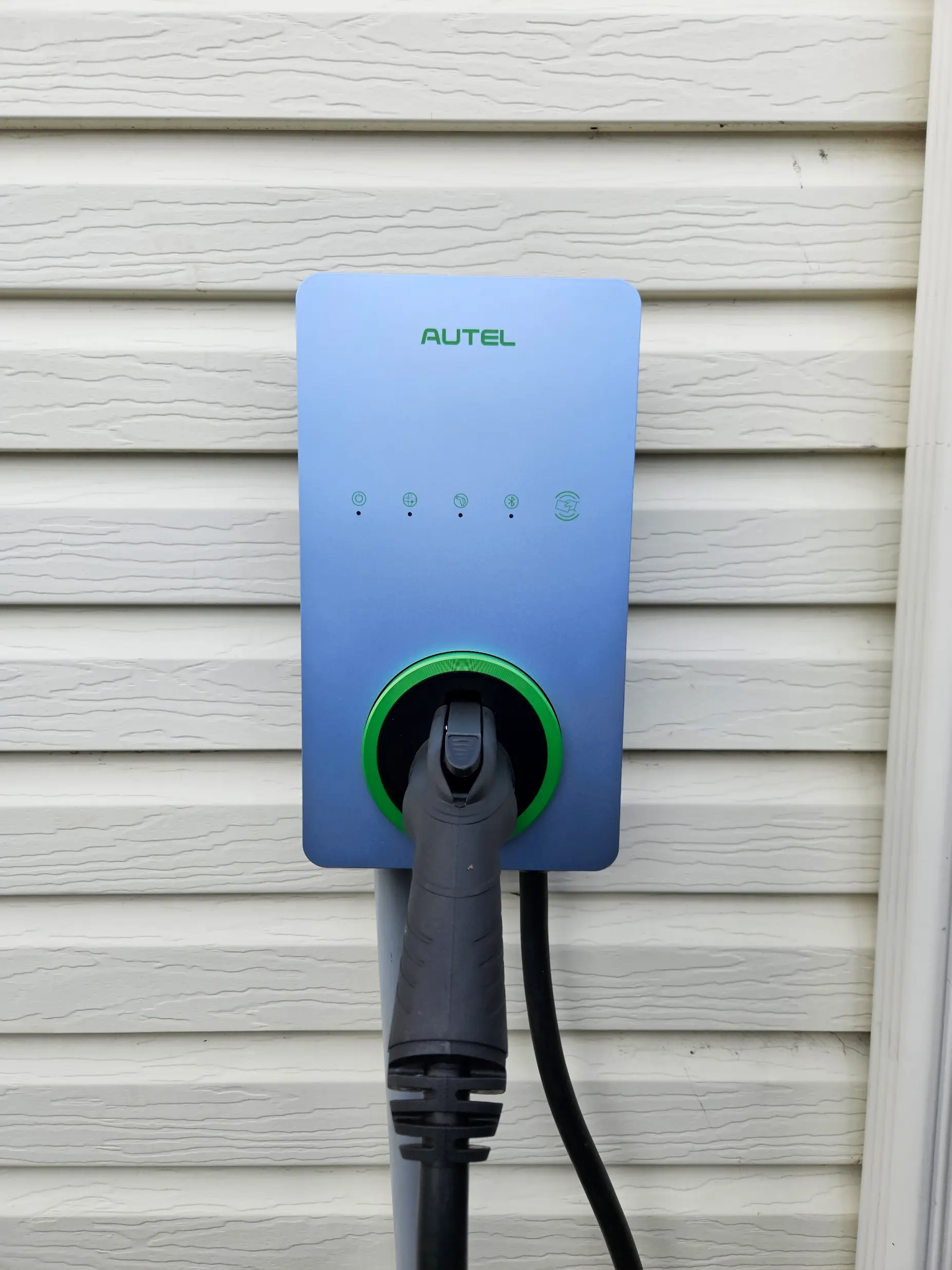
Source: Electricité LR inc.
For many homeowners, buying an EV triggers a reassessment of their electrical capacity. A Level 2 charger typically draws between 32 and 48 amps. If your home already includes electric heating, a large water heater, or a hot tub, a standard 200-amp service can quickly reach its limit—especially during Canadian winters.
This is where dynamic load management becomes critical. A smart panel acts like an energy conductor: it monitors total household demand and adjusts loads in real time. For example, if you plug in your EV while your furnace and heat pump are running at full capacity, the system can temporarily reduce charging power or pause it entirely until demand drops. The result: safe EV charging without tripping the main breaker.
Avoiding a Costly Service Upgrade
One of the most compelling financial advantages of a smart panel is avoiding an upgrade to 320A or 400A service. In most provinces, increasing your electrical service capacity involves coordination with your local utility provider (e.g., Hydro-Québec, BC Hydro, Hydro One), along with significant infrastructure and labour costs.
By optimizing your existing 200A service, a smart panel provides a more efficient alternative to traditional load controllers. Instead of managing a single device, it balances the entire home—making it a smarter long-term investment than simply upgrading wiring and service capacity.
Solar Integration and Energy Independence in Canada
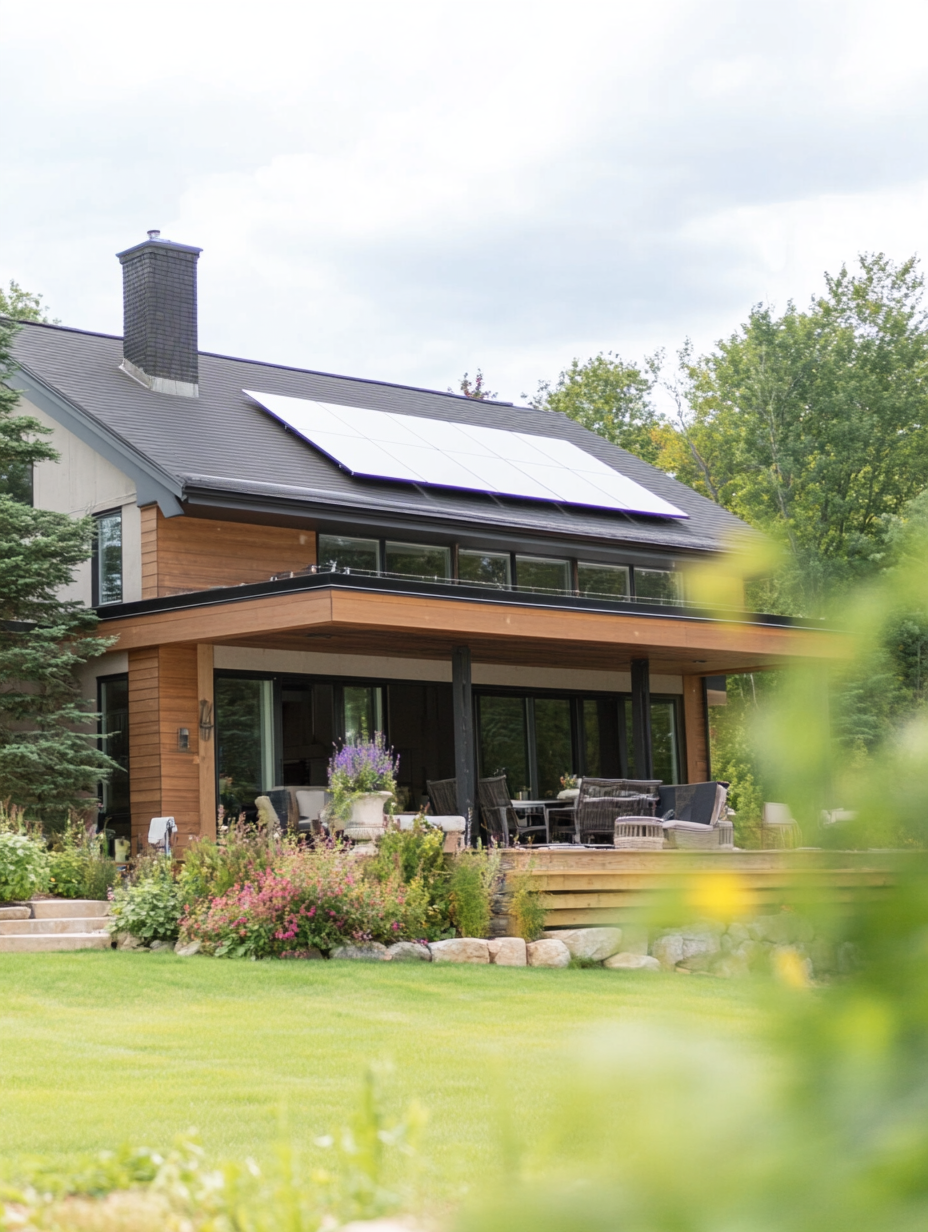
Source: RenoQuotes
For homeowners investing in solar panels, a smart panel becomes a key integration tool. Across Canada, solar adoption is growing, but managing excess production and battery storage (such as the Tesla Powerwall) can be complex.
Smart panels simplify this by:
Optimizing battery usage: During outages, the system prioritizes essential circuits (refrigeration, internet, lighting) to extend backup duration.
Maximizing self-consumption: Directing excess solar energy to your EV charger or other loads instead of exporting it to the grid, depending on your province’s net metering structure.
Energy Savings During Peak Demand Periods
Canadian electrical grids face significant strain during peak winter periods. Many utilities now offer demand-response or time-of-use pricing programs.
A smart panel allows you to take full advantage of these:
Automated scheduling: Reduce or shut off high-consumption systems, like heated floors or your electric car charger, during peak pricing hours.
Demand response integration: Some systems can respond automatically to utility signals, thereby transforming your home into a proactive smart unit.
Consumption analytics: Identify phantom loads and optimize usage patterns, potentially reducing monthly electricity bills by 10% to 15%.
To explore available programs, consult your provincial energy provider or resources such as Natural Resources Canada.
Installation and Compliance: What You Need to Know
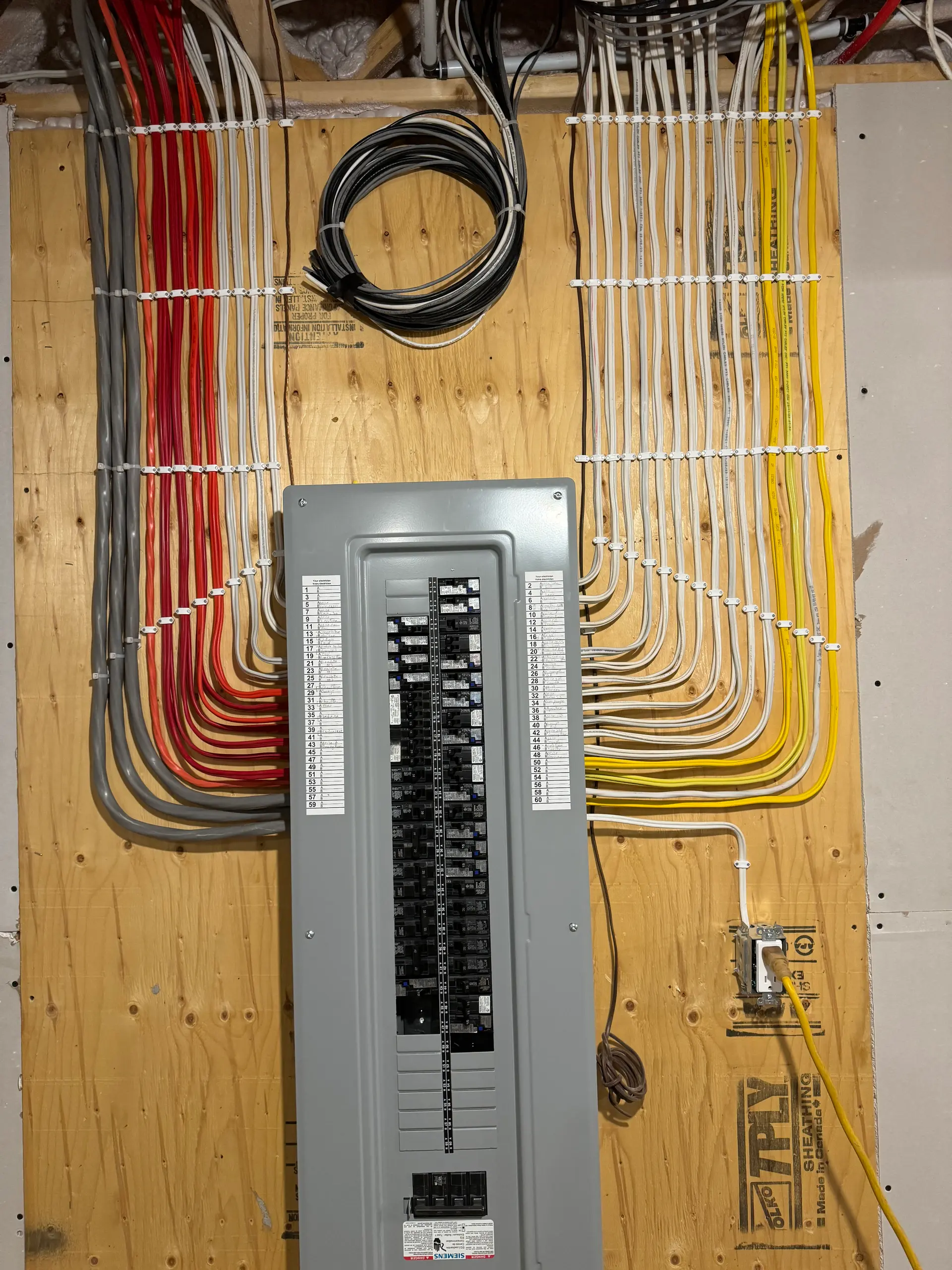
Source: VL electrique inc.
Upgrading an electrical panel is not a DIY project. Across Canada, electrical work must be completed by a licensed electrician and comply with the Canadian Electrical Code, along with provincial regulations.
Standards and Safety Requirements
A qualified electrician will ensure:
All connections are safe and weather-protected.
Proper grounding and bonding are in place.
Load balancing across phases is optimized to prevent premature equipment wear.
Depending on your province, permits and inspections may also be required by local authorities or electrical safety organizations.
Incentives and Financial Support
Incentives vary significantly by province and program cycle.
For example:
EV charger rebates are available in provinces like British Columbia and Quebec (Roulez vert program).
Some programs may include incentives for load management or smart energy systems.
Federal programs and grants may apply depending on your retrofit scope.
It’s essential to verify eligibility through official sources such as provincial energy agencies or Natural Resources Canada. Always keep invoices and confirm that your equipment and hired professional meet program requirements before installation.
Plan Smart to Save More
Careful planning is what separates a controlled investment from unexpected cost overruns. By comparing materials, requesting detailed quotes, and working with certified professionals, you gain full control over your project. Every step—from system design to installation—plays a role in long-term performance and cost efficiency. A smart panel is not just about technology. It’s about taking a holistic approach to your home’s energy system—improving durability, efficiency, and peace of mind for years to come.
Looking for something else?
Related articles
The latest industry news, interviews, technologies, and resources.
Cynthia Pigeon
•08 Nov 2023
Progress, innovation, and environmentally friendly concepts are all part of the current culture in various industries, and the real estate industry is no different. When it comes to architecture, the possibilities are now only limited by your imagination.

Editorial Team
•08 Nov 2023
Insulation is a key step during the building or renovation process of a house. Nowadays, environmentally-friendly insulation materials have become essential elements, working to ensure the thermal comfort of a building’s occupants whilst saving energy alongside the environment.
Cynthia Pigeon
•16 Apr 2026
To ensure safe aging in place in Canada in 2026, a home should follow widely recognized VisitAble (or VisitAbility) accessibility guidelines. These include a step-free entrance (threshold under 13 mm), doorways with a clear width of about 800 mm, and a main-floor bathroom with a turning radius of approximately 1,500 mm. While these are best-practice recommendations—not mandatory national standards—they significantly improve safety and mobility.
Cynthia Pigeon
•08 Nov 2023
Progress, innovation, and environmentally friendly concepts are all part of the current culture in various industries, and the real estate industry is no different. When it comes to architecture, the possibilities are now only limited by your imagination.

Editorial Team
•05 Dec 2025
Are you lucky enough to have a bathroom right off your master bedroom? To turn this space into a little oasis that instills rest and relaxation, and which you can enjoy after a hard day’s labour, a little inspiration wouldn’t hurt! Here are a few inspiration-fulled examples.