
For anyone hoping to add a natural look to the facade of their home, stone veneer is an excellent exterior material that provides good insulation and increases resistance to harsh weather conditions such as rain and snow. If that is what you are considering, several easy-to-use products are available.
Get Your Project Started Today
Submit your details and receive three free quotes from trusted contractors.
Precautionary Measures for Installing Stone Veneer
Source: Canva
First and foremost, start by securing the corners, regardless if you are installing the stone veneer with adhesive mortar or screwing it down with steel fasteners. Note that it is not advisable to start laying the stone without first securing the corners.
The first step will be to carefully measure the area to be covered with stone and then convert the measurement into square feet as product instructions are in square feet.
Having familiarized yourself with the preliminary precautions before moving forward with the project, allow us to dive deeper, and survey the different installation options based on your needs and skills set.
Check out our related article about interior wall veneer. Learn about the pros and cons, available options, and their price points.
Screwed-On Stone Veneer
Source: Canva
For this type of project, you will need the following tools handy:
Measuring tape;
Level
Rubber mallet;
Electric drill;
Grinder with masonry wheel.
Most hardware stores carry stone veneers, which can be used without the need for a professional. The best way to install this material is by placing it against the intended wall, and with the help of steel fasteners, screwing the top. Some siding comes with pre-installed steel fasteners, making installation even easier. Note that stone veneer can vary in size, colour, thickness and quality.
When it comes to installing stone veneers, make sure you are level from the get-go! If you are not, the veneer will sit at an angle. And, since stone veneer is designed to create a brick-like straight effect, this demarcation will be immediately apparent.
The upside is that a screw-in stone veneer installation is less permanent than a mortar veneer, so you can start over if you realize you are not level, but it does fritter away time.
In such a case, the process is quite simple: start by establishing the base of the work, then proceed with the top and bottom openings such as doors and windows. Toward the end of the project, once you are working on the last row, you may not need a complete stone. If this occurs, measure where the stone will need to be cut with the help of a masonry blade.
Adhesive Stone Veneer
Source: Canva
For this process, you will need the following tools handy:
Mortar adhesive;
Concrete panels, depending on the wall;
Wire mesh;
Trowel;
Bucket to mix the adhesive mortar;
Measuring tape;
Sponge;
Grinder with masonry wheel.
For an adhesive installation, the stone is not glued directly to the wall in question. First, you will have to lay a concrete panel and fill the joints between the panels with fibreglass tape and adhesive mortar.
If mounted directly on drywall, avoid placing the concrete panels on top of the mortar, as this can damage the drywall. Instead, you will need to screw on a plaster base or wire mesh to which you will apply the mortar with a straight trowel and let it dry for 24 hours.
Next, you can lay the stone by troweling the adhesive mortar onto the surface of the stone and smoothing it over the area. If any mortar gets on the stone, immediately wipe it off with a dry sponge, at the risk of diluting the mortar.
This method is time-consuming and skill intensive, but the result will be seamless and permanent. So, if you are interested in this option, contact a certified masonry company as they will be able to walk you through the process.
In a Nutshell
A stone veneer installation can be easy, provided you have the right tools to proceed correctly.
The most important factor to keep in mind is to start off accurately, making sure you stay level, to avoid winding up with a poorly installed wall covering.
Adding stone veneer is a durable way to give your home a modern look, and if properly installed, it also provides good insulation.
Should you prefer to go ahead with an easy-tackle method, opt for a screw-on installation, but note that an adhesive installation greatly reduces the risk of errors.
If you are interested in knowing the medium prices per square foot of different exterior sidings, check out this article:
Looking for something else?
Related articles
The latest industry news, interviews, technologies, and resources.

Editorial Team
•04 Jul 2024
Laser welding is a state-of-the-art technology revolutionising the welding industry. This article will delve into the intricate details of this precision technology. Learn how a laser welding operation yields unique benefits compared to other, more conventional, methods.
Amanda Harvey
•23 Jul 2026
As we know all too well, renovating a home can be extremely costly, not to mention a stressful and time-consuming process. Not everyone is able to spend the necessary funds on projects they may want or need to carry out. Luckily, across Canada, there are several options in the realm of funding, subsidies, tax credits, and grants that can be applied to your province-specific home renovation project.
Cynthia Pigeon
•08 Jul 2026
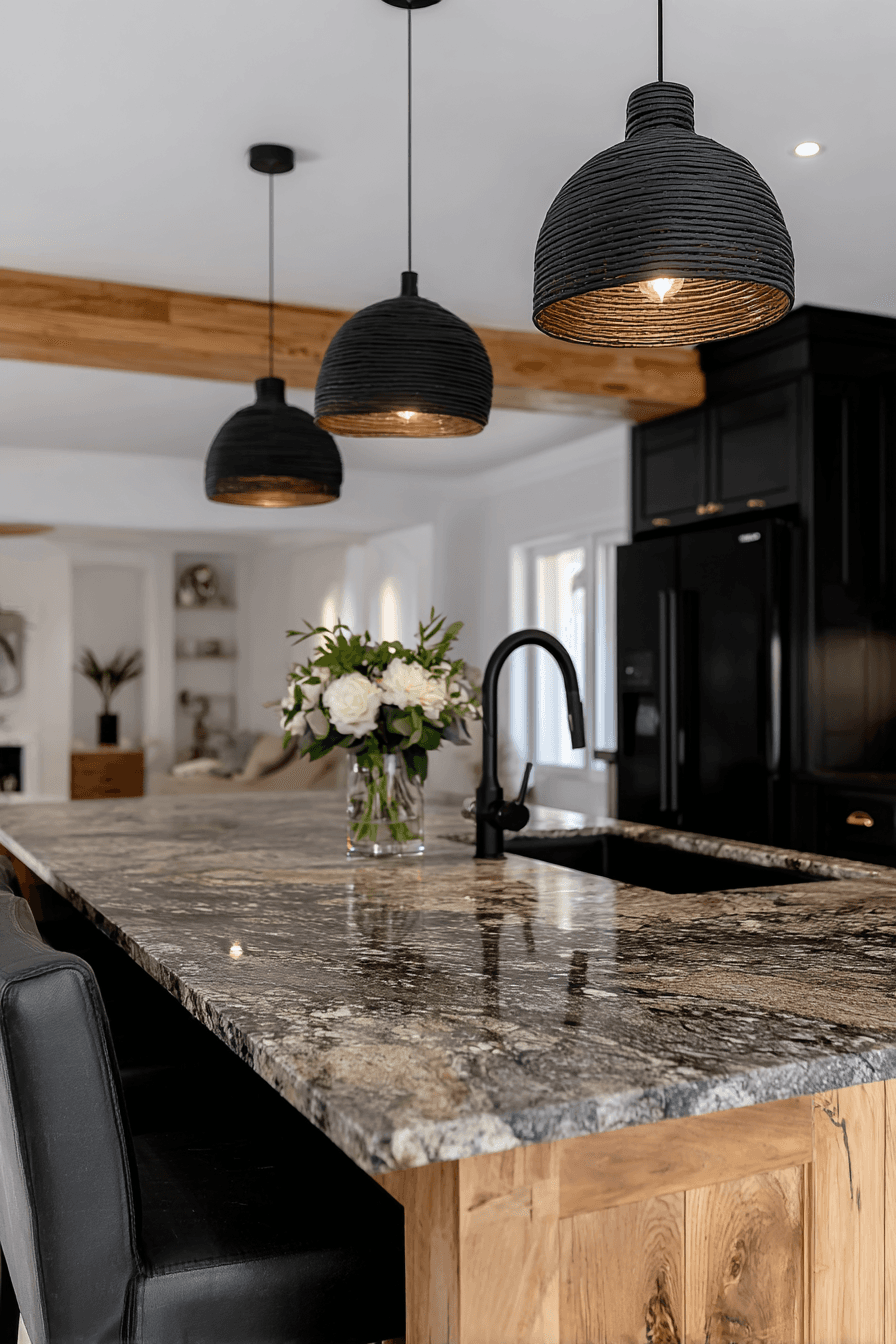
Renovating a kitchen is one of the most valuable and unifying residential projects for Quebec homeowners. The addition of a large central island equipped with a sink and dishwasher has become a highly sought-after layout for improving both the conviviality and ergonomics of the living space. However, bringing drinking water — and especially draining wastewater — to the middle of a room creates major logistical challenges.
Karine Dutemple
•16 Jun 2026
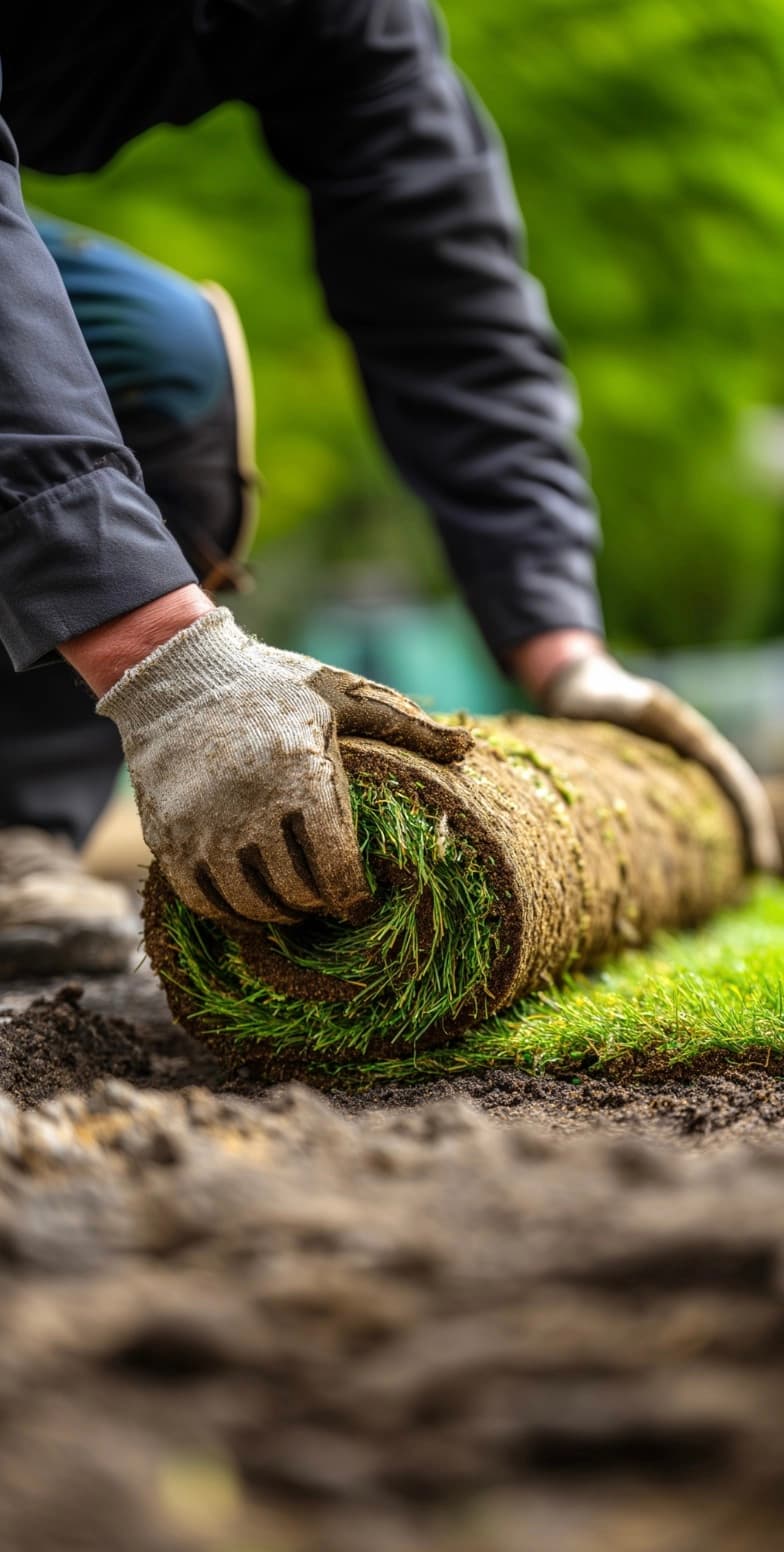
You’re looking at your yard with disappointment? Sod patches can quickly give a fresh new look to that tired lawn that’s been getting you down.

Amanda Harvey
•08 Nov 2023
Oftentimes on the blog, we discuss decor and design trends but we usually focus on the home front. This allows our readers to find inspiration to create the perfect layout for their interiors and exteriors. But what about those looking for ideas for their business?