Methods Used to Stabilize and Improve Your Home's Structural Integrity
By Editorial Team
Updated on July 24, 2024
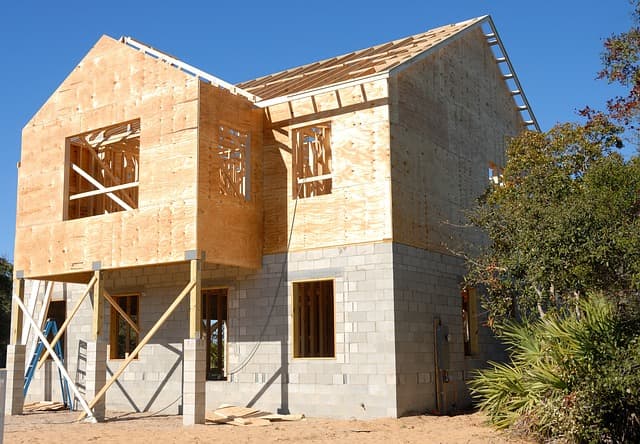
If your house’s foundation or frame was built years ago, chances are, either one may be nearing the end of its service life. The weakening of your home’s structural integrity can manifest as corroding steel, cracking concrete, and spalling.
As a result, your house could end up in such a state that solely a structural assessment can determine exactly what measures should be taken to salvage its structure and fix the issues at hand.
Along the way, you may be faced with several challenges, such as assessing and implementing different effective methods in order to cope with the structural damage to your home. And, there’s unfortunately no such thing as a trouble-free fix.
The process of repairing structural damage can be quite complex but, to avoid unsafe environments and creating additional issues, it’s best not to postpone or delay repairs. So, if you’re ready and willing, keep reading!
Guidelines for Improving Your Home’s Construction Integrity
Examples of Structural Repairs vs. Reinforcements

Source: Pixabay
When dealing with a building repair, most homeowners are met with terms such as “structural repair” and “structural reinforcement.” While both terms are nearly identical, they define very different renovation concepts. If your home is in dire need of structural repairs, then it outlines the process of rebuilding and remodelling the structural components of your home.
This process involves determining the root cause of the damage and finding the right methods and materials to extend your property’s longevity.
As for structural reinforcement, it refers to the process used to improve the structural integrity of your home as it will improve the structure’s overall performance against existing loads, further improving its load-bearing capacity. Oftentimes, this will involve hiring an engineer, and contractors even, given that the structural integrity of your home will have to be meticulously studied to uphold additional loads.
Besides, reinforcing or removing select structural components is an extremely risky job. Therefore, your home’s structure must be studied and analyzed in order to determine how repairs may potentially affect the structure as a whole.
Should you fail, as a residential builder owner, to understand the proper functioning and purpose of your home’s structure, given that its various structural components may be subjected to additional loads, bigger problems, including site-specific defects, may now come into play.
Concrete Repair
Albeit concrete is a material characterized by its great durability, houses built atop such foundations have limited longevity. Depending on weather conditions and exposure to hard chemicals, including deicing salts and cleaners, the concrete used to build the foundation can deteriorate more rapidly. Said deterioration can manifest in a plethora of ways, including steel corrosion (rebar), concrete spalling, delamination, and cracking.
Concrete expands due to forces of nature, thus resulting in rust. Said swelling causes internal pressure that will eventually lead to cracking. If such occurrences aren’t caught early, corrosion or cracking will develop rapidly and may lead to more significant problems and could very well jeopardize the interior integrity of the house.
Additionally, your house may require some repairs or upgrades to strengthen its load-bearing capacity. Note that structural reinforcements may be necessary for an array of reasons, including environmental factors, added loads, as well as design or construction errors.
Prior to undertaking any renovations, hiring a concrete repair expert, or a reliable foundation contractor, is highly recommended to determine the root cause of the issue. It’s a crucial part of the process that is, too often, gone about incorrectly, risking the need for further work to be completed afterwards.
How Can Your House’s Structural Stability and Integrity Be Improved?

Source: Pixabay
There are several methods used for repairing structural concrete components, including adding extra reinforcements, focusing on the exterior faces of the structure, waterproofing systems, and post-tensioning work—or a combination of all methods listed. Below is an in-depth look into these methods, so you can choose which is best suited to your home.
Additional Reinforcements
This method of structural strengthening involves adding extra bracing or steel reinforcements beneath the existing structural supports. Concrete and steel rebar are commonly used materials to bridge gaps between existing structural components, making for a simple and effective repair.
However, depending on where the repair is made, there’s a risk of reducing the home’s available square footage. Despite this, in cases of severe structural damage, said concern is secondary to addressing structural issues.
Wall Strengthening
Fibre-reinforced polymers (FRPs) are lightweight composite materials known for their high resistance. These systems, available in plate or sheet form, are adhered to concrete surfaces to increase the structure's load-bearing capacity.
FRPs are commonly used in manufacturing automobile and aircraft parts, and their application is increasingly common in residential renovations.
These systems are also extremely easy to install, and FRPs are appealing on account of their cost-effectiveness and aesthetic versatility. However, ensuring a strong bond between the existing structure and the new composite materials is crucial for their effectiveness.
Steel-reinforced polymers are another option. This steel-based reinforcement system can be installed using epoxy or other cement-based products.
Structural Bonding
Structural bonding involves adhering steel components to concrete surfaces using a two-component epoxy adhesive. Available in various forms, such as steel plates, profiles, and angle bars, these materials are often used in conjunction with other systems to provide additional reinforcement. For example, using an FRP with a steel adhesive can further strengthen the existing structure.
External Post-Tensioning System
Post-tensioning systems aren’t novelties; they have proven their worth over time. This system works with post-tension (stress) cables to withstand loads. This method is commonly used as it's both cost-effective and efficient in correcting structural defects and cracking in concrete beams and slabs.
The steel cables (or rebar) connected to the structure using dedicated anchors and brackets are typically located on the ends of structural beams. This method is used in conjunction with epoxy, which is injected into the cracks before the steel bars are installed.
FAQ
What are the factors affecting structural integrity?
There are many factors affecting the structural integrity of buildings, such as environmental factors, delayed maintenance and repairs, material quality, construction methods, engineering and design, age and wear, soil conditions, etc.
What indicates loss of structural integrity?
Some of the most common indicators of structural weakening are the following: cracks in the building's ceilings, walls, and foundation; leaks; uneven or sagging floorboards; doors and windows sticking or not closing; bulging walls, etc.
Is structural integrity testing important?
Absolutely, structural integrity testing allows building owners, contractors, and engineers to determine the structural safety of the building in question by identifying any potential weaknesses or vulnerabilities and assessing durability, and overall performance to ensure the safety of the building occupants as well as their investment.
Get 3 renovation quotes for your major home renovation project
RenoQuotes.com can help you get quotes for your major home renovation project. When you submit your project, we’ll connect you with top-rated contractors. Fill in the form on the homepage (it only takes a few minutes) to get estimates from trusted professionals.
Dial 1-844 828-1588 to speak with one of our customer service representatives
Looking for something else?
Related articles
The latest industry news, interviews, technologies, and resources.

Editorial Team
•29 Jan 2024
Are you looking for a beautiful sunroom to fully benefit, book in hand, from the summer? Given that it’s a significant investment, it’s definitely not a decision to be made lightly. So, without further ado, here are the different options available to you in the hopes you make the right decision.
Cynthia Pigeon
•13 Apr 2026
In 2026, the cost to replace the roof of a standard single-family home in Canada generally ranges from $10,000 to $18,000 for asphalt shingles. For a metal roof, the budget typically falls between $25,000 and $50,000, depending on the surface area, slope, accessibility, and complexity of the project. These estimates typically cover the removal of the old roofing, debris disposal, new materials, and labour by a qualified contractor holding the appropriate provincial licences—ensuring your roof can withstand Canada’s demanding climate.
Editorial Team
•11 Oct 2024
Lacking in the idea department when it comes to choosing tiles for your tiny bathroom? If you manage to do it right, it could look a lot more spacious than it actually is. How can you go about choosing the perfect, size-appropriate tile for a bathroom? What colours and patterns can make a room appear bigger? Every decision must be guided by the room’s square footage to maximize comfort and aesthetics.
Cynthia Pigeon
•08 Nov 2023
Typically, the roof is the largest surface of a building. And, because of that, contractors are awarding more importance to this structural element during construction projects. That said, the inverted roof is one of the most durable and dependable options available.

Cynthia Pigeon
•03 Nov 2025
Are your living room windows looking a little drab for your liking? Lucky for you, the various models available on the market are as ample as they are diverse! Should you be struggling to find the perfect model for your living room, check out the following models that are sure to help you make up your mind, regret-free.