Staircase Paint Stripping - How to Go About It with Wood
By Editorial Team
Updated on November 21, 2024
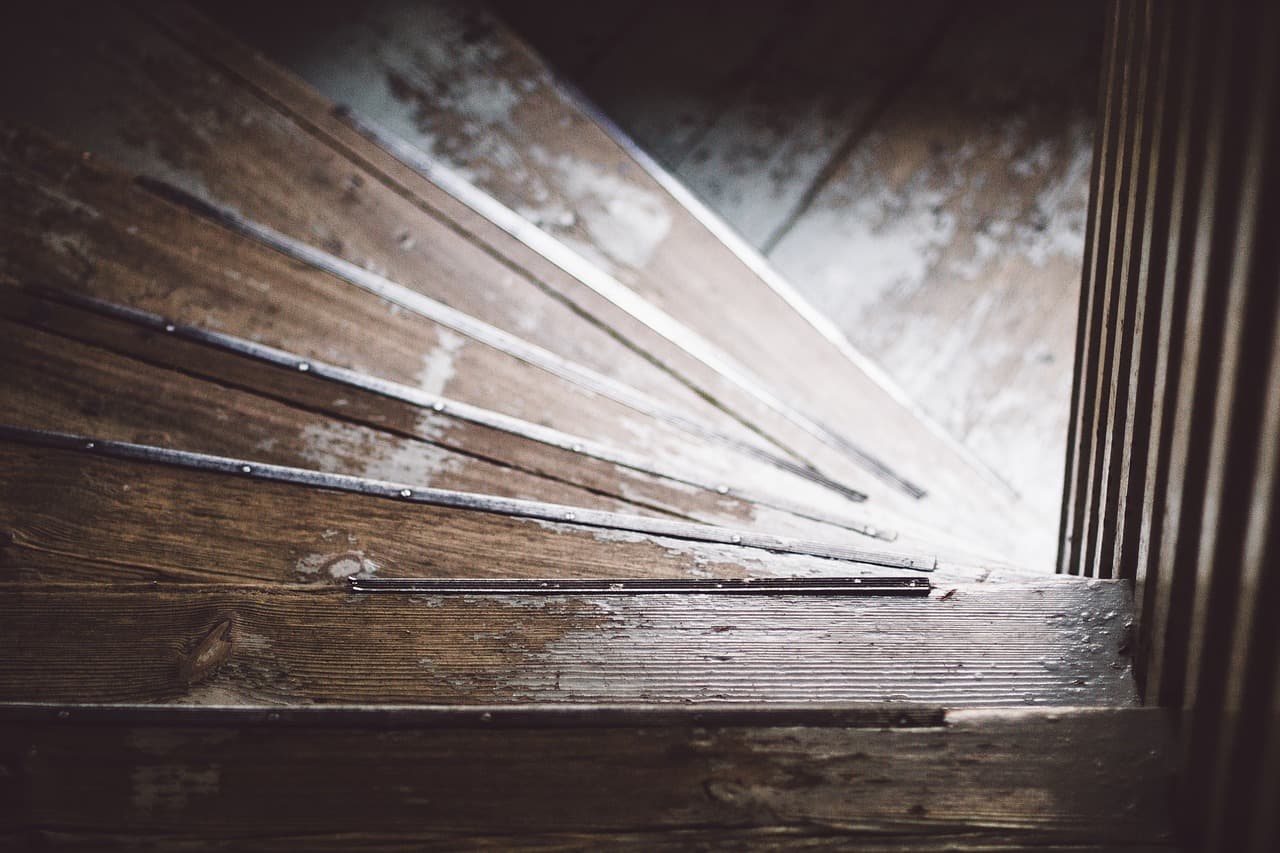
In keeping with tradition and spanning eras, stunning without fail courtesy of its timeless appeal, a wooden staircase still needs, without a doubt, an eventual facelift to maintain its beauty. Before applying a new coat of paint or stain, stripping the wood is an essential step. How can you go about this sort of project, abiding by good practices, without damaging the wood? What are the most effective methods of stripping a wooden staircase? Keep reading to discover the best practices and techniques to revamp your staircase.
How to Revamp a Wooden Staircase in 4 Steps
To strip a staircase, you can either opt to use a heat gun or a chemical paint and varnish stripper. Since the former calls for the knowledge and skill set of a seasoned professional—a project which DIY novices should steer clear of—we’ll focus on the latter, meaning the chemical stripper.
1- Before stripping your stairs
Before moving ahead and stripping your staircase, gather the necessary tools and equipment to carry out the project. Within the scope of doing so, bear in mind that you’ll need rubber gloves, protective goggles, and a respiratory mask. Since strippers are chemical products, make sure the room in which you’re working is properly ventilated. Moreover, in case of spatter, protect nearby surfaces accordingly to avoid discolouring them.

Photo: Pixabay
2- What is the best way to remove paint from stairs? Use a chemical stripper
Now’s the time to apply a stripper. To do so, use a paintbrush. Start by applying the first coat liberally on the wood, and allow it to sit for several minutes, all according to the manufacturer’s instructions. Next, use a scraper to start scraping the paint off the staircase’s surface. If the stripper worked accordingly, you’ll see little bubbles all over the wood. Don’t be alarmed if you have to repeat the process several times to strip the wooden surface of its paint or varnish.
Tips and Tricks to Prevent Damaging the Wood
Come this step, you should carry out what is known as an “after wash.” Doing so consists of applying a neutralizer to eliminate all stripper residue that may be lingering inside the wood grain. To do so, we typically recommend using methanol. Simply apply a thin coat over the wood, and there you have it! Then, you can start sanding. Bear in mind that not overlooking this step is crucial, otherwise, the wood could get damaged in the process.
3- Sand your staircase
Once you’ve determined that the majority of the paint has been stripped, you can start sanding. The latter will allow you to remove small residue coating the surface while smoothing out and evening the wood.
Start by using coarser grit sandpaper, wrapping up the process with finer grit paper. The best way to achieve quality results is by sanding three times: once with 80-grit sandpaper, then with 100-grit sandpaper, ending with 120-grit sandpaper. Carefully proceed with all three recommended sanding steps to ensure the wood’s surface is devoid of marks, which is highly likely after the first sanding given how coarse the sandpaper is.
How to Sand Faster
While manually sanding an entire staircase is feasible, we highly recommend using a power band sander. Otherwise, you risk spending an inordinate amount of time stripping your staircase.
While a band sander is quite effective in sanding steps and risers, it won’t be as useful when it comes to stair nosing. To sand the wood in said area, you won’t have a choice but to do so manually. Repeat the previously mentioned three sanding steps.

Photo: Pixabay
4) Clean the stairs
Before wrapping up, use a vacuum to remove the dust left from the sanding. Then, run a slightly damp sponge or cloth over the staircase’s surface. Doing so will ensure no residue is left behind, coating the stairs. This is a crucial step since the wood’s condition will dictate how your steps look once you’ve added a fresh coat of paint or stain.
How to Dispose of Paint Strippers and Scraps
Given the fire hazard, paint strippers should never be kept inside the home. Rather, sealing them in a container and storing them outside is advised, ensuring they're more than four metres away from the dwelling. Then, contact your local council authorities regarding when household hazardous waste is collected. That way, you can safely dispose of stripper scraps in an eco-friendly way.
Think you should replace your staircase instead of renovating it? For more information about that, check out our article How to Renovate Your Staircase: The Main Steps or How to: The Steps to Follow to Renovate Your Staircase.
Fed up with squeaky old steps? To learn how to fix this irksome problem, check out our article without further ado!
FAQ About Staircase Stripping
How can you revamp a wooden staircase without sanding it?
To renovate a staircase without sanding it, use wood-specific paint or resin that bonds directly to the current surface material. Another way to go about it would be by applying a wood renovation product, allowing you to revamp said staircase without sanding it. Ensure to clean and degrease the staircase adequately before using the product.
How to strip stair and banister varnish?
To strip a varnished staircase, use a chemical stripper specially designed for wood. Apply it evenly using a paintbrush, let it sit according to the manufacturer’s instructions, and remove the softened varnish using a scraper. After stripping it, clean the staircase properly and lightly sand the wood using sandpaper to obtain a smooth finish before repainting or revarnishing it.
Looking for something else?
Related articles
The latest industry news, interviews, technologies, and resources.

Editorial Team
•03 Aug 2024
Concrete framed structures are far from a new concept. Their widespread use on building sites worldwide over the last 150 years is a testament to their incredible durability and strength.

Christine Simard
•08 Nov 2023
Nowadays, more and more people leave their comfort zone to tackle the adventure of remodelling or renovating their living spaces to convert them into open spaces or loft-style apartments. Also, for fans of the authentic loft lifestyle, it's always possible to buy a space in an old industrial building and transform it in order to have a beautiful and trendy loft as a final result.

Christine Simard
•08 Nov 2023
Are you one of those people who tend to be nostalgic for past eras and not too fond of modern decors? If polka dots, bright colours and geometric forms are all things you like, maybe it's time to give your home a little retro makeover! Here are some examples that could inspire you!

Cynthia Pigeon
•08 Nov 2023
The residential kitchen really has evolved through the years: it's kept up with design trends, new technologies, and the occupant’s habits. It used to be a gathering point where people spent hours cooking, cleaning, and socializing.
Amanda Harvey
•13 Dec 2023
Walking through the front door of your home should always be exciting. It’s true that after a long day of work or running around, we all hope for a space that’s organized and comfortable.