Everything to Know About Tankless Water Heaters
By Editorial Team
Updated on November 8, 2023
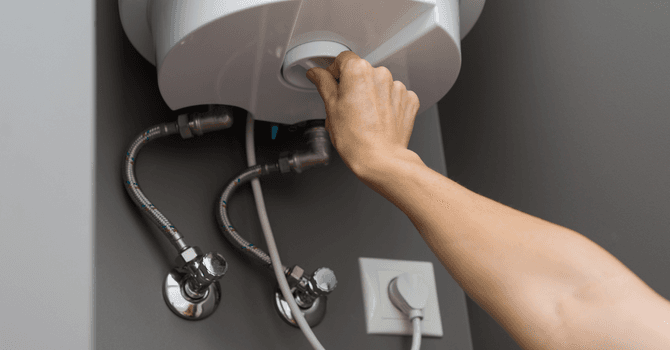
A standard water heater takes up a lot of space in a home since it has a hot water tank that supplies warm water needed for dishes, showers, sinks, and any other household needs. Also, the tank may run out periodically when the demand for hot water exceeds the tank’s water storage capacity.
Tankless water heaters are a good alternative if you wish to have an unlimited amount of hot water. They’re smaller since they only heat water on demand, require less space, and totally eliminate the empty tank issue.
This article will delve into the workings of a tankless water heater, the available models, as well as the various energy sources used to power this device.
How Does a Tankless Water Heater Work?

Source: Canva
A tankless water heater basically functions like a regular water heater with a tank: an element heats up the warm incoming water until its output. The main difference lies in the electric element’s power or its burner used to warm up the water as soon as it’s requested.
Furthermore, tankless water heaters are fitted with a sensor that detects water movement resulting from an opened faucet, which will in turn immediately switch on the device to warm up the water requested. It can be a whole house unit, which is installed in a central location and connected to multiple sanitary appliances at a time, or it can be a point-of-use model, which only supplies one appliance at a time.
For example, when it comes to a sink, a point-of-use water heater will be directly connected beneath the sink in question and will only supply said sink. On the other hand, a whole house unit tankless water heater functions just as a standard tank water heater would—it supplies multiple hot water sources at once.
When shopping around for a tankless water heater, the most important factor to keep in mind is the usage capacity to ensure an adequate hot water supply at all times.
Are you looking for professionals to tackle your water heater project?
Fill in this form to be connected with top-rated contractors!
Tankless Water Heater: Electric or Gas-Powered?

Source: Canva
A tankless water heater can be powered in two ways: with the help of an electric source or with natural gas. These two configurations require changes to be undertaken to the current installations if you choose to move forward with a tankless water heater. A gas-powered tankless water heater requires a gas exhaust vent to clear out the gas combustion. To save some money in terms of installation costs, install the device directly on an exterior leading wall to avoid having to connect the device to a too-long exhaust pipe to vent gas combustion.
An electric tankless water heater is really compact and is most often connected to a point-of-use installation, directly connected to a sink, for example. The reason why it’s best to have the system installed nearby the sanitary device it’ll supply is to prevent the water from losing its acquired heat while it travels via the household’s piping system. Supplying on-demand hot water and limiting the distance between the targetted unit and the tankless water heater is key to avoiding heat loss.
A gas-powered tankless water heater will be more efficient than an electric model, especially during wintertime. If you expect multiple people to simultaneously use the tankless water heater, opt for a natural gas-powered model. If you wish to have a whole house unit tankless water heater installed, opt for a gas-powered model.
Although it’s more expensive than an electric model, Énergir (formerly Gas Métro) does offer condensing tankless water heater grants. Inquire as to which models are included in this grant!
In a Nutshell: Tankless Water Heaters Are Practical Yet Complex

Source: Canva
A tankless water heater basically means on-demand hot water, which is really appealing, especially if you wish to have hot water for specific uses knowing it could run out at some point. This type of device can be used as a chalet's additional source of hot water, for example. However, prior to purchasing this type of water heater, know that the climate situation in Quebec requires a few changes to be made to efficiently use this type of system.
First of all, do a bit of research to ensure you’re buying the best unit since the harsh Canadian winters make it so that the water supplied to your household is near freezing temperatures. For the water to go from 2 to 40 degrees Celsius in nearly seconds, there's a need for a lot of power—given that the water will always be warm, as opposed to a tank water heater, you can easily be tempted to use more hot water than normal, which will translate into a higher-than-normal energy bill.
More so, not all models run at the same level—installing a tankless water heater that isn’t strong enough to heat water during the wintertime is worthless. Overall, a tankless water heater can save you money and space, given that your water heater won’t be warming up a tankful of water ready to be used at a moment’s notice.
The following articles will help you properly assess your water heater to make the right decision:
Source of images: Wikimedia Commons
Get 3 renovation quotes for your tankless water heater project
RenoQuotes.com will put you in contact with 3 reliable contractors for your tankless water heater project. Fill in the form on our homepage (it only takes a few minutes), and you will receive quotes from trusted professionals.
Dial 1-844 828-1588 to speak with one of our customer service representatives.
Looking for something else?
Related articles
The latest industry news, interviews, technologies, and resources.

Léa Plourde-Archer
•28 Aug 2024
Cherrywood, also known as yellow birch, is a light wood species known to be uniform in terms of tone, without being completely homogeneous. Its colour varies from pale white to dark brown and has more golden hues than oak or maple, for example.
Amanda Harvey
•08 Nov 2023
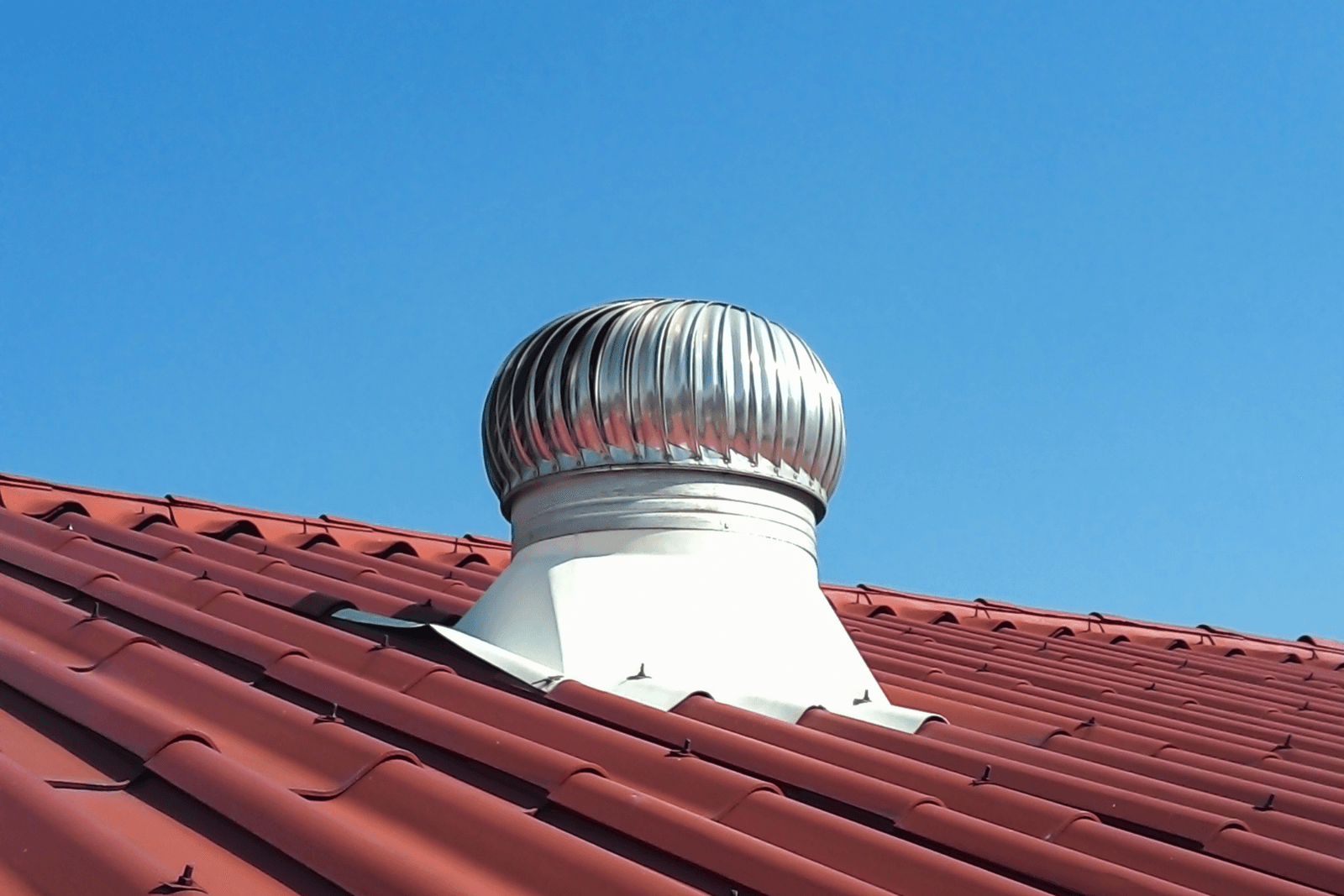
Let's be honest, modern life is busy. Between work, cooking, cleaning and additional day-to-day activities, every hour's filled to the brim. It's normal that you don't have the time to think about out-of-sight household things like attic ventilation. But you may not realize how important proper roof and attic ventilation actually is, not only for the maintenance and lifespan of your roof but for lower energy bills as well as the longevity of your home. Lack of proper ventilation can lead to a world of problems, and we're going to offer some information on a common solution: attic ventilation!
Editorial Team
•19 Aug 2025
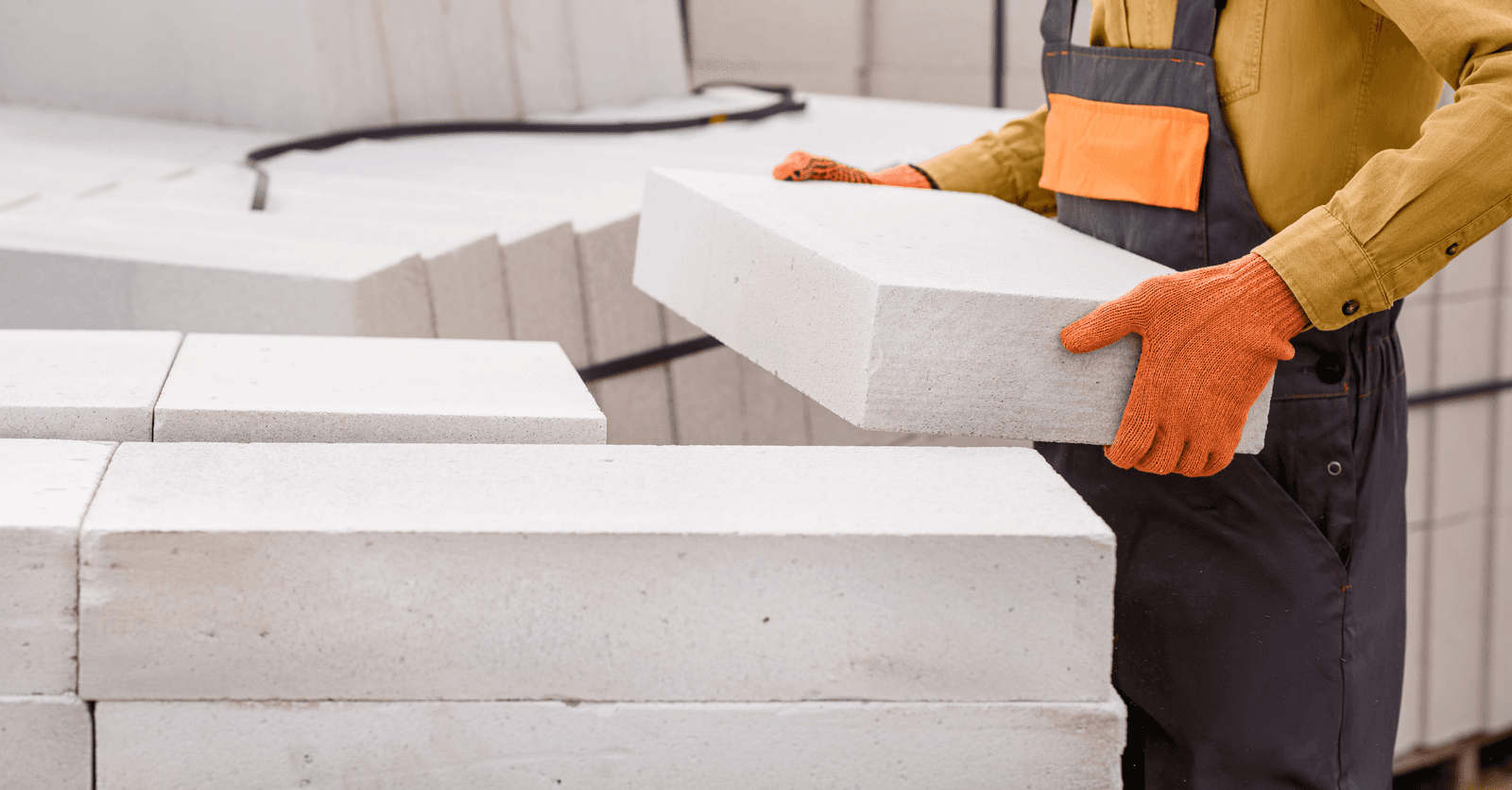
It was in 1923 that cellular concrete, developed by Swedish architect and researcher J.A. Eriksson, first appeared. Albeit it isn’t ground-breaking technology, it’s still considered innovative as it has contributed to building extremely energy-efficient, modern-day single-detached homes.

Editorial Team
•21 Dec 2023
When the months start to feel warmer, there’s nothing we crave more than some time outside. There are plenty of ways to make the most of your front or backyard, and this includes building a beautiful deck. If you’ve been considering this project but are having a hard time making a concrete choice between the different materials on the market, then look no further!
Cynthia Pigeon
•19 Sep 2026
Toilet installation costs $260 to $960 in Canada with the fixture included, and most homeowners pay around $520 for a standard two-piece toilet supplied and installed. Labour alone runs $150 to $400 if you've already bought the toilet.