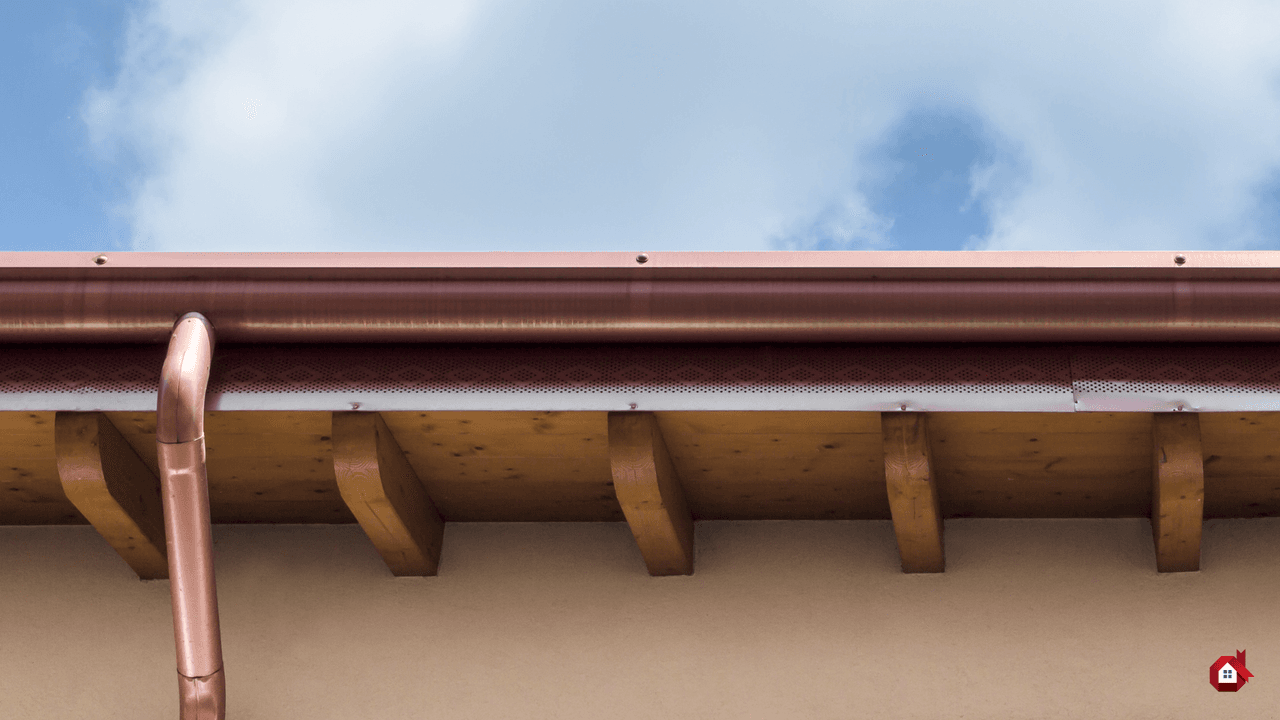
Gutters play a vital role in protecting homes by channelling rainwater efficiently. Among the different materials retailed, copper eavestroughs stand out on account of their durability, aesthetic, and performance. This article will guide you through a copper gutter comparison, detailing benefits, the installation process, and maintenance steps to answer any and all commonly asked questions on the subject matter.
Why Install Copper Gutters on Your Home?
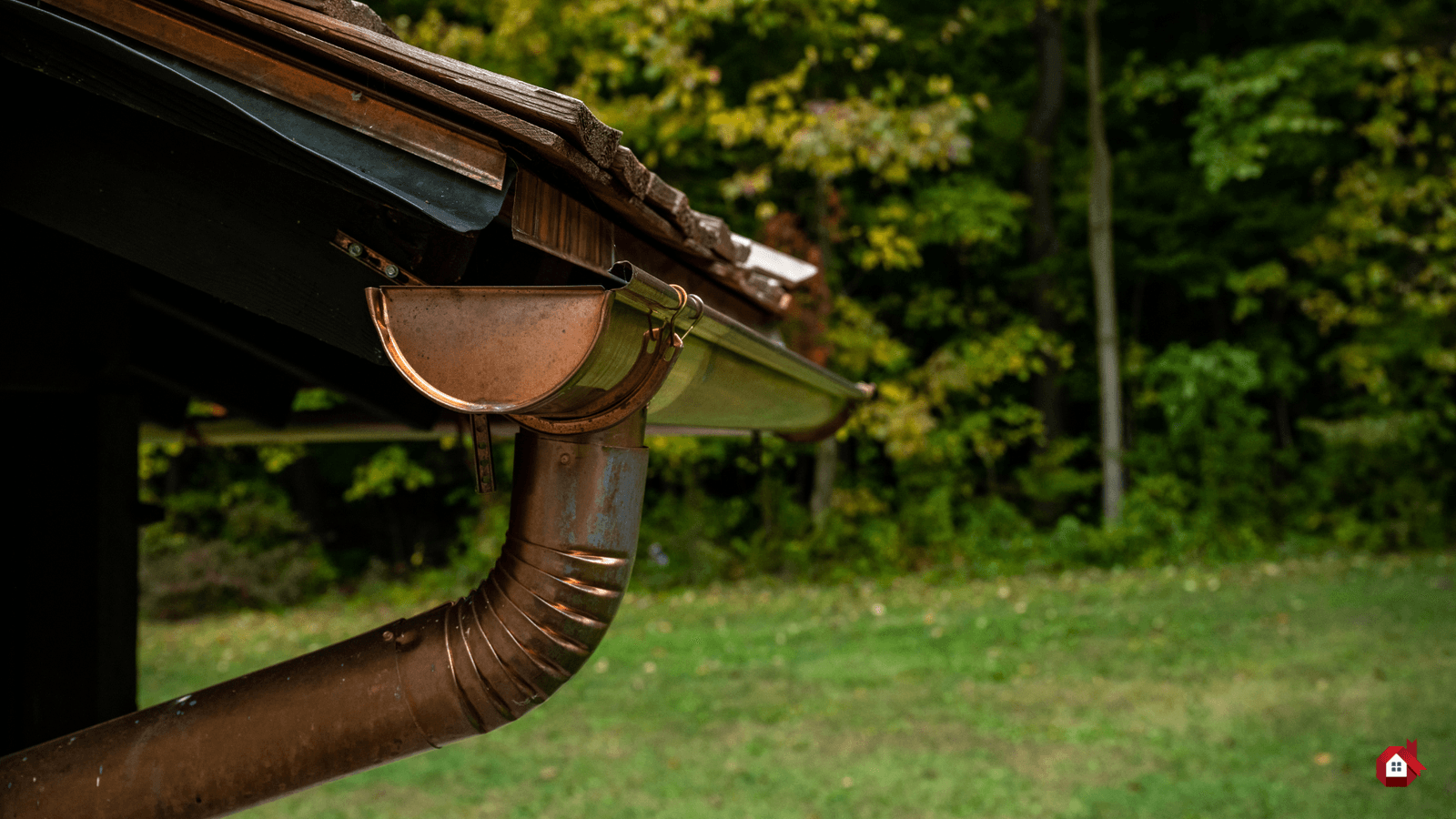
Copper gutters are known for their long-lasting and weather-resistant qualities. They can be effective for more than a few decades before needing to be replaced, which makes for a worthwhile, long-term investment. Furthermore, such gutters make for a unique aesthetic courtesy of its colour scheme, evolving from a glossy copper to a verdigris (greenish-blue) over time.
Benefits of Copper Eavestroughs
There are several advantages to having copper gutters, including:
Durability: Copper is one of the most weatherproof and corrosion-resistant materials. Unlike other materials that deteriorate rapidly, copper eavestroughs retain their structural integrity for decades.
Aesthetic: At first, new copper gutters are shiny and coppery, later developing a natural patina, turning them warm brown, ending in an elegant shade of greenish-blue, granting your home a unique and timeless charm.
Low maintenance: Copper gutters are low maintenance compared to other materials. They’re naturally resilient against debris, moss, and fungi.
Adaptability: Copper is suited to all types of weather and architectural styles, from modern homes to historical buildings.
What Colours Can You Choose From?
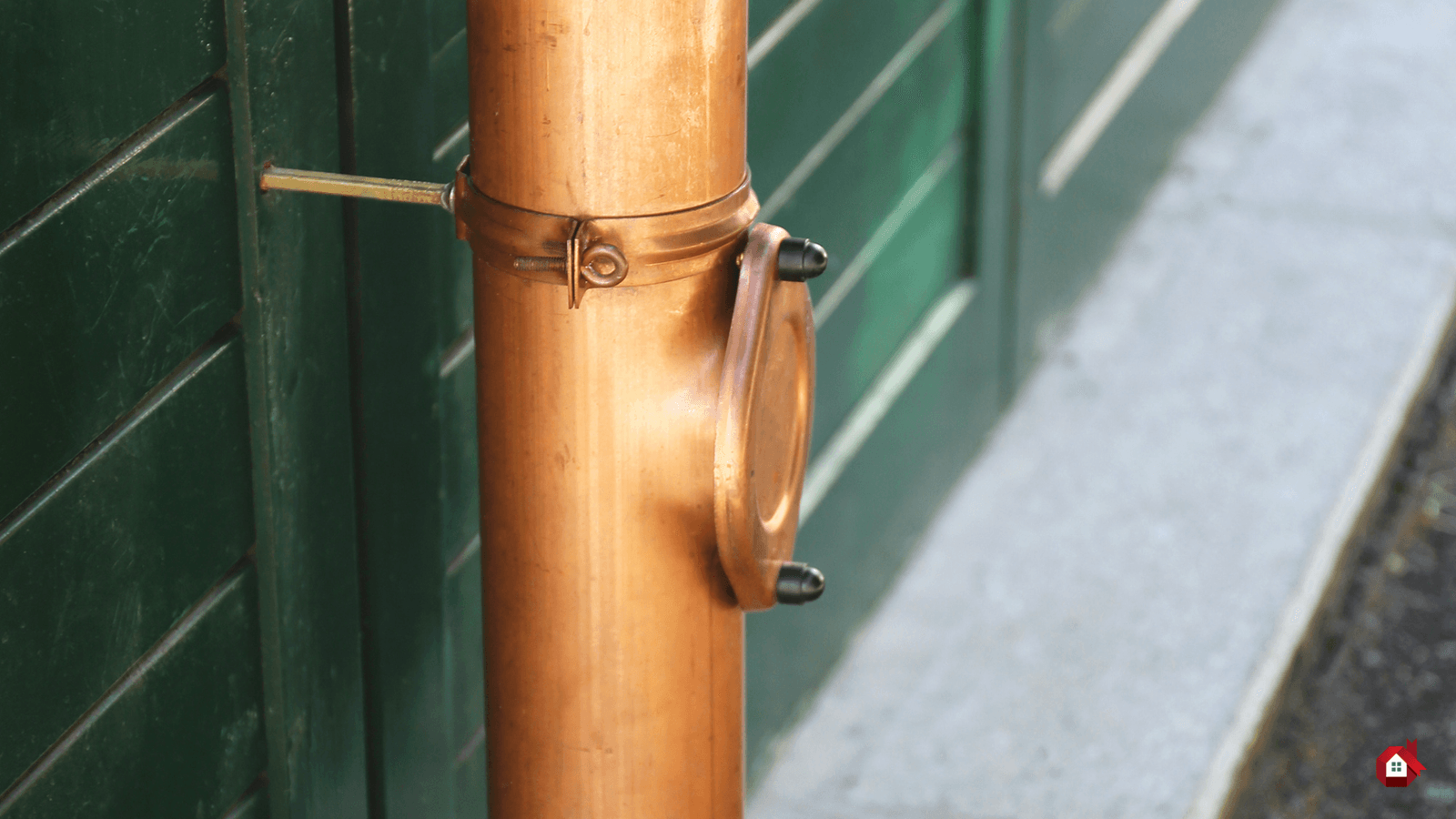
Copper gutters all start out a shiny, coppery hue that, over time, develops a patina, turning the material brown and then verdigris. This natural evolution that occurs over time lends a distinctive charm, making for a harmonious fit within its surroundings. Said naturally-occurring patina, also referred to as verdigris, is not only aesthetic but also shielding, creating a resilient layer over the material that prolongs the gutters’ service life.
How to Install Copper Gutters
Installing copper gutters can be done using a few different methods, depending on one’s preferences, skills, and know-how. Whether choosing the soldering or soldering-free route, abiding by the detailed guidelines will result in an effective and long-lasting installation.
Soldering Copper Rain Gutters: How-To Guidelines
To solder copper gutters, you need the right tools and materials. Soldering ensures sturdy and watertight joints between every section of the gutter. However, achieving such results mandates some know-how paired with the right toolkit.
Materials needed:
Torch
Tin soldering rods
Soldering flux
Wire brush
Protective goggles and gloves
Steps:
Prepare surfaces: Clean the intended surfaces with a wire brush to remove oxidation or dirt.
Apply flux: Apply soldering flux over the pieces to be joined. Flux helps prevent oxidation during the soldering process and creates a stronger bond.
Heating: With a trusted torch, heat the surfaces until they’re warm enough to melt the soldering rod.
Soldering: Position the soldering rod over the heated surfaces to create a solid joint. Make sure the solder melts evenly to coat both surfaces adequately.
Cooling: Allow the soldered joint to cool down prior to handling the gutter.
Tips for a Solder-Free Installation
If you prefer the head the solder-free route, note that there are alternative methods using dedicated glues and interlocking systems. These methods are the best options for DIYers and can be just as effective if done correctly.
Materials needed:
Gutter silicone
Interlocking system
Hacksaw or metal shears
Ladder and safety equipment
Steps:
Prepare surfaces: Make sure all gutter pieces are clean and dry.
Apply silicone: Apply a strand of gutter silicone over the edges to interlock.
Interlock sections: Interlock the gutter pieces, ensuring the joints are aligned and sealed correctly.
Secure: Use brackets and clips to secure the gutters in place. To ensure optimal stability, install brackets every 40 to 60 centimetres.
Sealing: Check all joints to ensure that they’re sealed properly, and add gutter silicone if needed.
Copper Downspout: DIY Installation
Installing a copper gutter downspout is a crucial part of ensuring rainfall is channelled away from the house’s foundation effectively.
Materials needed:
Copper downspout pipe
Straps
Downspout elbows
Hacksaw or metal shears
Drill and screws
Steps:
Measure and cut: Measure and cut the downspout pipe down to the intended length. Determine the proper length to ensure water is channelled away from the foundation efficiently.
Secure the straps: Secure the downspout straps to the wall of the structure, spacing them 1 to 2 metres apart.
Assemble sections: Connect the pipes to the elbows to create the intended water channel. Use elbows to channel the water around obstacles, towards the appropriate drainage areas.
Secure the pipes: Secure the pipes to the downspout straps using screws. Make sure the pipes are affixed and aligned correctly.
Quality check: Test out your installation by pouring water down the gutter, ensuring it’s channelled through the downspout as intended.
How to Clean Copper Gutters
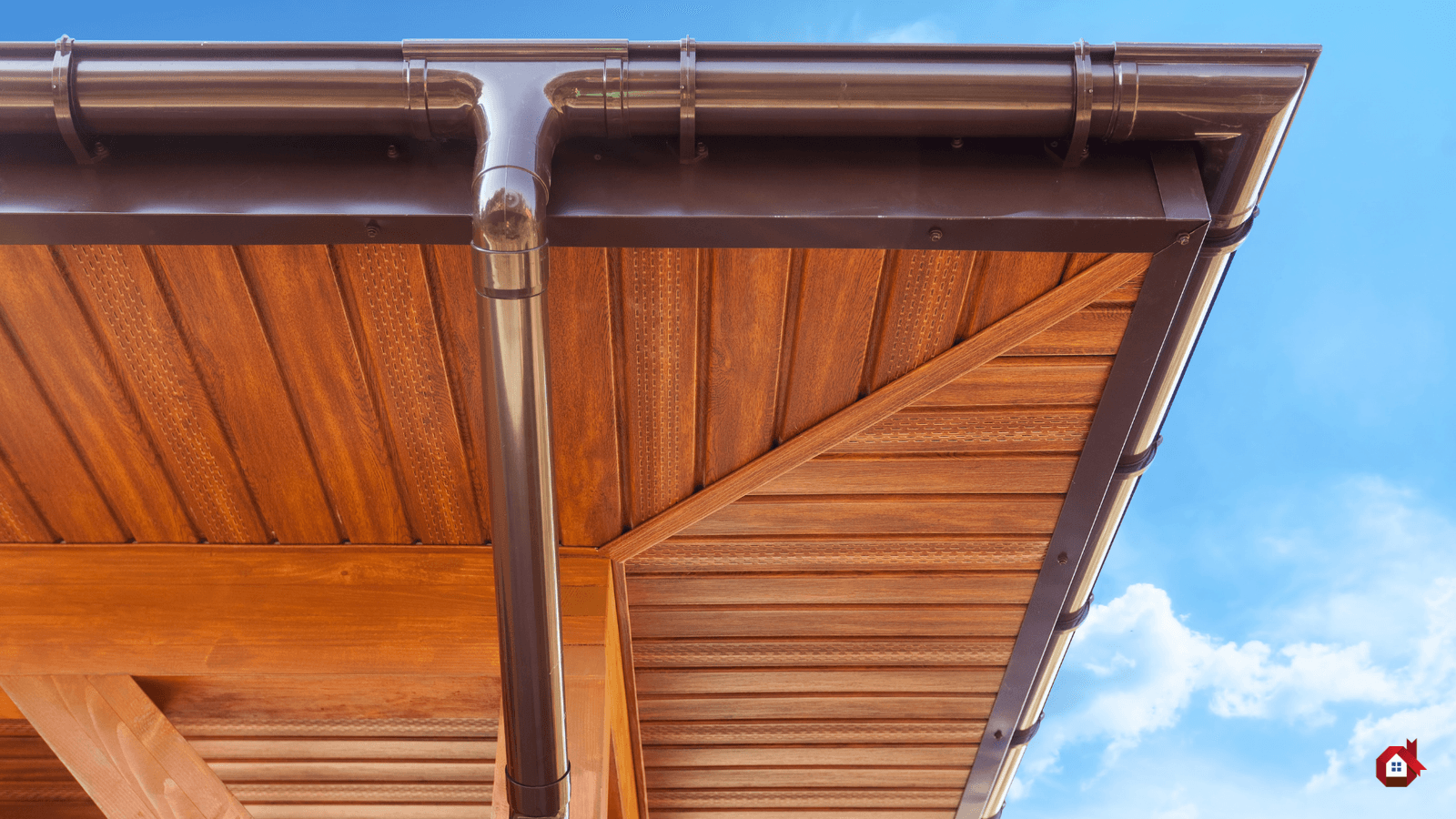
Regularly cleaning copper gutters is paramount to preserve their efficiency and prolong service life. Luckily, copper gutters are relatively low maintenance compared to other materials given their anti-corrosion properties.
Materials needed:
Copper cleaner
Scrub brush
Soapy water
Ladder and safety equipment
Steps:
Apply cleaning product: Apply a specially-made cleaner over the copper gutters. Let it sit for 20 to 30 minutes, according to the manufacturer’s instructions.
Clean: Use a scrub brush to clean the gutters and remove oxidation and stains coating the surfaces.
Rinse: Rinse the gutters with soapy water to remove all cleaning product residue. Make sure all stains and evidence of oxidation are eliminated.
Dry: Once the gutters are dry, consider applying a polish to restore the copper’s former shine, though this step isn’t essential to the gutter’s proper functioning.
Comparing It with Other Materials
Choosing between different gutter materials can be challenging. Here’s a comparative analysis between copper, zinc, and aluminum eavestroughs to help you make a well-informed decision.
Copper vs. Zinc Gutters
Durability: Copper gutters are a bit more durable than zinc, although both materials are equally weatherproof.
Aesthetic: Copper has a natural and appealing patina that will develop over time, whereas zinc is rather uniform in its appearance.
Cost: Copper is generally more expensive than zinc, but makes for a worthwhile investment given its durability and low maintenance aspect.
Copper vs. Aluminum Gutters: Which Is Best?
Durability: Copper is more durable than aluminum and capable of withstanding extreme weather variations.
Aesthetic: Copper tends to be more traditional and elegant, whereas aluminum gutters come in an array of colours, suiting different architectural styles.
Cost: Aluminum is more affordable than copper, but requires more upkeep and frequent replacements.
Are They Expensive? How Much Do Copper Gutters Cost Per Foot?
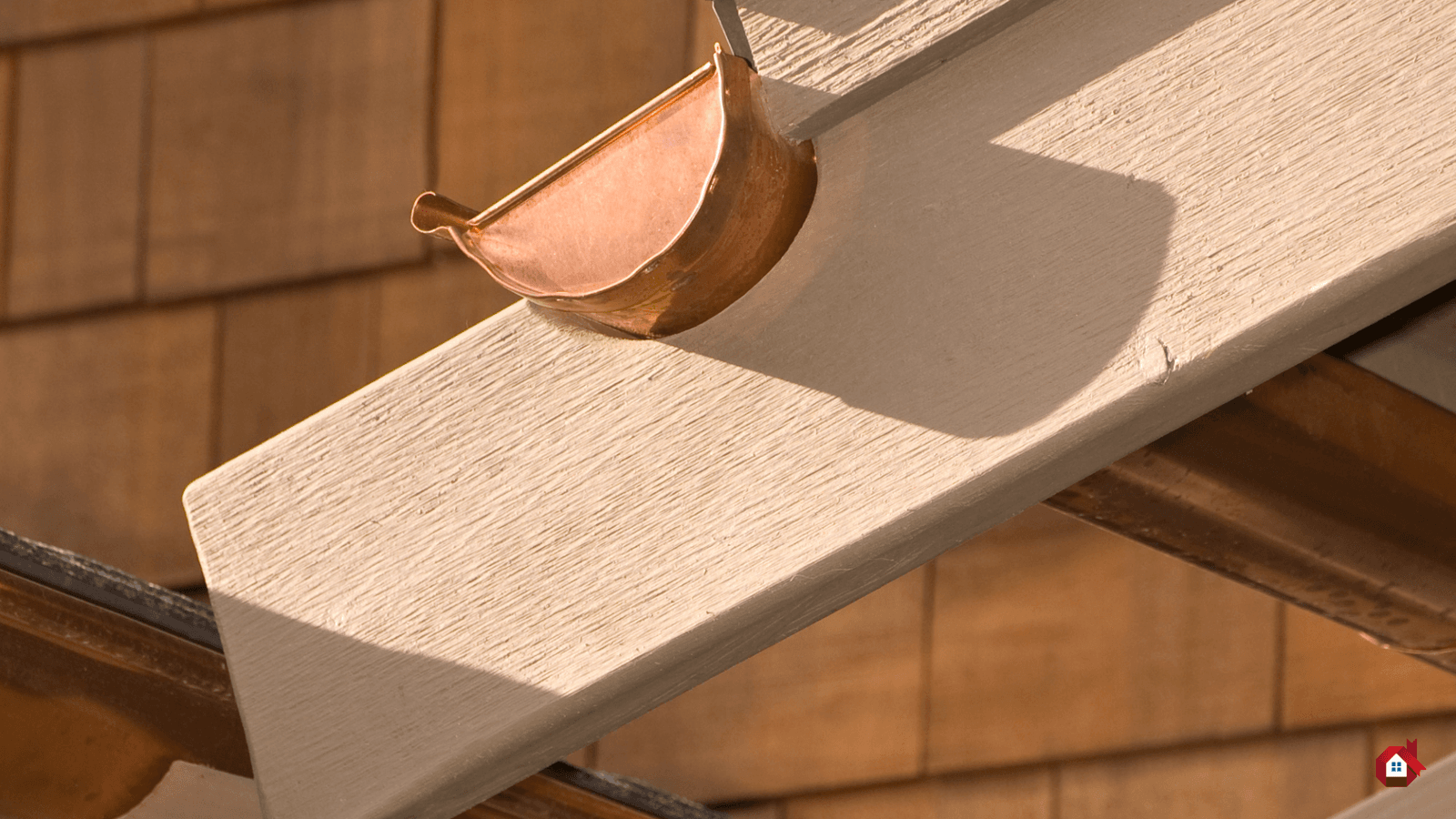
Copper gutters are amongst the most expensive sold on the market. On average, such eavestroughs retail for $18 to $30 per linear foot, depending on the installation complexity and accessories needed.
A Durable and Aesthetic Investment
Copper gutters are an excellent and popular choice for those seeking a combination of durability, aesthetic appeal, and performance. While retail prices are steeper, between the service life and low maintenance aspect of copper gutters, it makes for a wise, long-term investment. We highly recommend hiring qualified professionals to ensure proper installation and upkeep.
Want to learn more about gutters? Check out these articles:
Get 3 renovation quotes for your plumbing project
RenoQuotes.com can help you get quotes for your plumbing project. When you submit your project, you’ll be connected to top-rated contractors. Fill in the form on the homepage (it only takes a few minutes) and receive estimates from trusted professionals.
Dial 1-844 828-1588 to speak with one of our customer service representatives.
Looking for something else?
Related articles
The latest industry news, interviews, technologies, and resources.

Editorial Team
•21 Apr 2026
A mature home often needs that extra bit of TLC to get it back up to speed—especially heading into summer, when warm, dry weather makes it easier to tackle everything from paint and caulking to ventilation and exterior woodwork. The key is planning early so you can keep your home functional without sacrificing its mature charms, like antique fixtures and trimmings.
Editorial Team
•04 Jun 2025
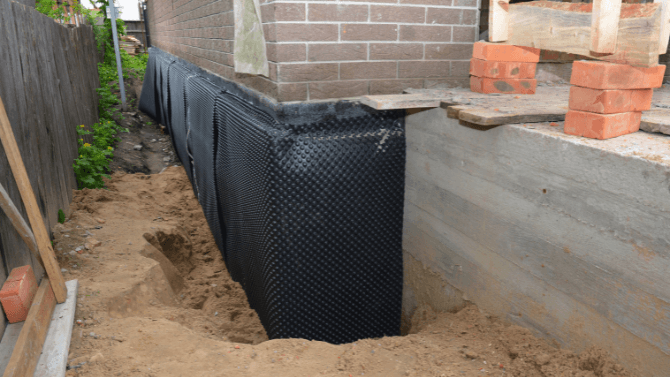
Waterproofing your foundation is paramount to preserve the integrity of the concrete, prevent basement water leaks, and reduce humidity levels. Doing so is deemed essential to prevent water and moisture found in the soil from seeping into the basement of your home, thus preventing material deterioration and health-hazardous mould growth. Also, foundation waterproofing is a way of controlling the moisture level in your basement and home as a whole, which will in turn reduce your heating and air conditioning bills.
Editorial Team
•08 Nov 2023
Infestation and the subsequent damage cannot only take you by surprise but also make your home nearly unlivable. If unseen and left to fester, the damage can easily spread and affect the structural integrity of your home. That is why it’s so important to stay on top of any infestation or damage and act as soon as you can.
Cynthia Pigeon
•28 Apr 2026
In Canada, moving the plumbing for a bathroom vanity typically costs anywhere from a few hundred to several thousand dollars, depending on accessibility, relocation distance, and finishing work required. Costs increase significantly if drains, vents, or flooring systems must be modified—especially when transitioning from a concrete slab to a wood-framed floor. Plumbing work must be carried out by a licensed professional in accordance with provincial regulations.
Editorial Team
•08 Nov 2023
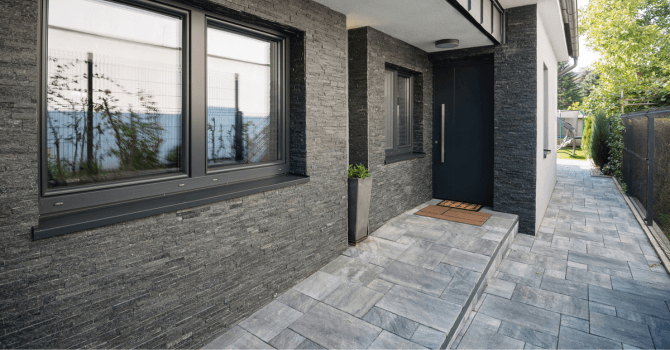
Tiles suit just about every surface, from kitchen to bathroom, floor to ceiling. Nowadays, they’re also a popular choice for backyards. To achieve a clean, refined look, tiles can be used to embellish porches, surround pools, and revamp flat roofs to design a scenic rooftop terrace.