Foundation Repair Project Cost: How Much to Budget in 2026?
By Editorial Team
Updated on February 5, 2026
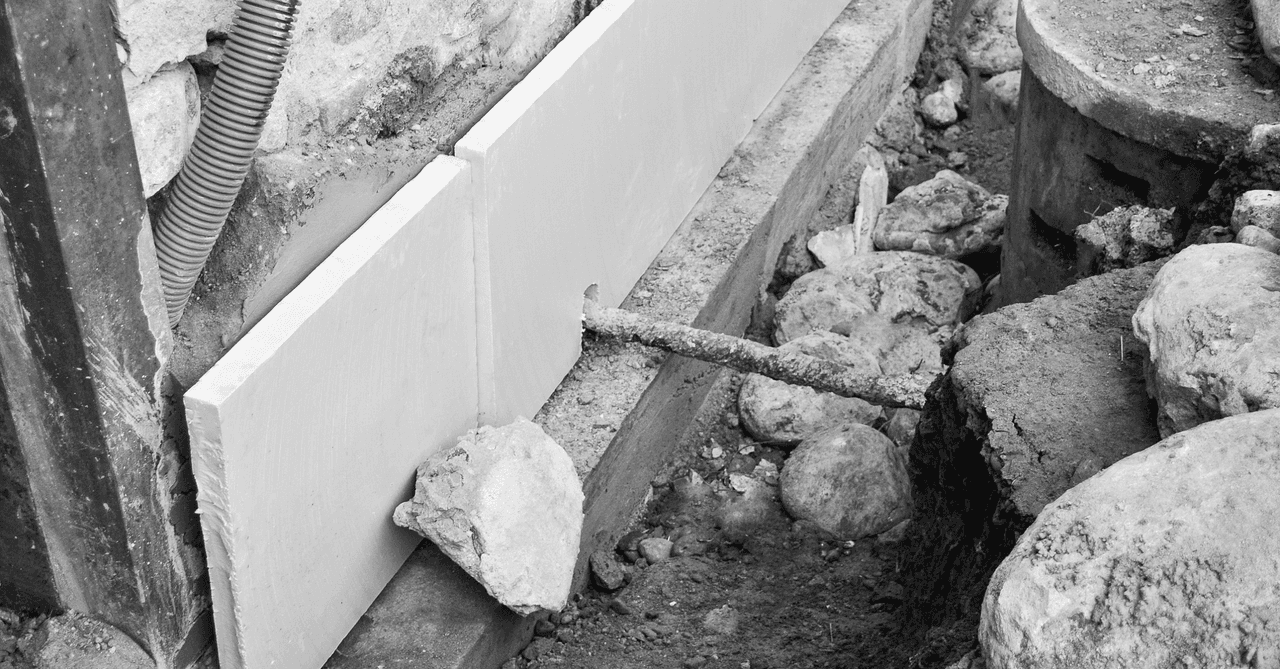
The cost of foundation repair varies widely, and many Canadian homeowners like to look up how much foundation repair costs before committing to a project. Pricing depends on excavation depth, soil type, and building size—and may rise significantly in 2026 based on damage severity. This article breaks down common solutions so you can budget more confidently.
Get Your Project Started Today
Submit your details and receive three free quotes from trusted contractors.
Bear in mind that your home’s foundation is the basis of the structure. It supports long-lasting stability and durability, which makes your foundation cost a key long-term investment. A compromised foundation can lead to other structural issues and weakening, especially when repairs are delayed.
How Much Should You Budget for Foundation Repairs?
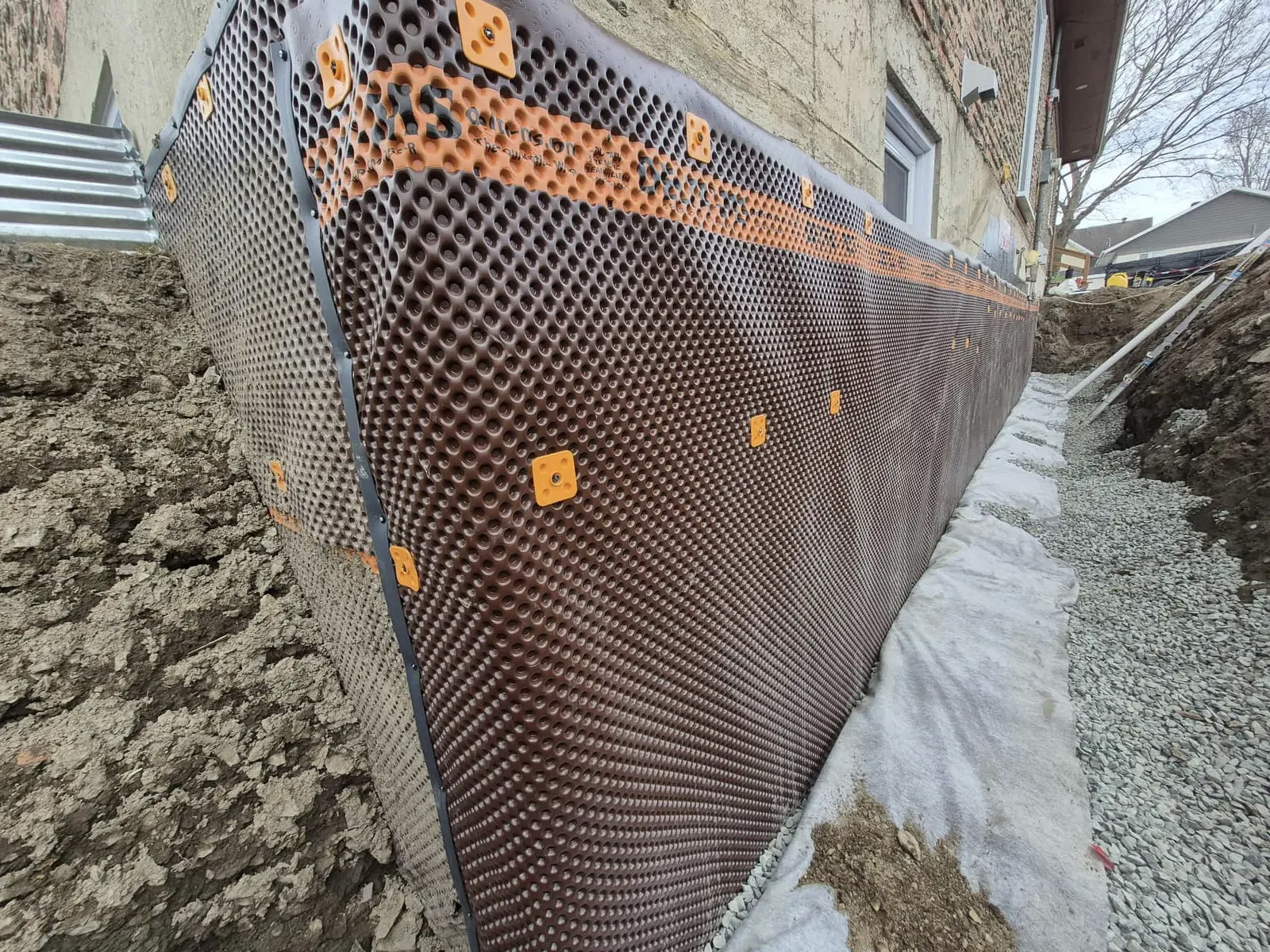
Source: Excavation Bermax inc
Type of Repair | Price Point |
Building inspection | $400 to $800 |
Easily accessible crack repair | $400 minimum per crack |
Epoxy injection for foundation crack repairs | $300 to $500 per crack |
Hard-to-access crack repair | around $40,000 |
French drain installation | $15,000 to $25,000 |
Partial foundation stabilization | around $20,000 |
Full foundation stabilization | around $40,000 |
These ranges provide a baseline for how much foundation repair costs, but final pricing depends on crack location, accessibility, and soil conditions.
Repairing a Cracked Foundation
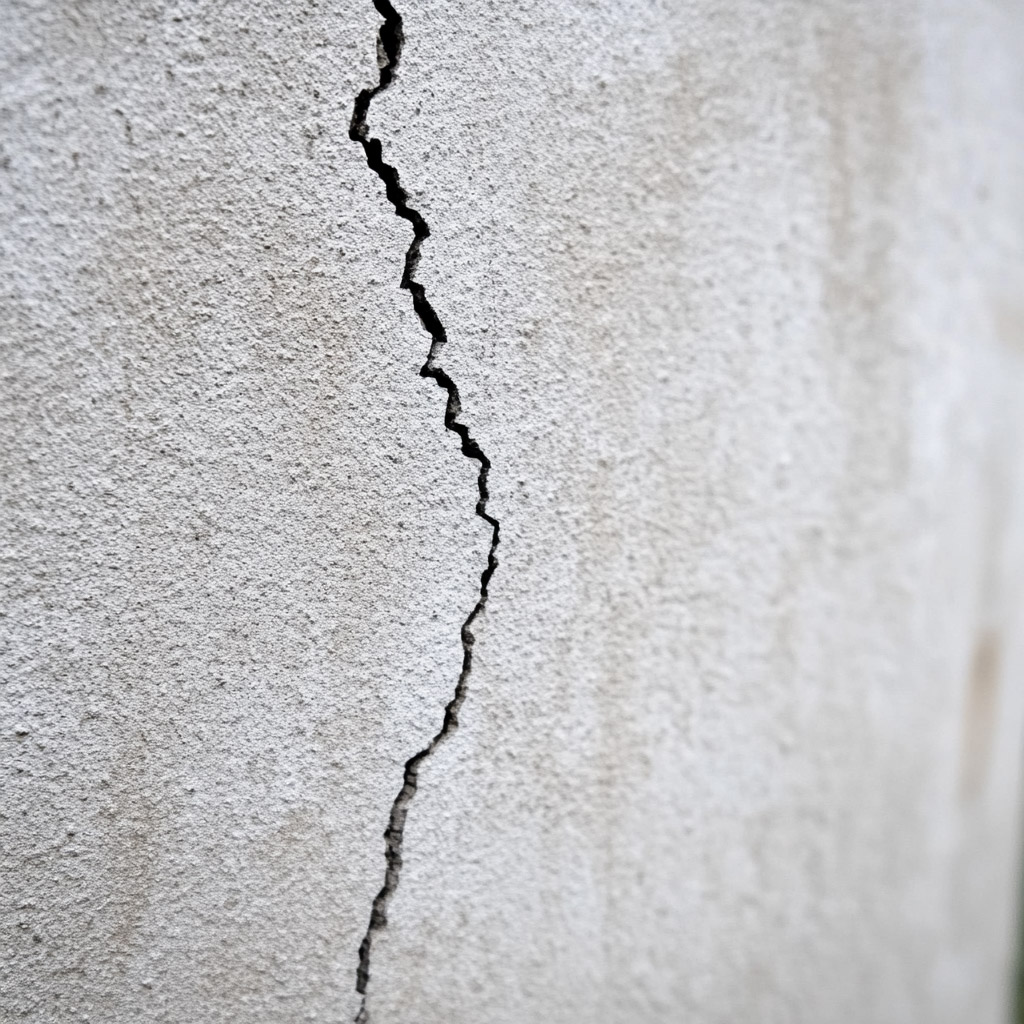
A cracked foundation shouldn’t be taken lightly. First things first: there are two main types of foundation cracks—passive cracks and active cracks. Both should be repaired to protect a home’s structural integrity over time.
Passive cracks are generally stable and unlikely to worsen quickly. Repairing them may not be urgent, but it’s still important. Passive cracking can appear in newly built structures or develop years later.
Active cracks, on the other hand, tend to worsen over time and can affect other parts of the structure. In these cases, repairs should happen as soon as possible, because delaying increases both the cost to repair a foundation crack and the risk of broader structural damage. Put simply: the longer you wait, the more expensive the fix usually becomes.
How Much Does It Cost to Repair Foundation Cracks?
According to Déry from Solutions Fondations Rive-Sud, homeowners should generally expect to spend between $400 and $2,000 to repair foundation cracks. (This quote was translated into English by Reno Quotes.)
If your foundation isn’t obstructed from the inside or outside, repairs are often straightforward. Plan on spending at least $400 to repair a small crack and up to $2,000 for a larger crack.
For minor cracking, one cost-effective option is epoxy injection. The cost of epoxy injection for foundation crack repair ranges between $300 and $500 per crack.
On the other hand, if cracks are inaccessible because they’re expanding underground or behind a pool, the repair cost is an entirely different story. Repairs that don’t require excavation are generally far more affordable than underground cracks buried beneath the foundation—where basement crack repair costs (or broader structural work) can climb quickly into the tens of thousands.
This type of work often requires additional studies and specialized engineering input. If the foundation is too damaged, excavation or underpinning may be necessary. Projects at this level can cost around $40,000, which is why it’s best to address cracks as soon as they appear.
Foundation Stabilization and Underpinning
If your house is older, you may experience settling issues—hard-to-open doors and windows, uneven floors, and structural warping are all common signs of a foundation problem. If you notice these red flags, contact a contractor to assess stabilization options. At this stage, it’s no longer about one crack; you’re looking at the overall cost of foundation repair for structural stabilization.
Hydraulic piles have been widely used in Canada (especially in Quebec) for nearly 35 years. They’re used for partial or full foundation stabilization and require experienced installation. Hydraulic piles (also called screw piles) are steel foundation supports manufactured off-site and used in structures with weak supporting soil.
Workers start by creating an opening in the foundation footing to install framing hardware. Next, steel posts are inserted and driven into the ground using powerful hydraulic equipment. Finally, the framing hardware is bolted to the foundation and footing using galvanized steel anchors—helping restore stability to the structure.
How Much Does It Cost to Level and Stabilize a Foundation?
Although expensive, hydraulic pile stabilization is very effective and designed for long-term performance. Pricing depends on factors like the number of storeys, bedrock depth, soil type, and the overall condition of the foundation.
Budget about $20,000 for partial foundation stabilization and at least $40,000 for full stabilization. When homeowners ask how much foundation repair costs for major settlement issues, these stabilization figures are often the starting point—then the final total can increase with excavation, waterproofing, or drainage upgrades.
Fixing Basement Water Leaks
Depending on where you live in Canada, you may be more likely to deal with water-related foundation damage. Basements are most commonly affected, especially during severe weather or when maintenance is neglected—another reason to inspect your home regularly.
A French drain helps prevent water from pooling around the foundation perimeter. However, over time, the system can wear out, increasing the risk of infiltration.
How Much Does a French Drain Installation Cost?
Installing a new French drain typically costs between $15,000 and $25,000. Repairs are usually more affordable—especially if the drain is simply clogged by debris or tree roots.
If you’re replacing an existing French drain while waterproofing your foundation, budget an additional $120–$150 per linear foot, which can raise the overall cost of foundation leak repair.
To learn more about this type of project, check out our article about the cost of repairing a French drain and waterproofing a foundation.
Basement Floor Cracks
When water infiltration or settlement leads to cracks in the slab, you’ll also want to factor in basement floor crack repair costs. Fixing cracks in the basement floor is generally less expensive than full structural underpinning, but it can still add to your overall foundation leak repair cost when moisture is involved.
Grants Available for Foundation Repairs
Depending on where you live in Canada, some cities offer subsidy programs to help residents repair at-risk foundations—this is the case in Montréal. Offered by municipal services and the Société d’Habitation du Québec (Ministry of Municipal Affairs and Housing), this grant can cover part of the cost of hiring a reputable company to repair your home’s foundation.
Déry explains that several grants are awarded directly by the city, but the waiting period can be roughly three years. Click here to verify your eligibility.
What Factors Affect the Cost of Foundation Repairs?
Source: Architecture & Design Mario Fortin
House Size and Layout
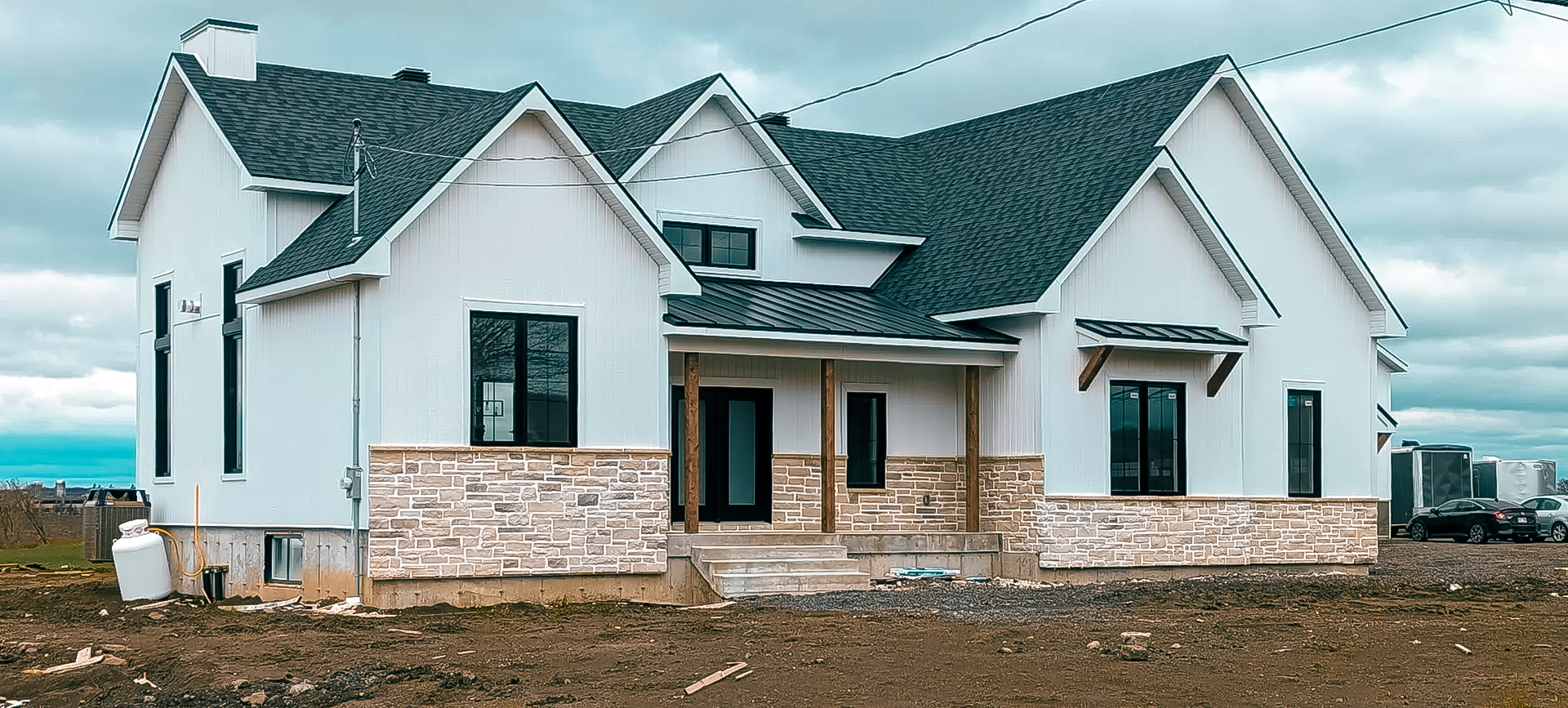
Unsurprisingly, the bigger the house, the larger the foundation—meaning more time, labour, and materials. Layout also matters: the more complex the project, the higher the renovation costs, which directly affects the overall cost of foundation repair for your property.
Extent of the Problem
Damage severity is a major price driver. Is it superficial, or deep-set and affecting structural integrity? More serious issues require more extensive work, which increases both foundation leak repair costs and other structural repair expenses.
Accessibility
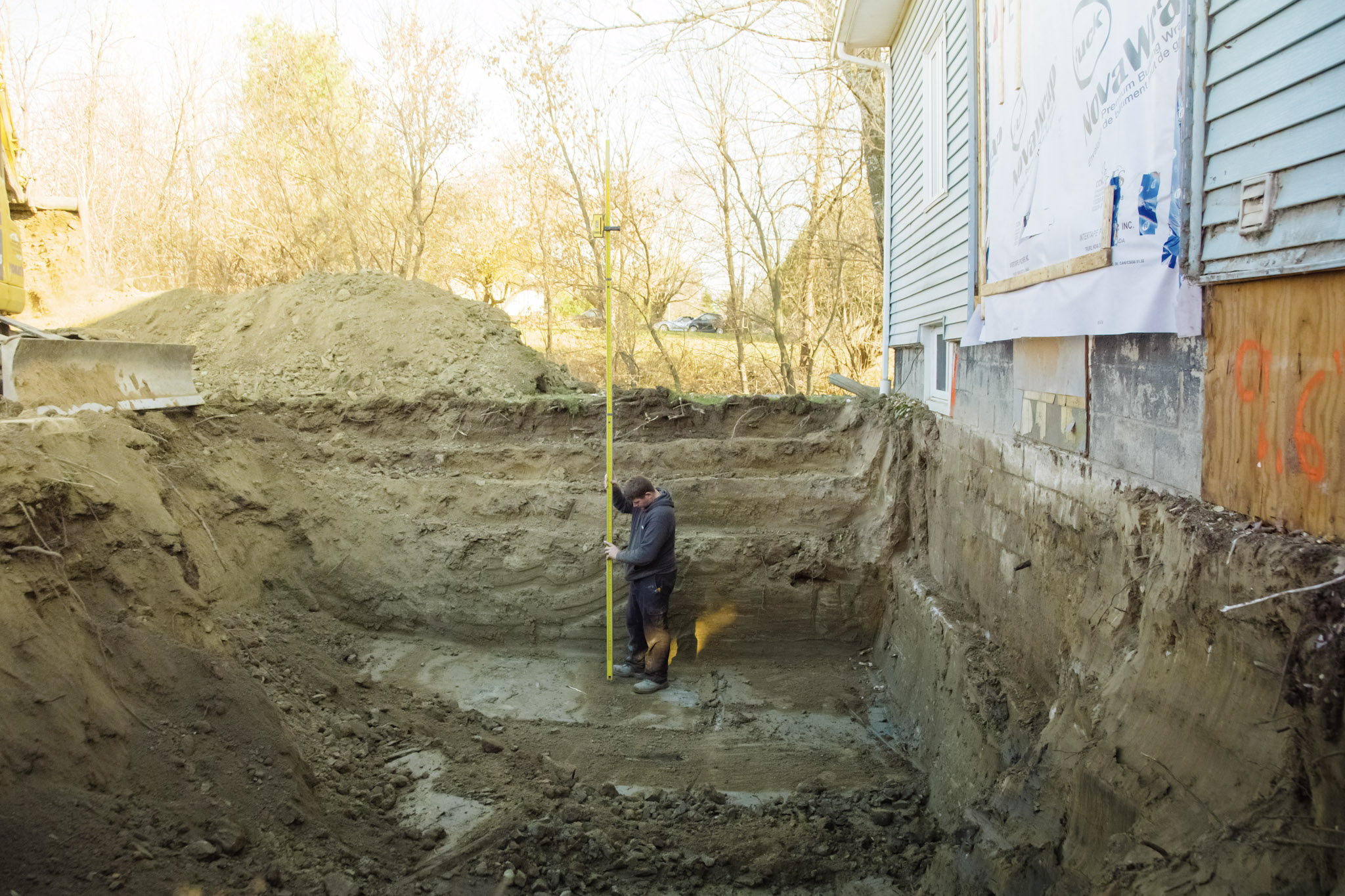
Site access also affects pricing. If excavation is blocked by a fence, deck, or adjacent structures, crews may need extra labour or different equipment. In extreme situations, the cost to repair a foundation crack can jump when work has to be done around major obstacles.
Preventative Upgrades
To prevent future issues, contractors may recommend waterproofing, sump pumps, or improved drainage. These upgrades raise upfront costs but can protect your investment and reduce the chance of recurring damage. Budget an extra $1,000–$5,000 depending on what’s needed.
Engineering Reports and Soil Studies
If damage is extensive—or the cause isn’t clear—you may need a structural engineer or geotechnical specialist. Expect to pay anywhere from $500 to $3,000, depending on complexity and any reporting requirements.
Unforeseen Obstacles and Complications
Once work begins, contractors may encounter buried debris, old repairs, tree roots, or utility lines. These surprises can add labour, equipment rental, or specialized subcontractors. It’s wise to set aside an additional 10–20% of your total budget (often $1,000–$2,500 or more) for contingencies.
Types of Foundation Repairs and Methods
Understanding common repair methods helps you make informed decisions. Below is an overview of typical interior and exterior foundation repair techniques, what they’re for, and when they’re commonly used.
Interior Repair Methods
Epoxy or Polyurethane Injection
Why it’s needed: This method fills and seals minor, non-structural cracks in foundation walls caused by natural settling or shrinkage. Because it targets smaller issues, the cost of epoxy injection for foundation crack repair is typically lower than major structural interventions.
When it’s chosen: It’s often selected for hairline or passive cracks that don’t compromise stability. If cracks are widening or paired with other movement signs, more extensive repairs may be needed.
Carbon Fibre Reinforcement
Why it’s needed: Carbon fibre strips reinforce interior foundation walls showing early signs of bowing or slight movement, often due to soil pressure or moisture.
When it’s chosen: This is a good option when the wall is still structurally sound but needs reinforcement to prevent further movement. It’s less invasive than full wall replacement or exterior bracing and can be used preventatively.
Interior Drainage Systems
Why it’s needed: Persistent basement leaks or water pooling along interior walls signals drainage issues that can lead to mould and long-term damage.
When it’s chosen: Systems like weeping tiles or sump pumps are installed when water intrusion is the main concern but the foundation remains stable. They help manage moisture and can reduce your long-term foundation leak repair cost by controlling water at the source.
Exterior Repair Methods
Excavation and Waterproofing
Why it’s needed: Severe leaks, water infiltration, or exterior wall damage often requires outside access. Excavation allows for thorough waterproofing and the repair of cracks or weak spots.
When it’s chosen: This is preferred when water issues originate outside the home or when interior solutions haven’t worked. Because it’s more involved, it usually increases the overall cost of foundation leak repair compared to basic interior treatments.
Hydraulic Piles (Screw Piles) and Underpinning
Why it’s needed: Settlement, shifting, or sinking can mean the soil beneath the home can’t support the load. Hydraulic/screw piles transfer the load to more stable ground to restore support.
When it’s chosen: Underpinning is used when structural movement is significant—uneven floors, ongoing settlement, or when other repairs aren’t enough. It’s a long-term solution and one of the higher-end cost of foundation repair scenarios.
Mudjacking or Slabjacking
Why it’s needed: Sunken or uneven concrete slabs (from soil erosion or compaction) can create trip hazards and affect floors or walkways.
When it’s chosen: Mudjacking is used for minor to moderate settlement in slabs like driveways, garages, or basement floors when the foundation remains intact. It can be paired with other work to manage basement floor crack repair costs.
Foundation Types and Their Unique Repair Needs
Source: Reno Quotes
The type of foundation your home has plays a major role in the types of issues you may face and the repair strategies required. Understanding your foundation type helps explain why repair methods and efforts can vary so widely. The most common types of foundations in Canada include concrete slab, crawl space, pier and beam, brick and block, and basement foundations.
Foundation Type | Common Issues | Typical Repair Approaches |
Concrete Slab | Cracks, settling, minor shifting | Epoxy injections, mudjacking, slab leveling |
Crawl Space | Moisture, rot, settling, uneven floors | Drainage improvements, pier reinforcement, crawl space encapsulation |
Pier and Beam | Rotting piers, sagging floors, uneven support | Replace wood piers with steel, underpinning, beam reinforcement |
Brick and Block | Cracking along mortar lines, bowing, water infiltration | Waterproofing, carbon fibre reinforcement, structural masonry repairs |
Basement | Cracks, bowing walls, water leaks, settling | Epoxy or polyurethane injections, exterior waterproofing, drainage systems |
Concrete Slab Foundations
Cracks in concrete slab foundations are common and don’t always indicate serious problems, but ignoring them can lead to larger structural issues over time. Typical repairs include epoxy injection for minor cracks and mudjacking or slab leveling for uneven areas. Slab repairs are generally more straightforward due to easier access and less structural complexity.
Crawl Space Foundations
Crawl spaces are built on a perimeter foundation of concrete or block, with open space beneath the house. Common issues include moisture accumulation, wood rot, and uneven floors. Repairs may involve drainage improvements, pier reinforcement, or crawl space encapsulation. Crawl spaces are often easier to repair than fully enclosed foundations because both sides of the foundation are accessible.
Pier and Beam Foundations
Pier-and-beam foundations raise the home above the ground, creating a crawl space. They are prone to wood rot, sagging floors, and structural shifts. Repair usually involves replacing decayed wood piers with steel piers, reinforcing beams, or underpinning.
Brick and Block Foundations
Brick or cinder block foundations can develop cracks along mortar lines, bowing, or leaks. These issues often result from soil movement or water infiltration. Repairs may include structural reinforcement using steel or carbon fibre, waterproofing, and sealing.
Basement Foundations
Full basement foundations are among the most complex to repair due to their size and structure. Common problems include cracks, bowing walls, water infiltration, and settling. Repairs often require epoxy or polyurethane injection, exterior waterproofing, drainage systems, and possibly underpinning.
Why Foundation Type Matters
The type of foundation is a primary factor in both the type of repairs needed and how extensive they might be. Knowing your foundation type helps homeowners understand why some repair projects are straightforward and relatively simple, while others—such as basement underpinning—require more complex interventions. Identifying your foundation type before requesting quotes or planning repairs ensures accurate expectations and prevents surprises.
What Other Factors Should Be Considered?
Source: Reno Quotes
Soil Type
Soil type affects repair costs because stability and drainage vary. Clay soils expand and contract, which can worsen damage. Sandy or rocky soils may be more stable but can be harder to excavate. Less stable soils may require added reinforcement, increasing costs.
Permits and Inspections
Permits and inspections can also affect your budget. Local building codes may require a permit before starting foundation work, and inspections can add costs—or cause delays—during the approval process.
Temporary Relocation or Accommodation
In rare cases where repairs are extensive, you may need to relocate temporarily. Most foundation repairs allow you to remain in your home, but large-scale projects can require alternative accommodation.
Restoration and Landscaping
Excavation and heavy equipment can damage landscaping, driveways, patios, or walkways. Restoring these areas can add several hundred to several thousand dollars—especially if fences, mature trees, or hardscaping are involved.
FAQ
How can I save money on foundation repairs in Canada without sacrificing quality?
To save money on foundation repairs, address issues early—fixing small cracks is far less expensive than dealing with major structural problems. Request multiple quotes from reputable contractors to compare prices and repair approaches.
Ask about less invasive options like epoxy injection for minor cracks, which are typically more affordable and can reduce overall basement crack repair costs. Maintain proper drainage and keep gutters clean to help prevent future damage. If available, explore local grants or subsidy programs to offset costs. Finally, consider scheduling during contractors’ off-peak seasons to take advantage of possible discounts.
What preventative steps can Canadian homeowners take to avoid costly foundation repairs?
Preventative maintenance helps you avoid expensive repairs. Regularly check for cracks or moisture and address minor issues quickly to keep long-term foundation leak repair costs down. Ensure the soil is graded away from the foundation, keep gutters and downspouts clear, and direct water at least two metres from the house. Avoid planting trees too close to the foundation to prevent root damage. Regular professional inspections can also help catch issues early.
How long does a typical foundation repair project take?
Most foundation repair projects in Canada are completed within one to five days. Simple repairs like filling minor cracks or epoxy injections often take a day or two. Larger jobs—like full foundation stabilization or drainage installation—can take a week or more.
What factors can affect the timeline of a foundation repair project?
Timelines vary based on complexity, site accessibility, weather, and whether permits or inspections are required. Excavation projects or hard-to-reach areas take longer, and unexpected issues discovered during repairs can extend the schedule.
Should I DIY foundation repairs or hire a professional?
DIY repairs are best limited to minor, cosmetic cracks. Significant foundation repairs should be handled by a licensed professional to ensure safety, compliance with Canadian building codes, and proper permitting. Attempting major work yourself can lead to bigger problems and higher costs, so it’s safest to hire a pro for anything beyond small fixes.
Are foundation repairs covered by homeowners insurance, and what financing options should I consider?
Most homeowners insurance policies in Canada do not cover foundation repairs caused by normal wear, settling, or maintenance issues. However, if the damage results from a sudden, insured event—like a burst pipe or fire—your policy may provide coverage. For financing, ask contractors if they offer payment plans or financing options, and check if your municipality provides grants or subsidies for foundation repairs. Always clarify coverage and payment terms before starting work.
Looking for something else?
Related articles
The latest industry news, interviews, technologies, and resources.
Cynthia Pigeon
•11 May 2026
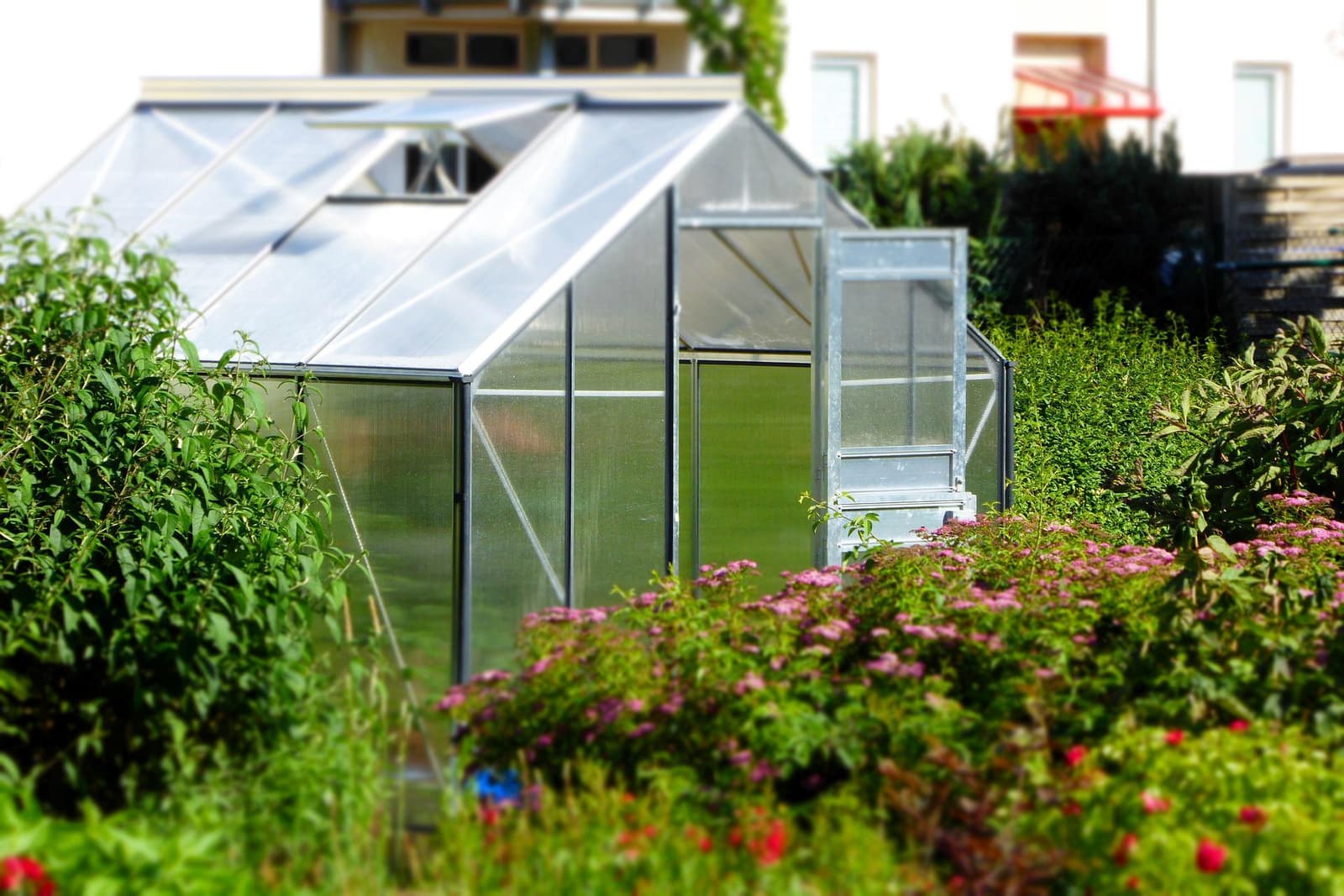
To maintain your already thriving plants or to shelter them from the cold weather during spring and autumn, there are multiple options available to you. Whether to protect your plants from the winter’s cold front or to keep your flimsy plants protected against adverse weather conditions, a greenhouse is an ideal solution, fit for all green thumbs or aspiring gardeners out there.
Amanda Harvey
•04 Jun 2025
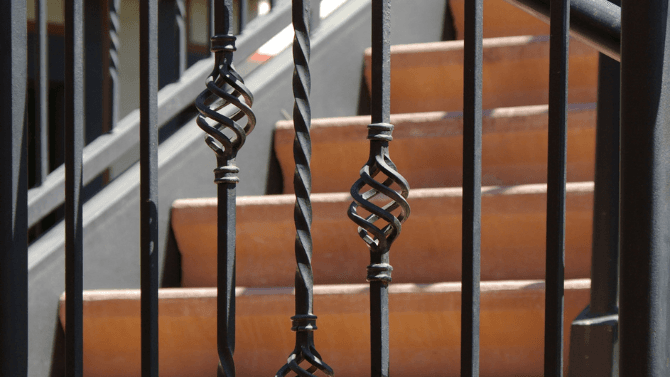
Having a wrought iron staircase on the exterior of any home is lucky. Wrought iron staircases are beautiful pieces that add to the resale value of the property as a highly sought-after item. This type of staircase is forever, with limitless design options. They do not show dust and are easy to clean and to maintain.

Amanda Harvey
•08 Nov 2023
After the excesses of the holiday season and at the start of a new year, society becomes captivated with making resolutions that often manifest in better lifestyle choices: people look to live cleaner and more efficiently while still indulging in their passions. In this regard, the Swedish concept of "Lagom" is currently trending: an ethos of moderation and minimalism.

Editorial Team
•05 Dec 2023
Over the last few years, homeowners have become increasingly aware of the importance of making eco-friendly interior design choices. In a world of convenience and waste, it’s easy to fall prey to adorning homes with furniture and materials that are damaging to the planet.
Editorial Team
•04 Oct 2024
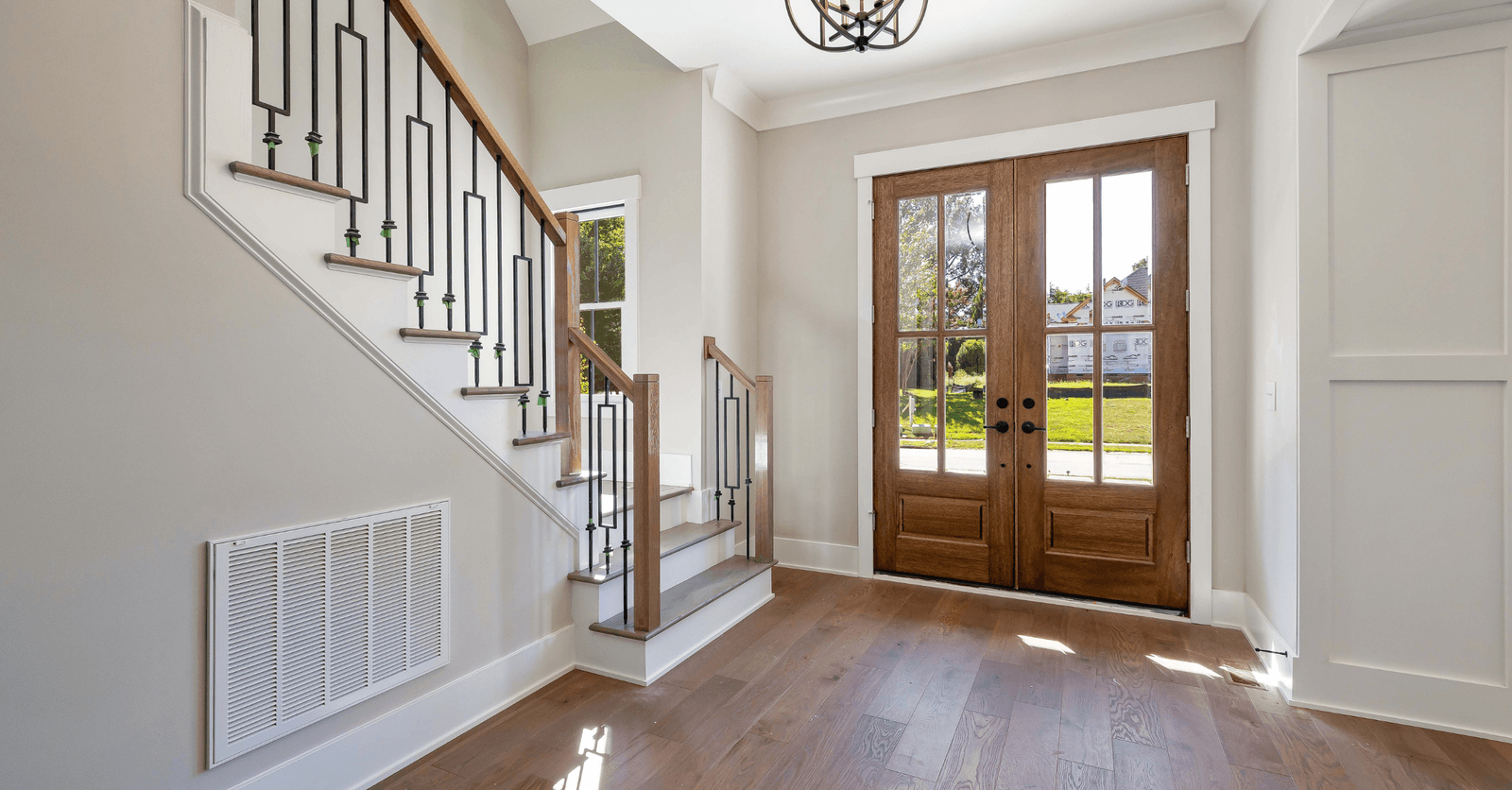
The entrance of a home is a space often neglected when considering the overall layout. We don’t spend so much time in this space, as we commonly pass through it quickly when coming or going. Of course, we underestimate the extent to which the layout of our entrance can have a considerable impact on our quality of life.