Tools for Construction: Essential Hand Tools, Power Tools, and More
By Editorial Team
Updated on March 27, 2026
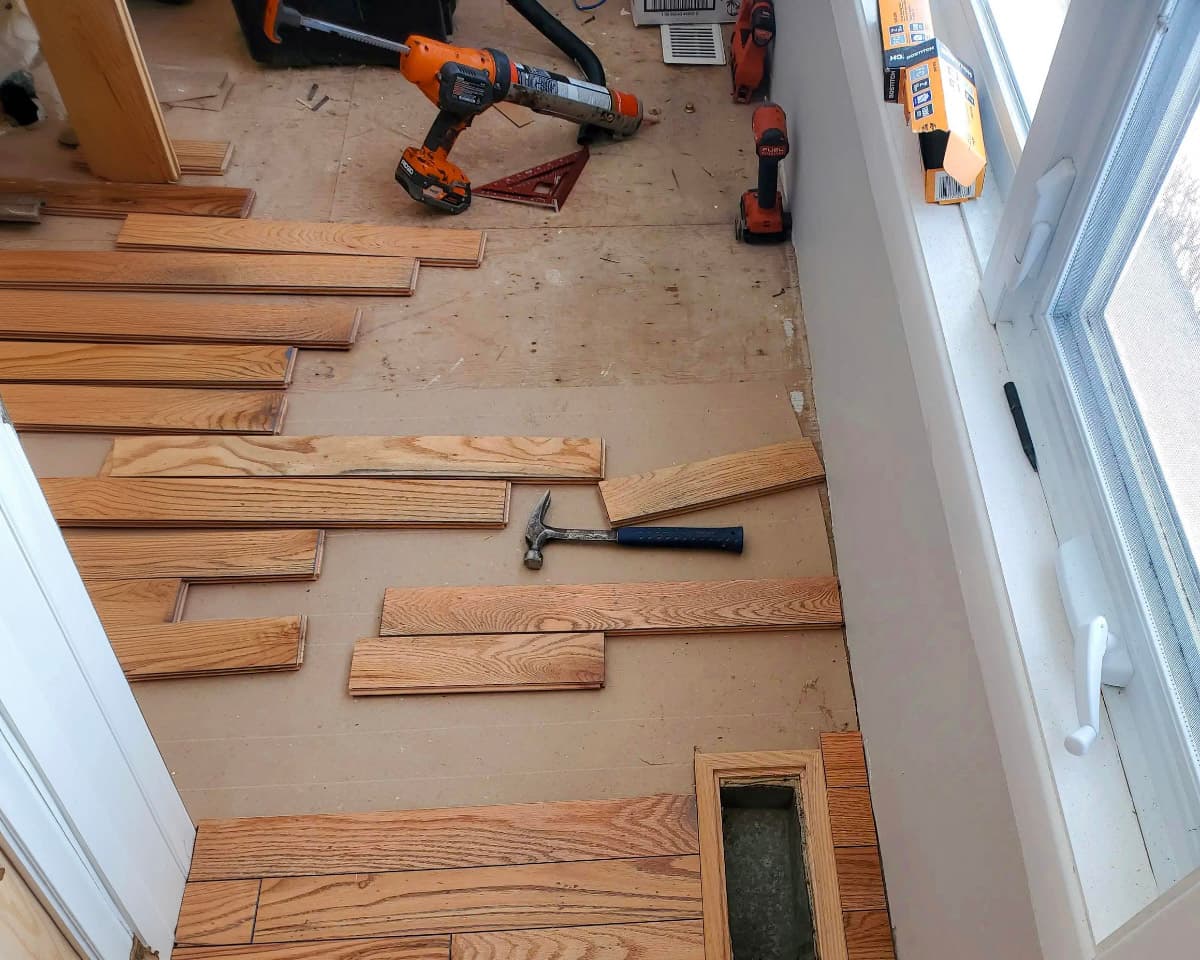
Summer construction season moves fast. Whether you’re gearing up for a busy stretch of renovations, concrete work, framing, or finish carpentry, having the right tools for construction (and a team that’s ready to use them safely) is what keeps schedules tight and clients happy. Below is a practical, detailed list of common construction tools—traditional and modern—plus how to choose, maintain, and deploy them for peak summer demand.
Join Our Network and Receive Real Leads!
Do you want to start getting some real leads with serious customers?
Types of Construction Tools: A Clear Breakdown

Source: H Man Reno
Construction tools are easiest to understand when they’re grouped by what they help you do. The categories below cover the most common tool types you’ll see on jobsites, plus specialty tools that often save time during peak summer work.
Core hand tools: Everyday manual tools for measuring, fastening, prying, adjusting, and finishing.
Essential power tools and common equipment: Portable tools that speed up cutting, drilling, fastening, and demolition.
Concrete and masonry tools: Tools for placing, levelling, finishing, and correcting concrete and masonry work.
Modern and digital construction tools: Digital measuring devices, laser tools, and connected workflows (apps, BIM, and model viewing) that improve accuracy and coordination.
Heavy equipment and large-scale tools: Machines and big-site tools that dig, mix, move material, compact bases, and support access at height.
Specialty tools worth knowing: Trade-specific tools for tight situations, precision work, and niche tasks.
Storage, utility, and carry tools: Systems that protect tools, reduce loss, and keep crews ready to deploy.
Personal protective equipment (PPE): Safety gear that protects workers and supports consistent jobsite standards.
Tool safety and maintenance: Practices that keep tools reliable, sites organized, and crews productive.
Tool selection and care: How to choose the right tools for the work and keep them in good condition.
Popular brands and how to choose reliable tools: Brand guidance to help you evaluate durability, service support, and ecosystem compatibility.
Core Hand Tools Used in Construction

Source: Maconnerie Briquart Inc.
These are the everyday tools you’ll see on almost any jobsite. They’re simple, dependable, and often the first things to check when you’re prepping trucks and tool rooms for summer.
Hammers (Framing, Finish, and More)
Framing hammers: Heavier heads and longer handles for speed and power in rough carpentry.
Finish hammers: Lighter, for trim and detail work where surface marks matter.
Demolition hammers: Heavier-duty options for tear-out and general site work.
Hammer (basic claw): A staple for quick site tasks and general fastening.
Screwdrivers and Fastening Tools
Screwdrivers: Flathead, Phillips, square, and Torx for common fasteners.
Bit sets and nut drivers: Standardize across crews to reduce downtime and missing-tool delays.
Fastener organizers: Keep common screws and anchors on-hand for high-volume fastening work.
Pliers, Cutters, and Gripping Tools
Needle-nose pliers: For tight spaces and small fasteners.
Lineman’s pliers: For gripping, twisting, and heavier-duty cutting.
Slip-joint pliers: For adjustable gripping on mixed tasks.
Locking pliers: For clamping and holding when you need extra stability.
Diagonal cutters: For quick wire and tie cutting.
End cutters: For pulling and cutting nails and wire close to the surface.
Layout and Marking Tools
Tape measures: Core measuring tool for nearly every trade.
Chalk line: For straight layout lines over distance.
Squares: Speed square, framing square, and combination square for layout accuracy.
Markers and carpenter pencils: For clear marks on dusty or rough surfaces.
Essential Power Tools and Common Equipment
Power tools bring speed and consistency—especially critical when summer schedules stack up.
Drills and Drivers
Drill-driver: For general drilling and fastening.
Impact driver: For high-volume fasteners and tougher materials.
Spare batteries and chargers: Keep charged batteries ready each morning to prevent mid-day slowdowns.
Saws for Cutting and Demo
Circular saw: For framing, sheathing, and general cutting.
Reciprocating saw: For demolition and rough cut-outs.
Oscillating multi-tool: For tight cuts, trimming door jambs, cutting neat openings, and scraping glue, grout, or old sealant.
Blade selection: Match blades to material, and check cords and blades before peak weeks hit.
Heavy-Duty Portable Tools
Jackhammer: For concrete or asphalt removal and heavy demolition.
Concrete and Masonry Tools
Source: Construction Sujet inc.
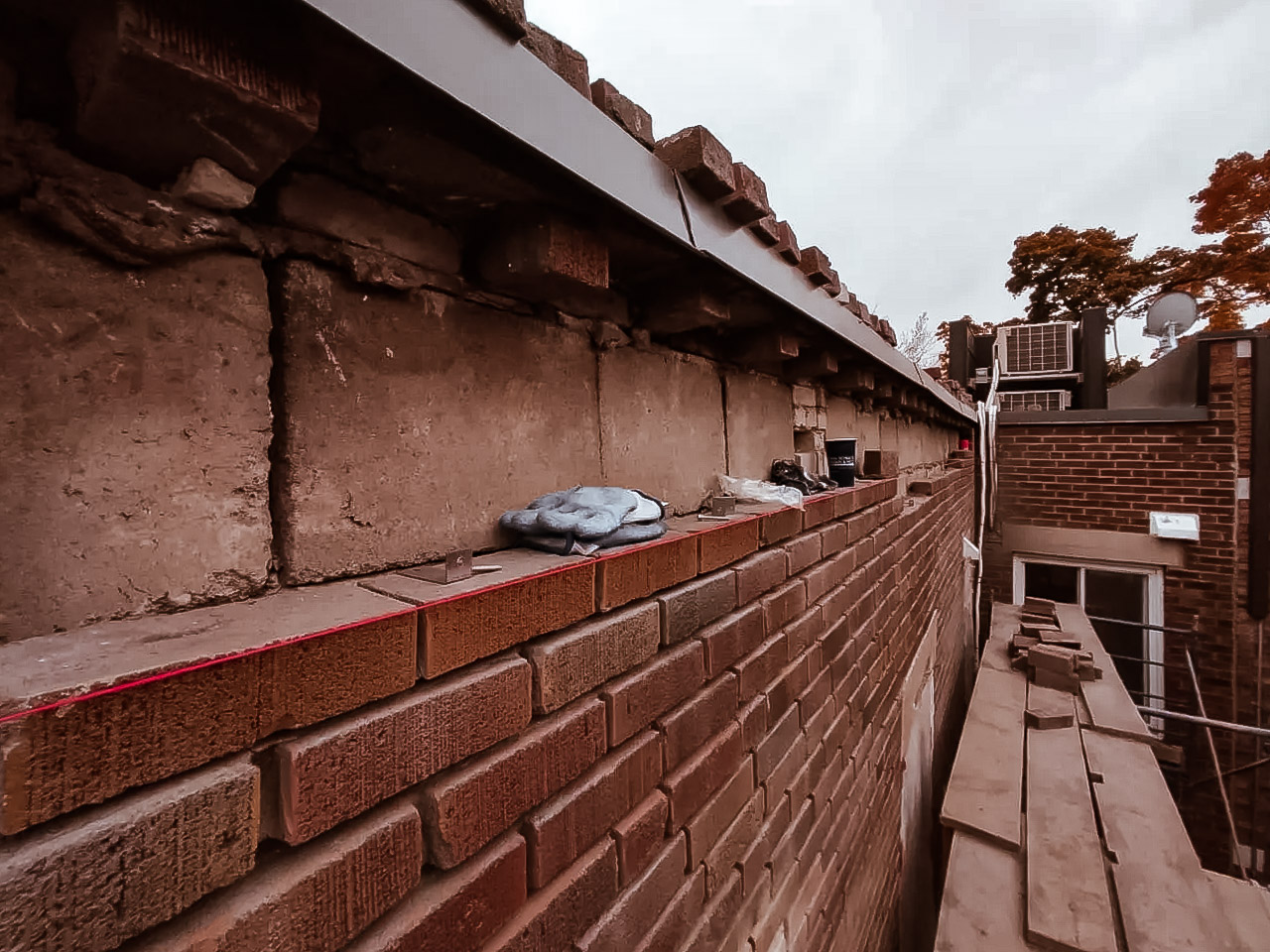
Concrete and masonry work is its own world. These tools help you place material, level it accurately, and refine the finish so you’re not grinding and patching later.
Screeds: Level concrete by striking off excess after placement.
Floats: Remove surface imperfections and help compact the surface after screeding.
Trowels: Refine and smooth the finish, shape edges, and handle detail areas.
Bolster chisel: Cut brick and block cleanly for masonry adjustments.
Concrete vibrator: Consolidate concrete and reduce air pockets, especially around reinforcement.
Bump cutter: Remove high spots and correct small surface irregularities after initial levelling.
Modern and Digital Construction Tools
Modern tools don’t replace fundamentals—they reduce rework and speed up decision-making, especially when crews are moving fast. The biggest gains usually come from digital measuring, laser-based alignment, and connected field workflows.
Digital Measuring and Layout
Digital measuring tools—like laser distance meters, digital tape measures, and measuring wheels—boost layout accuracy and crew efficiency by reducing common error points like misreads, slack tape, rounding, and lost notes.
Laser distance meter: Best for long rooms, high ceilings, stairwells, or anywhere a tape is awkward. It’s excellent for solo work because you can measure wall-to-wall without needing someone on the other end.
Digital tape measures: Ideal for short spans like doors, windows, cabinet runs, and rough openings, with clearer readouts and, on some models, saved measurements for faster handoffs.
Measuring wheels: Built for large-scale layout tasks like site perimeter checks, driveways, fence lines, parking areas, and rough grading reference distances.
Practical situations where these tools outperform a traditional tape measure:
Working alone: Laser distance meters let one person measure long runs without juggling two ends.
Open areas and long spans: Wheels and lasers stay quick and consistent where tapes sag or require repeated resets.
High-frequency verification: Faster repeated checks across multiple rooms, units, or floors.
Cleaner handoffs: Saved or shareable measurements reduce miscommunication and rework.
Laser Levels and Why They Matter
Laser levels turn a short reference check into a whole-room reference system. Instead of levelling in small sections, a laser projects consistent lines across walls and floors to keep work uniform.
Reference lines: Project straight, continuous lines to align layout across a full room.
Elevations and heights: Set repeatable heights for ceilings, tile bands, cabinetry lines, handrails, and stair references.
Consistency across teams: A shared reference reduces mismatched heights and “almost level” results between trades.
Tasks where laser levels are especially valuable:
Ceiling installation: Keeping drops, grids, and fixtures uniform.
Tile work: Preventing drift over long runs.
Exterior grading: Holding consistent reference points for slopes and elevations when paired with proper checks.
Stairs, countertops, and long walls: Reducing cumulative errors from section-by-section levelling.
Software, Apps, and Field Operations
Construction-specific apps and digital tools improve workflow when they make information easier to capture, easier to share, and harder to lose—especially during summer, when schedule pressure can turn small gaps into missed days.
Photo-based measurements: Take a photo and mark dimensions directly on the image for clear, shareable context.
Digital note-taking: Store room sizes, window counts, material notes, and punch-list items in one place for fast follow-up.
Real-time plan sharing: Keep the latest drawings accessible so crews aren’t building off outdated prints.
Office and client-facing integration: Sync field notes and photos back to office systems so change orders, updates, and follow-ups don’t lag behind the work.
Smart and AI-Enabled Construction Tools
AI tools, BIM, and model viewers are most useful when they support coordination and clarity. They don’t replace trade skills—they reduce confusion and help teams make better decisions faster.
BIM: Flags clashes before installation, such as ducting versus framing or conduit routes versus blocking.
Three dimensional model viewers: Let crews confirm elevations and details on-site, reducing guesswork from 2D drawings alone.
Progress tracking: Photos or drone captures can help compare real progress to planned milestones.
Time and materials visibility: Some tools help track labour, material usage, and productivity trends for better planning and control.
Monitoring and Communication
Drones: Useful for roof checks, progress photos, and basic site reviews where permitted and operated safely.
Communication radios: Reduce delays on larger sites by keeping crews, deliveries, and safety calls aligned.
Heavy Equipment and Large-Scale Tools
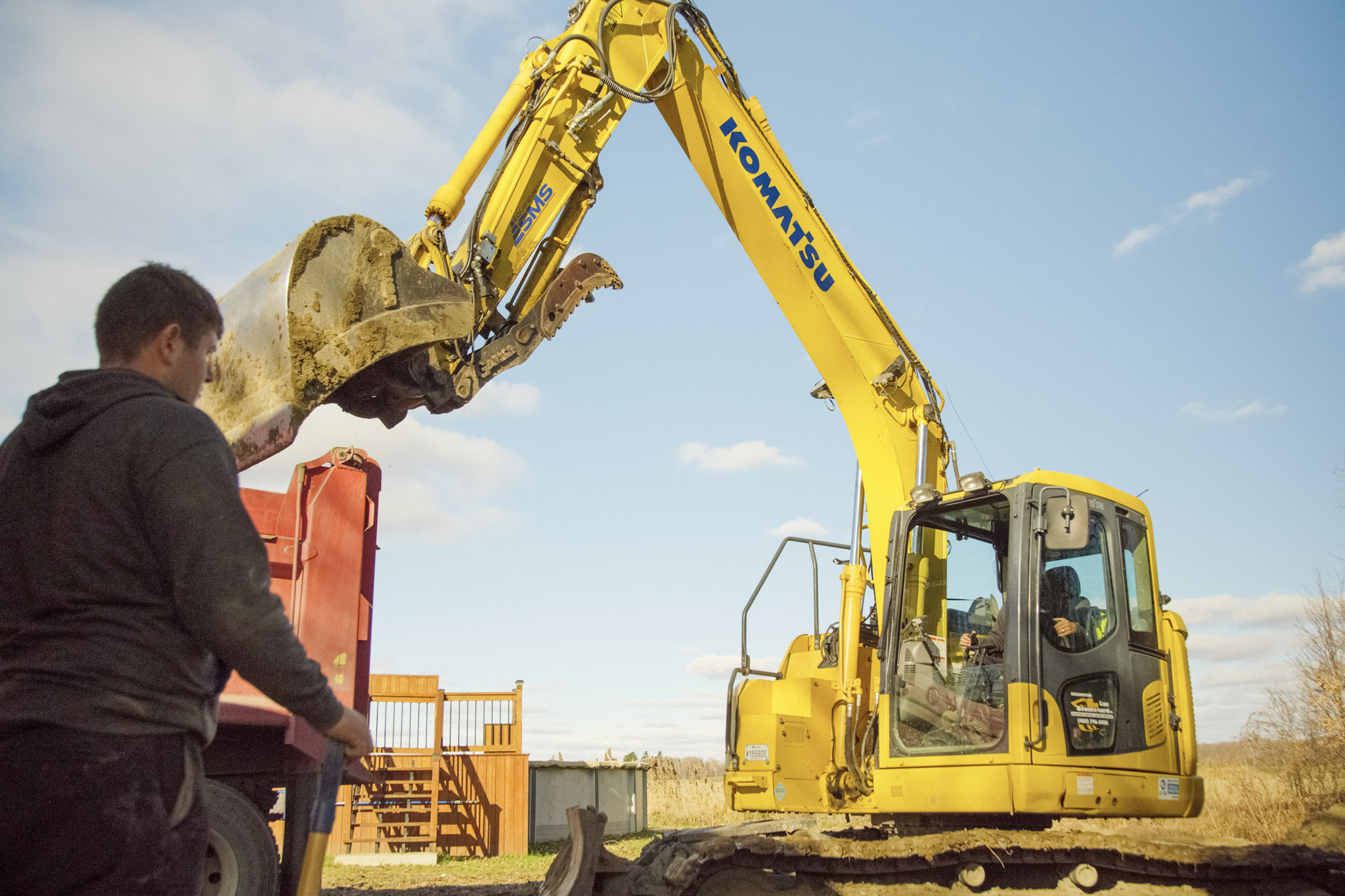
Hand tools and power tools are only part of the picture. Larger projects rely on equipment that handles digging, moving material, mixing, and base preparation.
Excavators: Dig foundations, trenches, and grade areas efficiently for site preparation.
Skid steers or compact loaders: Move material, clear debris, and support grading and landscaping tasks.
Concrete mixers: Produce consistent mixes for slabs, footings, and repair work when ready-mix isn’t practical.
Plate compactors: Compact subgrade before pavers, concrete, or asphalt go down to reduce settling and failure.
Scaffolding and mobile scaffolding: Provide safer access at height than improvised platforms.
Ladders: Support access for inspections and punch-list work when used correctly on stable footing.
Specialty Tools Worth Knowing
These tools aren’t on every belt, but they can save hours when the situation calls for them—especially on renovation-heavy summer jobs.
Modern stud finders: Locate studs and backing behind drywall to improve fastening accuracy and reduce patching.
Tile cutters: Create clean, repeatable cuts for tile installs and flooring work.
Utility vise: Hold materials steady for cutting, drilling, or grinding when you need controlled force and safer hands.
Specialty clamps and sets: Useful for finish carpentry, cabinetry, and detailed installs.
Storage, Utility, and Carry Tools
Tool performance drops fast when gear is damaged, missing, or scattered. Storage and carry systems are part of operational readiness.
Tool belts: Keep essentials accessible and reduce repeated trips across the site.
Tool cases and bins: Protect tools during transport and speed up daily load-outs.
Labelled organizers: Reduce tool loss and support team optimization across multiple crews.
Personal Protective Equipment (PPE): The Non-Negotiables

Source: Reno Quotes
PPE is as essential as the tool itself—especially when seasonal hires join a crew. Treat PPE readiness as part of your summer kickoff.
Head, Eye, and Hearing Protection
Hard hats or safety helmets: Protect against overhead and impact hazards.
Safety glasses or safety goggles: Shield eyes from debris, dust, and splash.
Hearing protection: Keep both earmuffs and earplugs available so workers can choose the best fit.
Hands, Feet, and Respiratory
Gloves: Match to task, such as cut-resistant, chemical-resistant, or general work.
Safety boots: Choose the right toe protection and sole rating for the jobsite.
Rubber boots: Useful for wet conditions and concrete work.
Face masks or respirators: Use when dust exposure or airborne particles are likely.
Fall and Elevated Work
Fall gear: Harnesses, lanyards, and anchors when required by the work.
Edge protection: Pair gear with safe access and site controls for best protection.
Training and Consistency
PPE works best when it’s paired with construction work training, clear rules, and supervisors who reinforce habits. In summer, when staffing shifts, don’t rely on assumptions—make standards visible and repeatable.
Tool Safety and Maintenance That Keeps Crews Moving
The fastest way to lose a summer schedule is repeated tool failures, preventable incidents, or a site that’s disorganized.
Daily and Weekly Checks
Equipment inspection: Check cords, guards, housings, bits, blades, and safety switches.
Manufacturer’s instructions: Follow them closely, especially for battery systems and cutting tools.
Power distribution: Plan loads, protect circuits, and avoid unsafe extension-cord setups.
Jobsite Controls That Support Tool Safety
Organized construction space: Reduce trip hazards, tool loss, and wasted time.
Site lighting: Prevent miscuts and incidents during early starts or indoor work.
Guardrails: Use where required to prevent falls.
Toe boards: Add where needed to prevent tools and materials from falling.
Scaffolding: Use proper setup and inspection routines, and align scaffolding schedules early for summer demand.
Carry and Handling Systems
Tool handling: Reinforce safe grip, stance, storage between uses, and clear no-drop habits on ladders and elevated areas.
Tool Selection and Care: Picking the Right Gear and Keeping It Ready

Source: Reno Quotes
Not every crew needs every tool every day. The goal is operational readiness without overloading trucks.
Choose Tools by Task and Environment
Material matching: Choose the right tool and accessory for the material, not whatever is closest.
Quality of tools: Buy fewer, better tools for daily-use categories like drills, saws, and levels.
Battery standardization: Stick to one main battery platform where possible to reduce charger chaos and downtime.
Storage, Transport, and On-Site Protection
Dry storage: Keep tools protected from moisture to reduce rust and electrical issues.
Dust control: Use vac attachments and cleanup routines to extend tool life and protect lungs.
Storage and transport: Use labelled bins and cases to reduce damage and speed up morning load-outs.
Popular Brands and How to Choose Reliable Tools
Branded tools often cost more, but they can pay off in durability, safer performance, stronger warranties, and battery or parts compatibility that lasts for years. For busy summer workloads, fewer breakdowns and faster service support can matter more than saving a little upfront.
Widely Recognized Construction Tool Brands and What They’re Known For
DeWalt: Strong all-rounder for jobsite cordless tools, with a widely used battery lineup and contractor-friendly options.
Makita: Known for solid ergonomics, smooth operation, and a broad cordless range suited to day-long use.
Milwaukee: Often chosen for high-performance cordless tools, frequent innovation, and a deep lineup for crews building a full tool system.
Bosch: Well-known for measuring, layout, and laser tools, plus dependable professional-grade power tools.
Hilti: Premium option for concrete fastening, drilling, and jobsite systems where service support and specialty performance matter.
Stanley: Staple brand for hand tools, measuring tools, and storage essentials.
Metabo HPT: Often selected for strong value in nailers and general cordless and corded tools.
RIDGID: Common in select categories where durability and service support are deciding factors.
Specific Product Recommendations for Key Tool Categories
These examples are practical starting points. The best pick depends on your trade, workload, and which battery platform your crew already runs.
Cordless drill-driver: Milwaukee M18 FUEL 1/2-inch hammer drill-driver for power, reliability, and broad battery ecosystem support.
Cordless circular saw: DeWalt FLEXVOLT 60V 7-1/4-inch circular saw for heavy-duty cordless cutting on framing and sheathing.
Green line laser level: DeWalt 3 x 360 green laser level for full-room reference lines and interior layout consistency.
Rotary laser for grading and large areas: Topcon RL-H5A rotary laser for wide-area levelling and repeatable reference work.
Why Brand Ecosystems Matter for Crews
A brand ecosystem is less about the logo and more about reducing friction on-site.
Shared batteries and chargers: Fewer dead tools and fewer mismatched chargers.
Simpler tool management: Easier spares, easier tracking, and more consistent load-outs across trucks.
Lower downtime: Compatibility problems become schedule problems fast when summer demand spikes.
How to Evaluate and Compare Brands Before Buying
Company’s reputation: Look for consistent performance in your trade, not just general popularity.
Warranty and repair network: Confirm local service options and typical turnaround times.
Parts availability: Batteries, guards, switches, and common wear parts should be easy to replace.
Real user feedback: Prioritize reviews from people doing similar work at similar frequency.
Affordability and total cost: Consider tool price plus batteries, chargers, replacement parts, and expected lifespan.
Niche and Specialty Brands Worth Knowing
Hilti: Often favoured for premium concrete fastening, drilling, and service-backed jobsite systems.
Festool: Common for high-end woodworking and finish work where dust control and precision are priorities.
Layout and survey brands: Rotary lasers and grade tools often come from dedicated layout specialists for large-scale accuracy needs.
Quick Reference Checklist: Common Tools for Construction by Category
Use this as a fast double-check when you’re stocking trucks, refreshing the tool room, or prepping for a busy summer schedule.
Hand tools: Framing hammers, finish hammers, screwdrivers, pliers, cutters, squares, chalk line, tape measures.
Power tools: Drill-drivers, impact drivers, circular saws, reciprocating saws, oscillating multi-tools, jackhammers.
Measuring and layout tools: Laser distance meters, digital tape measures, measuring wheels, laser levels, layout apps.
Concrete and masonry tools: Screeds, floats, trowels, bolster chisels, concrete vibrators, bump cutters.
Heavy equipment and large-scale tools: Excavators, skid steers, concrete mixers, plate compactors, scaffolding, ladders.
Specialty tools: Stud finders, tile cutters, utility vises, specialty clamps and sets.
Safety tools: Hard hats, safety glasses or goggles, gloves, hearing protection, safety boots, fall gear.
Summer Readiness Takeaway
Summer schedules reward the crews that prepare early. When your tools for construction are organized, inspected, and ready to deploy—hand tools, power tools, PPE, and modern digital gear—you cut downtime, reduce rework, and keep quality consistent even when the pace picks up. Treat summer project preparation as a team effort: standardize core kits, confirm charged batteries, replace worn blades, and refresh safety expectations so everyone works the same way on day one. Then match that operational readiness with timely client follow-up—confirm scopes, materials, and start dates early—so your crew stays booked, your calendar stays efficient, and summer demand turns into smooth, profitable work instead of last-minute scrambling.
Looking for something else?
Related articles
The latest industry news, interviews, technologies, and resources.
Editorial Team
•07 Aug 2025
Are you an HVAC contractor in Sherbrooke looking for reliable projects in 2025? Whether you specialize in air conditioning, thermopump installations, or refrigeration systems, the demand for skilled professionals continues to grow. This guide outlines practical ways to connect with high-value clients, optimize your services, and stay ahead of your competition—all tailored to the Sherbrooke market.

Editorial Team
•19 Aug 2025
The establishment of new structures, exploitation sites, companies, or other projects often stirs up animosity and controversy among the population, especially when the natural resources of a territory are affected. Public and interest group opinions vary in every direction, both logically and emotionally, and most of the time they clash. While some wish to preserve a place intact and reject all forms of capitalism, others are more inclined to consider the sharing of benefits, local economic impacts, and the creation of jobs, for example.

Amanda Harvey
•18 Jun 2024
Plumbing problems quickly shake up our day-to-day habits. Since we're used to having access to clean water, as soon as a situation complicates this process, many of our daily tasks are affected.

Editorial Team
•08 Nov 2023
As the cold weather arrives, the lucky few who can afford it may look forward to a vacation home getaway, a place dedicated to comfort and relaxation. On a winter evening, what could be better than a cozy fireplace, surrounded by good company, as well as an all-white landscape visible through the windows?
Editorial Team
•16 Dec 2023
Floors are made up of several layers. Beyond the walking surface, meaning the flooring, the strength and durability of the floor rely on the structure of the house, joists, subfloor, and underlayment. When building or renovating a floor, you have to think about each of these layers, as they play a much more important role than one may know.