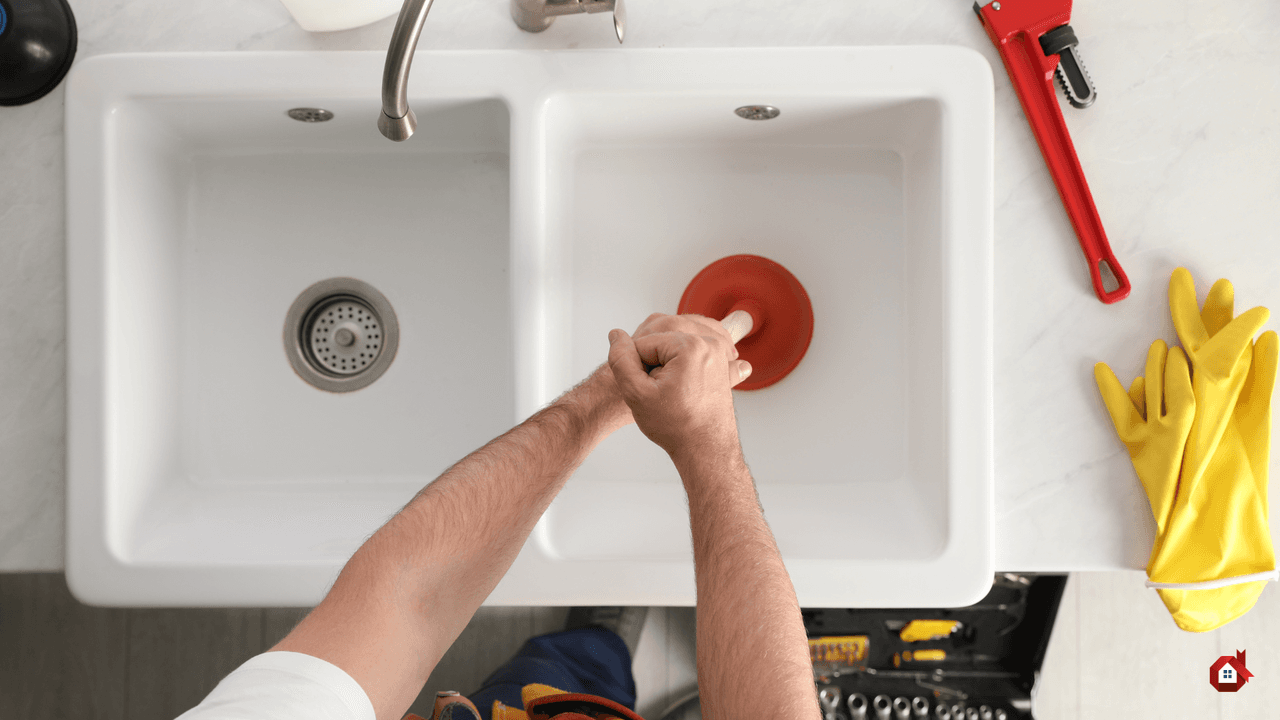
Blocked drains are a common nuisance that can lead to significant problems in your home, including unpleasant odours, water damage, and potential health hazards. Understanding the causes of these blockages is the first step in preventing them and maintaining a smoothly functioning plumbing system.
In this blog post, we will explore the top five reasons why your drains might be blocked. By identifying these common culprits and learning how to address them, you can keep your drains clear and avoid costly repairs.
Reason 1: Accumulation of Hair and Grease
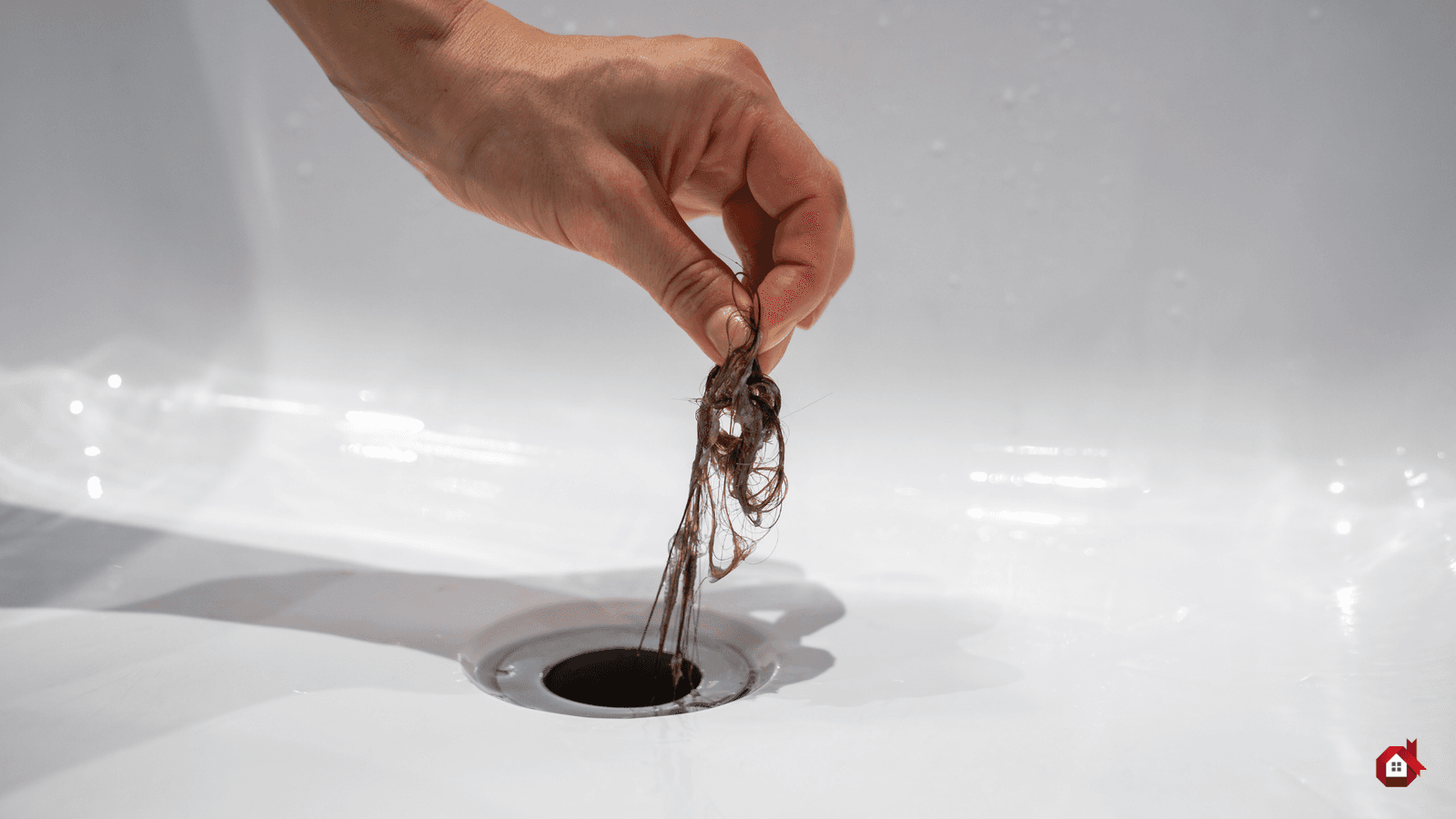
One of the most common causes of blocked drains is the accumulation of hair and grease. In bathrooms, hair can easily get trapped in the drain, especially when washing or shaving. Over time, this hair forms clumps that restrict water flow and lead to blockages.
In kitchens, grease and fat from cooking can build up inside the pipes. When hot grease is poured down the sink, it may seem harmless, but as it cools, it solidifies and adheres to the inner walls of the pipes. This layer of grease traps food particles and other debris, creating a stubborn blockage.
To prevent these issues, use drain guards to catch hair before it goes down the drain and dispose of cooking fats in a container rather than the sink. Regularly cleaning your drains with hot water and mild detergent can also help keep them clear.
Reason 2: Tree Root Infiltration
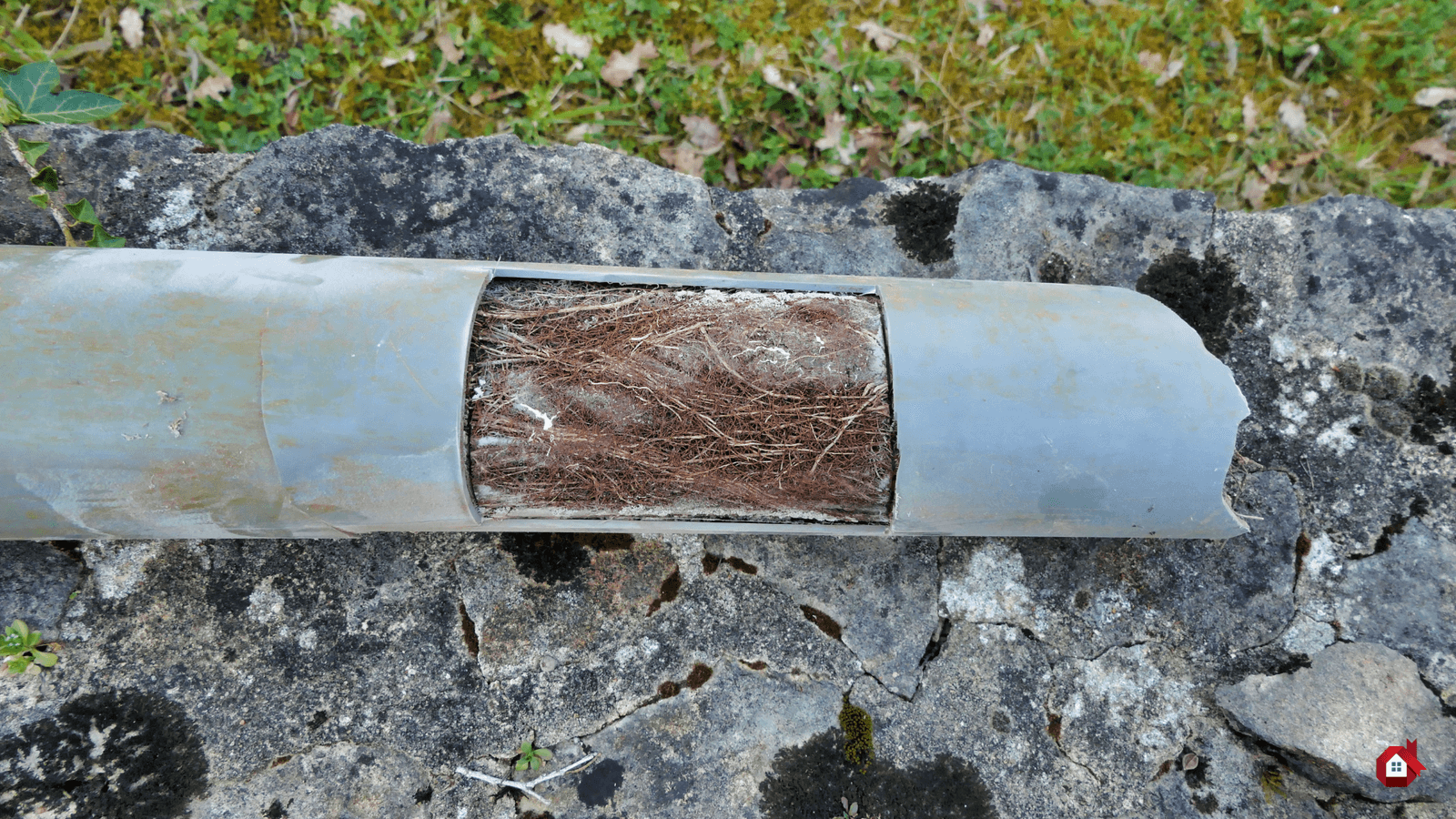
Tree roots can be a significant cause of blocked drains, especially in older plumbing systems. As trees grow, their roots naturally seek out water sources, often infiltrating small cracks or joints in underground pipes. Over time, these roots expand and cause substantial blockages.
Tree roots block stormwater drains by penetrating the pipes and growing inside them. This growth not only obstructs the flow of water but can also cause the pipes to crack or collapse under pressure. During heavy rainfall, blocked stormwater drains can lead to flooding and water damage around your property.
To prevent tree root infiltration, regular inspections of your plumbing system are essential. Consider installing root barriers and ensuring that trees are planted a safe distance away from your drainage system. If you suspect that tree roots have already infiltrated your pipes, it’s best to seek professional help to assess and address the issue before it causes severe damage.
Reason 3: Foreign Objects
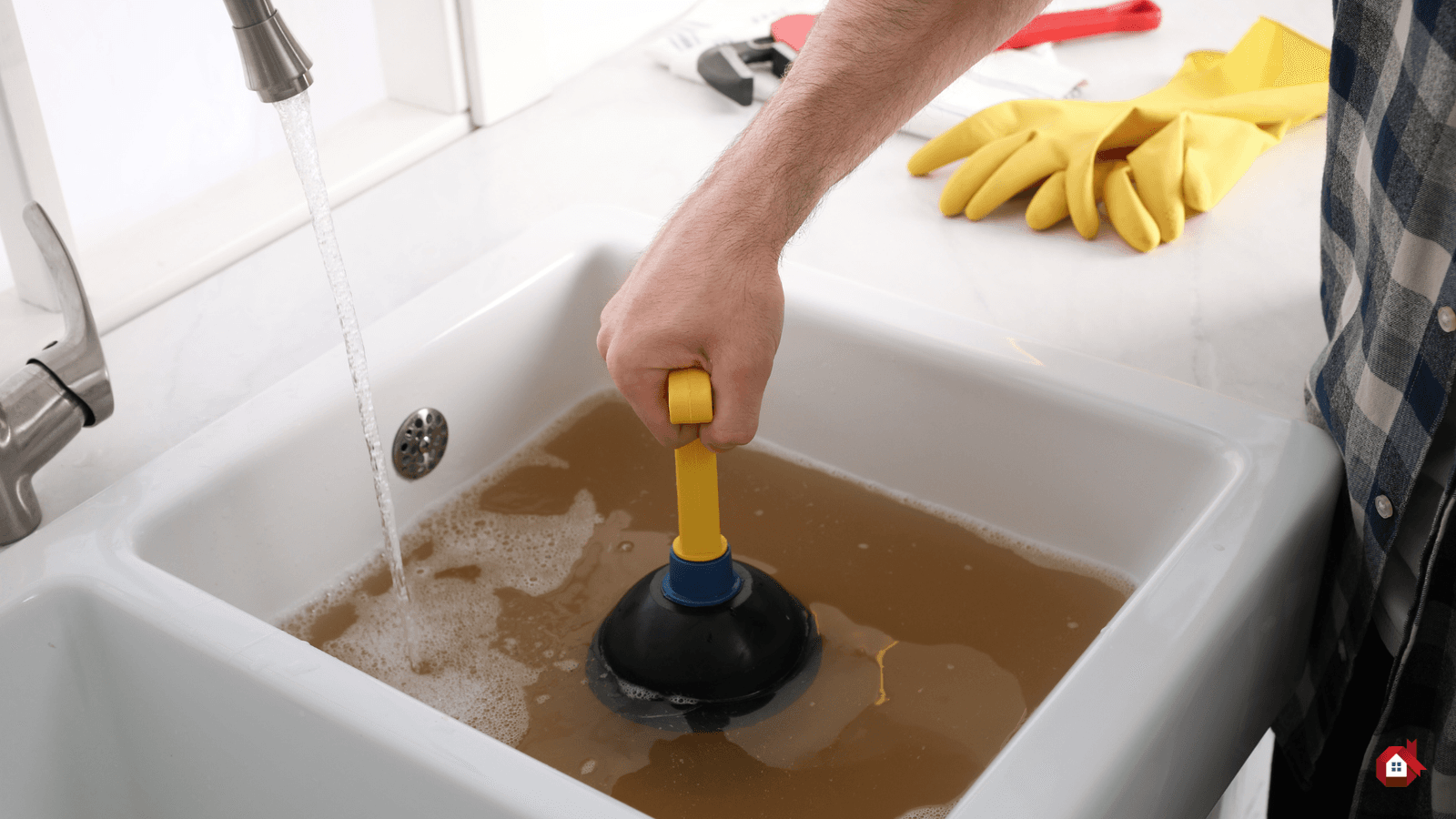
Foreign objects are another major culprit when it comes to blocked drains. Items such as sanitary products, wipes, and children's toys can accidentally end up in the plumbing system. These objects can cause immediate blockages or accumulate over time, eventually obstructing water flow.
Sanitary products and wipes, even those labelled as flushable, do not break down easily in water. They can catch on pipe joints or existing debris, quickly forming a blockage. "Although marketed as flushable, wipes should not be put down the toilet. They clog up drains and sewer systems, costing a lot of money." CBC Canada
Similarly, small toys or household items can be accidentally flushed or washed down the drain, leading to significant blockages that require professional removal.
To avoid these problems, educate household members about what should and should not be flushed or washed down the drain. Keep a waste bin in the bathroom for sanitary products and wipes, and ensure children are aware of the importance of keeping toys away from sinks and toilets.
Reason 4: Pipe Scale and Mineral Build-Up
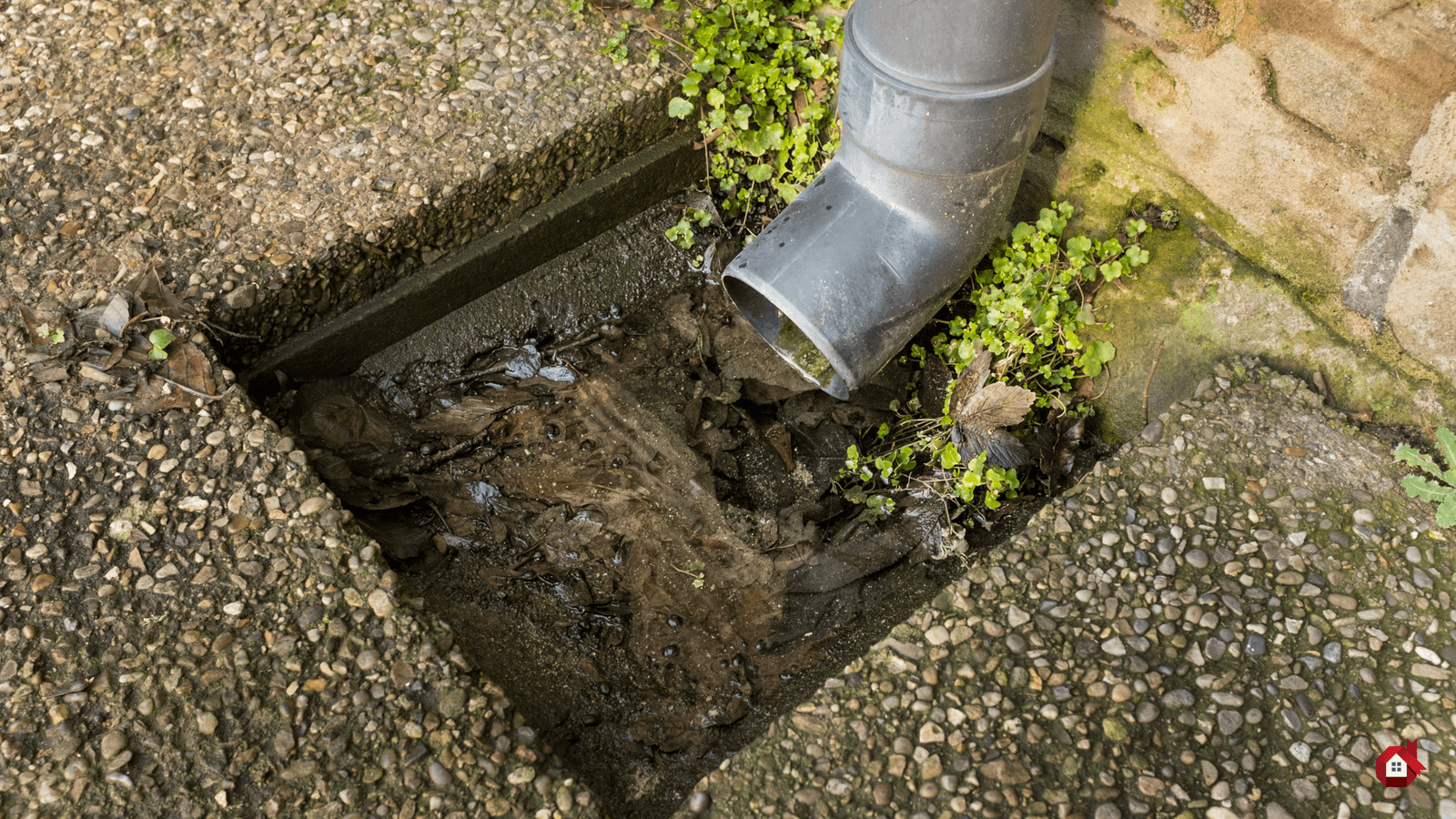
Pipe scale and mineral build-up can significantly impact your drainage system. Over time, minerals like calcium and magnesium present in hard water can accumulate inside your pipes. This build-up, known as pipe scale, narrows the diameter of the pipes, restricting water flow and leading to blockages.
In addition to reducing water flow, pipe scale can create a rough surface inside the pipes, which traps other debris and exacerbates the blockage problem. The mineral deposits can also corrode the pipes, causing leaks and further drainage issues.
To manage and prevent pipe scale and mineral build-up, consider installing a water softener to reduce the hardness of your water. Regular professional cleaning of your plumbing system can also help remove existing scale and prevent future build-up. If you live in an area with particularly hard water, more frequent maintenance may be necessary to keep your drains clear and functioning efficiently.
Reason 5: Misaligned or Collapsed Pipes

Misaligned or collapsed pipes are another common reason for blocked drains. Over time, soil movement, ground settling, or external pressure from construction work can cause pipes to shift out of alignment or even collapse. This misalignment disrupts the normal flow of water and can lead to significant blockages.
When pipes become misaligned or collapse, they can create gaps or narrow sections where debris easily accumulates, leading to persistent drainage issues. In severe cases, a collapsed pipe can completely obstruct the flow, causing water to back up into your home or garden, resulting in damage and potential health hazards.
To detect and address misaligned or collapsed pipes, regular inspections by a professional plumber are crucial. Advanced techniques like CCTV drain surveys can identify issues deep within the drainage system that are not visible from the surface. If you suspect your pipes are misaligned or have collapsed, it’s essential to seek professional help immediately to prevent further damage and costly repairs.
Keep Your Drains Clear Today!
Blocked drains can cause a range of problems, from unpleasant odours to serious water damage. Understanding the top reasons for these blockages, such as hair and grease accumulation, foreign objects, tree root infiltration, pipe scale, and misaligned or collapsed pipes, is key to prevention and maintenance.
Regular inspections, proper waste disposal, and timely professional help are essential to keeping your drains clear. By addressing these common issues proactively, you can avoid costly repairs and ensure your plumbing system functions smoothly. Don't hesitate to seek expert advice if you encounter persistent drainage problems.
Learn more about how to safely unclog your drain pipe.
Get 3 renovation quotes for your plumbing project
RenoQuotes.com can help you get quotes for your plumbing project. If you submit your project to us, we’ll put you in contact with top-rated contractors. Fill in the form on the homepage (it only takes a few minutes), and you will get estimates from trusted professionals.
Dial 1-844 828-1588 to speak with one of our customer service representatives.
Looking for something else?
Related articles
The latest industry news, interviews, technologies, and resources.

Editorial Team
•08 Nov 2023
Considering updating your bathroom but unsure where to start? A bathroom is one of the most used spaces in a house and as such, it should be both comfortable and functional. Being that it’s so frequently used, an ideal bathroom is one which doesn’t wear out easily and makes use of materials that stand up over time.
Amanda Harvey
•08 Nov 2023
The bathroom is arguably the most loved room of the home, as it is visited several times a day, morning, noon and night! With that in mind, it’s no wonder that the bathroom needs to be renovated every so often. If you’re looking for a way to give your bathroom a modern update, or you just need to take care of those rougher edges, look no further!

Editorial Team
•08 Nov 2023
Buying a house is probably the single most important financial investment of a lifetime. Therefore, a future homeowner should be assured of paying a fair price for their new property and avoid being confronted with unforeseen work and the costs that come with it.
Editorial Team
•16 Jul 2026
The housing crisis has been a pressing issue in Ontario for several years now, with rising prices and low availability making it increasingly difficult for residents to find affordable and suitable housing. In response to this, modular homes or housing have emerged as a potential solution that could help address these challenges and provide a more sustainable and efficient way to build homes in the province.

Cynthia Pigeon
•08 Nov 2023
If there is one thing every homeowner dreads before starting a renovation project, it has to be the possibility of encountering unforeseen issues, especially the possibility of exceeding the set budget for the project. So, here is a tidbit of advice on how to deal with such a situation should the hired contractor carry out additional work or should you discover a hidden defect.