Alternative Living: Types of Alternative Homes on Wheels
By Editorial Team
Updated on November 8, 2023
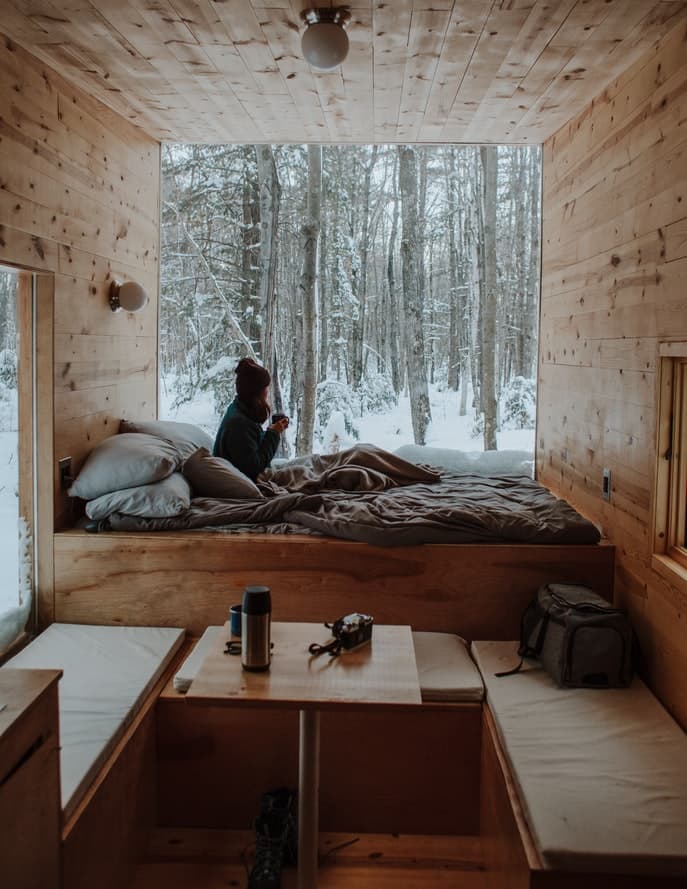
Many homeowners, as well as those aspiring to become homeowners, may dream of finding their way out of the city and living a life beyond societal confines. This could mean living in an alternative home. For some, this may be a home off-grid, with no dependence on a power grid, or the rules and regulations that come with living in an urban area.
For others, it could mean converting a van, a bus or other vehicle into a small house. Of course, if you’re interested in adopting an alternative lifestyle, there are plenty of options out there for you!
Living in an alternative home doesn’t simply mean leaving the city and never returning. In fact, it requires a resourceful nature as well as adaptability. In this article, we’ll discuss the different options of alternative homes out there.
The different types of alternative homes: on the road
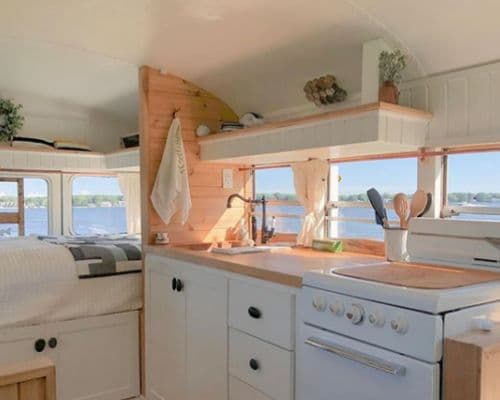
Some considerations
Before we delve into the different types of homes, let’s take into account some advice from an expert. We were lucky to get in touch with Danielle of Exploring Alternatives, an excellent resource for those considering living an alternative lifestyle. She and her partner Matt's channel focuses on the tiny and alternative home movement. Most alternative homes have a tiny, or stripped down quality to them. So, we were curious about the main considerations that are overlooked when it comes to folks going from a regular house to a much smaller, less intricate one or further, one on wheels. She writes:
“In a regular-sized home, the systems for water, electricity, and sewage are already in place and aren't really something you need to think about on a daily basis. But in tiny spaces and especially in tiny spaces on wheels, you need to plan and manage all of the inputs and outputs yourself. It's not just about living in a small space, but thinking about whether you will plug your house into an existing power source, or if you'll have solar panels and batteries. Whether you will connect a hose, dig a well, or collect and store rainwater. And whether you'll connect to a municipal wastewater system, a septic tank, or use a composting toilet.
Another consideration that comes up when we meet people who are living in tiny [alternative] spaces is that each item needs to have multiple functions or needs to have some kind of space-saving function. For example when a staircase also doubles as a storage closet. Or when a sitting area transforms into a guest bed.
Another big one that came up for us when we built our DIY camper van was air quality. Knowing that we'd be spending a lot of time in a small space, we paid close attention to the products we used while building and specifically chose products that had fewer chemicals in them. Things like hemp oil and beeswax for a wood finish, natural rubber for the mattress, organic cotton for the upholstery fabric, recycled cork insulation, and low VOC paint, varnish, and glue.”
With these considerations in mind, it offers us a clearer picture of what’s required when it comes to living in an alternative space that's on wheels. Here are some of the most accessible types.
Trailer
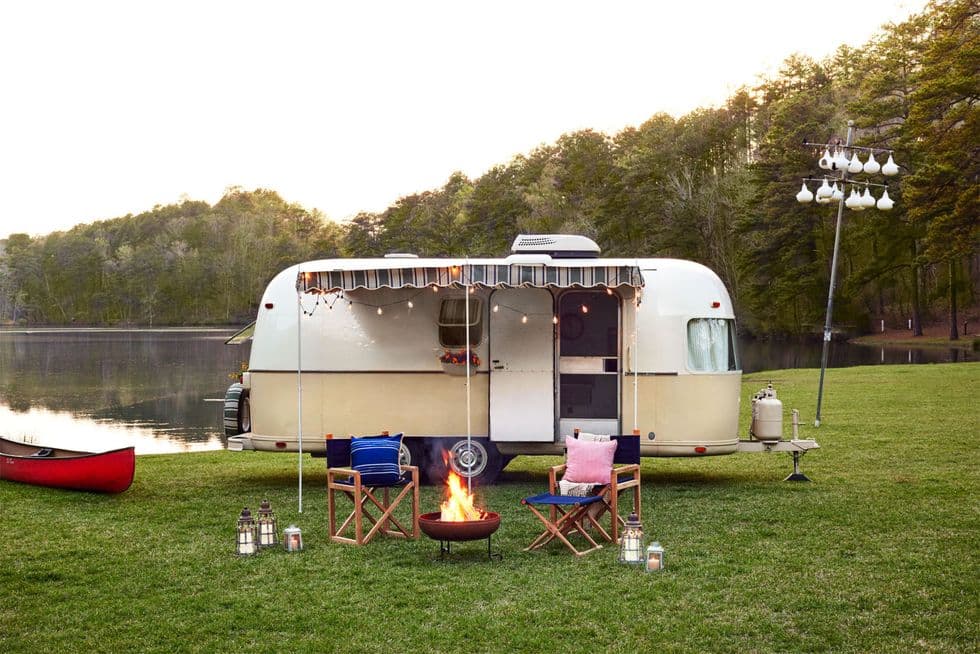
source: country living
A trailer is one of the most common types of alternative homes that many adopt. This is a result of their wide-spread use, as well as the ability to travel around and live almost anywhere. The size of a trailer is not nearly as important as having a functional and ergonomic layout. As Danielle mentions, it’s important to consider multi-functional pieces of furniture and decor in order to make this lifestyle possible, such as a bed that converts into a couch.
Since we’re writing this article from Canada, we must mention that one of the main concerns when it comes to living in a trailer is insulation and heating during the freezing cold Canadian winters. Some may consider installing a heated floor for an extra level of comfort. But what about insulation? We asked Danielle and she writes:
“Insulation is a really important part of building a tiny house that will be comfortable to live in year-round, especially in Canada! The most common methods we've seen are spray foam and rock wool. Spray foam is great because it can provide some additional structural rigidity and it's quick to install but it doesn't have any acoustic insulation value and depending on the spray foam chosen, the propellant can be a huge contributor to greenhouse gases. Rock wool is another common option and it's great because it's flame retardant, but the weight of this insulation should be taken into consideration since most tiny houses have a maximum weight limit based on the trailer being used. People are also experimenting with interesting natural and recycled insulation options like denim, wool, cork, and hemp.”
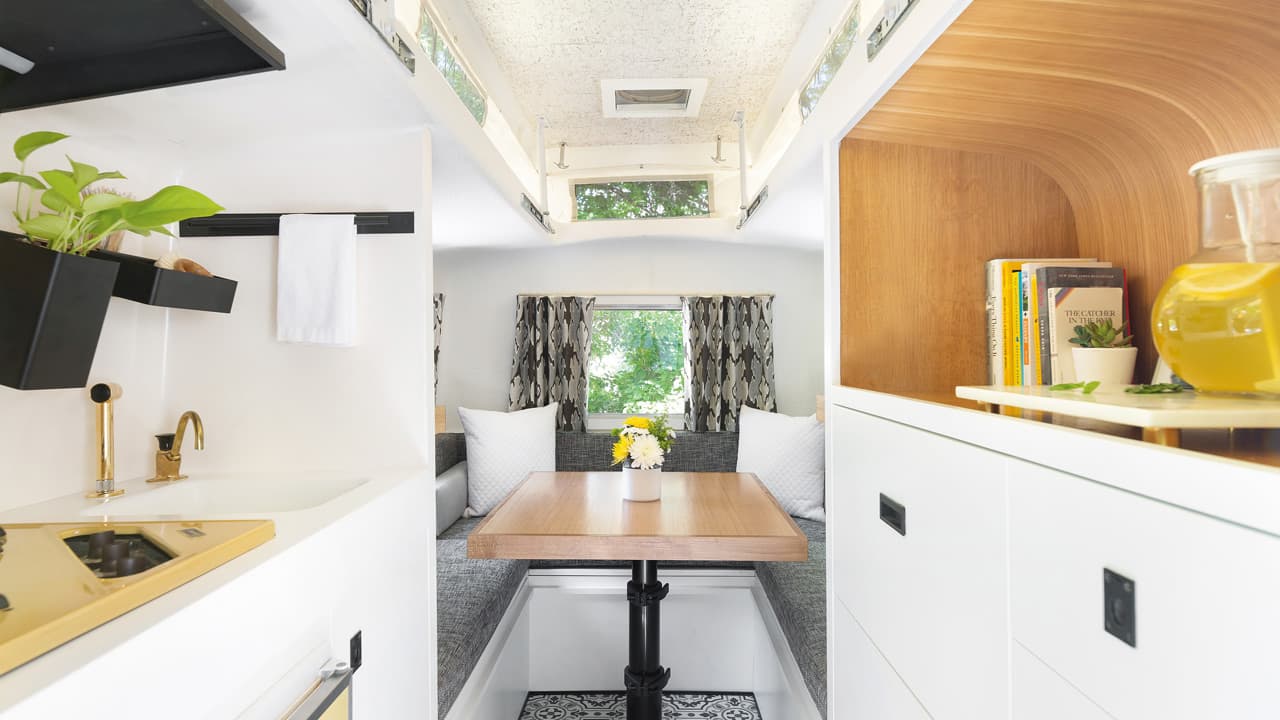
source: house & home
Van life
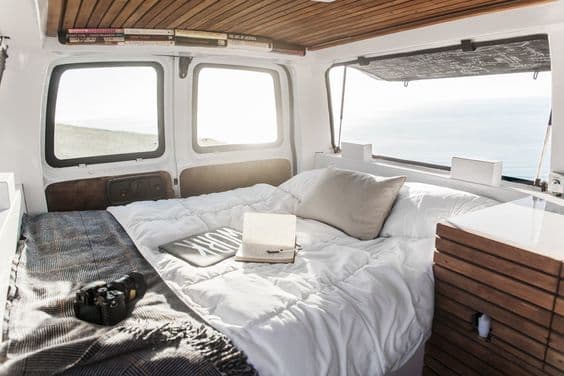
Whether obvious or not, van life refers to converting a van into a tiny home. The van life movement has gained much popularity over the last few years within nomadic communities and has many benefits for those looking for a little bit of adventure. In a similar fashion to trailers, living in a van offers homeowners a way to get out and see the world, with the ability to pick up and drive to a new destination and sleep there for however long one desires. Many vans use solar or battery power to run small kitchen appliances, sinks or toilets, and van owners tend to adopt an environmentally ethical lifestyle as a result.
As with all tiny homes on wheels, there are some major considerations to address when it comes to living in a van. Firstly, ventilation is very important, and so an external fan or a few for circulation and temperature control is a must. Insulation is never a given when living in a van, so you may consider the spray foam option to keep things cozy on those chilly nights. Lastly, vans are prone to breakdown, so learning how to take care of any mechanical problems is quite necessary.
source: Mind Body Green
Skoolie
Another option in the ever-expanding homes on wheels, a skoolie is a school bus that’s been converted into a tiny home. As with the options mentioned above, this one allows you to pick up, drive and be anywhere at any time. When it comes to gutting and refitting a school bus, you’re looking to spend an average of $15,000 in Canada, and this includes the bus itself.
It's important to note that our research suggests that one of the more difficult aspects of a bus conversion is tearing out the bus seats themselves. In most cases, it’ll be necessary to incorporate the wheel wells into the overall design. As with many tiny home conversions, water and insulation as 2 main considerations, as many models of buses and vans do not include bathrooms.
 source: skoolie livin
Here's an interesting video about a home on wheels published on the Exploring Alternatives YouTube channel:
Get 3 renovation quotes for your home renovation project
RenoQuotes.com can help you get quotes for your home renovation project . If you submit your project to us, we’ll put you in contact with top-rated contractors. Fill in the form on the homepage (it only takes a few minutes), and you will get estimates from trusted professionals.
Dial 1-844 828-1588 to speak with one of our customer service representatives
Looking for something else?
Related articles
The latest industry news, interviews, technologies, and resources.
Cynthia Pigeon
•08 Nov 2023
If you're looking to either replace your aging roofing or build a new home, a steel (metal) roof can be a great investment. It's rather low maintenance compared to other options, keeps your home cooler during the summer months, and protects against harsh weather like wind, rain, hail, etc.
Editorial Team
•31 Jul 2026
LogisVert is the financial assistance program that was launched by Hydro-Québec over the summer of 2023, encouraging homeowners to carry out energy-efficient renovations. In the hopes of favouring an energy-efficient transition while also reducing the carbon footprint left behind by residential buildings, this program was established to financially aid homeowners who are considering improving the energy efficiency of their homes. In this article, we’ll take a closer look at the primary factors encompassing the LogisVert program and its eligibility criteria.
Editorial Team
•11 Feb 2025
Undertaking a renovation project entails a lot more than having the necessary know-how or skills, or simply outsourcing the project to qualified professionals. You must submit a building permit request to your municipality to legally carry out the planned work. Here’s everything you need to know about obtaining a building permit.
Editorial Team
•05 Sep 2024
By nature, the bathroom is a humidity-ridden and wet space. If you’re renovating your bathroom, avoiding waterproofing may save money in the moment, but it can lead to serious problems in the long run. Water dripping through the ceiling to the floor below, deteriorating tiles, peeling paint and mould are all realities of a bathroom that hasn’t been waterproofed.

Karine Dutemple
•07 Nov 2024
Whether we’re talking about small or large-scale projects, managing a building or a renovation project is not always obvious and it’s really easy to get overwhelmed. Whether it’s for organizing, reaching out to contractors or final decisions, everything can seem like a real puzzle.