5 Things to Know Before Upgrading Your Heating System
By Editorial Team
Updated on November 8, 2023
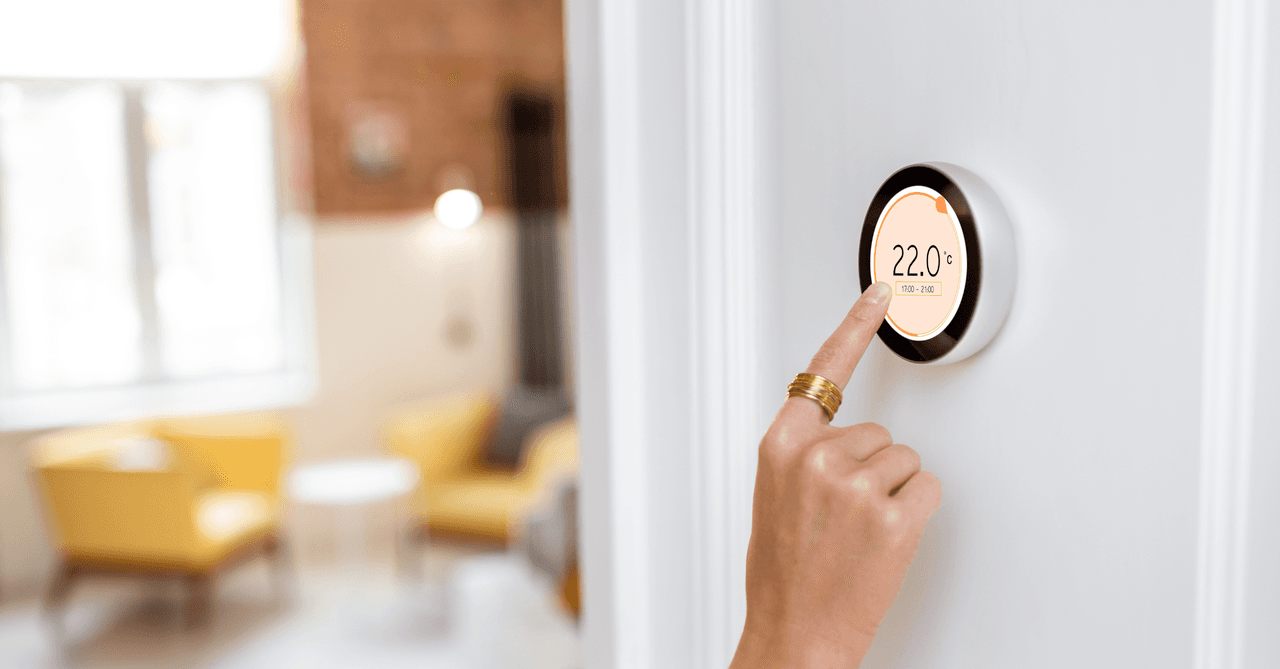
Homeownership almost always entails ongoing repairs, renovations, or upgrades. Note that on average, Quebecers allocate 64% of their residential energy expenditures to heating, and the costs can amount to $1,200 for an average-sized home. Surely, upgrading a heating system is a significant investment, but a wise decision in terms of energy conservation and minimizing consumption costs.
Under these circumstances, you’re required to compare systems to choose one that’s cost-effective, easy to maintain, and ensures the sought-after comfort level. Here are five things to know prior to changing your heating system.
1) Upgrading your heating system is financially beneficial

Replacing your heating system is a worthwhile initiative if it’s outdated, costly, and polluting. Nowadays, having a high-performing heating system is vital, especially considering that cost-effective heating solutions aren’t lacking by any means. By upgrading your system, you’re improving your comfort level while maximizing your long-term energy savings.
By way of example, a geothermal heat pump would be deemed a cost-effective solution. Even if this device carries a hefty price tag, it’ll allow you to cut your heating energy requirements by three or fourfolds. Note that an underground network typically has a 50-year service life, whereas a geothermal heat pump will have about 20 years. So you’ll have peace of mind for a number of years.
2) You have access to financial aid to change your heating system

Have you ever heard of the Chauffez vert program? This program was initiated by the Government of Quebec with the purpose of encouraging homeowners to swap their heating system with one that’s exclusively electricity-powered, or fueled by a renewable source of energy (geothermal, forest biomass, wood, wind turbine, solar, air source).
Certain conditions apply to reap the benefits of financial assistance. For instance, your current heating system must be fueled by either oil, propane, or another fossil fuel, aside from natural gas. Furthermore, the existing system must be disassembled and replaced, with the new system installed, by a contractor holding the appropriate valid RBQ-issued licence.
Prior to undertaking your new heating system installation, you’ll need to register with the Chauffez vert program for a home evaluation. If your single-detached home is deemed admissible, you can benefit from $1,275 in financial assistance for your light fuel oil heating system change and $850 for your propane-powered system change. For duplexes or triplexes, a $875 grant is offered for oil-fueled systems, and $650 for propane gas heating systems. For more information, head to the Government of Quebec website.
3) Heating system prices are variable

Note that in Quebec, there are several different heating systems available. In fact, you should consider several determining factors when weighing your options. You could measure the comfort level provided, energy efficiency, and savings yielded, but also the retail price, as well as your new system’s installation and maintenance fees.
The cost of an electric furnace varies between $2,400 and $3,600. Once installed, this particular system is low-maintenance and deemed efficient for a good number of years. Plan on spending between $4,800 and $7,920 to heat your home with natural gas (including equipment, network connection, and labour fees). On the other hand, a heat pump costs between $4,800 and $8,400, depending on the BTU and required energy efficiency. Lastly, for an average-sized home, a geothermal heating system costs between $24,000 to $48,000.
Want to know more about the cost of heating systems? Check out our article The Cost of Different Heating System.
4) You’re fostering a greener environment by changing your heating system

By taking the initiative to change your heating system that runs on a fossil fuel other than natural gas (like oil or propane), you’re doing your part in protecting the environment. Fossil fuel is one of the primary sources of global energy. It’s a non-renewable resource, derived from a lengthy process of material decomposition. It’s extracted from the ground in various forms: liquid (petroleum), solid (coal, anthracite), and gas (methane).
Canada, along with many other countries around the world, is encouraging homeowners to upgrade to heating systems using renewable energies, such as geothermal, forest biomass, wood, wind turbine, solar, and air.
5) You must hire a certified contractor

Replacing an electric system is no small feat; it requires the know-how of a certified expert. Carrying out the work yourself can be rather complicated, but also extremely hazardous for your dwelling. Furthermore, to access government-issued financial aid for heating system upgrades, you must hire a certified contractor. Request quotes from three or four different contractors and choose the one with the best value for money.
Contractors who provide heating system replacement, installation, and maintenance services are members of the Corporation des maîtres mécaniciens en tuyauterie du Quêbec (CMMTQ) and hold the appropriate RBQ-issued licences (Régie du bâtiment du Québec). Furthermore, make certain that the contractor of your choosing has professional liability insurance and you’re covered in case of material damage or bodily injuries.
Noteworthy: You must inform your insurance provider when upgrading your heating system. Failure to do so may result in a lower payout should you file a claim for a loss related to your new system without first reporting it to your insurer.
Image source: Pixabay
Get 3 quotes for your new heating system installation
RenoQuotes.com can help you get quotes for your air conditioning and heating project. If you submit your project, we’ll put you in contact with top-rated contractors. Fill in the form on the homepage (it only takes a few minutes) and get estimates from trusted professionals.
Dial 1-844 828-1588 to speak with one of our customer service representatives.
Looking for something else?
Related articles
The latest industry news, interviews, technologies, and resources.
Editorial Team
•01 Dec 2025
Have you ever wondered how electric baseboard heaters work or why they remain so popular despite newer heating options? The term “electric baseboard heater” evokes the same comfort as an oversized sweater—warm, cozy, and a source of solace when winter arrives. While these heaters aren’t a new invention, they continue to be a go-to choice as soon as the cold front hits. Some people are startled by the initial sizzle when turning them on, while others find the familiar sound reassuring, signaling a cozy escape from the winter chill.
Cynthia Pigeon
•08 Nov 2023
Did you know that windows and glass doors are majorly responsible for heat loss in homes? Therefore, energy efficiency is a determining factor when it comes to changing your windows to maximize energy savings.

Christine Simard
•25 Jul 2025
Often confused with demolition, stripping aims to accomplish much more than razing everything in its path. While its process is indeed comparable, the fact remains that it is first and foremost synonymous with renewal and not destruction.

Editorial Team
•13 May 2026
Our homes are becoming intelligent. Each day, we interact with tiny little devices, such as our phones and computers, that are in place to capture personal data about our interests, wants and needs.

Editorial Team
•12 Aug 2026
Sometimes, we crave a break from the monotony of day to day life. Many of us escape from the grind by venturing on a vacation, whether that be to a faraway city or a quick drive to the country.