10 Water Heater Problems and Solutions
By Editorial Team
Updated on November 8, 2023
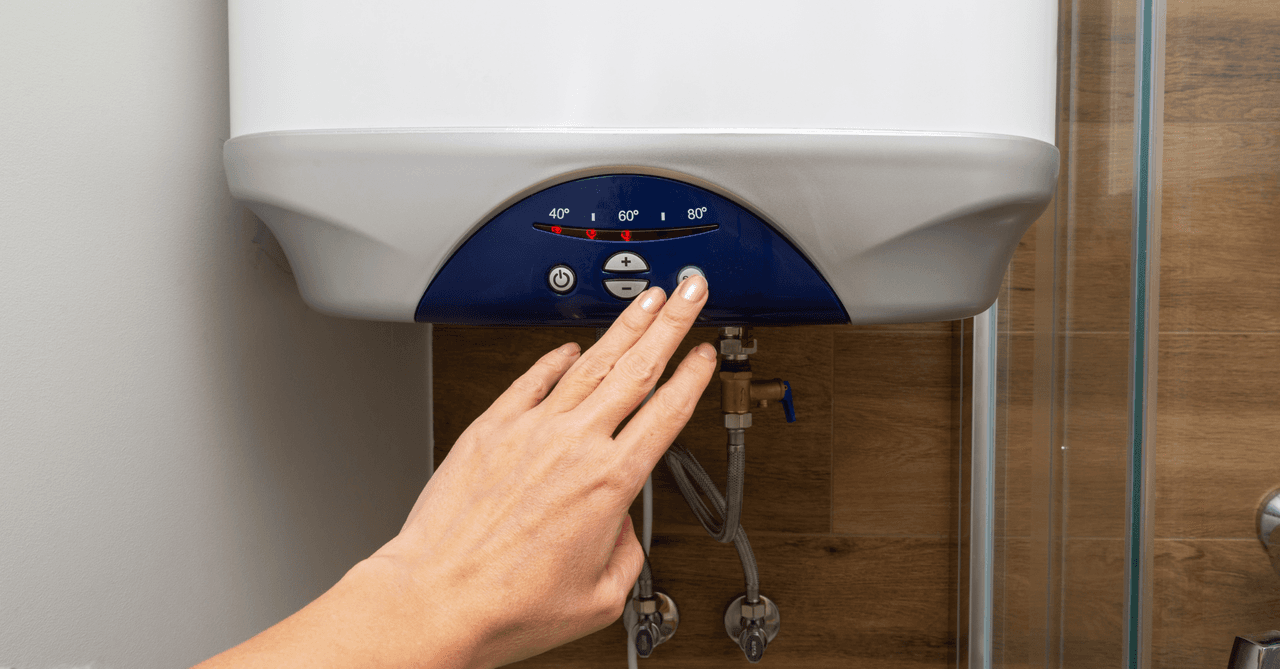
A problem with your water heater is never a good sign, especially since it’s not something that a household can easily go without. Since problems that can arise are numerous and diverse, let's take the time to see how to fix the most common ones. Here’s a summary of the 10 most frequently dealt with water heater problems and the solutions to help fix them.
Water heater problems: how to fix them
Source: Canva
1) There’s no more hot water
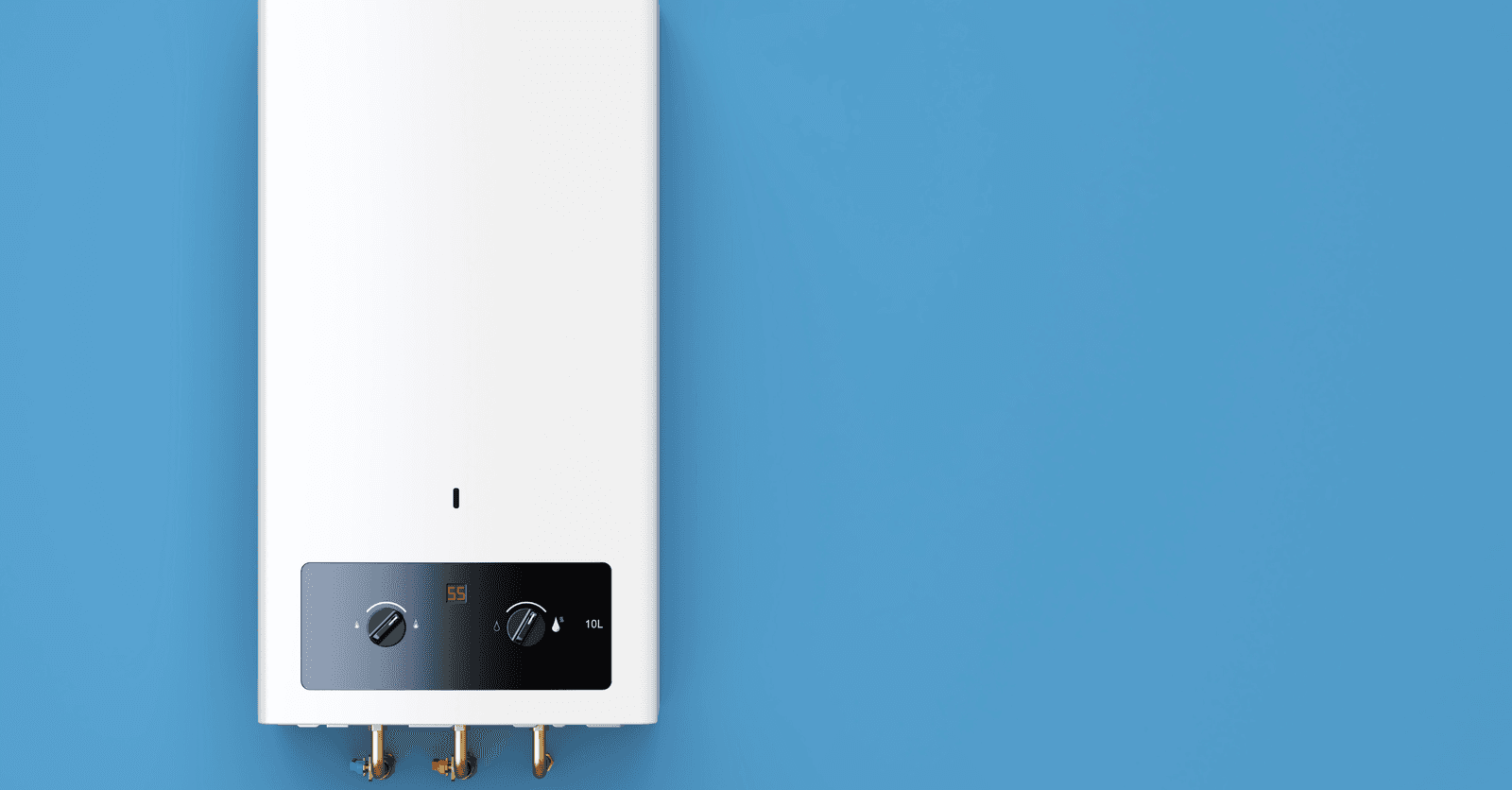
In the event that you’re unable to access hot water, it’s not impossible that your thermostat could be the source of the problem. If you notice that it is defective, replace it.
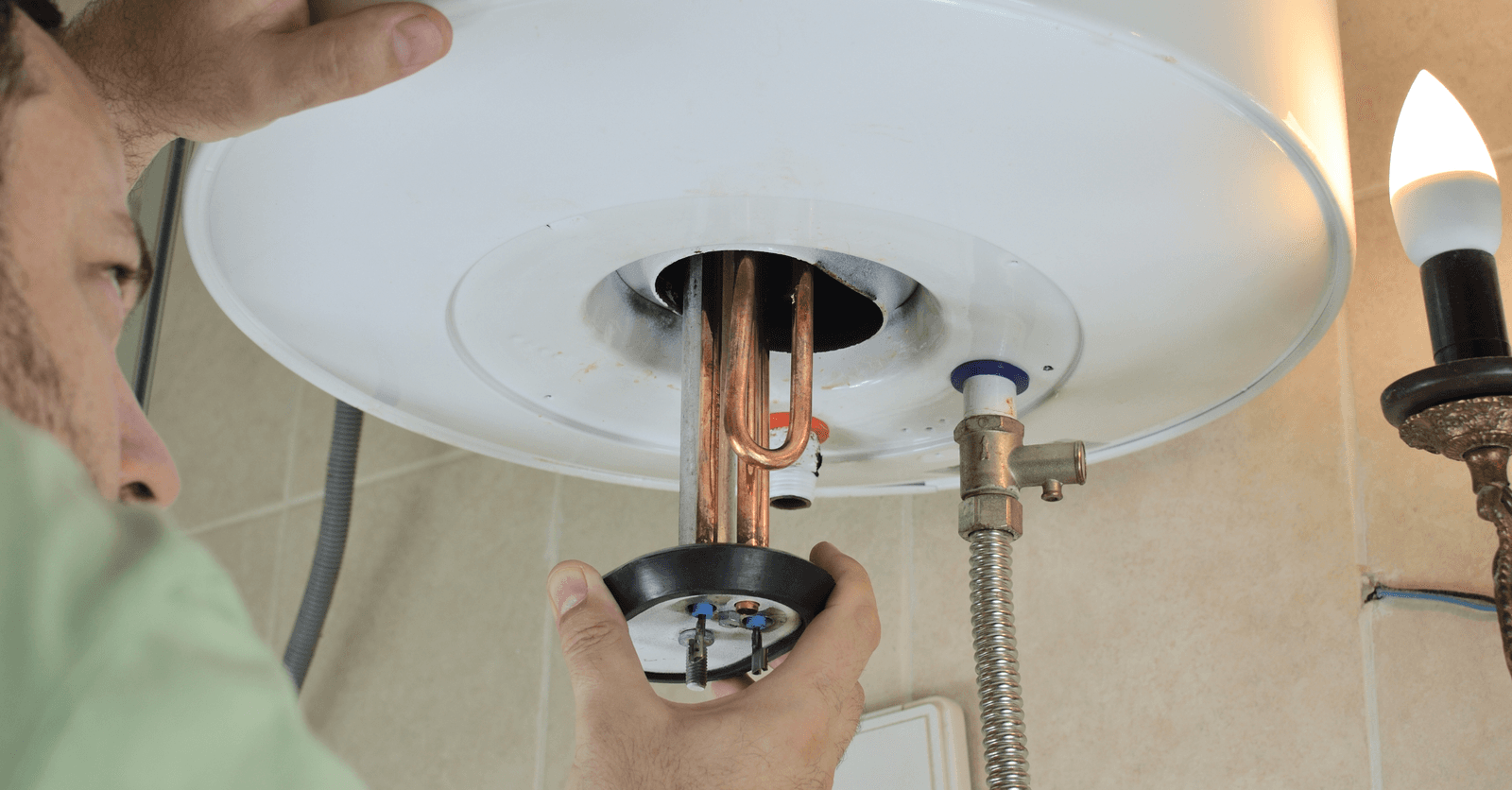
If you no longer have hot water, it’s important that you first check that the temperature limiter is not the cause. To do this, turn off the power to your water heater. Carefully remove the panel allowing access to the heating element. Remove the insulation and the element cover, and press reset.
Did nothing change? If so, we’d suggest you test the power supply to your device with a multimeter. If there’s nothing to indicate that this is the source of the problem, it’s likely that your temperature limiter is damaged and therefore, accidentally launched. In this case, it’ll have to be replaced. This is a small project that you can do on your own.
As for a problem with the power supply to your device, call on the expertise of a professional. During your inspection, take the time to observe the inside of your water heater. If it’s wet, unfortunately, it’ll have to be replaced.
2) The circuit breaker trips
Source: Canva
If your water heater's circuit breaker is constantly launching, there’s a chance it’s not properly wired to the electrical panel. To solve this problem, you will have no other choice but to call a certified electrician. They’ll have to redo the wiring of your water heater, and this is clearly a job that is reserved for a professional.
3) The pilot light of your water heater always goes out
Do you have a gas water heater, and find that the pilot light keeps going out? If this is the situation, it’s strongly recommended that you call a technician for an inspection. Indeed, we should mention that the gas water heater has a large number of parts and therefore, it can be hard for a DIYer to find which piece is defective.
Another note is for you to be aware that this may indicate a thermocouple problem. Since this piece functions to interrupt the gas supply if/when the pilot goes out, if it fails to interrupt your supply, this clearly indicates a problem.
Note that a professional may recommend installing a hood directly above your tank as well as a baffle near your pilot to protect the flame.
Finally, note that it’s also possible for the gas control to be faulty or for the pilot line to be blocked. Another possibility, your drainage system isn’t functioning properly. In fact, if it happens to use the same ducts as your exhaust system, this could potentially be the reason your pilot light keeps going out. Your water heater sharing the same pipes as your exhaust system is definitely not the best configuration.
4) Water is leaking
Source : Canva
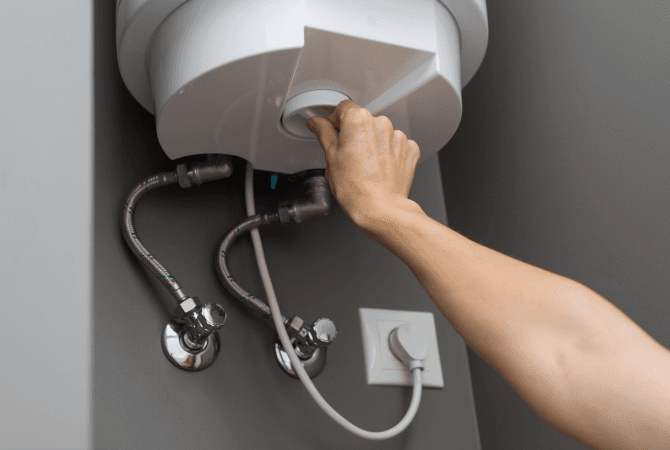
Have you found water leaking from your water heater? If this is the case, caution should be taken to repair the safety valve or potentially, to install a new one. If you already have one and it doesn't appear broken, it’s possible the problem is too much pressure inside the tank. To lower it, lower your water temperature to 130 degrees.
5) Your tap isn’t waterproof
If leaks are caused by your tap, it’s strongly recommended that you replace it with a brand new one. You could also try tightening your faucet with pliers, although this isn’t always an effective solution to remedy the problem.
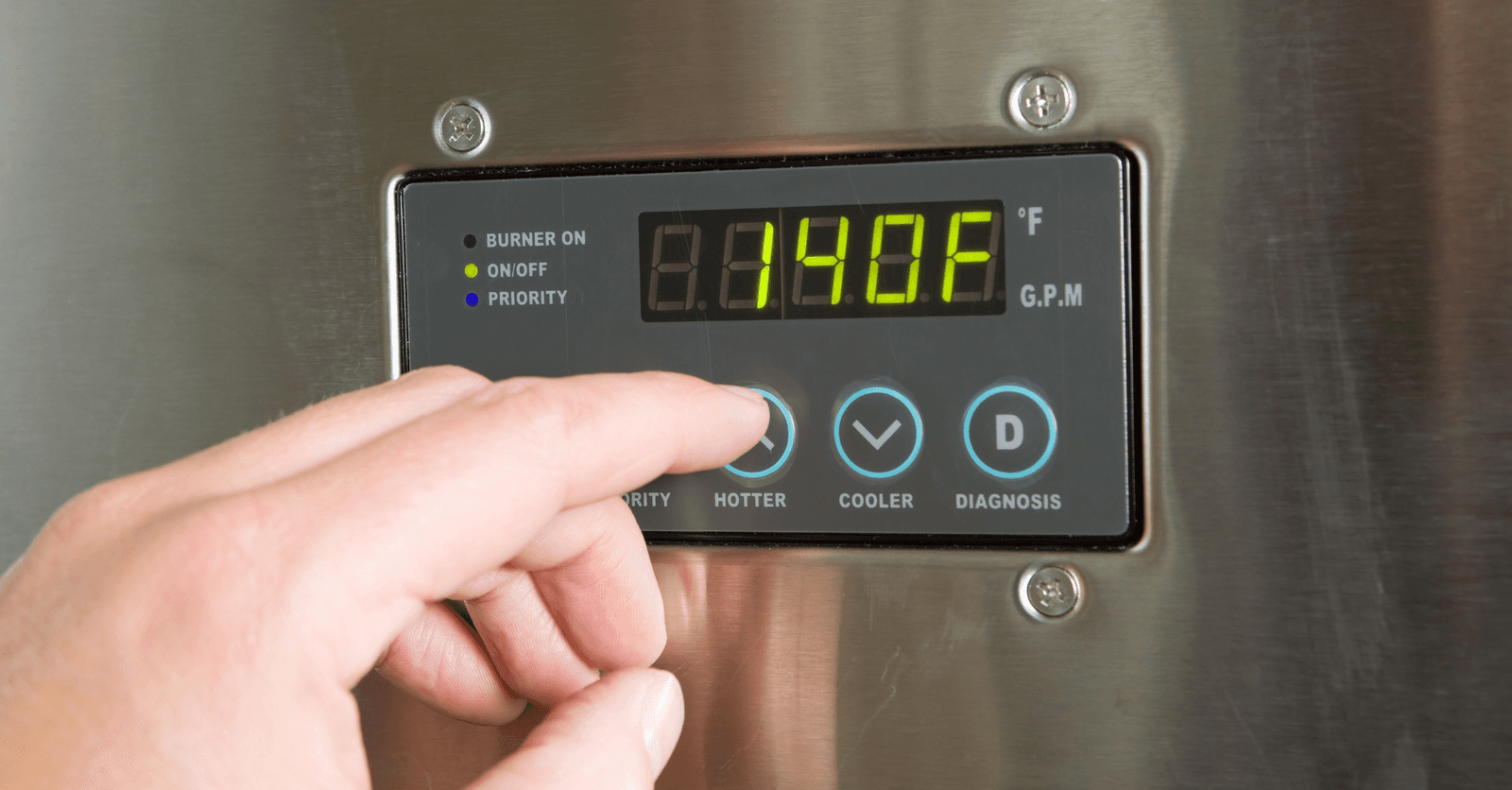
6) Your water isn’t hot enough
Source: Canva
If your water isn’t hot enough, first consider the easiest way to fix it: simply increase the temperature. Indeed, if the temperature of your water heater is lower than 120 degrees, it should be increased to 130.
You’re still finding that the temperature isn’t adequate? If so, we suggest you try the reset button on your water heater. If this option fails to resolve things, observe your water heater pipes. Are they insulated? If not, get some self-adhesive foam insulation and install it around your pipes. To avoid going back and forth to the hardware store, measure the diameter of your pipes before you go. This way, you can be sure you’re buying the right size insulation.
If neither of these two suggestions applies to your situation, you’ll need to look into the heat element, which could be defective. In this case, consider the possibility that your temperature limiter has accidentally tripped, or that your thermostats or your immersion tube are damaged. Then, it’ll be necessary to replace them or call in a professional.
7) Your water smells bad
Regardless of whether you have a gas or electric water heater, you could notice a strange smell emanating from your water. Following the moment of disgust, you'll probably be in a hurry to sort out this pesky problem.
Since the culprits out are in fact anaerobic bacteria, the problem needs to be addressed and eliminated. To do this, first turn off the cold water supply and then turn on the hot water tap. By doing so, you’ll release the pressure inside your pipes. Once this step is complete, empty the tank. Finally, on one side open the pipes and pour in some hydrogen peroxide. Shut them, then fill the pipes with water.
8) Has your water heater stopped turning off?
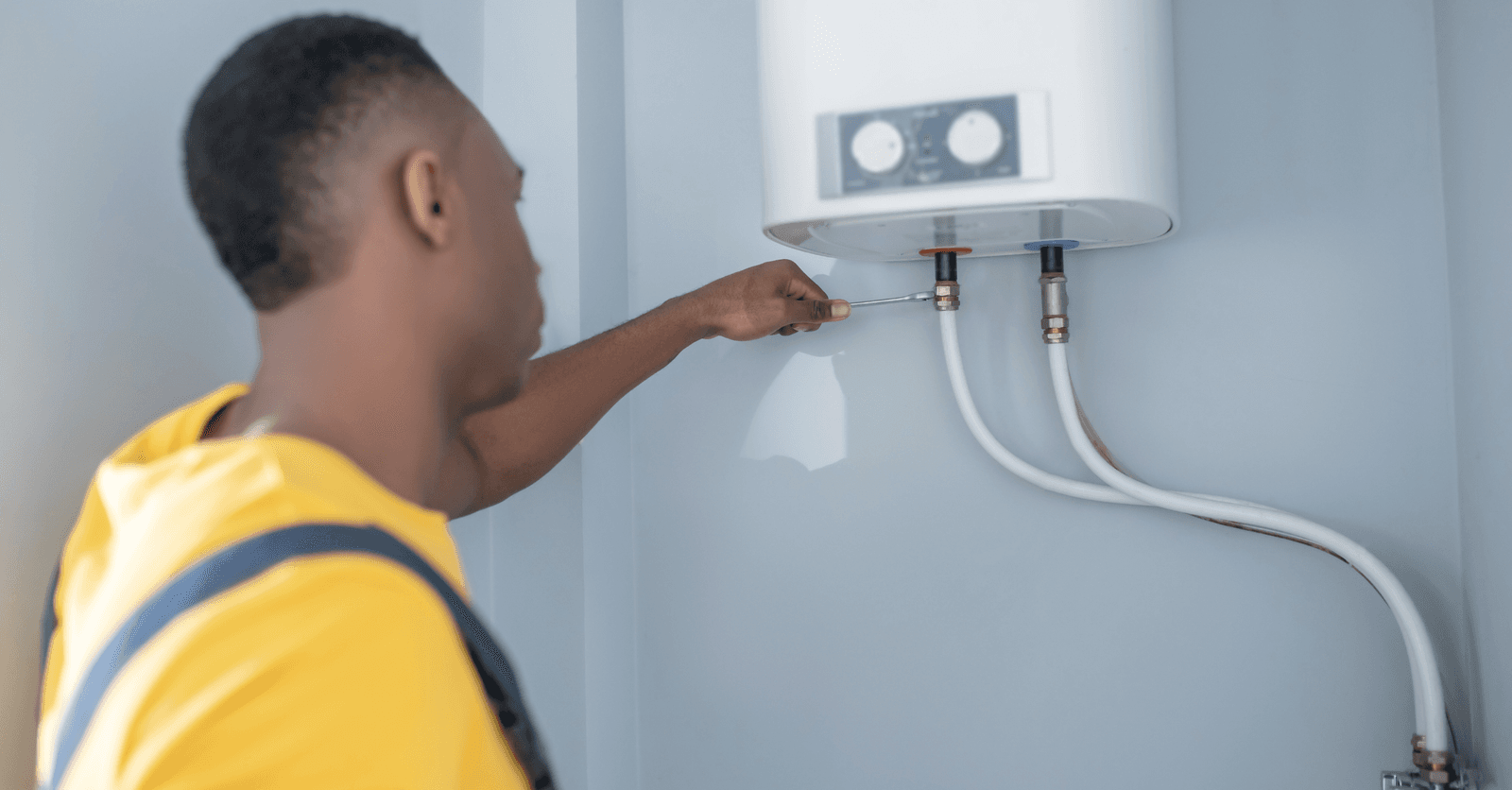
If your water heater doesn’t turn off, and instead heats up perpetually, there are several reasons that may explain it. First, it’s possible that your thermostat is broken or that it’s not properly connected to your water heater. You’ve done some investigation and found the thermostat isn’t defective and is correctly connected? It's possible that your water heater has grown too small to meet the needs of your large household. In this case, it’s advisable to purchase a bigger water heater.
Source: Canva
9) The water is much too hot
As we mentioned earlier, 130 degrees is the ideal temperature for your water heater. If you exceed this, your water will be too hot. You will then need to readjust the thermostat of your water heater, taking care to cut off the power supply first. Also, it’s possible that your thermostat can’t detect the correct temperature and thus, needs to be replaced. Again, if you’re not comfortable with this type of project, consider hiring someone who’s certified to repair it.
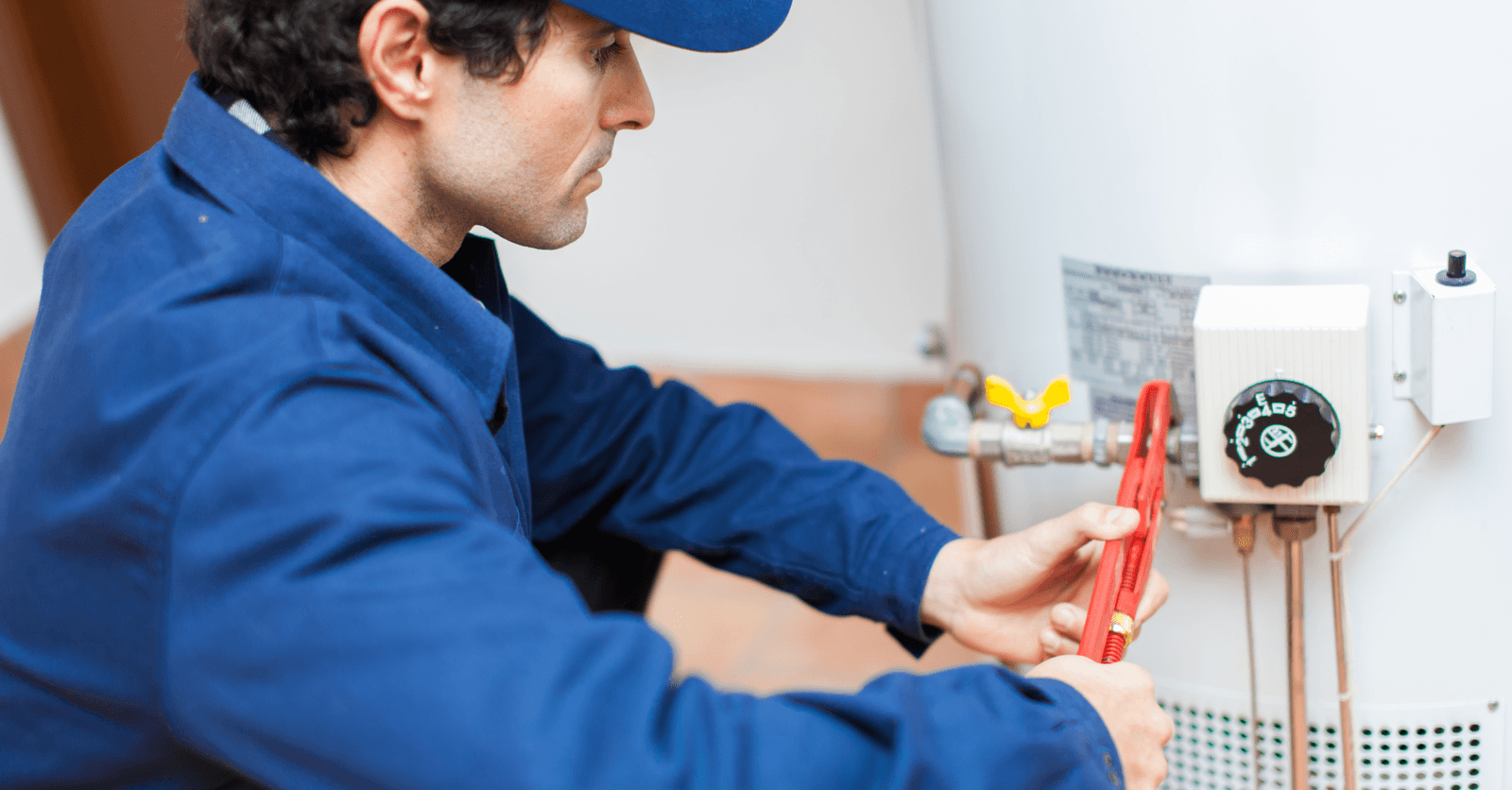
10) The water heater is rusty
As you would expect, rust is the number one enemy of your water heater. Unfortunately, it’s impossible to keep a water heater that’s showing signs of corrosion. Since deterioration is inevitable, you’ll have no option but to replace it.
Source: Canva
Some important warnings
Before starting any water heater repair project, be certain to always turn off your water heater. Secondly, be sure to consult the manufacturer's recommendations to properly carry out the required repairs. Also, be aware that certain water heater repairs must absolutely be done by a professional, while others require a permit. So, be sure to check with your municipality before proceeding.
Repairing a gas water heater
As you probably already know, repairing a gas water heater comes with its share of dangers, including the potential to cause an explosion. This situation is not to be taken lightly, and so we recommend doing business with a professional to make the necessary repairs.
Get 3 renovation quotes for your water tank renovation project
RenoQuotes.com can help you get quotes for your water heater project. By submitting your project to us, we’ll put you in contact with top-rated contractors. Fill in the form on the homepage (it only takes a few minutes), and you will get estimates from trusted professionals.
Dial 1-844 828-1588 to speak with one of our customer service representatives.
Looking for something else?
Related articles
The latest industry news, interviews, technologies, and resources.
Léa Plourde-Archer
•08 Nov 2023
Installing a hardwood floor can have a huge impact on your house: it can transform a room and increase the value of the building. Timeless and durable, hardwood floors are also popular because they are known for their warmth and beauty.
Editorial Team
•05 Jun 2026
Tiles are crafted with different materials. Having a clear understanding of said materials means choosing aesthetic and hard-wearing wall and floor coverings. Here are 6 of the most used types of tiles, whether indoors or outdoors.
Editorial Team
•25 Jul 2025
Residential paint is used to revamp walls, ceilings, and furniture, but it's not customarily used for a floor renovation project.
Editorial Team
•08 Nov 2023
If you’re currently in the midst of a renovation project, chances are, you’re debating whether or not you should replace your windows. Nonetheless, replacing windows has several valuable advantages that you should consider prior to undertaking your renovation project.
Cynthia Pigeon
•08 Oct 2025
Are you an absolute fan of mechanics and the outdoors? Are you looking for a job that’ll allow you to challenge yourself on a daily basis?