Why and How to Weather Seal Your Garage Door
By Editorial Team
Updated on November 8, 2023
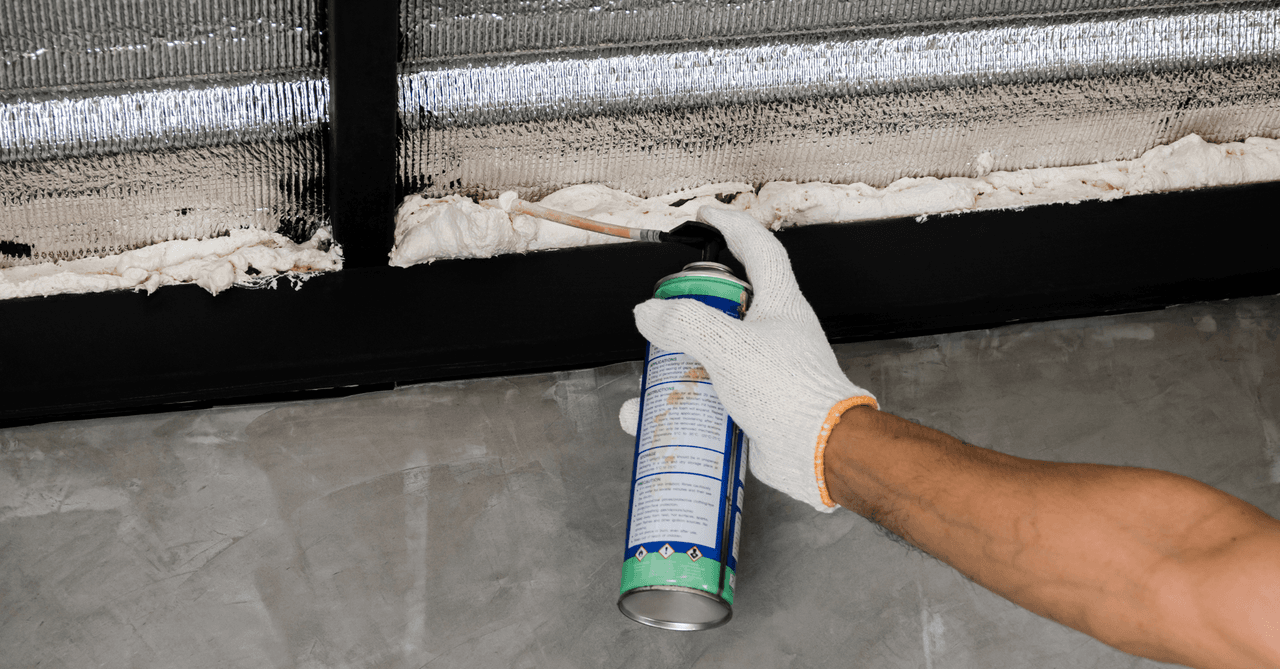
Threshold seal, weather stripping, insulation kit, etc., the methods of weather-sealing a garage door surely aren’t lacking. Learn why it’s beneficial to insulate your garage door, and most importantly, how to proceed.
Benefits of Insulating a Garage Door with a Weather Seal
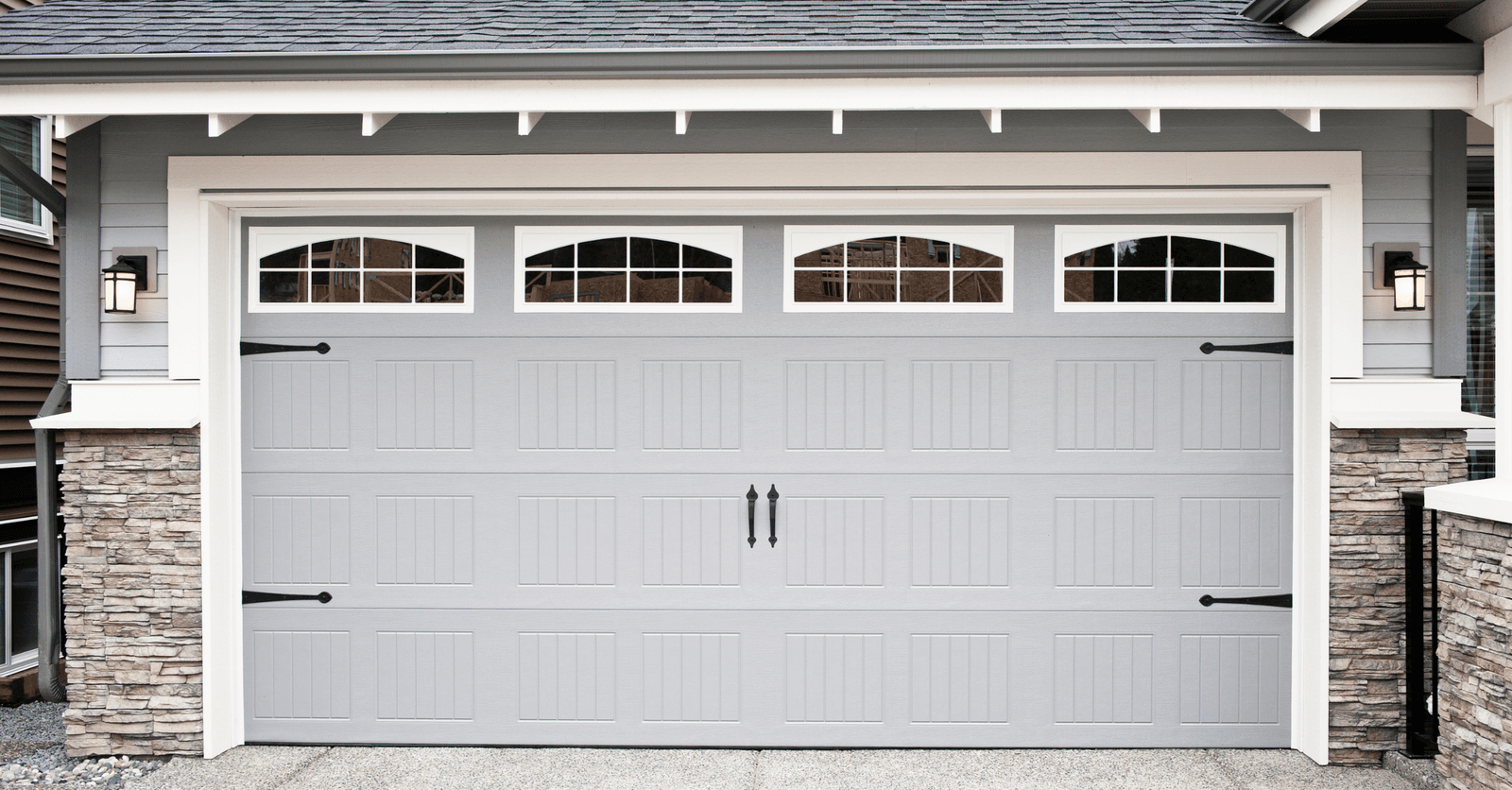
Source: Canva
Weather sealing your garage door has numerous benefits. Here are the main three:
1. Limit heat loss
A garage door is always a point of weakness when it comes to a home’s overall insulation. On average, the R-value of a garage door, which indicates the material’s effectiveness in terms of insulation, is only between 0 and 20.
Why’s that, you ask? Because the material’s effectiveness is based on 2 factors:
type;
thickness.
Regardless of their type, garage doors aren’t especially thick. Therefore, it’s best to focus on insulating the sides of the door as effectively as possible to limit drafts and cut back on heat consumption during winter and air conditioning during summer.
2. Limit noise pollution
The gaps between the garage door, the frame and the wall should also be packed to limit any noise pollution.
Materials designed for weather sealing are rarely the same as those used for soundproofing. However, there are materials that garner these 2 features. It so happens to be the case for:
aerogels;
cellulose insulation;
cork;
wood fibre.
3. Improve indoor air quality
Albeit we rarely think about it, indoor air quality can be significantly influenced by the quality of the outdoor air.
In 1997, as part of a study done by a Canadian research institute on indoor air quality, a residential garage door was insulated to help the homeowner alleviate their asthma symptoms. At cause? Motor vehicle traffic, especially.
Therefore, even if improving indoor air quality in your home isn’t at the top of your list when it comes to insulation-related work, you’ll still breathe better.
How to Weather Seal a Garage Door

Source: Canva
Here’s a 5-step guide to weather sealing your garage door:
Step 1: Choose the right material
The most commonly used insulation material for PVC or sheet metal garage doors is polystyrene or polyurethane sheets.
However, you can also opt for wood fibre panels or thermal shield insulation.
Choosing a material doesn’t mean solely focusing on its insulation-based qualities but more on the type of garage door that’s in question. For example, while wood fibre is the best insulation material out of the three, its weight doesn’t suit an overhead garage door.
Step 2: Seal around the frame
Typically, garage doors are retailed according to standard sizing, which can increase the gaps between the frame and the walls. As such, the first thing to do to insulate your garage door is weather-seal said gaps.
To that effect, there are two solutions available:
adhesives;
expanding spray foam.
Based on the size of the gap between the frame and wall, adhesives can effectively fill in the cavities. However, if the gaps are too big, instead opt for expanding foam.
Step 3: Insulate the garage door
Garage doors are more often than not made with one or more very thin panels. Therefore, as above-mentioned, the thinner a material, the less effective it is, insulation-wise. To enhance the insulation properties and render it more effective, now’s the time to use the material you selected in Step 1.
There are also insulation kits sold in all hardware stores. These kits include thin insulation panels, which can either be in the shape of:
a roll or;
panel.
To install these, you can simply apply a double-side adhesive to the surface of the garage doors.
Step 4: Install threshold strip
This element is near-invaluable for overhead garage doors that close vertically. Without a threshold strip, there’s an entry point for air between the bottom of the door and the ground.
To insulate this entry point, threshold strips are available in 3 different materials:
steel: very resistant but oxidizes over time.
aluminum: doesn’t oxidate and is rather rigid when extruded.
synthetic materials or rubber.
The only issue in regard to this solution is that repetitive vehicle traffic can damage your door’s threshold strip and limit, or render useless, its insulation properties. This is often the case when it comes to threshold strips made of rubber or synthetic materials.
Step 5: Install weather stripping
An add-on or straight-up alternative to the garage door threshold strip, a weather stripping is a U-shaped seal that runs along the bottom of the garage door. When the door is shut, it applies pressure onto the stripping, which then creates a seal between the door and the ground.
Weather stripping for doors is available in hardware stores for less than $50 and can be fitted without the need for tools. Simply apply lubricant to the gaps at the bottom of the garage doors, then slide the strip in place.
Allow for half an inch of excess material to overhang on either side and, if it gets in the way, trim part of it and tuck the excess length inside.
Garage Door Weather Stripping Models
Garage door weather stripping prices range from $30 to $70. Here’s why the pricing differs:
Thickness (starting at ¼ in. to 1 in.);
Length (9 in. to 10 in.);
Width (2 ½ in. to 3 in.);
The size of the gap to seal;
Installation system (slide-on or screw-in).
Get 3 quotes for your garage door weather-seal project
RenoQuotes.com can help you get quotes from a general contractor. By submitting your project, we’ll put you in contact with top-rated contractors. Fill in the form on the homepage (it only takes a few minutes) and get estimates from trusted professionals.
Dial 1-844 828-1588 to speak with one of our customer service representatives.
Looking for something else?
Related articles
The latest industry news, interviews, technologies, and resources.

Léa Plourde-Archer
•23 Sep 2026
Are your living quarters feeling cramped? Do you find yourself dreaming of an extra room or a whole new level to expand your space? Next thing you know, you’re setting these home addition plans in motion, looking at options and prices. If you want to take on this kind of home improvement project, we’re here to provide answers to some of the most pressing questions you may have.

Editorial Team
•08 Nov 2023
Are you looking to replace your water heater? While this isn't an exciting buy, it’s nonetheless an important one. Indeed, having daily access to hot water is certainly essential and our comfort greatly depends on it.
Cynthia Pigeon
•18 Jun 2026
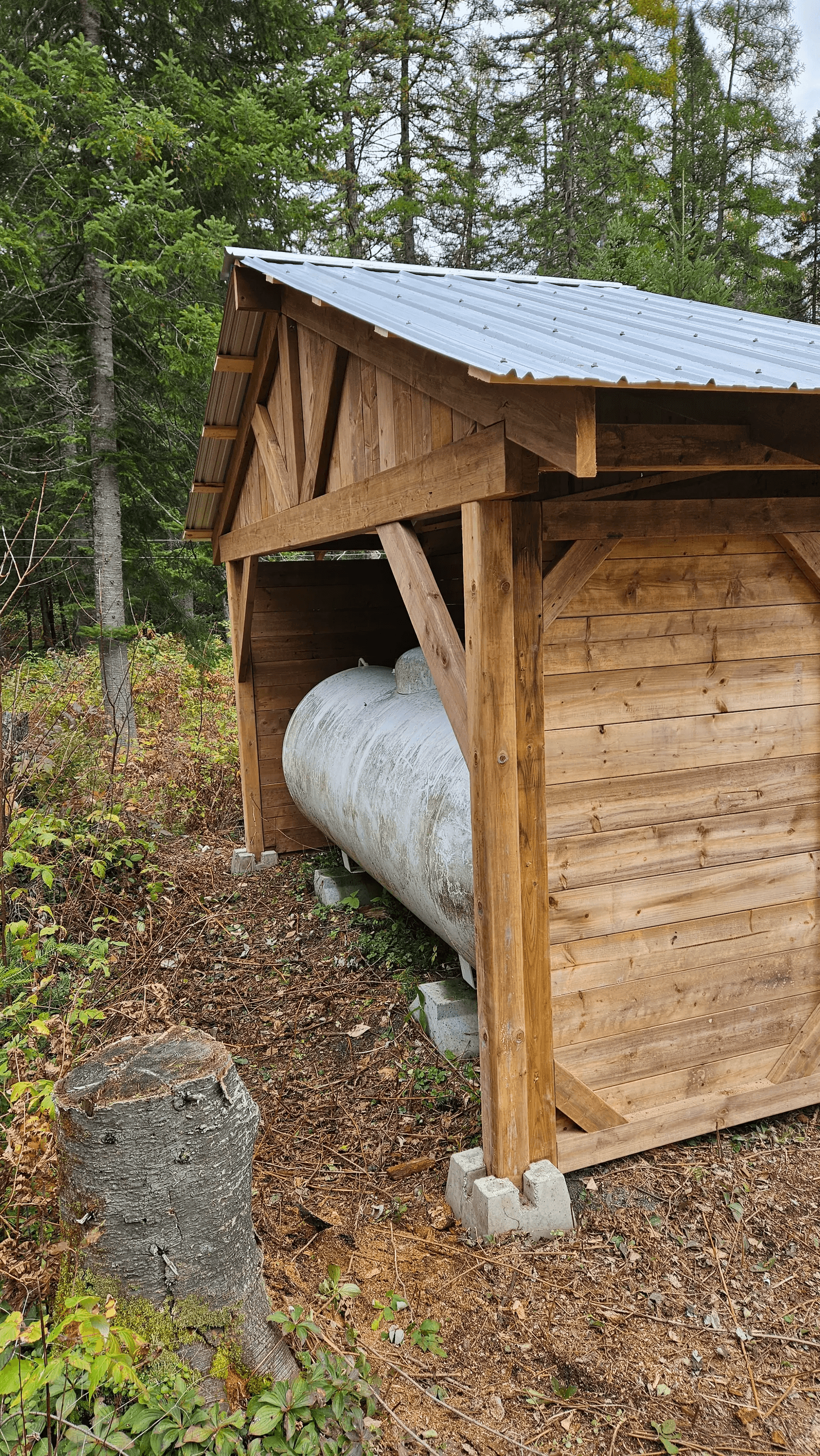
If you own a property in Quebec with an aging oil heating system, the question of removing it will come up sooner or later. Whether it is part of a real estate transaction, an insurance requirement, or a firm decision to reduce your carbon footprint, dismantling an oil tank, also known as a fuel oil tank, is an essential step in a residential energy transition.

Karine Dutemple
•16 Jun 2026
Summer is just around the corner, and for many homeowners, that means it’s time to start planning a backyard reno. If you’ve been searching for patio inspiration for several years, this could be the year your dream outdoor space finally comes together.
Editorial Team
•20 Apr 2026
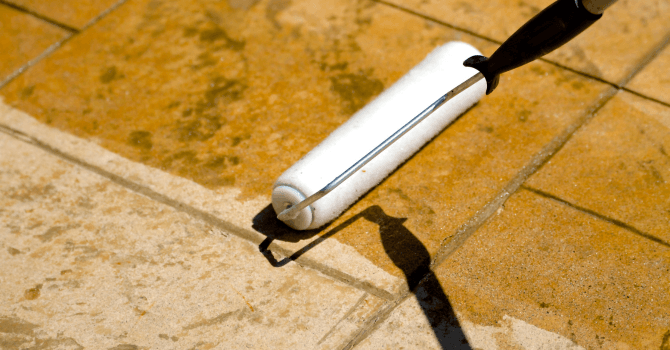
Is your landscaping basking in concrete paving stones or pavers? Guess all that’s left is for you to get some paving stone sealer to safeguard your driveway and walkways. Why, though? Because such surfaces are easily soiled or stained.