What Are the Prospects and Challenges of Using AI in Construction?
By Editorial Team
Updated on August 27, 2024

The growing use of artificial intelligence (AI) in various industry-specific fields has led to its evolving presence in the construction industry. AI offers exciting and promising prospects on construction worksites to improve efficiency, safety, and productivity. However, embracing this new technology in the industry also presents some unique challenges and requires progress to be made in terms of how construction projects are planned, designed, and executed. This article unfolds the challenges and prospects of using AI in construction.
The Prospects of Using AI in Construction

The prospects made possible by the use of artificial intelligence in the construction industry are both vast and promising. AI is revolutionizing the construction industry because of its capacity to process data at vast speeds and self-learn.
Project Planning Optimization
Firstly, AI optimizes the planning stages of a construction project. By inputting data such as timelines, costs, available resources, and worksite constraints, AI can generate detailed plans and efficient work calendars. With the use of this technology, contractors and project managers can minimize delays and optimize resource allocation.
Real-Time Worksite Progress Monitoring
Artificial intelligence enables real-time worksite progress monitoring. By displaying sensors and smart (IoT) objects around the worksite, AI can collect data in real-time regarding different construction aspects, such as:
temperature;
pressure;
vibrations;
etc.
Such data can be analyzed by AI to detect any potential worksite issues, anticipate maintenance needs, and ensure safety.
Data Analysis for Better Decision-Making
AI can also be used to analyze a significant amount of data from previous projects and other sources to predict the performance level of different material types, design models, and building methods. This enables engineers and architects to make informed decisions and design more durable and efficient structures.
Repetitive and Hazardous Task Automation
AI can be used to automate certain repetitive and time-consuming tasks. For example, it allows autonomous robots to carry out hazardous or repetitive tasks on-site. That way, the risks of worksite injuries sustained by workers can be minimized, while simultaneously increasing the efficiency and speed at which tasks are executed. AI can also be trained to perform visual quality assessments and detect construction errors and structural defects. And, in a broader sense, to cater to pinpointed needs, to save both time and resources.
Better Communication Between Project Stakeholders
Lastly, AI can facilitate collaboration between the different stakeholders involved in the construction process of a building or whichever other project. By using augmented reality-supported technologies, industry professionals can work together and share 3D project models as well as real-time work progress updates, which fosters better communication and limits design errors.
In a nutshell, AI paves the way for a myriad of possibilities in the construction sector, improving project efficiency, durability, and safety.
The Challenges of Using AI in Construction

Using artificial intelligence in the construction industry opens the door to exciting prospects to improve efficiency and productivity. However, understanding the challenges facing this technology is vital to overcome hurdles and fully leverage its potential.
Data Collection and Management
First off, one of the primary challenges is construction data collection and management. To ensure the optimal use of AI, you need an extensive amount of high-quality and accurate data. This can be deemed problematic as construction-related data is often scattered, complex in nature, and may not necessarily adhere to required standards. To take on this challenge, there has to be an efficient and reliable data collection and storage process that ensures the confidentiality and security of such sensitive information.
Developing Construction Industry-Specific Algorithms
Another sizeable challenge is the need to develop construction industry-specific algorithms and AI models. Realistically speaking, the models and practices used in this industry often differ from those used in other fields. Therefore, the AI used has to be tailored to the concrete needs of construction professionals by using predictable models and specialized algorithms. Doing so requires close collaboration efforts from AI researchers and construction professionals to design tailor-made tools and software.
Approval of AI Use in the Industry
The third challenge concerns the approval and use of AI by construction industry stakeholders. While AI does present numerous advantages, it can also elicit apprehensions in terms of job loss, excessive construction process automation, or machine reliance. Therefore, raising awareness amongst construction professionals regarding the advantages of AI is paramount, as well as actively involving them in the technology’s development and use. Training and communication are key to showing just how precious an AI tool can be to improve a tradesperson’s performance and efficiency.
Regulatory and Legislative Aspects
The regulation and legislation surrounding the use of AI in the construction industry is also a significant hurdle. Given that AI can make self-driven decisions and exert influence over vital construction-related aspects, it becomes essential to establish appropriate regulations to ensure its safe, responsible, and ethical use. Therefore, it’s important to implement concrete standards and guidelines by which to navigate to prevent the misuse of this newfound technology or potential AI-related errors.
Data Confidentiality and Security
Lastly, the use of AI prompts significant questions regarding data confidentiality and security. The data harnessed on construction worksites can be sensitive and must be safeguarded against security violations. As such, construction companies must implement appropriate security measures suited to the risk level to guarantee data protection.
Initiatives Currently in Place Regarding the Use of AI in Construction
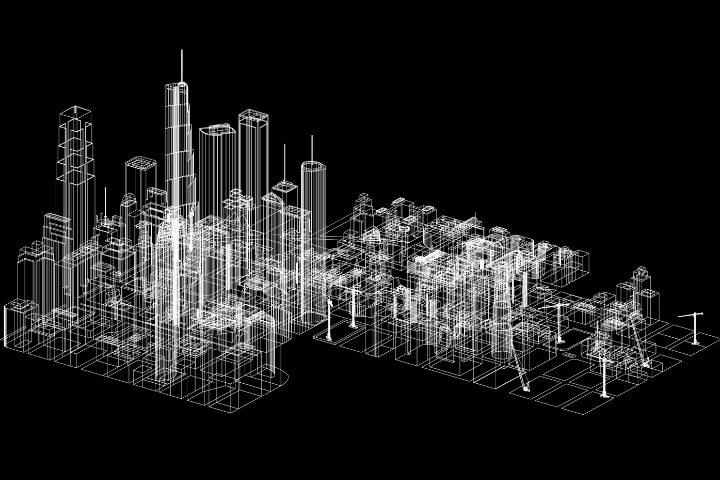
Despite the challenges, several ongoing initiatives are promoting the use of AI in construction. Government organizations, such as the one set forth by Ottawa that recently poured 40 million dollars into AI-related projects, recognize the value of such technology as part of the construction industry’s future.
Private companies, such as Ingegno, specialize in the use of AI in construction. Such companies bring to the table innovative solutions meant to optimize project planning and management, as well as increase worksite efficiency and safety.
Moreover, professional organizations, such as the Association de la construction du Québec (ACQ), published reports and expert consultations to educate political decision-makers about the advantages and prospects made available by AI in the construction industry.
These initiatives are proof that AI, despite it still being in its early stages, is given due consideration by industry stakeholders and will continue to evolve over time alongside the industry.
Artificial Intelligence in the Construction Industry: Prospects and Challenges
Artificial intelligence presents many promising opportunities for the construction sector. By embracing this technology, companies can improve the efficiency, safety, and productivity of their teams, on-site. However, the use of AI in construction also presents significant challenges that require accurate data collection and exploitation as well as a cultural shift amongst the industry.
The ongoing initiatives through the public and private sectors show that AI is increasingly recognized as a promising solution in the construction industry. To benefit fully from this technology, industry stakeholders must work together to overcome challenges and exploit the possibilities put forth by AI in construction.
Looking for something else?
Related articles
The latest industry news, interviews, technologies, and resources.

Editorial Team
•08 Aug 2025
It’s becoming increasingly difficult for construction or renovation contractors to promote themselves or recruit qualified employees. In fact, right now, there’s an imbalance between supply and demand, especially since the 2020 pandemic.
Editorial Team
•15 Dec 2023
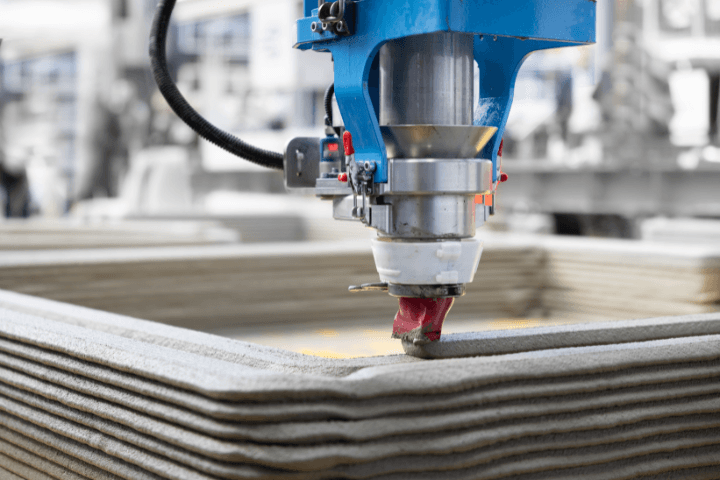
3D concrete printing is deemed the future of habitat for humanity. An overstatement? Think again—by 2060, 230 billion square metres will be needed to shelter our new fellow citizens, or the size equivalence of Paris multiplied every week over a 40-year period.

Équipe éditoriale
•08 Nov 2023
It could easily be argued that the bathroom sink is the centrepiece of the room, setting the tone for how the room functions. You may not have given it too much thought, but the sink you choose for your bathroom should be picked in relation to your lifestyle.
Editorial Team
•03 Nov 2025
Water is essential to the wellbeing of humans, but as we know, this natural element can be both a blessing and a curse. Flooding is common in regions with high rainfall levels and proximity to large bodies of water.

Amanda Harvey
•08 Nov 2023
Whether interior or exterior, giving care and consideration to all aspects of your home will be obvious to friends and strangers alike. Imagine walking by a beautiful house with an impeccably tailored garden; what would be your first impression? A well-crafted, bright, polished lawn and garden not only presents a welcome first impression but actually works to improve the value of your home.