Clearly, the term “weep hole” is not something you hear on a daily basis. If you were to ask those around you, people are more likely to let their imagination run wild, drawing a connection between the verb weep and the noun hole. And yet, a weep hole does not pertain to weeping in the slightest.
The term weep hole is defined as a hole at the bottom of a wall or foundation with the purpose of draining any accumulation of rainwater.
So, let us dive right in!
What Is a Weep Hole in Masonry?
If you notice visible holes in your brick wall, it is only natural to wonder as to their purpose. It could be an oversight on the part of the tradesman, a new crack caused by wear and tear on the wall, or simply a weep hole.
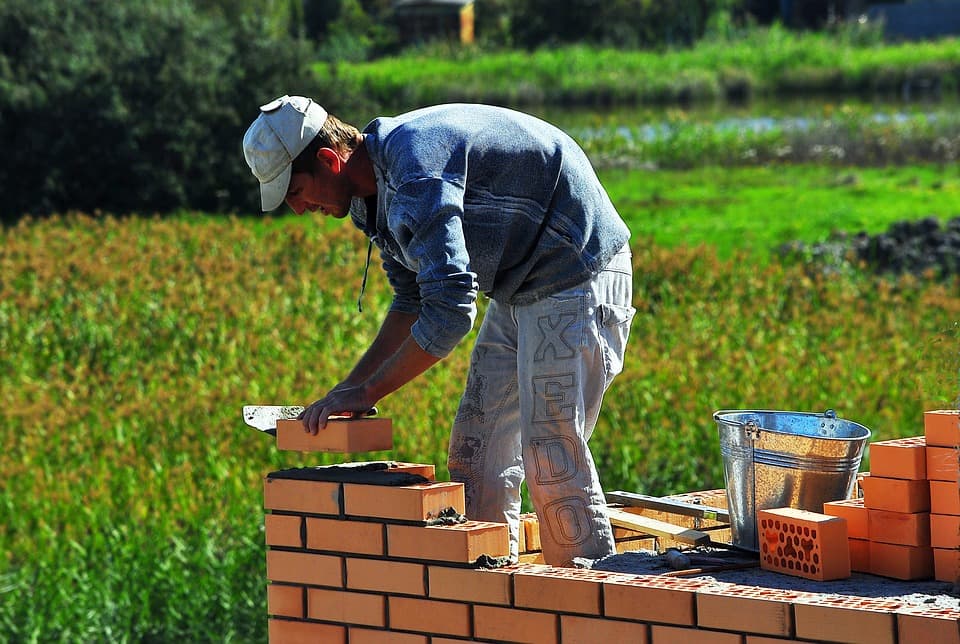
A weep hole is an opening located on a brick wall. It is quite recognizable as an unfilled vertical mortar joint between two bricks. The weep hole is a space left unfilled to allow for water flow and ventilation. This opening is created every 800 mm (32 in.) within the first row above the foundation, balconies, doors, and windows.

Photo: Pixabay
Why Not Fill In Weep Holes?
A brick wall is not only a fixed structure, it is also a structural component that is exposed to different weather conditions throughout the year, especially here, in Quebec. Since brick walls are not fully waterproof, heavy rainfall can lead to water seeping into a wall. Since mortar fills in the gaps in the wall, water can get trapped behind the bricks, thus preventing water from properly draining out of the siding and the cavity from properly drying. In addition, water infiltration tends to exacerbate ground pressure, causing water to seep into the building.
The weep hole is a solution to a water infiltration problem. It allows air to circulate between the brickwork and the interlayer to drain away moisture and condensation. For all these reasons, you should avoid clogging these openings.
Weep holes are also a relatively new technique, as masons only started to integrate this type of design about 50 years ago. It was not until the 1970s that weep holes became more common.
Note that should you fill in these openings, the damage to the interior of the walls may not be visible immediately to the naked eye. Thus, the damage might only be apparent after many years.

Photo: Pixabay
What if There Are no Weep Holes?
Sometimes, out of sheer lack of knowledge, homeowners will assume that a hole without mortar is the direct result of a shoddy job. However, if you have sold your home and have filled in these holes of your own volition, you will then be completely held responsible and liable for any damages in the event of a claim.
The lack of weep holes can also mean that the house is old. However, this is not beyond repair since it is possible to create weep holes on a wall, even several years after it was initially built. Nevertheless, it will still be essential to confirm that the absence of weep holes has not caused any damage over the years.
If, on the other hand, you realize that your new home has no weep holes, then the contractor is probably at fault. In this case, do not attempt to fix this by drilling into the wall yourself. The underside of the siding is made up of membranes and flashings that can be easily damaged if the mortar joint is punctured. Instead, contact a professional mason/bricklayer who can adequately perform the necessary checks to determine the problem.
Get 3 quotes to build weep holes
RenoQuotes.com can help you get quotes to build weep holes. By submitting your project, we’ll put you in contact with top-rated contractors. Fill in the form on the homepage (it only takes a few minutes), and you will get estimates from trusted professionals.
Dial 1-844 828-1588 to speak with one of our customer service representatives.
Looking for something else?
Related articles
The latest industry news, interviews, technologies, and resources.
Cynthia Pigeon
•26 Jun 2026
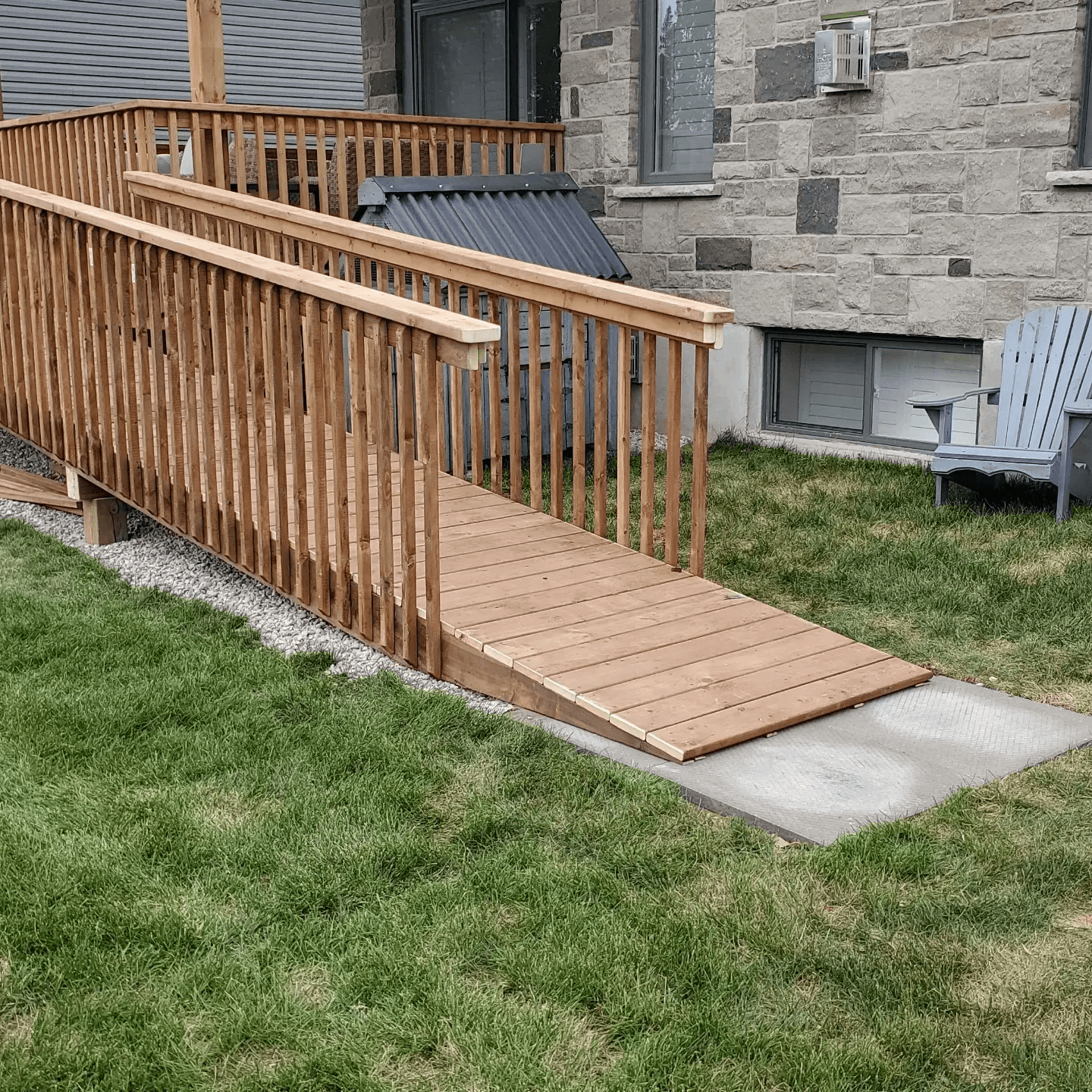
Universal accessibility is a major issue for residential property owners, commercial building managers, municipalities and building professionals. In Quebec, building an access structure requires careful planning to ensure the safety of people with reduced mobility. Depending on the type of building, its use and the municipality, the project may have to comply with the Quebec Construction Code, municipal requirements and best practices adapted to Quebec’s climate.

Paul Riopel
•17 Mar 2026
So, you're considering getting an in-ground pool? That's a refreshing idea that is sure to delight the entire family for years to come!
Editorial Team
•09 Mar 2024
Aside from the shower, the toilet consumes the most water out of all household appliances. Households with multiple toilets consume gallons of water every day, watching it literally wash down the drain.

Editorial Team
•08 Nov 2023
Have you met an interior system contractor before? This is a profession where precision is essential to ensure quality finishes inside the home. The installation of the interior system consists of erecting walls, partitions, and suspended ceilings, but also aims at the work of insulation and soundproofing.
Editorial Team
•08 Nov 2023
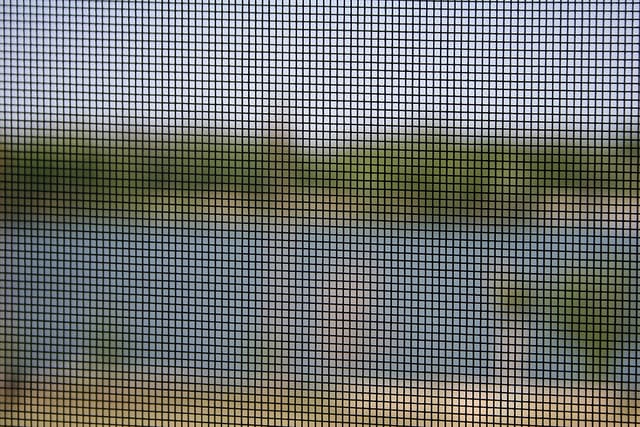
Once the warm weather returns, we begin to look for ways to allow fresh air to circulate into the home. This can be more difficult than it may seem at first, as insects and bugs will seep through open windows and doors. Of course, with modern technology, there exists a way to remedy this problem. A screen door combines practical with purposeful to offer an ideal way to allow clean, outdoor air indoors.