When carrying out residential renovations, the terms air barrier and vapour barrier aren't all that uncommon when discussing thermal insulation. Although often confused, these two systems both help protect the walls and building envelope of a structure.
Truth be told, air barriers and vapour barriers serve different but complementary roles. A vapour barrier, or vapour control layer, helps limit the movement of water vapour through building assemblies by diffusion. An air barrier helps prevent uncontrolled air leakage through the building envelope.
That said, an air barrier acts like a house's windbreaker. It must resist air pressure caused by wind and indoor-outdoor pressure differences. Its main purpose is to reduce air leaks, which can increase energy bills and contribute to condensation, moisture damage, and mould problems.
An air barrier is a key part of a well-designed insulation system. Here’s what homeowners should understand before starting a renovation project.
Air Barrier: An Essential Airtightness System

Source: Pixabay
Exterior air barrier membranes made from non-woven polyethylene or polyolefin became widely used in Canadian construction in the 1980s, with products such as Tyvek Housewrap becoming common on residential job sites.
These products are often installed behind exterior cladding to help manage air leakage and protect the wall assembly. Over time, manufacturers developed more resistant membranes designed to better withstand tearing, wind exposure, and temporary UV exposure during construction.
Today, several types of exterior air barrier and weather-resistive barrier membranes are available. Many are designed to reduce air leakage while allowing water vapour to escape from the wall assembly toward the exterior. This vapour permeability is important because it helps the wall dry if moisture gets into the assembly.
Why Air Barrier Strength and Durability Matter
Source: Pixabay
Across Canada, air barrier membranes can be exposed to major temperature changes, strong winds, rain, snow, ice, and intense summer sun during construction. If the air barrier is torn, poorly sealed, or badly installed, it may no longer perform its role properly.
A damaged or discontinuous air barrier can allow air and wind-driven moisture to enter the wall assembly. Over time, this can contribute to condensation, mould, wood rot, reduced insulation performance, and structural deterioration.
These problems are especially concerning because they often occur behind exterior cladding, where damage is not immediately visible. In some cases, symptoms may only appear years later, once the wall assembly has already been affected.
Depending on the severity of the problem, repairs can involve exterior cladding removal, insulation replacement, mould remediation, or structural repairs. The longer moisture issues go undetected, the more expensive they can become.
A well-installed air barrier can remain effective for many years when it is properly protected. Its durability depends on the membrane type, exterior cladding system, UV exposure during construction, drainage details, fastening method, and the quality of the sealing around seams, openings, pipes, vents, and other points where materials pass through the wall assembly.
Air Barrier Installation Cost
Source: Pixabay
The cost of installing an air barrier varies depending on the product, wall area, building height, access, cladding type, and whether the work is part of a larger exterior renovation.
For material costs, housewrap rolls are often sold in large formats, and prices vary by brand, region, and retailer. Professional installation is commonly priced by square foot and can increase if the contractor must remove and reinstall cladding, repair damaged sheathing, or add insulation at the same time.
In many exterior wall projects, the installation sequence may include:
Removing or preparing the exterior cladding
Inspecting or repairing the sheathing
Installing or upgrading insulation
Installing the air barrier or weather-resistive barrier
Sealing seams, corners, openings, and penetrations
Installing flashing and drainage details
Reinstalling the exterior cladding
Some products can serve more than one function, such as acting as both an air barrier and a vapour control layer, depending on their location in the assembly, their permeance, and the building code requirements in your province or territory. However, this must be designed carefully because the wrong vapour control strategy can trap moisture inside the wall.
For this reason, it is best to have the assembly reviewed by a qualified contractor, building envelope specialist, or energy advisor, especially during major renovations.
Air Barrier vs. Vapour Barrier: Two Different Roles

Source: Pixabay
Air barriers and vapour barriers both help protect a home, but they do not control the same type of movement.
An air barrier controls air leakage. It prevents uncontrolled air movement through cracks, joints, openings, and penetrations in the building envelope. This helps improve comfort, reduce drafts, limit heat loss, and reduce the risk of condensation caused by warm indoor air leaking into cold wall or roof assemblies.
A vapour barrier, or vapour control layer, controls water vapour diffusion. It helps limit the movement of water vapour through materials. In cold Canadian climates, vapour control is often placed toward the warm side of the insulation, but requirements vary depending on the assembly, climate zone, and local building code.
For an insulation system to perform well, the air barrier should be continuous from the foundation to the roof, with overlaps, seams, windows, doors, electrical penetrations, and other openings properly sealed.
Air Barriers, Insulation, and Indoor Comfort
A good air barrier works together with insulation and vapour control to improve the energy performance and comfort of the home. When these systems are properly designed and installed, they can help:
Reduce drafts
Improve indoor comfort in winter and summer
Reduce heating and cooling demand
Protect insulation from air movement
Limit condensation risks
Improve the durability of the building envelope
However, a tighter home also needs proper ventilation. Reducing air leakage is beneficial, but the home must still have a way to manage humidity and provide fresh air. In many modern renovations, this may involve bathroom fans, range hoods, balanced ventilation, or a heat recovery ventilator, depending on the home and local requirements.
The goal is not to “overseal” the home without thinking about ventilation. The goal is to create a controlled, efficient building envelope where air, vapour, moisture, and ventilation are all managed properly.
Looking for something else?
Related articles
The latest industry news, interviews, technologies, and resources.
Cynthia Pigeon
•08 Nov 2023
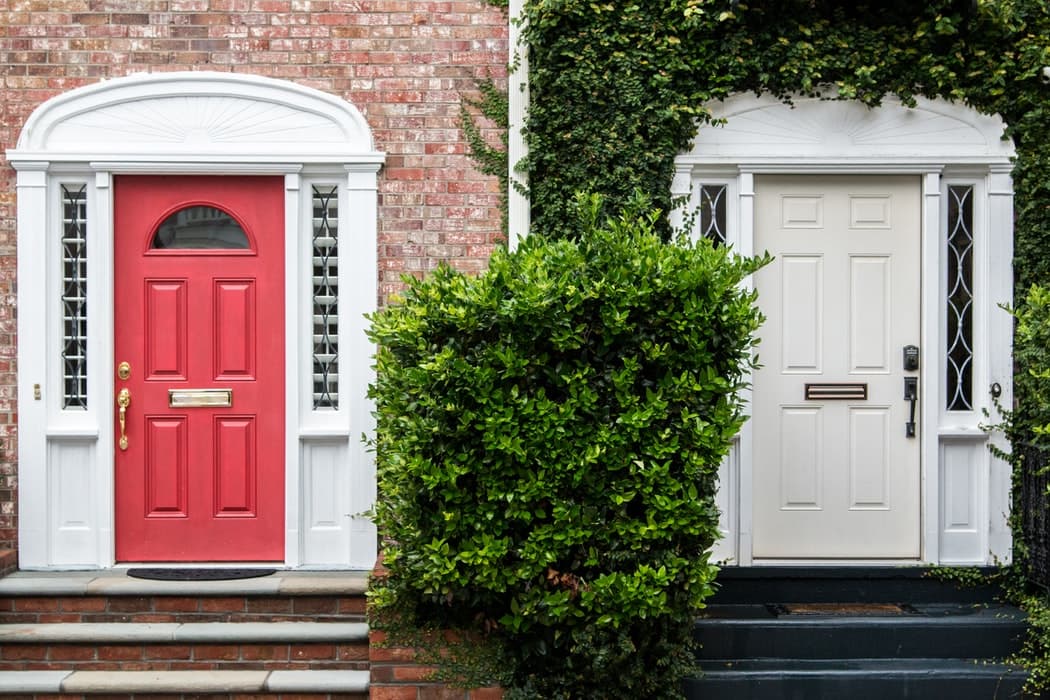
Is it about time to upgrade from that shabby-looking front door? If you are looking to get a glimpse of some of the more beautiful options out there, check out the front doors down below!
Cynthia Pigeon
•05 Dec 2025
The fenestra cochleae, more commonly known as a round window, has quite a distinctive flair, which adds a certain uniqueness to your home. However, its installation requires a certain dexterity and presents some particularities that should be considered before undertaking such a project.
Editorial Team
•13 Sep 2024
Insulating water supply pipes is a necessary measure that'll help protect pipes from freezing, bursting, or leaking. By insulating your pipes, you’re ensuring the safety and well-functioning of your home or business during the wintertime. It also helps reduce losses and improves the overall system.

Editorial Team
•14 May 2026
While artesian wells are often the preferred choice for a cottage’s water supply, they have a slew of noteworthy yet overlooked features.
Cynthia Pigeon
•09 Sep 2024
For the majority of people, embarking on a renovation project is synonymous with substantial financial implications. While the level of financial investment often ensures that the end result will be satisfactory, it is nevertheless possible to achieve the desired results on a smaller budget, without having to compromise in terms of quality and aesthetic value.