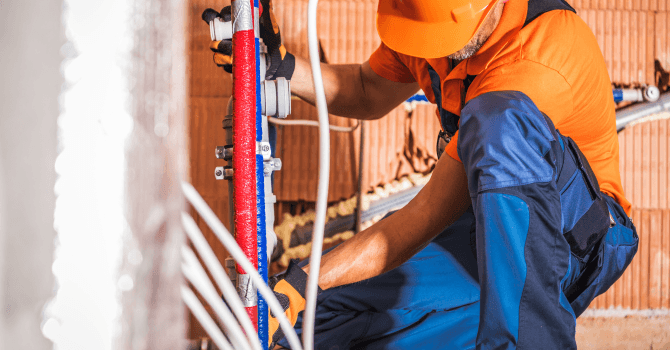
A home or building with a flawless plumbing system is a serious luxury. The repair of these systems and fixtures isn’t carried out by just any individual. Plumbers are in charge of keeping water flowing smoothly. Plumbing is an underrated profession, and the necessity of plumbers in modern-day society is growing more and more significant.
If you’re considering a career in the vast world of plumbing, what's there to know? A plumber needs a wide variety of skills that involve much more than simply unclogging a drain or two. In this article, we’ll go over what it takes to become a professional plumber.
Working in Renovation: Becoming a Plumber

source: unsplash
Education
Moving into the world of professional plumbing will begin with getting a base-level education. This profession requires a high-school diploma or equivalent. When it comes to getting a trade, it’s integral that you have basic reading, writing and math skills down. To work as a professional plumber, it will be necessary for you to have advanced math and science skills. This is because plenty of plumbing work will involve being able to accurately measure and gauge different aspects of water levels.
If you don’t have a diploma or GED and are looking into getting one to pursue this career; we would suggest focusing on the following areas of education, as they’ll be necessary to plumbing:
Metric units of measurement;
Algebra;
Geometry;
Thermodynamics;
Biology.
Not only do these areas require careful attention, but moving forward with a career in plumbing will require a clean record. This includes your driving record, criminal background, and history with substances. For many plumbers, having a license as well as access to a vehicle is a must and thus, a clean driving record is more than necessary. Not only this, but many employers may refuse to work with you if your record isn’t clear.
Training Program

source: unsplash
A clean record and high school diploma are the base-level requirements for moving forward with a plumbing career. Once you have these things, you can start thinking about enrolling in technical courses. Technical plumbing courses will absolutely be required if you’re serious about this career. Depending on the city or municipality you’re living in, you’ll be required to complete a certain number of hours in the classroom as well as a certain number of hours apprenticing in the field.
The specifics of these requirements will greatly depend on where you’re living, so do be sure to look into community college or trade programs as well as professional plumbing unions or associations for all the important information about moving into this area. Here are some expected topics when it comes to finding education on the subject:
Pipe cutting;
Drainage;
Soldering;
Water heating systems;
Ventilation.
Some general skills that plumbers require include being able to read blueprints, an understanding of various types of piping systems, how the piping is connected, inspecting and determining potential piping or plumbing issues, basic carpentry as well as welding. Schooling and apprenticeship programs can take anywhere between 3 to 5 years, so do be aware that you’re in for the long haul.
Looking for something else?
Related articles
The latest industry news, interviews, technologies, and resources.
Editorial Team
•08 Oct 2025
Streets, parks, playgrounds, wetlands, river systems even, are all the makings of landscape architects. At first glance, their expertise, coupled with their vision, is far greater than one might think.
Editorial Team
•22 Sep 2026
A water softener costs $1,500 to $4,500 installed in Canada, with most homeowners landing between $1,800 and $4,000. Labour alone runs $100 to $1,000 depending on how accessible your plumbing is, and the unit itself accounts for the rest.
Cynthia Pigeon
•23 Jun 2026
In Montréal, real estate pressure and the lack of housing are pushing homeowners to rethink urban space. If you own a residential lot in a central neighbourhood such as Rosemont, Plateau-Mont-Royal, or Sud-Ouest, your backyard or direct access to a laneway may hold unexpected potential. Some boroughs, such as Rosemont, have recently adapted their regulations to oversee accessory dwelling units. However, rules can vary significantly from one borough to another. Before confirming whether a project is feasible, check the standards that apply to the specific lot. Building a backyard home has become one of the most attractive alternatives for housing a loved one, generating rental income, or maximizing the value of your property.
Amanda Harvey
•08 Nov 2023
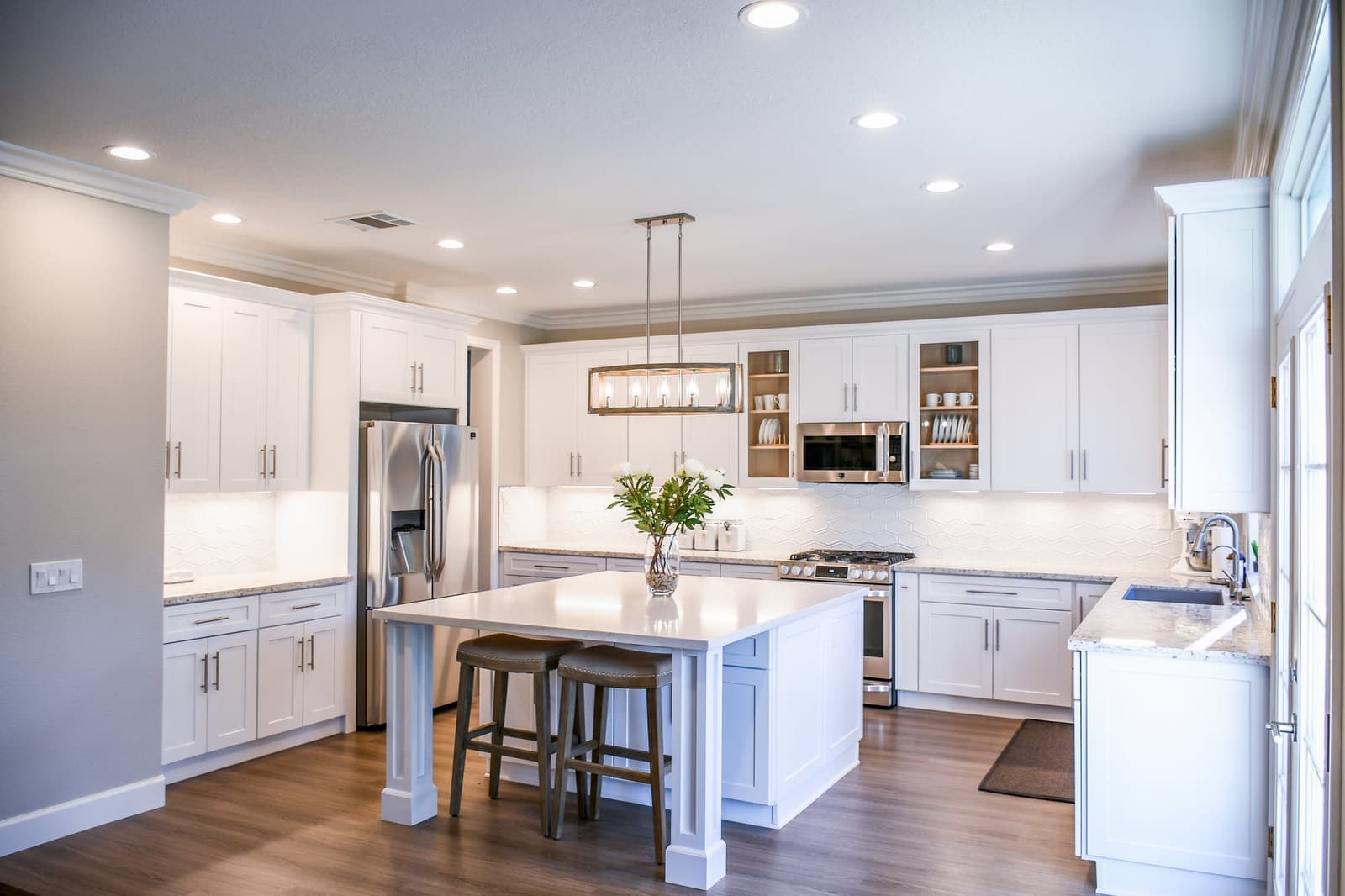
After living in your home for some time, it’s normal to long for a change. If you’re not looking to make a huge move or take on something complicated, then you should consider smaller renovation projects. There are rooms you spend a lot of time in, and the kitchen is one of them. Specifically, many homeowners grow tired of their kitchen cabinets; the colour, the finish, or both. Luckily, through a process called “refacing,” you can offer your cabinets a second chance without investing in a whole new set.
Editorial Team
•08 Nov 2023
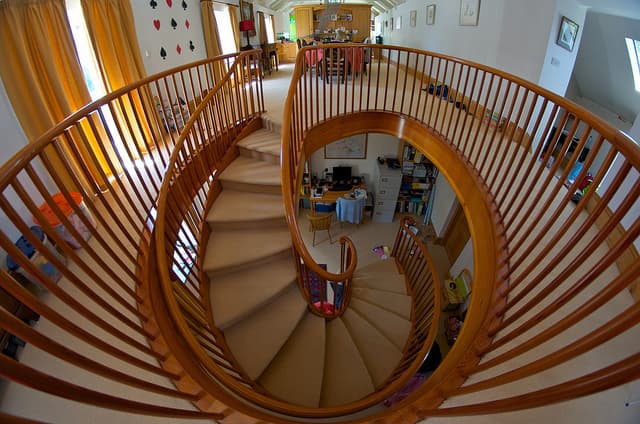
While we tend to first consider the practical aspect of a staircase, it is not uncommon to forget how this type of structure can have a true visual impact in a room. Because of its unique style and appearance, a staircase can help enhance your living room, lobby or any other room in the house.