Everything to know about the cantilever extension
By Editorial Team
Updated on November 8, 2023
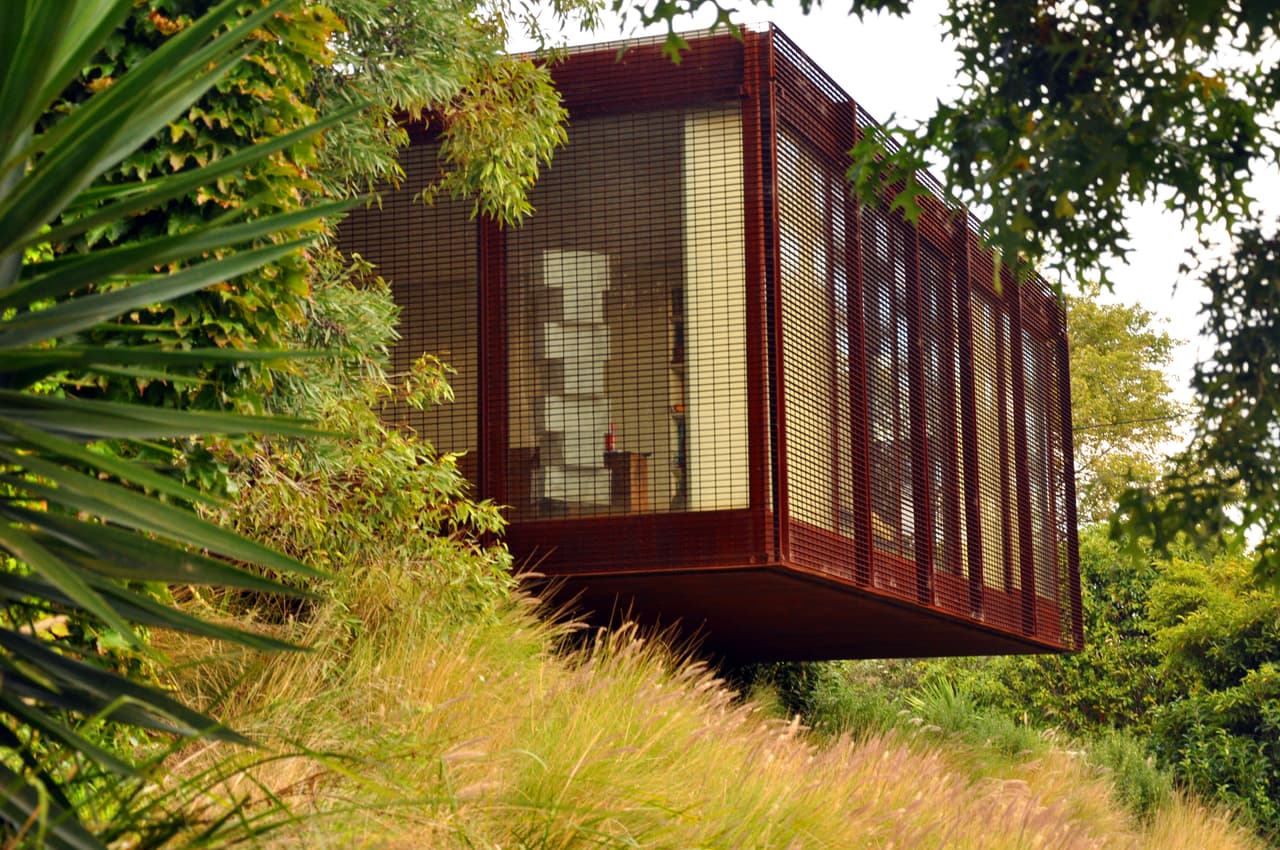
Have you heard of the cantilever extension? This term isn’t common for the average person, but if you work in the field of renovations, you’re likely familiar with it.
This kind of extension can be anything from a simple, overhanging balcony that extends out past the supporting walls of a home or an entire room suspended out from one side of the façade.
This technique have been used in modern architecture, adding a unique design feature that stands out. If you’re looking for a unique way to add some flair to your house, or you’re curious about this design detail, read on for all of the relevant information, including the problems that accompany them.
What exactly is a cantilever extension?

source: Flickr
In contemporary residential architecture, the cantilever extension is popular. It can add space to a cramped home, especially for those lacking in property size. However, these structures can sometimes end up costing more than the regular home extension, not to mention the extra materials and insulation that is involved in their construction process. So, is this way of doing even worth it or is this just another creative and costly feature?
In some cases, these extensions are also referred to as bump-outs or micro-additions and look to solve the commonly faced conflict of having too little space in the home. A cantilever extension is not a full-blown addition, as we mentioned. Instead, this type of extension offers a room that hangs to the side of the home and is unsupported by beams or posts. These extensions are generally much smaller than regular additions, but can greatly range in size.
Some are even considered to be classified as “less than rooms” because they are simply additions to an existing room. These can be as small as 2 feet in width and length. Further, this style extension generally has a flat roof as opposed to a slanted one or an extension of the existing roof.
It may be difficult to obtain a permit for a cantilever extension, especially if you're planning on building a larger structure. This is because the length and depth of the cantilever will likely be limited by local building codes. In order to extend far out, your home will require very deep joists, while also needing to extend the cantilever’s extension farther along the existing house joists.
Benefits of cantilever extensions
Now that you know the basics of this type of home extension, what are the reasons why you might install one? Great question!
Extra space: The main reason most homeowners opt for a cantilever extension is to add some extra space to an already cramped room. As we mentioned, these extensions are not full rooms and tend to work by enhancing a chosen room in your home.
Some excellent options for a cantilever extension are for the allowance of the installation of a bathtub in a bathroom that only has room for a shower, provide space for a window seat with bookshelves, or offer a little bit of extra room in a kitchen, so that you can install a stove, excess counter, pantry or second fridge. Another option that you might consider is the addition of a breakfast nook or a walk-in closet. These at-home luxuries are one of the many reasons why you may choose to install a cantilever.
Save money while adding space: The total cost of a cantilever extension will be less than that of a full-sized addition. However, a cantilever extension could end up costing you more per square foot. This will be greatly dependant on your city and municipality as well as your home's current structure.
Add architectural interest: If you find the structure of your home to be a little bit boring, and are looking to greatly improve the curb appeal as well as the architectural detailing of your home. Since these extensions are usually reserved for modern homes, they can give outdated architecture an updated look and feel.
Concerns when installing a cantilever extension

source: Wikimedia
Unfortunately, cantilever construction does have some downfalls. Although appealing, we’re going to give you the lowdown on some of the concerns.
Permit problems: You may have plans drawn up for your cantilever extension already but in some cities, the cantilever extension is difficult to come by. This is because applying for permits can be tricky, and in some cases, this type of extension is limited by local and municipal building codes. Building codes are in place for safety purposes and so is it best to take note and make sure your plans have been cleared before moving forward with this renovation.
Cost: Although we listed the cost of a cantilever addition as one of the benefits, in some instances it may turn out to be more expensive than a regular addition. The cost of your renovation could be pricey, depending on its position in relation to the rest of your home. Since this type of addition is outside of the home, it may cost quite a bit to insulate. Also, the permit process application may be costly, but this is also dependant on both your city and municipality.
In general, the total cost of a cantilever extension costs at least $30,000, including labour and materials. Obviously, this price is meant to be an approximation. Apart from the quality of the insulation and the location of the extension, other factors may influence the cost required to complete this project.
These include the materials used, the size of the extension and the cost of labour, which can vary from company to company.
Renovation difficulties: Since this style of extension is hanging in mid-air, not all homes will be able to incorporate them into their architecture. The dimensions of your home will dictate the size and shape of your cantilever. Make sure you consider this before drawing up those plans for this project.
For more information about the average prices of home extensions, check out The cost of a home addition project and our article House extension project : what you need to know.
Get quotes for your cantilever extension renovation project
RenoQuotes.com can help you get quotes for your cantilever extension project. If you submit your project to us, we’ll put you in contact with top rated contractors. Fill in the form on the homepage (it only takes a few minutes), and you will receive quotes from companies that are specialized in home renovations.
Dial 1-844 828-1588 to speak with one of our customer service representatives
Looking for something else?
Related articles
The latest industry news, interviews, technologies, and resources.

Editorial Team
•06 Feb 2024
Air spaces or cavities aren’t limited to double-glazing, they’re also found between the walls of your home. More specifically, air spaces are found between the walls that make up the structural envelope of your home.
Cynthia Pigeon
•14 Jul 2026
The return of warmer weather across Canada often brings a desire to make the most of the backyard. Whether you are planning to build a new patio or completely renovate an existing deck, one fundamental question should be addressed from the outset: what type of foundation will support the structure?
Editorial Team
•23 Mar 2026
The basement area represents roughly 20% of the total heat loss in a house. If you want to renovate your basement, it's best to insulate the basement floor first, not only to improve your overall comfort but also to save on your heating and cooling bills. Are you in the middle of building a new home? Or are you simply renovating your home and looking to insulate your basement floor? Keep reading to learn more about it!
Editorial Team
•09 Sep 2024
Are you about to renovate your kitchen? It’s no surprise that you’re probably asking yourself questions regarding the standard dimensions of certain elements, like cabinets. Without further ado, here’s the answer to your query!
Editorial Team
•23 Jul 2026
As winter approaches, now is the time to complete the final renovation projects on your list, from indoor remodels and insulation upgrades to basement finishing and last-minute exterior work. If a kitchen renovation is one of your priorities, acting now can help you prepare your home for the colder months ahead.