Best Attic Insulation in Canada: Materials, Costs, and R-Value
By Léa Plourde-Archer
Updated on July 7, 2026
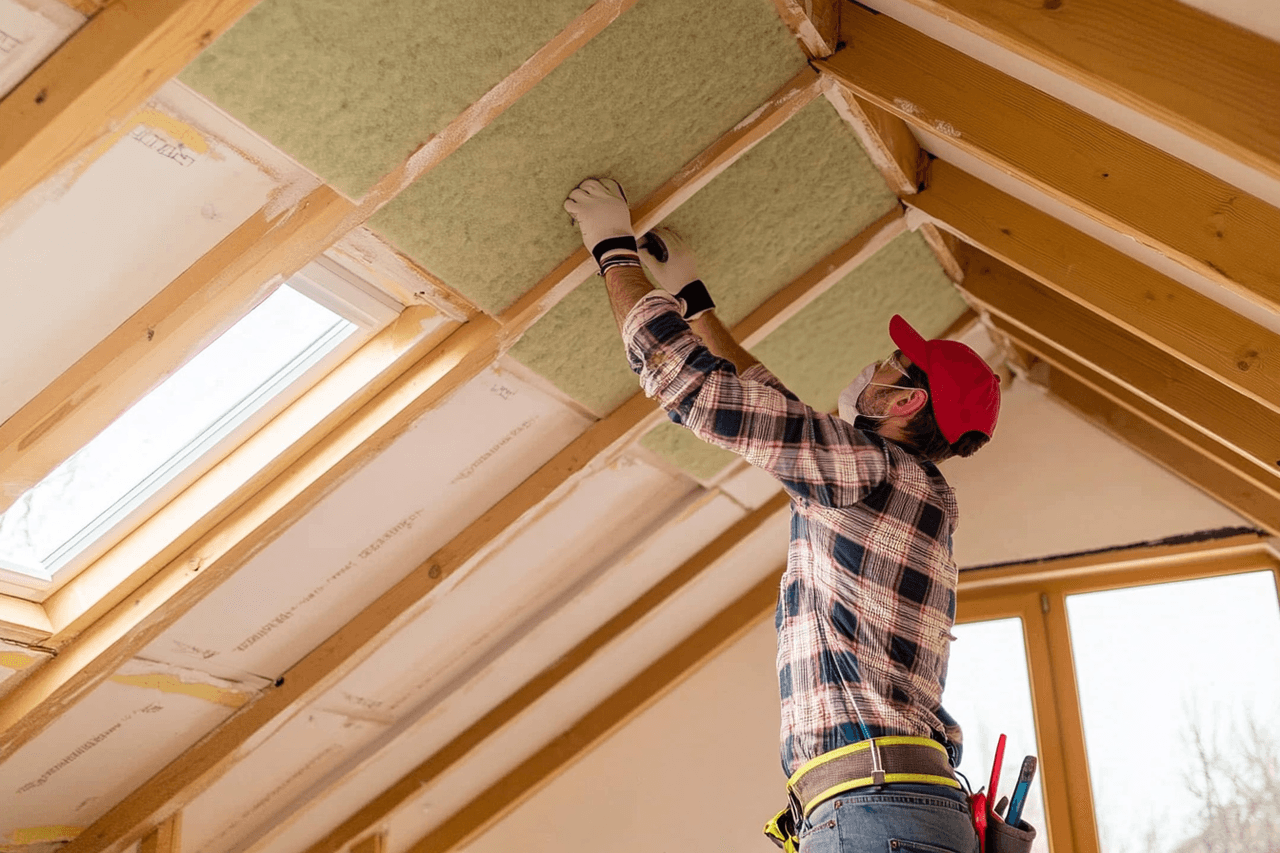
As colder weather approaches, early planning can make a big difference in your home’s comfort and energy use. Insulation, roofing, and heating upgrades are easier to plan before winter arrives, especially if your attic shows signs of heat loss, moisture, or uneven temperatures.
The best attic insulation for a Canadian home depends on your climate, attic condition, budget, and existing insulation level. In most cases, the best results come from sealing air leaks first, then adding enough insulation to reach the right R-value.
What makes attic insulation effective?
Source: Construction CUBO
Good attic insulation is not only about choosing a material. The attic also needs proper air sealing, ventilation, and moisture control.
Before adding insulation, check for:
Air leaks around ceiling penetrations, wiring, plumbing vent pipes, and the attic hatch
Roof leaks or wet insulation
Mould, mildew, or musty smells
Blocked soffit vents or poor roof ventilation
Missing insulation baffles
Gaps around recessed lights and other heat-producing fixtures
Uneven insulation levels between floor joists
Bathroom, kitchen, or dryer vents exhausting into the attic
The attic hatch is a common weak spot. It should be insulated, weather-stripped, and sealed to reduce heat loss.
What R-value should your attic have?
R-value measures how well insulation resists heat flow. The higher the R-value, the better the insulation slows heat loss in winter and heat gain in summer.
In many Canadian attic retrofits, homeowners aim for about R-50 to R-60. Exact requirements vary by province, municipality, climate zone, building type, and whether the work is a retrofit or new construction.
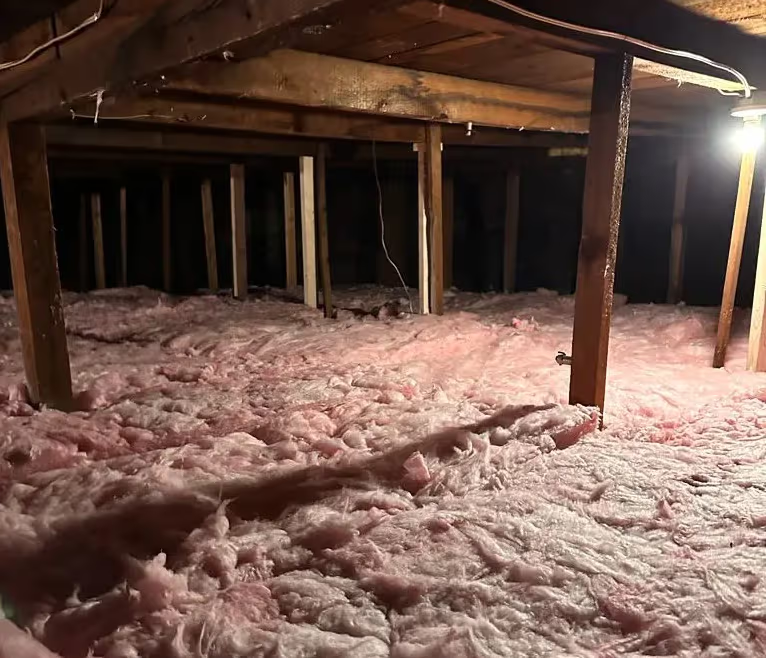
As a rough guide, R-50 to R-60 may require about 16 to 20 inches of common loose-fill insulation, depending on the product. Spray foam can reach higher R-values with less thickness, but it is usually more expensive.
Which attic insulation material is best for your home?
Source: Projet solutions limited
There is no single best attic insulation material for every home. The right choice depends on what problem you are trying to solve.
Homeowner priority | Best insulation option | Why it works |
Best overall attic top-up | Blown-in cellulose or blown-in fibreglass | Covers attic floors evenly and works well over many existing insulation layers |
Older attic with gaps and uneven framing | Blown-in cellulose | Settles into small spaces and offers dense coverage |
Moisture-prone attic | Blown-in fibreglass or mineral wool | Handles moisture exposure better than cellulose when the attic is properly ventilated |
Simple, open attic | Fibreglass batts | Affordable and easier to install between standard joists |
Fire resistance and sound control | Mineral wool | Dense, durable, and naturally fire-resistant |
Maximum air sealing | Spray foam | Expands to seal gaps, but should be installed by a professional |
Lowest-cost retrofit | Blown-in cellulose | Often one of the most affordable ways to increase attic R-value |
Best Attic Insulation Materials in Canada
Source: 14059352 CANADA INC.
Blown-In Cellulose
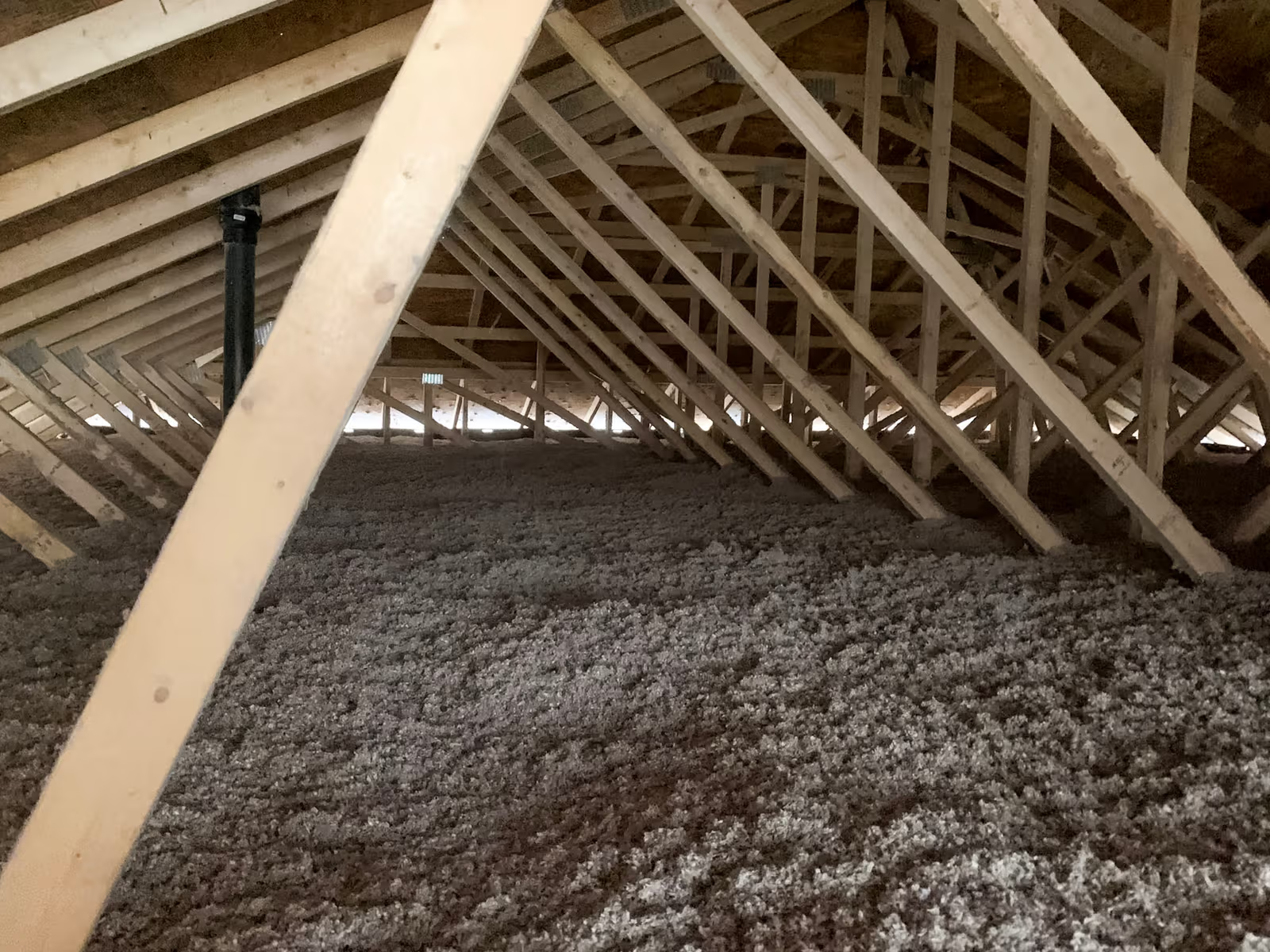
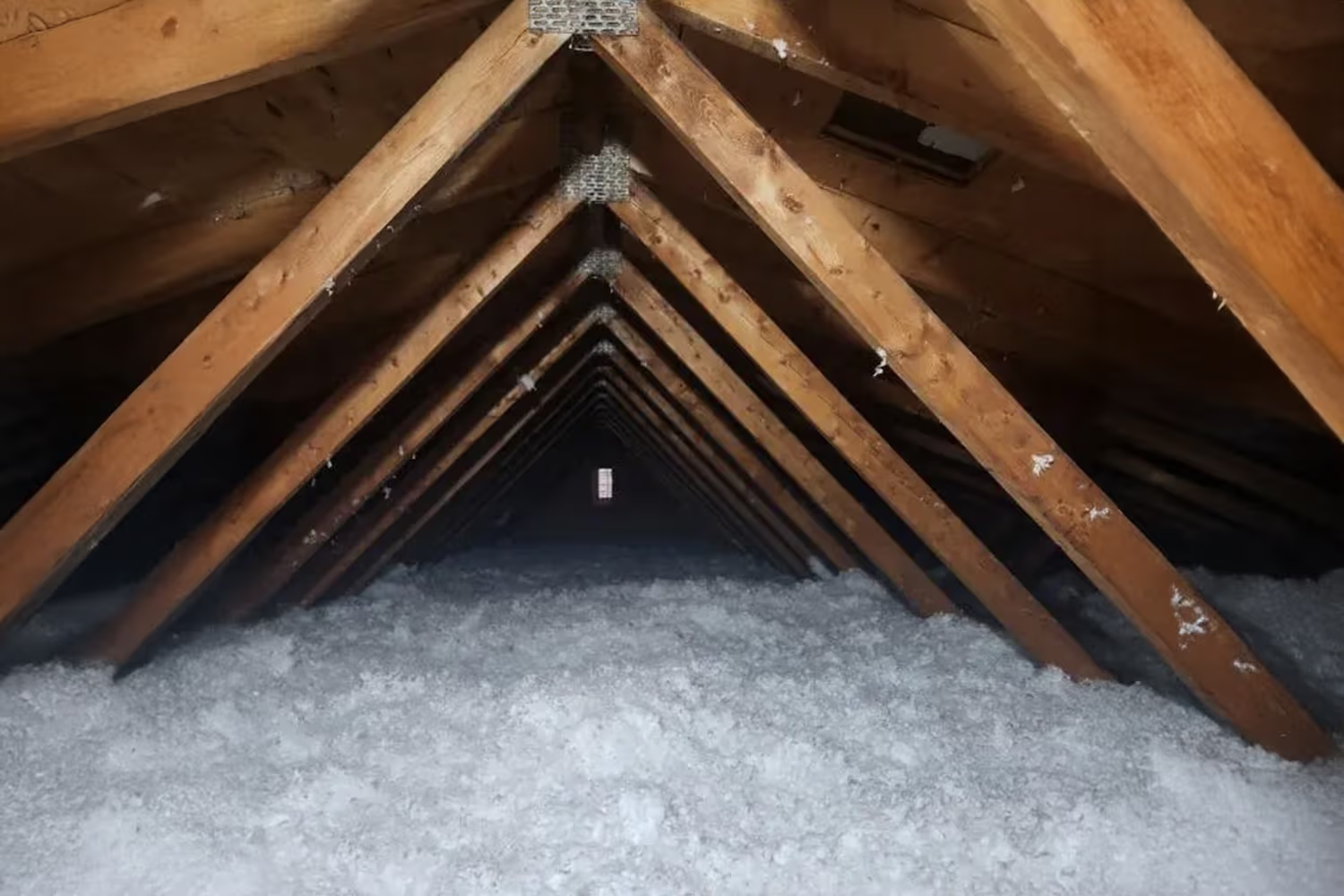
Blown-in cellulose is a loose-fill insulation made mainly from recycled paper fibre treated for fire resistance. It is installed with a blowing machine and is commonly used to top up older attic insulation.
Best for: Older attics, uneven attic floors, and homeowners looking for strong coverage at a reasonable cost.
Pros:
Fills small gaps and irregular spaces well
Often cost-effective for attic retrofits
Good sound absorption
Can be installed over existing insulation if the old material is dry, clean, and safe
Made with recycled content
Cons:
Can settle over time, so the installed depth must account for settling
More sensitive to moisture than fibreglass or mineral wool
Can become heavy if wet
Not a substitute for air sealing
Best installed by a professional for consistent depth and coverage
Main trade-off: Cellulose offers strong value and coverage, but it must be kept dry and installed at the right depth.
Blown-In Fibreglass
Blown-in fibreglass is a lightweight loose-fill insulation. It works well for open attic floors and insulation top-ups.
Best for: Large, dry, well-ventilated attics where homeowners want a lightweight loose-fill option.
Pros:
Lightweight
Good moisture tolerance compared with cellulose
Non-combustible
Fast to install across open attic floors
Useful for topping up existing insulation
Cons:
Does not seal air leaks on its own
Can perform poorly if wind movement affects the insulation
May require more depth than some materials to reach the same R-value
Loose fibres can irritate skin, eyes, and breathing passages during installation
Needs proper baffles and attic airflow management
Main trade-off: Blown-in fibreglass handles moisture better than cellulose, but it still depends on careful air sealing and ventilation.
Fibreglass Batts
Fibreglass batts come in rolls or pre-cut sections. They are widely available and often used between floor joists.
Best for: Simple, open attics with standard joist spacing and few obstructions.
Pros:
Usually affordable
Easy to find in stores
Suitable for some DIY projects in clean, accessible attics
Works well in regular framing bays
Available in many R-values and thicknesses
Cons:
Gaps, compression, or poor cuts reduce performance
Harder to fit around pipes, wires, braces, and irregular framing
Does not seal air leaks
Less practical for older attics with many obstacles
Can irritate skin and lungs during handling
Main trade-off: Batts are affordable and simple, but they lose effectiveness when they are not fitted perfectly.ain trade-off:
Mineral Wool Insulation
Mineral wool, also called rock wool, is available as batts and sometimes loose-fill insulation. It is dense, durable, and known for fire resistance.
Best for: Homeowners who want fire resistance, sound absorption, and better moisture tolerance.
Pros:
Excellent fire resistance
Good sound absorption
Resists moisture better than many insulation materials
Dense and durable
Lower settling risk when installed properly
Cons:
Often more expensive than fibreglass
Heavier and harder to handle
Can be more difficult to cut neatly
Less common for full attic top-ups than cellulose or fibreglass
Still needs separate air sealing
Main trade-off: Mineral wool is durable and fire-resistant, but it usually costs more and requires careful handling.
Spray Foam Insulation
Spray foam expands after application and can provide insulation and air sealing at the same time. It is available as open-cell and closed-cell foam.
Best for: Targeted air sealing, complex attic areas, roofline applications, and hard-to-insulate spaces.
Pros:
Excellent air-sealing ability
High R-value per inch, especially closed-cell foam
Useful around difficult gaps and irregular spaces
Can reduce drafts when installed correctly
Low risk of settling
Cons:
More expensive than most attic insulation materials
Must be installed by trained professionals
Poor installation can create moisture or ventilation problems
Not always practical or cost-effective for a full attic floor
Can make future repairs more complicated
Main trade-off: Spray foam is strong for air sealing, but it is not always the best-value option for insulating an entire attic.
Vermiculite Insulation
Vermiculite was used in some older homes. It often looks like small grey-brown or silver-gold pebbles.
Best for: Professional assessment only.
Pros:
Was historically used as loose-fill insulation
Cons:
May contain asbestos
Should not be disturbed by homeowners
Can make attic renovations more complex and expensive
Requires professional testing and safe handling
Not recommended as a modern insulation upgrade
Main trade-off: Vermiculite is a major safety concern, not a material to add or improve yourself.
Side-by-Side Comparison of Attic Insulation Materials
Material | Moisture tolerance | Air-sealing ability | Settling or compression risk | Installation difficulty | Relative cost |
Blown-in cellulose | Moderate | Low unless paired with air sealing | Can settle over time | Intermediate to professional | Low to moderate |
Blown-in fibreglass | Good | Low unless paired with air sealing | Can shift if airflow is poorly managed | Intermediate to professional | Moderate |
Fibreglass batts | Moderate | Low | High if compressed or poorly fitted | Basic to intermediate | Low to moderate |
Mineral wool batts | Good | Low | Low when fitted properly | Intermediate | Moderate to high |
Spray foam | Good, especially closed-cell foam | Excellent | Low | Professional-only | High |
Vermiculite | Not recommended for upgrades | Low | Can shift if disturbed | Professional assessment required | High if asbestos handling is needed |
Regional and Climate Considerations in Canada
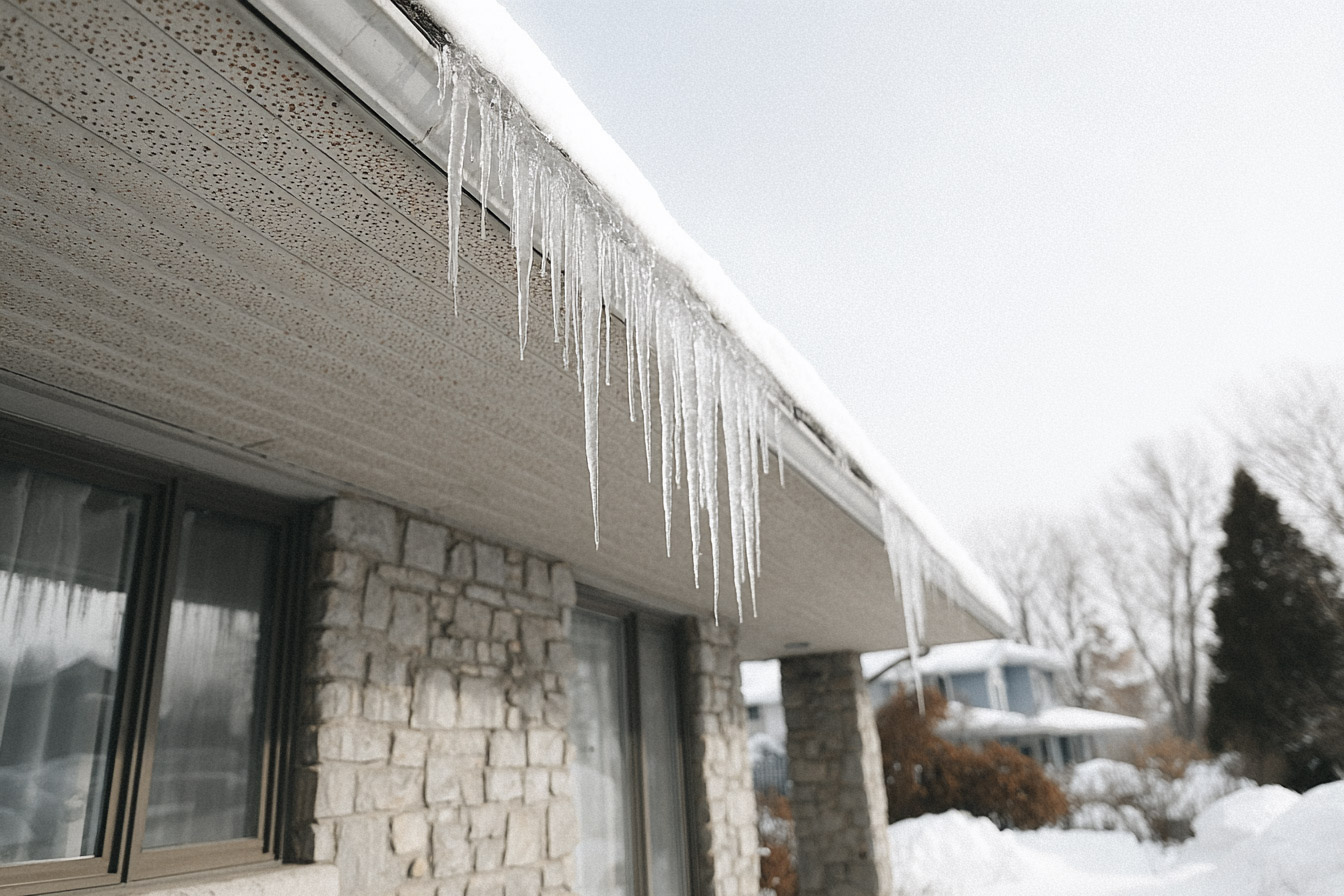
Source: Reno Quotes
Canada’s climate varies widely, so the best attic insulation choice depends on local weather, moisture exposure, and winter severity.
Cold and Northern Regions
Homes in colder areas, including much of Quebec, Ontario, the Prairies, northern B.C., and Atlantic Canada, usually need higher attic R-values. Many attic upgrades aim for about R-50 to R-60, and some colder regions may benefit from higher levels.
In these areas, air sealing is especially important. Warm indoor air leaking into the attic can cause condensation, frost, and ice dams.
Good options often include:
Blown-in cellulose for strong coverage over uneven attic floors
Blown-in fibreglass for a lightweight loose-fill top-up
Spray foam for targeted air sealing when installed professionally
Coastal and Moisture-Prone Regions
In coastal areas, such as parts of British Columbia and Atlantic Canada, moisture control is a major concern. Roof leaks, damp air, and poor ventilation can reduce insulation performance and increase mould risk.
Good options often include:
Blown-in fibreglass in dry, well-ventilated attics
Mineral wool where moisture tolerance and durability matter
Cellulose only when leaks and ventilation problems are corrected first
Before insulating, make sure bathroom fans and kitchen vents exhaust outdoors, not into the attic.
Prairie Regions
Prairie homes face cold winters, hot summers, strong winds, and large temperature swings. Air leakage can be a major source of energy loss.
Good options often include:
Blown-in cellulose for dense coverage around framing
Blown-in fibreglass for large open attic floors
Spray foam for targeted air sealing in difficult areas
In windy regions, attic airflow management matters. Soffit vents, baffles, and roof ventilation should work together without letting wind disturb loose-fill insulation.
Milder Regions
In milder regions, such as parts of coastal B.C. and southern Ontario, attic insulation still matters. It helps reduce winter heat loss, summer heat gain, and indoor temperature swings.
Good options often include:
Blown-in fibreglass for a light attic top-up
Cellulose for affordable coverage
Batts in simple, accessible attic spaces
Even in milder climates, air sealing should be done before adding more insulation.
How much does attic insulation cost in Canada?
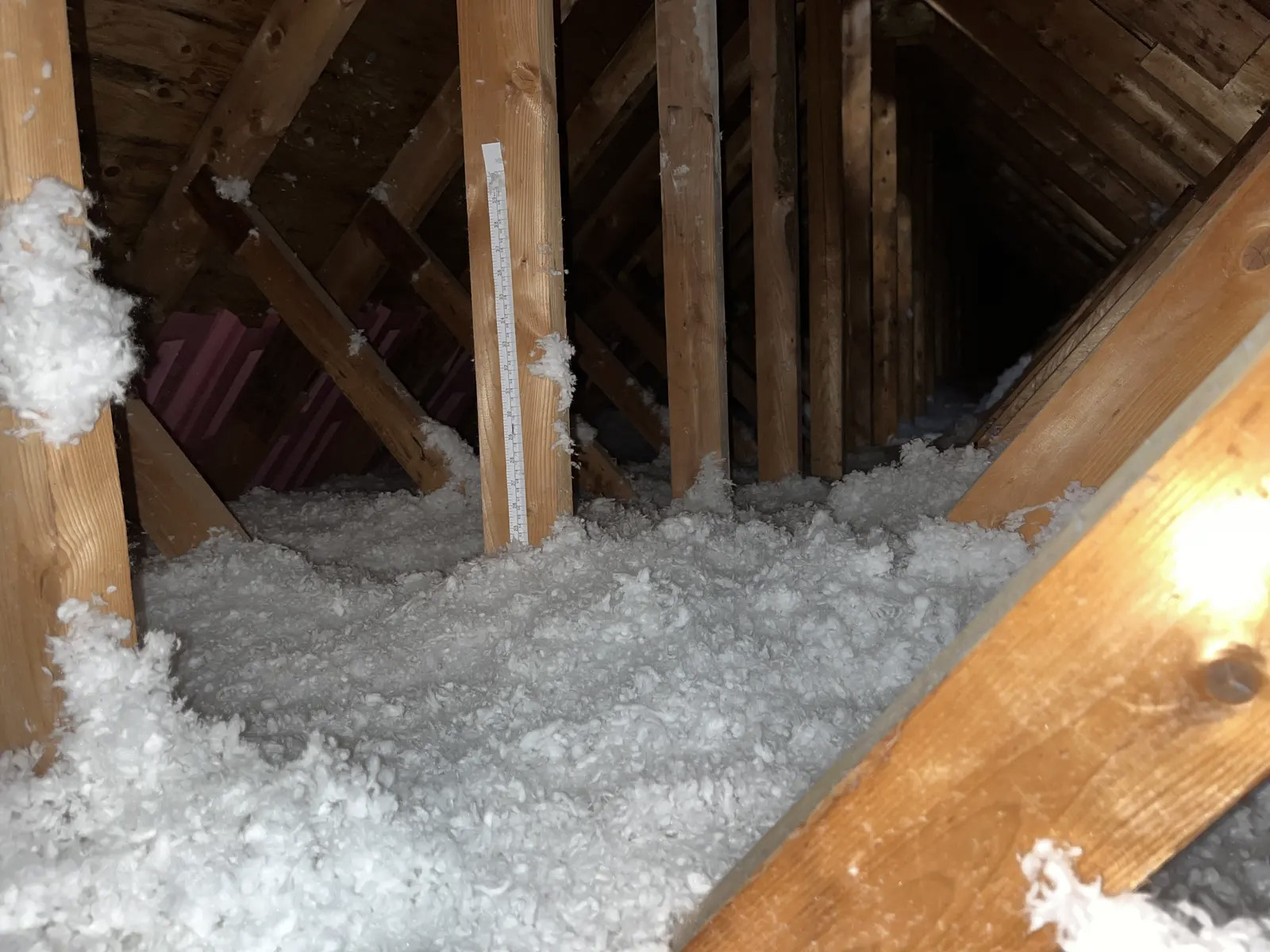
Source: Toiture & Isolation Provinciale inc.
Attic insulation costs depend on attic size, material, access, removal, air sealing, ventilation work, and labour in your region.
Insulation material | Typical planning cost |
Blown-in cellulose | About $1.50 to $3 per sq. ft. installed |
Blown-in fibreglass | About $1.75 to $3.50 per sq. ft. installed |
Fibreglass batts | About $0.90 to $5.90 per sq. ft., depending on product and installation |
Mineral wool batts | About $1.40 to $5.90 per sq. ft. |
Spray foam insulation | About $3 to $8 per sq. ft. or more, depending on type and thickness |
A lower quote may not be the best value if it excludes air sealing, attic hatch insulation, insulation baffles, ventilation improvements, or safe handling of old insulation.
Are there rebates for attic insulation in Canada?
Rebates vary by province, utility, heating system, household income, and program rules. Always confirm eligibility before work begins, because many programs require pre-approval, product documentation, or a registered contractor.
Examples include:
Ontario’s Home Renovation Savings program, which includes attic insulation rebates
B.C. insulation rebate programs through BC Hydro, FortisBC, CleanBC, and Better Homes BC
Income-qualified programs that may cover insulation or related energy-efficiency upgrades
Ask your contractor for product details, installed R-value documentation, invoices, and rebate paperwork.
Benefits of Upgrading Attic Insulation
A properly insulated and air-sealed attic can improve your home in several ways:
Lower heating and cooling costs
Better comfort in winter and summer
Fewer drafts and temperature swings
Reduced risk of condensation and ice dams when ventilation is correct
Less strain on heating and cooling equipment
Better moisture control
Possible noise reduction
Improved energy efficiency and lower carbon footprint
Poor attic insulation often shows up as high energy bills, cold rooms upstairs, hot bedrooms in summer, condensation marks on ceilings, or ice buildup along roof edges.
Can you add insulation over old insulation?
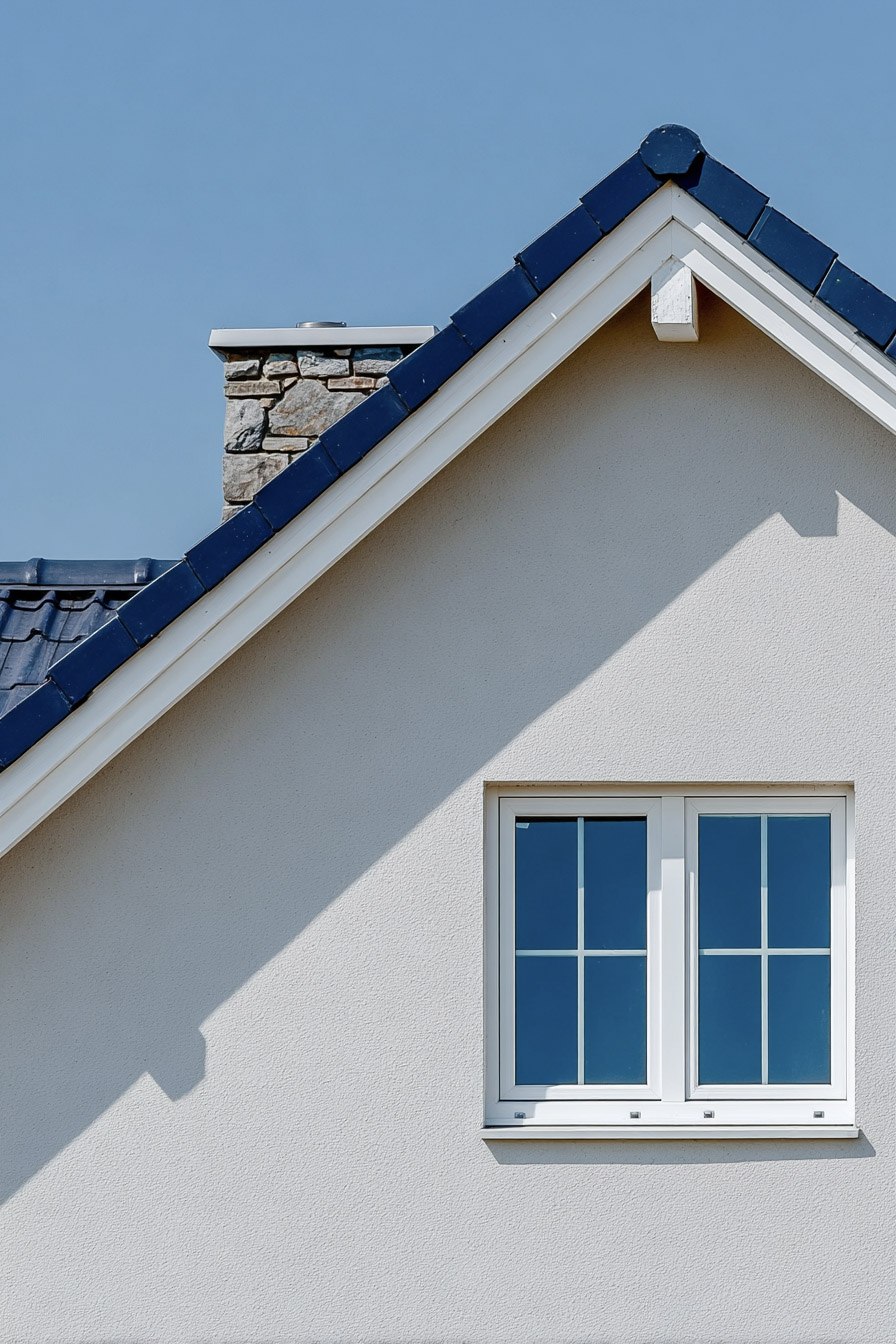
Source: Reno Quotes
Yes, you can often add insulation over old insulation if the existing material is dry, clean, pest-free, and in good condition. Do not cover insulation that is wet, mouldy, compressed, contaminated, or suspected to contain asbestos.
Before adding more insulation:
Seal air leaks
Fix roof leaks
Confirm ventilation is working
Add or adjust insulation baffles
Insulate and weather-strip the attic hatch
Keep safe clearances around heat-producing fixtures
When in doubt, have an insulation contractor or energy advisor inspect the attic first.
Can you install attic insulation yourself?
Some simple attic insulation work can be DIY-friendly, especially in a clean, open, easy-to-access attic. Homeowners may be able to install fibreglass batts or weather-strip an attic hatch.
However, professional installation is usually safer for:
Blown-in insulation
Spray foam insulation
Vermiculite or suspected asbestos
Mould or wet insulation
Ventilation corrections
Major air sealing work
Electrical, plumbing, or combustion safety concerns
Homes where rebate eligibility requires a registered contractor
DIY mistakes can reduce performance if insulation is compressed, uneven, installed over blocked vents, or placed too close to heat-producing fixtures.
In Conclusion
For many Canadian homes, the best attic insulation is blown-in cellulose or blown-in fibreglass because these materials offer good coverage, strong value, and practical installation for attic top-ups. Mineral wool, fibreglass batts, and spray foam can also be good choices depending on the attic, climate, and budget.
The most important step is to prepare the attic properly. Seal air leaks, fix moisture problems, protect ventilation, insulate the attic hatch, and choose an R-value suited to your region.
FAQ
What is the best attic insulation for Canada?
Blown-in cellulose or blown-in fibreglass is often the best attic insulation for Canadian homes because both can cover the attic floor evenly and reach high R-values at a reasonable cost. Spray foam may be better for specific air sealing or roofline applications, but it is usually more expensive.
Is cellulose or fibreglass better for attic insulation?
Cellulose is often better for filling gaps and uneven attic spaces, while fibreglass is lighter and more moisture-resistant. The better choice depends on attic condition, ventilation, budget, and whether moisture is a concern.
Is spray foam the best attic insulation?
Spray foam can be excellent for air sealing and hard-to-insulate areas, but it is not always the best choice for a full attic floor. It is more expensive and should be installed by a qualified professional.
What R-value should attic insulation have in Canada?
Many Canadian attic upgrades aim for about R-50 to R-60. Colder regions may benefit from higher levels, while exact requirements depend on your province, municipality, climate zone, and project type.
Can you add insulation over old insulation?
Yes, but only if the existing insulation is dry, clean, pest-free, and in good condition. Do not cover wet, mouldy, compressed, contaminated, or vermiculite insulation without professional advice.
What are the signs of poor attic insulation?
Common signs include high heating bills, cold upstairs rooms, overheating in summer, drafts, uneven indoor temperatures, condensation marks on ceilings, ice dams, and visible low or uneven insulation levels in the attic.
What should you ask a contractor before hiring them for attic insulation installation?
Ask if they are licensed and insured, trained in insulation work, and willing to seal air leaks before adding insulation. Also ask for a written estimate, proof of certifications, and details on how they will protect vents, ducts, and attic fixtures during installation.
Looking for something else?