How to Refinish and Maintain an Exposed Brick Wall in your Home
By Editorial Team
Updated on November 8, 2023
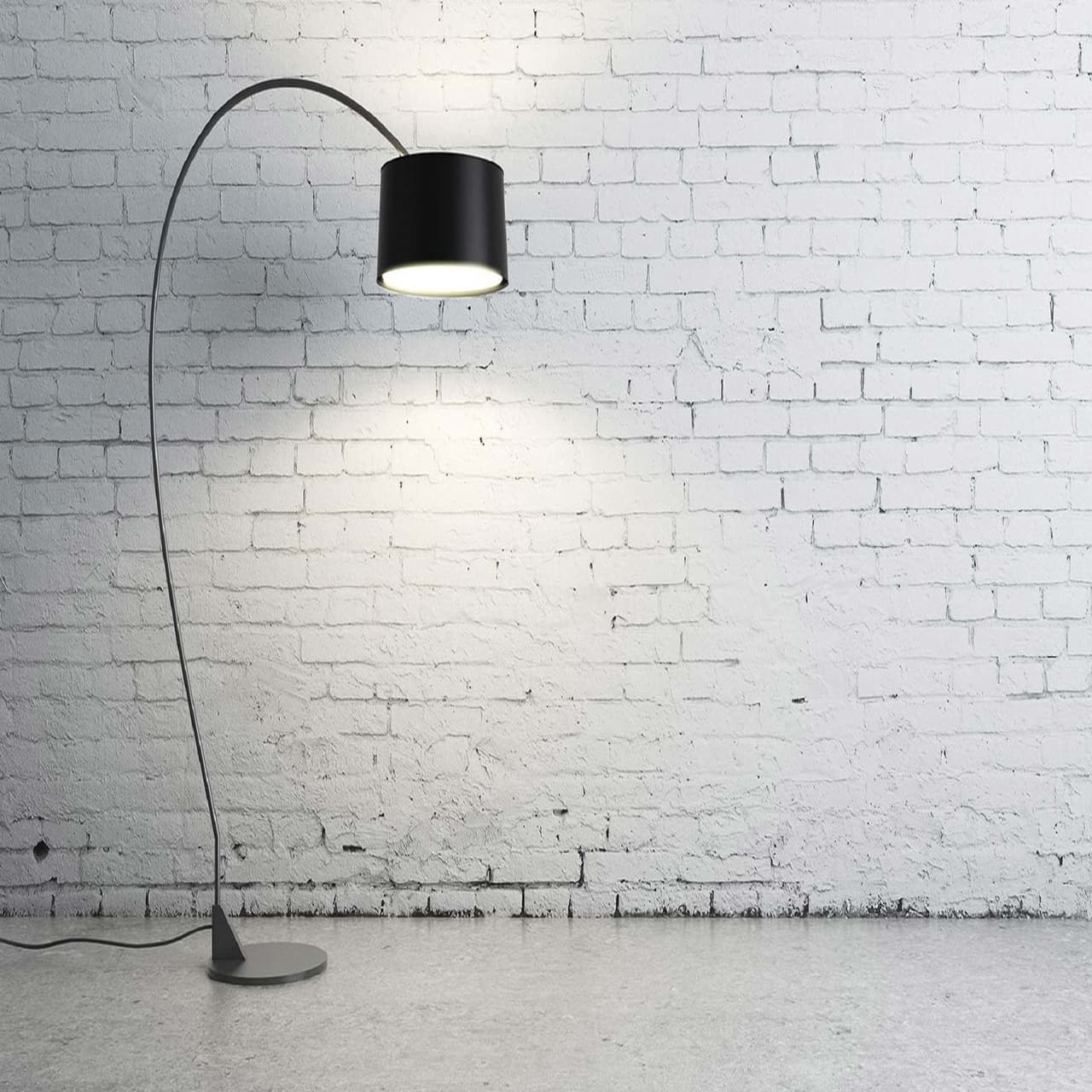
The clay composition of brick is what gives it its characteristic earthy colour while also delivering enormous strength and durability. While brick does outlast other materials such as wood, over time a brick wall’s worst enemies are moisture and extreme temperature changes. These two natural elements that every Canadian must deal with annually can really compromise the mortar over time, leaving cracks and stains.
Cleaning the exposed brick wall
Cleaning your brick wall gently can reveal any cracks in the mortar which is helpful to determine the right course of action, should repairs be necessary. Start with the most gentle cleaning method to avert further damaging the wall. It's best to use a garden hose and a mild detergent before trying out harsher cleaners (remember to lay plastic sheets down on the floor while keeping buckets handy as to avoid a potential flooding issue).
Gentle scrubbing is essential and although painstaking, should be done by hand. If you do encounter more stubborn stains, a stiff brush will be necessary. As for liquid, it is recommended to start mildly by mixing grease-cutting soap and some salt as a light abrasive but don’t use harsh abrasives as they could damage the finish of the wall. As with any cleaners, let it sit for about ten minutes before scrubbing to allow it to penetrate the layer of grime.
Refinishing your brick wall
The elements may leave the brick showing signs of wear, like crumbled mortar or an overall dull finish. Remember, you can prevent big repairs down the line with small and simple do-it-yourself projects to reinforce your home.
The first step is to assess any damage. Is the issue just on the mortar lines? If so, it’s easy to repair. In this case, you’ll need some basic tools; glove and face mask for safety, a rigid putty knife, a brush for loose particles, a brick jointer and of course, some masonry mortar for the repairs.
Using the rigid putty knife, carefully clear away any loose or damaged mortar, making sure to work gently around the bricks. The brush would be used at this point to clear away any fine dust as you don’t want those particles needlessly being trapped under the new layer of mortar. Next, make sure to mix the mortar in a bucket following the manufacturer's instructions carefully to get the best consistency possible.
Now, it’s time to apply it to the damaged area and depending on the extent of the mortar damage, you can either use your finger to smooth it over or use the brick jointer to finish longer areas. Make sure to wipe away any excess mortar to prevent bunching and an all-around messy look. Lastly, let the mortar cure for at least 24 hours to ensure its strength is maximized.
Crumbling mortar? Repointing might be the solution
Repointing is essentially a method of renewing the external part of the mortar joints and this is done to repair any voids in the mortar which can appear over time due to weathering. One of the biggest issues with damaged mortar is that cracks and voids can let moisture in. Excess moisture in the mortar and brick can lead to structural damage, damage to the walls or, if unchecked, water damage to the foundation which is to be avoided at all costs for any homeowner.
Finding the right mortar to match the original can be a difficult task for do-it-yourself home renovations. Therefore, its recommended to hire a professional for any repointing needs since their work can be trusted.
Author: David Ben-Zaken
Get 3 renovation quotes for your brick wall renovation project
RenoQuotes.com can help you get quotes for your brick wall renovation project. If you submit your project to us, we’ll put you in contact with top-rated contractors. Fill in the form on the homepage (it only takes a few minutes), and you will receive quotes from companies that are specialized in home renovations.
Dial 1-844 828-1588 to speak with one of our customer service representatives
Looking for something else?
Related articles
The latest industry news, interviews, technologies, and resources.

Christine Simard
•02 Dec 2024
In Montréal or Québec City, the unique architecture of buildings and apartment complexes is a part of the city’s visual design signature. Some of these buildings are so important that a good deal of them are protected by laws when it comes to renovations, stemming either from neighbourhood rules or municipal bylaws.

Editorial Team
•05 Dec 2025
Building a house is often the project of a lifetime. Who can say they never dreamed of owning a custom-built home, one in which the kitchen is perfectly sized, the bathroom is on the right floor, and every detail is executed flawlessly?

Editorial Team
•08 Nov 2023
Ready to whip yourself back into shape? If the thought of leaving your house to work out is enough to turn you off the idea completely, yet you happen to have an empty bedroom, why not turn it into a gym?
Editorial Team
•08 Nov 2023
The laundry room is a space that is notorious for being cramped. Since it is a multipurpose room, there is a constant quest to try to keep this room organized and utilitarian while still being an attractive space in the home. Especially in the case of smaller houses and apartments, the laundry room often lacks much-needed storage.

Editorial Team
•08 Nov 2023
Window shutters are a classic choice when it comes to indoor and outdoor home decor. They offer a hint of sophistication while increasing the privacy of your home.