Solar Roof: Are Solar Shingles the Future? | Renovation Quotes
By Editorial Team
Updated on July 24, 2026
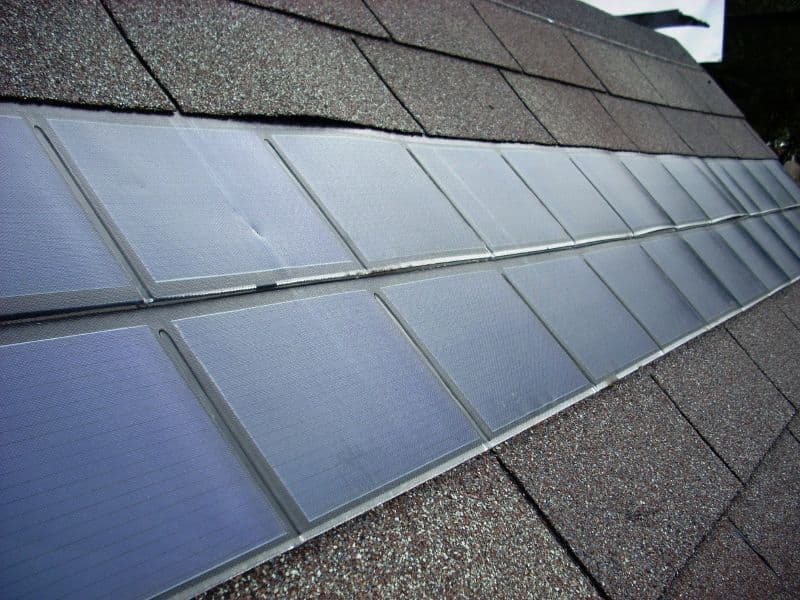
More and more people seem to be switching to renewable energy sources to help power their homes or to decrease their dependency on traditional sources. While solar panels are still very much the go-to option for solar generation, a relatively new form may change the way we implement photovoltaic cells on our homes and those are solar shingles.
What are solar shingles?
Solar shingles are exactly what they sound like, shingles designed to have the function of the photovoltaic cells on a solar panel but on a much smaller scale. These shingles are designed to blend in smoothly with conventional roofing materials like asphalt shingles.
Solar shingles come in multiple variations such as wider panels that cover several typical shingles in a strip or a new system where the shingles are the same size as conventional shingles, giving the appearance of normal shingles while blending in seamlessly.
Initially, solar shingles were made to be slightly larger than regular shingles to maximize surface area and enhance efficiency. These shingles are roughly 12 by 86 inches and are stapled directly on to the waterproof membrane. More recent developments have allowed some companies to offer a product which is nearly identical to regular shingles in terms of size, look, and ease of installation, making this option a very attractive one.
While different type of shingles have different mounting specifications, most solar shingles can be installed as easily and with the same method as regular shingles. This means that they can be less of a burden to install than solar panels, as some solar panels require big rafters to be installed to bear the load. This also translates into solar shingles being much less of an “eyesore” as compared to big solar panels which can become the visual focus of your roof.
Are solar shingles better than solar panels?
This is not a simple answer and the reality is only time will tell. But costs, which are often the determining factor, are coming down year after year.
The cost of solar shingles has been lowering consistently over the past few years. Cost today ranges from roughly $4.80 up to $14.40 per watt installed. This, of course, varies depending on the manufacturer and system size.
Although solar shingles are known to have a higher cost of installation than solar panels, recently some companies have worked to decrease the costs to make it competitive with a transition to solar panels.
The price of an array of about 350 solar shingles would cost around $24,000 for installation. However, it is worth noting that many places have incentives in place to bring that cost down significantly. Also, a setup of 350 solar shingles could help cut the household electricity bill by 40% to 60% which amounts to considerable savings for any homeowner.
Many believe this technology will eventually surpass solar panels as the homeowner’s choice for renewable energy gathering. Modern solar shingles are engineered to be remarkably durable, with most major manufacturers offering 25-year warranties for both weatherproofing and power output—on par with traditional solar panels.
With a projected lifespan of 25 to 30 years, solar shingles hold up extremely well over time, making them a reliable long-term investment similar to standard rack-mounted arrays.
While further advances continue to be made in the realms of efficiency and cost-effectiveness, solar shingles are without a doubt a very promising option. Thanks to the fact that it’s a rapidly evolving technology, prices for solar shingles will inevitably come down while efficiency increases. This will no doubt make the switch more enticing to the average homeowner while also making it cost-effective to transition.
If you’re trying to avoid massive unsightly roof structures, then solar shingles could very well be the solution for you. With every year that passes, governments are working to encourage the switch to solar more and more by offering tax credits and other subsidies. As the rates for electricity rise, which is inevitable, the price of solar will come down.
Looking for something else?
Related articles
The latest industry news, interviews, technologies, and resources.

Editorial Team
•08 Nov 2023
A driveway gate is another excellent way for homeowners to personalize their property and add some curb appeal to the scene. There are various types of gates on the market, so the style you choose will likely depend on the size of your driveway and property.
Editorial Team
•08 Nov 2023
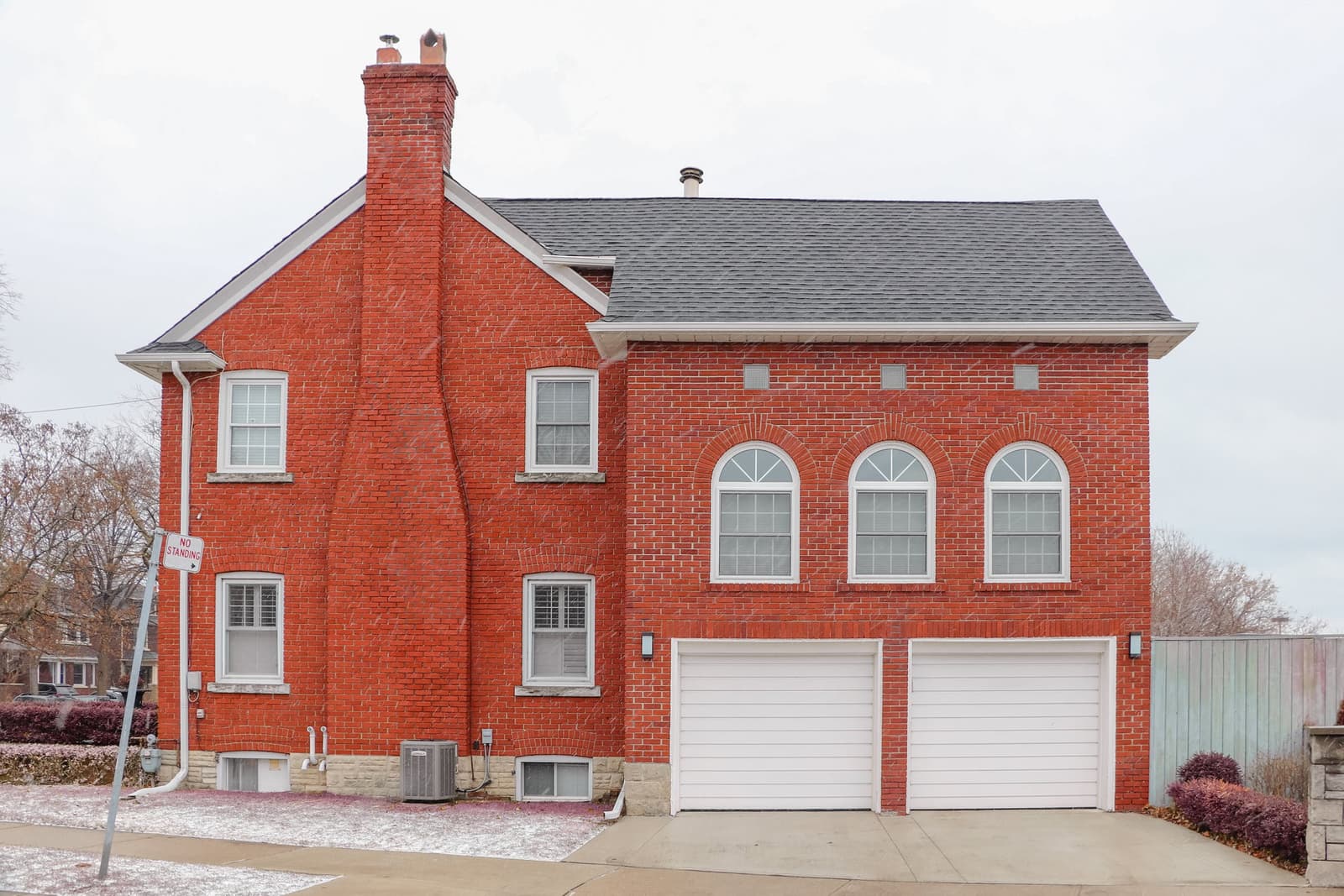
The beauty of a brick exterior is undeniable. It’s captivating, offering a sturdy-looking facade in a way that other materials can’t compare to. However, a modern brick home doesn’t mean the walls will be made of solid brick.

Léa Plourde-Archer
•03 Mar 2026
If there is one question that concerns homeowners from the onset of a bathroom renovation project, it’s definitely the price tag. This figure is essential to determine the quality range of the material you can afford and the extent of the project.
Léa Plourde-Archer
•10 Mar 2026
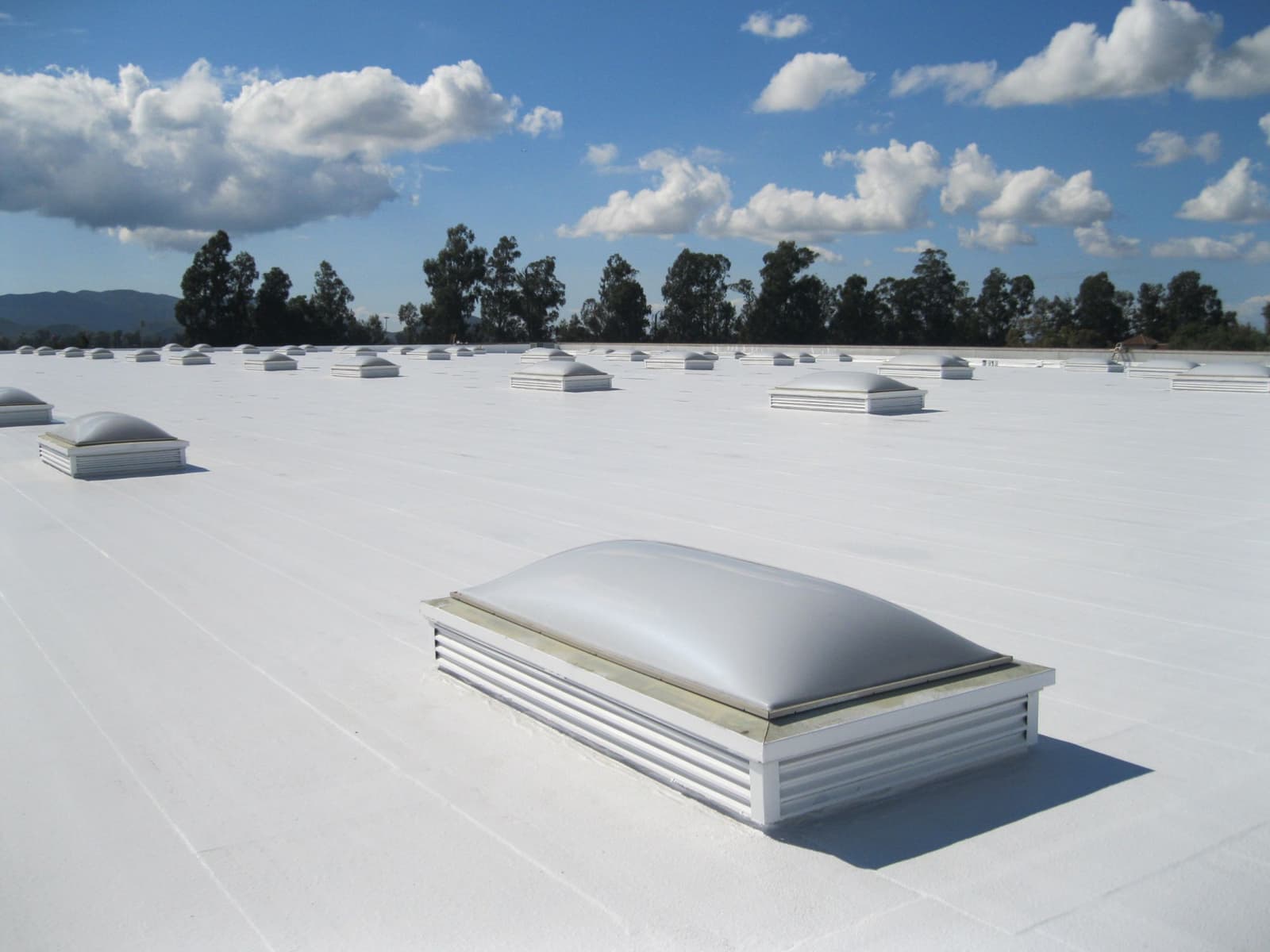
TPO and EPDM roofing membranes are used to cover flat rooftops. These roof covering materials are very durable and have grown in popularity in the past few years in Canada. If you want to learn more about TPO and EPDM roofing, RenoQuotes.com has prepared a global overview of these materials:
Editorial Team
•08 Nov 2023
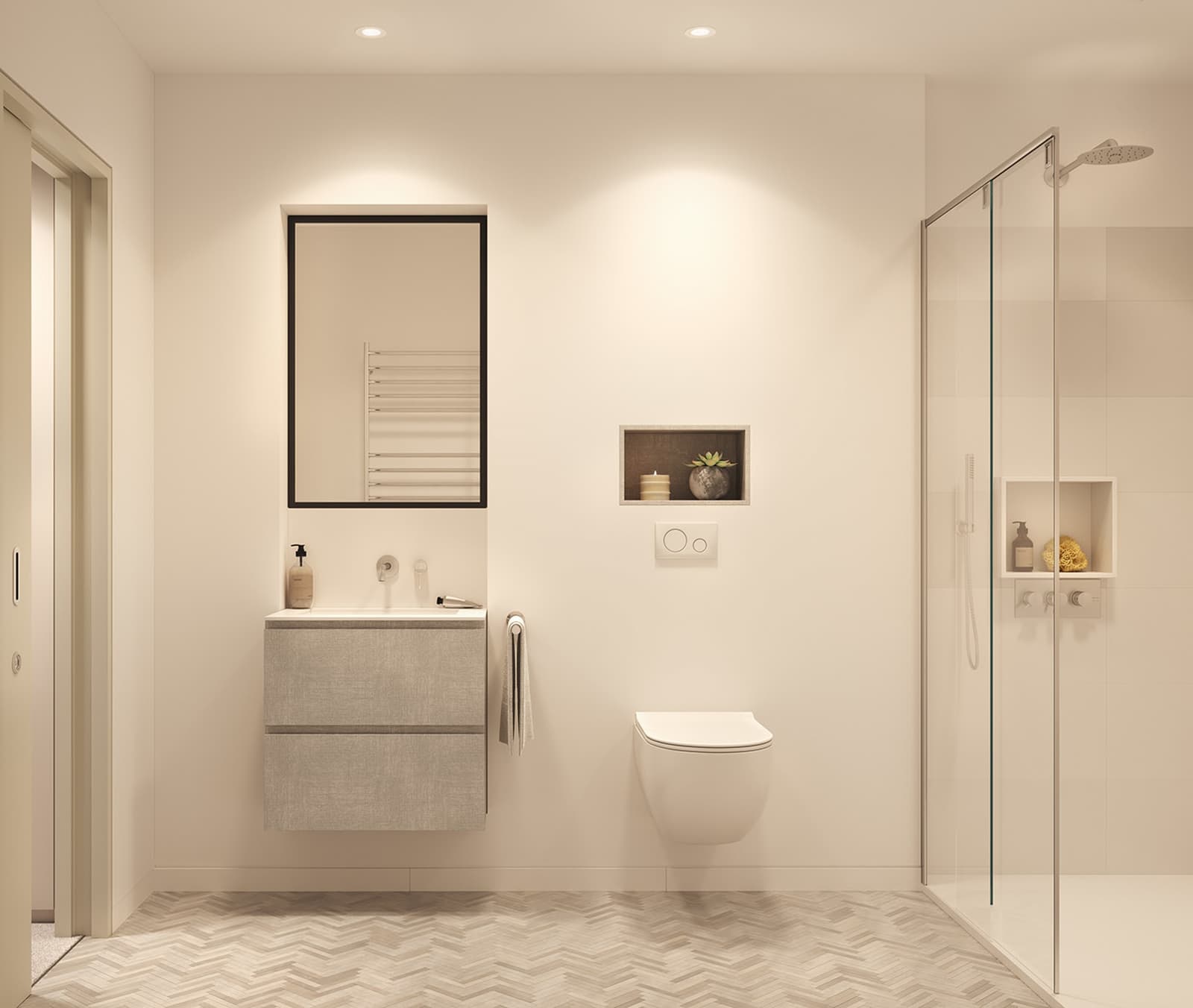
If you haven’t heard of a wet room before, we recommend you start paying attention to this growing trend. The wet room is becoming more desirable as a minimalist, one-of-a-kind feature that works to add value to your home.