Everything You Need to Know About Soundproofing
By Léa Plourde-Archer
Updated on November 8, 2023
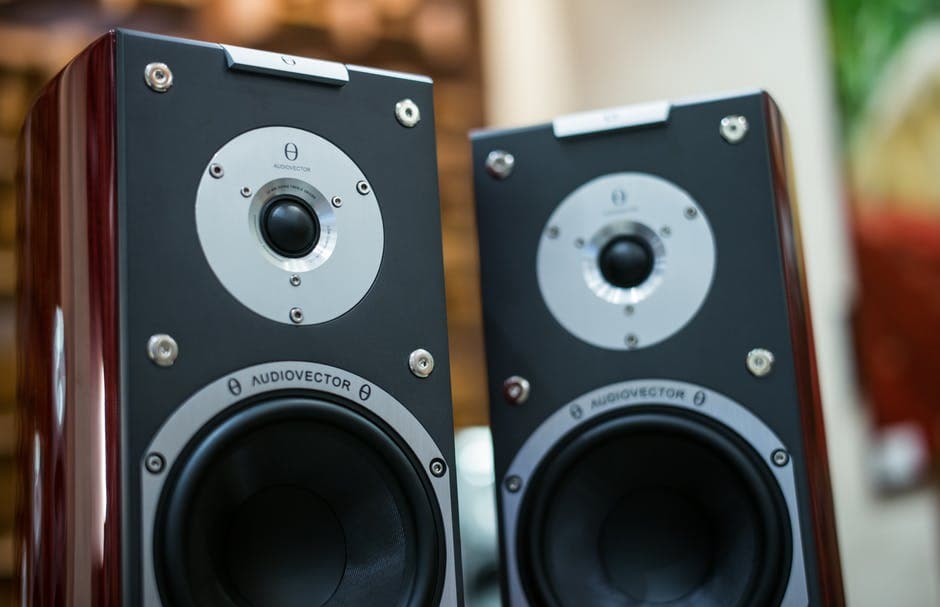
There are few things more annoying than hearing your neighbours and their private conversations due to bad soundproofing. Here is what you need to know about this subject, to be able to benefit from the tranquillity of your own home.
Noise inside the home: what to know
First, you must know that there are two main categories of ambient sounds: impact noises, like footsteps, and aerial noises, which include everything related to voices and sounds emanating from sound systems and TVs, for example.

Photo: Pexels
The Sound Transmission Class rating (STC)
Several factors can inform us about the soundproofing properties of a product, depending on the type of noise.
In terms of aerial noises, you have to check the sound transmission class rating (STC). This rating determines the sound attenuation level between two rooms. According to the 2005 building code, the minimum STC level should be 50. The value of the rating is proportional to the decibel reduction level that is provided by the material. This means that with a level of 50, decibel propagation is reduced by 50.
50. This means that if two individuals are having a conversation in a room and a person is on the other side of the wall, the person could hear a very slight and low-pitched version of what is being said. However, if the individuals start yelling at each other, the whole exchange would then be audible. At this level, certain musical frequencies can also be heard, especially if the neighbour plays his music very loudly.
55. We can hear low frequencies, but conversations are now inaudible. As a whole, the soundproofing level is very good.
60. Unless the neighbour plays their music extremely loudly, we should not hear much of what is happening on the other side of the wall, except perhaps low frequencies, but at a lower volume.
Here is an interesting fact: there is also a rating for the second type of noise: the impact insulation class (IIC). However, there are no specific norms for this rating in the Building code.
Of course, the higher the rating, the better the soundproofing qualities of the walls. Besides the fact that it reduces ambient noises, proper soundproofing will also help diminish air currents, which can prove to be very practical, both during the summer and the winter.

Photo: Pexels
Materials used for soundproofing
The most commonly used soundproofing materials are insulation wool (also known as acoustic mineral wool), resilient channels and acoustic sealants, among others. Cellulosic fibre is also used for this type of purpose. This product works both for soundproofing and insulating. It consists of wood fibres that are recycled and fireproof, which makes it an environmentally-friendly choice. However, it doesn’t completely reduce impact noises.
The soundproofing methods that need to be prioritized are associated with the ceiling, walls and floors. For soundproofing projects that work on the ceiling, there are two main options which are acoustic insulation with ceiling removal or without removal. For the second option, you will add a second layer of gypsum boards under the current ceiling.
Would you like to find out more about soundproofing techniques and installation methods? Check out our article "10 best soundproofing materials" to learn more specific information.
Working with a soundproofing specialist
To know which option you should choose, contact a specialist. For approximately $500, they will be able to find the best solution for your soundproofing problems, according to the building’s architecture and its elements.
Since soundproofing renovations can entail significant amounts of money, because in many cases, the walls will have to be opened, it is very important to have the right tools and to be well informed before any specific project is started.
Are you looking for more advice about reducing the amount of noise that is circulating in your home? Check out our article "10 ways to soundproof your home" to get tips and information about potential renovation projects.
Get 3 renovation quotes for your soundproofing project
RenoQuotes.com will put you in contact with 3 reliable contractors for your soundproofing project. Fill in the form on our homepage (it only takes a few minutes), and you will receive quotes from trusted professionals.
Looking for something else?
Related articles
The latest industry news, interviews, technologies, and resources.
Amanda Harvey
•08 Nov 2023
Renovating a wood floor can completely change the look of a room and add some much-needed charm. While sanding is often the part of the project where attention is focused, choosing a varnish is actually more important to achieve your desired finish. To understand this project a bit more clearly, here are the different options available on the market.

Christine Simard
•08 Nov 2023
You might have noticed a steady stream in paint colour trends in 2020 and 2021. Like we talked about in our article Design trend 2021: curves, shapes and squiggles, the past 2 years had their fair share of ups and downs, with a lot of us stuck at home, probably stuck staring at the same home decor.
Editorial Team
•20 Nov 2023
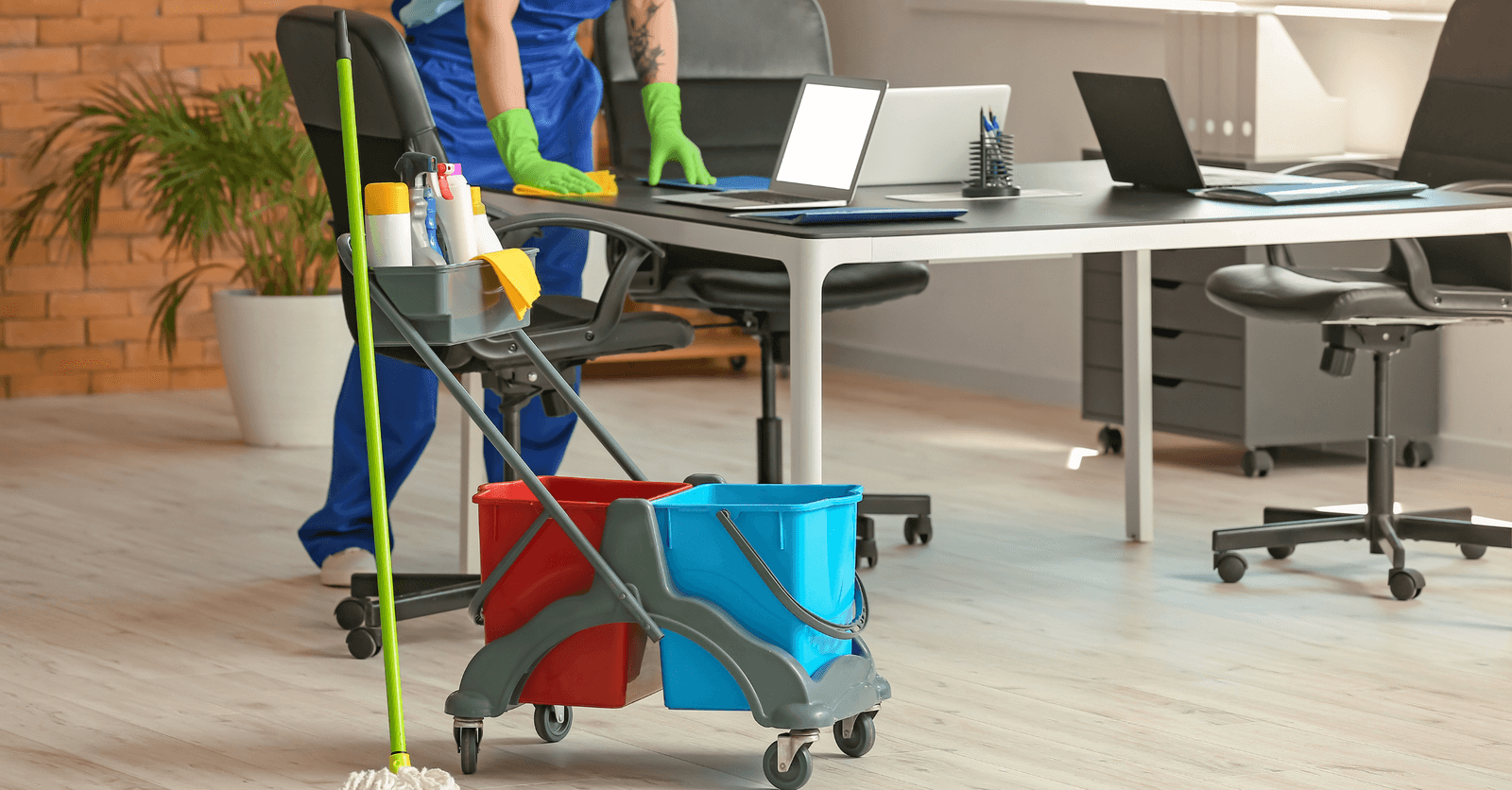
In light of the COVID-19-induced sanitary crisis, traditional office space maintenance, which ultimately consisted of vacuuming, wiping down surfaces, washing windows, and emptying trash cans, has since been completely overhauled.

Editorial Team
•17 Jul 2026
Homeowners are constantly exploring sustainable methods to heat and cool their homes, and it should come as no surprise that the earth itself holds the ultimate answer. This energy source is referred to as geothermal, and it can be tapped right from your own backyard. Modern homes are leaning into this highly efficient and sustainable technology to power their climate control systems. But what exactly is it, and how does it work?
Editorial Team
•07 May 2026
To build a fully functional living space in your basement, experts recommend adding a bathroom or a half bath. Doing so allows people to use the bathroom without having to go up and down the stairs every time. “Doing so [building a basement bathroom] comes with major upsides, increasing the house’s market value and serving as an added feature to the primary bathroom,” says Stéphane Dubé, Summum Salle de Bain Inc. It’s all the more appealing when there’s a basement bedroom or home office.