A vapour barrier is a material used in a home's building envelope to limit the movement of water vapour through walls, ceilings, and other assemblies. In Canada's climate, it plays an important role in moisture control by helping prevent indoor water vapour from reaching colder parts of an insulated assembly, where it could condense.
However, a vapour barrier is only one part of a moisture-control system. Insulation, air barriers, exterior drainage, and ventilation all perform different jobs and must work together to keep a home dry and comfortable.
What does a vapour barrier do?
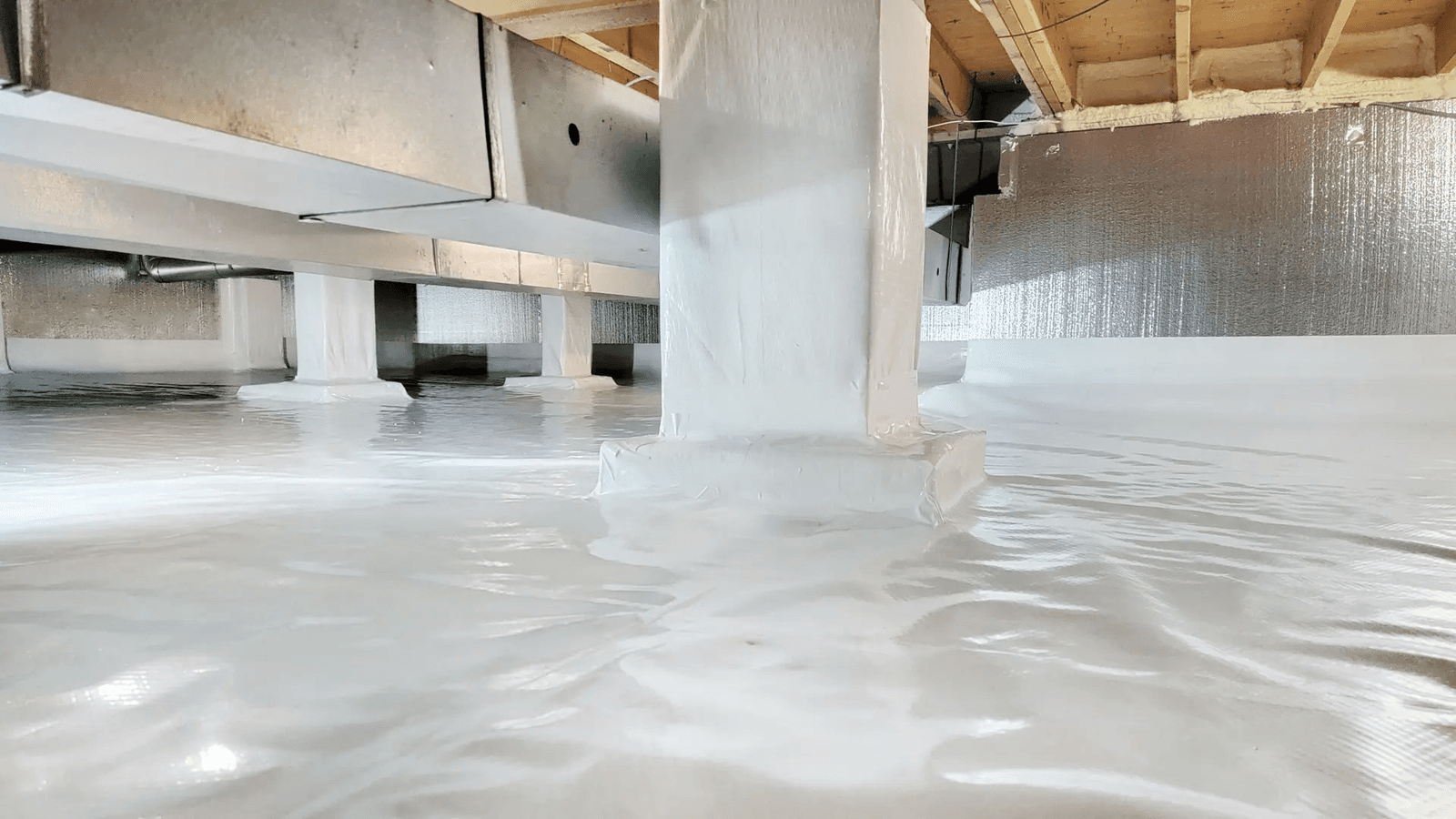
Source: Basement Systems Toronto
Water vapour is constantly produced inside a home through everyday activities such as cooking, showering, cleaning, and doing laundry. Some of this vapour can move through building materials by a process called diffusion.
A vapour barrier, sometimes called a vapour diffusion retarder, slows this movement. Its purpose is to reduce the amount of water vapour entering areas of a wall, ceiling, or floor assembly where temperatures may be low enough for condensation to form.
Controlling this moisture helps protect:
Insulation
Wood framing
Drywall and other finishes
Sheathing and other building materials
A vapour barrier does not waterproof a building or remove excess humidity from indoor air. Plumbing leaks, rain infiltration, foundation water, and high indoor humidity need to be addressed separately.
Vapour Barrier vs. Air Barrier: What's the difference?
Although the terms are sometimes used interchangeably, vapour barriers and air barriers serve different purposes.
A vapour barrier controls water vapour moving through materials by diffusion. An air barrier limits the movement of air through the building envelope.
An effective air barrier must be continuous, which means cracks, penetrations, joints, and connections between different parts of the building envelope need to be properly sealed. Materials such as sealant, caulking, tapes, and electrical box air barriers may be used to maintain this continuity.
In some construction assemblies, one membrane is designed to perform both functions.
How does moisture move through a home?
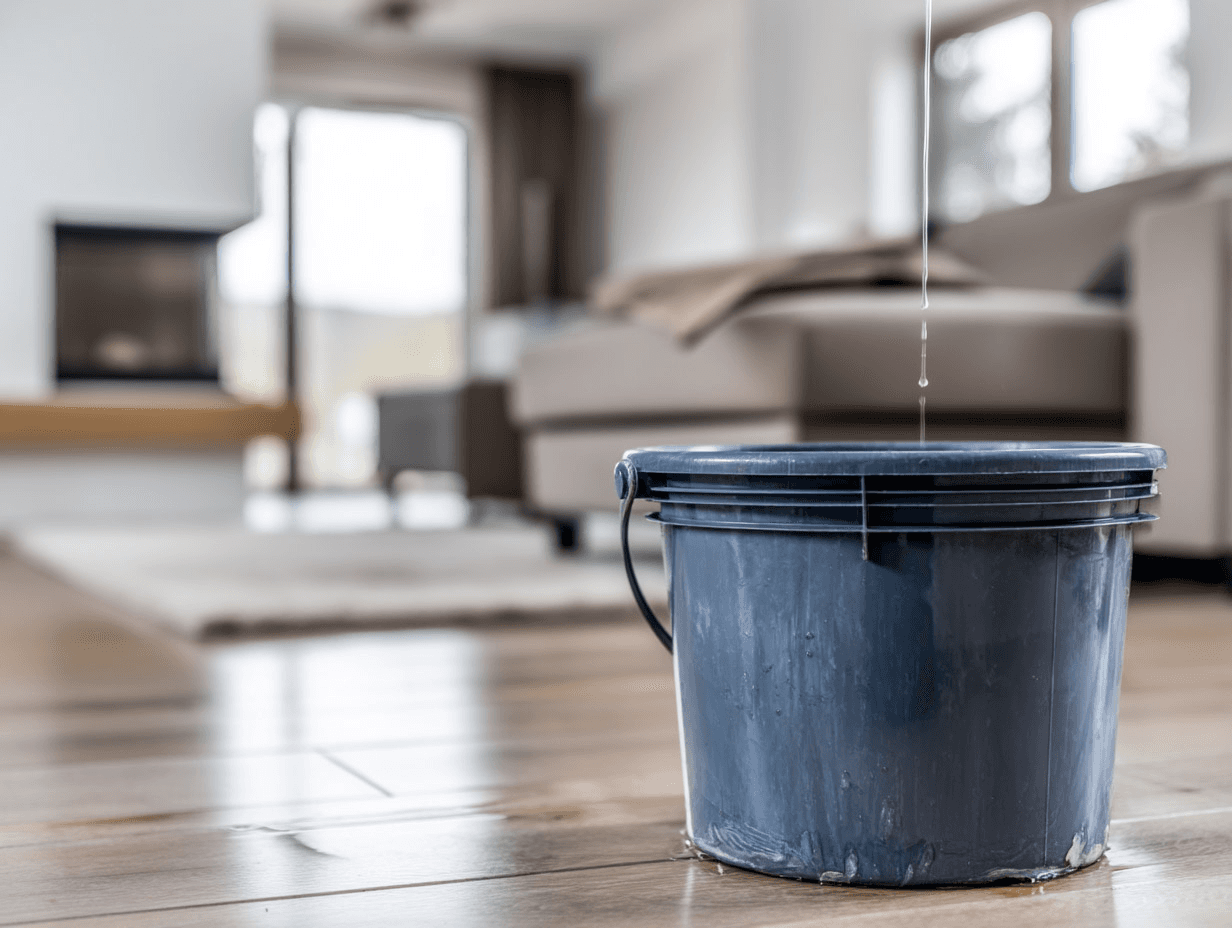
Source: Reno Quotes
Understanding moisture movement helps explain why a vapour barrier is only one part of the building envelope.
Vapour Diffusion
Diffusion occurs when water vapour moves through a material because of differences in vapour pressure. A vapour barrier limits this movement.
Air Leakage
Moisture can also travel with air moving through cracks and gaps around electrical boxes, windows, doors, joints, and other openings.
An air barrier system controls this air movement. Because air leakage and vapour diffusion are different processes, an air barrier and a vapour barrier do not automatically perform the same job.
Some materials, including properly sealed polyethylene, can serve as both.
Bulk Water and Capillary Moisture
Rain, groundwater, plumbing leaks, and water moving through porous materials by capillary action require other moisture-control measures. These may include flashing, drainage planes, waterproofing, foundation drainage, and proper exterior grading.
A vapour barrier should never be considered a solution to an active water leak.
Where is a vapour barrier installed?
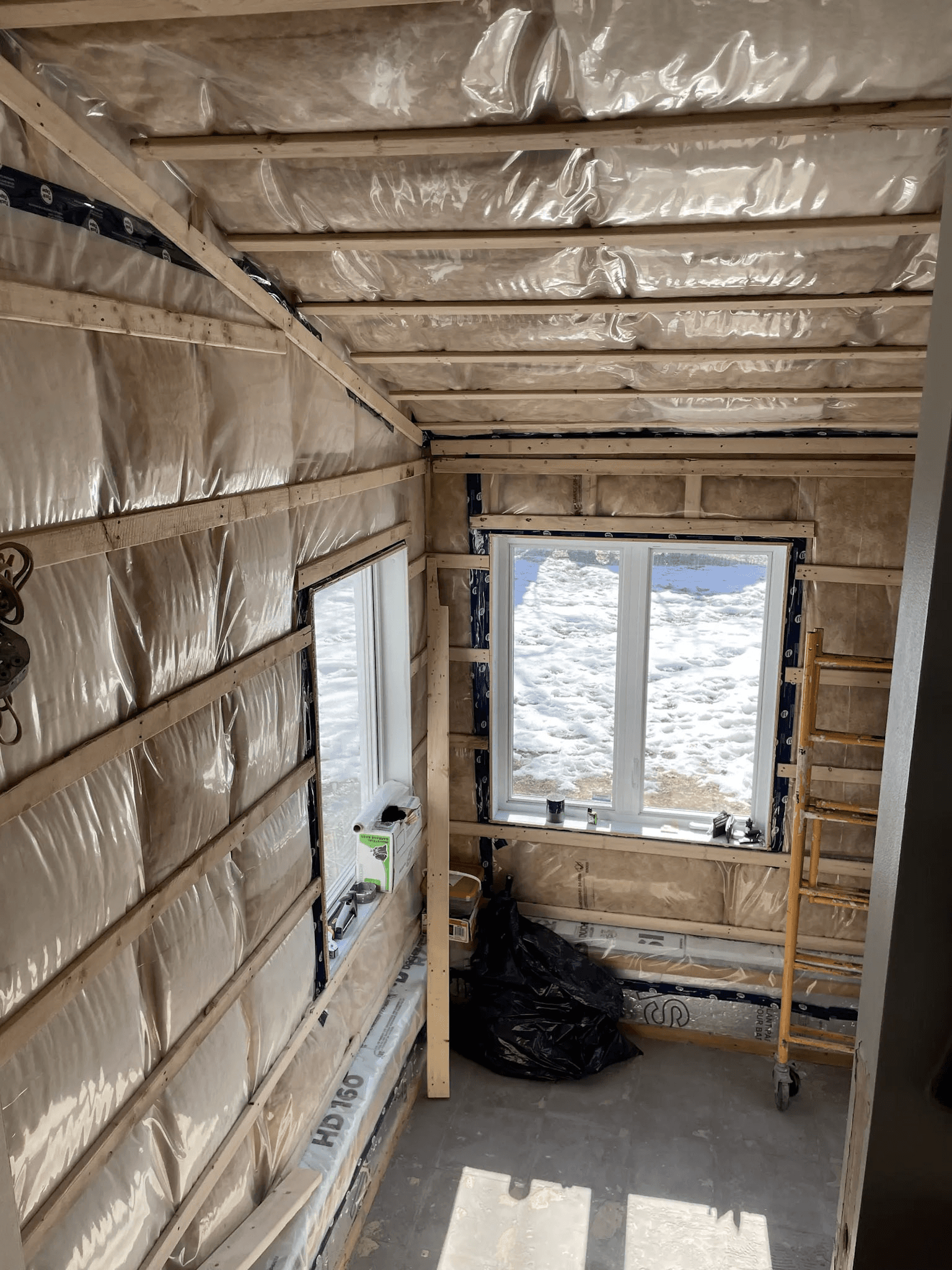
Source: Projets Jay Inc.
In Canadian homes, vapour barriers are generally installed toward the warm side of the insulation. In a conventional insulated wall in a heating-dominated climate, this usually means the interior side, between the insulation and drywall.
Vapour barriers may be used in:
Exterior walls
Ceilings below attics
Basement walls
Floors over unheated spaces
Other insulated parts of the building envelope
The correct location is not identical for every building. Wall design, exterior insulation, climate, materials, and local building requirements can affect where a vapour-control layer belongs.
For example, certain wall assemblies use exterior insulation or other low-permeance materials that change how moisture can dry. Adding an interior vapour barrier without considering the complete assembly can sometimes trap moisture rather than control it.
For renovations involving major changes to insulated walls, basements, roofs, or other parts of the building envelope, it is best to have the assembly reviewed by a qualified contractor or building professional.
What are vapour barriers made of?
A material's ability to resist water-vapour movement is described by its vapour permeance. The lower the permeance, the less readily water vapour passes through it.
Common vapour-control materials include:
Polyethylene sheet
Aluminum foil and foil-faced products
Certain foam insulation products
Vapour-retarder coatings and paints
Specialized membranes
Polyethylene Vapour Barriers
Polyethylene is one of the most familiar vapour barrier materials in Canadian residential construction. It is commonly installed on the interior side of insulated walls and ceilings and can also function as an air barrier when its joints and penetrations are properly sealed.
Products used for construction should meet the requirements applicable to the project. The Canadian Construction Materials Centre (CCMC) maintains assessments and listings for building products, including polyethylene vapour barriers evaluated to applicable Canadian standards such as CAN/CGSB-51.34.
Smart Vapour Retarders
Some newer membranes are designed to change their vapour permeance depending on surrounding moisture conditions. These smart vapour retarders can restrict vapour movement under certain conditions while allowing greater drying when conditions change.
They can be useful in specific energy-efficient renovations and wall designs, but the product needs to be selected for the complete building assembly rather than treated as a universal replacement for polyethylene.
What makes a vapour barrier effective?
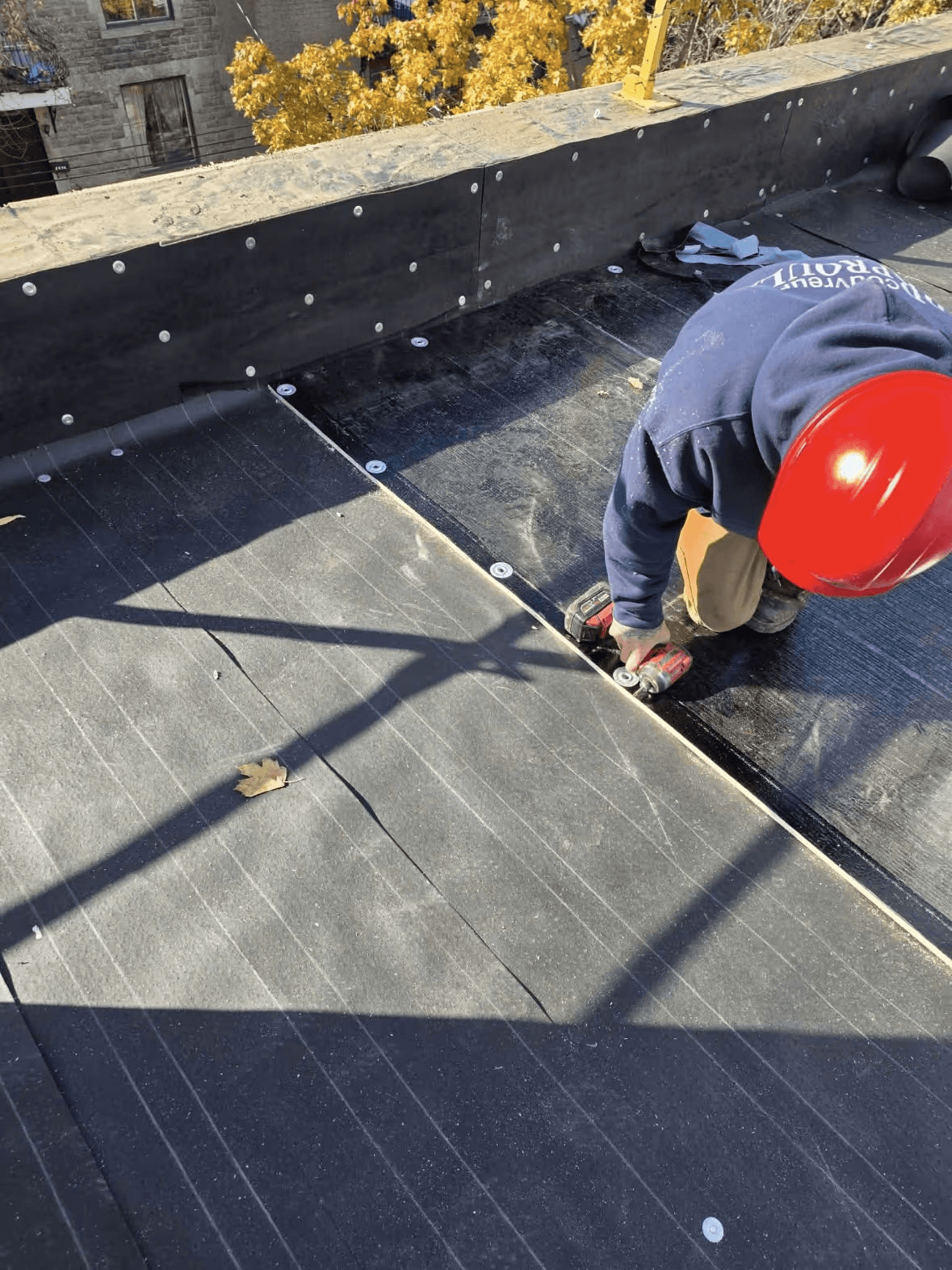
Source: Couvreur RB Proulx Inc.
Choosing the right material is only part of the job. Placement and installation also affect vapour barrier performance.
Important considerations include:
Selecting a material suitable for the wall, ceiling, or floor assembly
Installing it in the correct location
Following the manufacturer's instructions
Properly treating joints, edges, and penetrations
Maintaining continuity with the air barrier system when the material serves both functions
Avoiding unnecessary tears, holes, cracks, and gaps
Where polyethylene also forms part of the air barrier, overlapped joints and openings around wiring, pipes, electrical boxes, and other penetrations need appropriate sealing.
Poor installation can allow moisture-laden air to bypass the membrane and enter the insulated assembly.
What happens when a vapour barrier is installed incorrectly?
An incorrectly designed or installed vapour barrier can contribute to moisture problems rather than prevent them.
Possible consequences include:
Condensation inside walls or ceilings
Damp insulation
Reduced insulation performance
Mould growth where moisture conditions allow it
Deterioration of wood and other materials
Damage to interior finishes
Installing highly vapour-resistant materials on both sides of an assembly can also limit its ability to dry if moisture gets inside.
This is why vapour-control decisions should consider the entire building envelope, not just a single sheet of material.
Do Canadian homes need a vapour barrier?
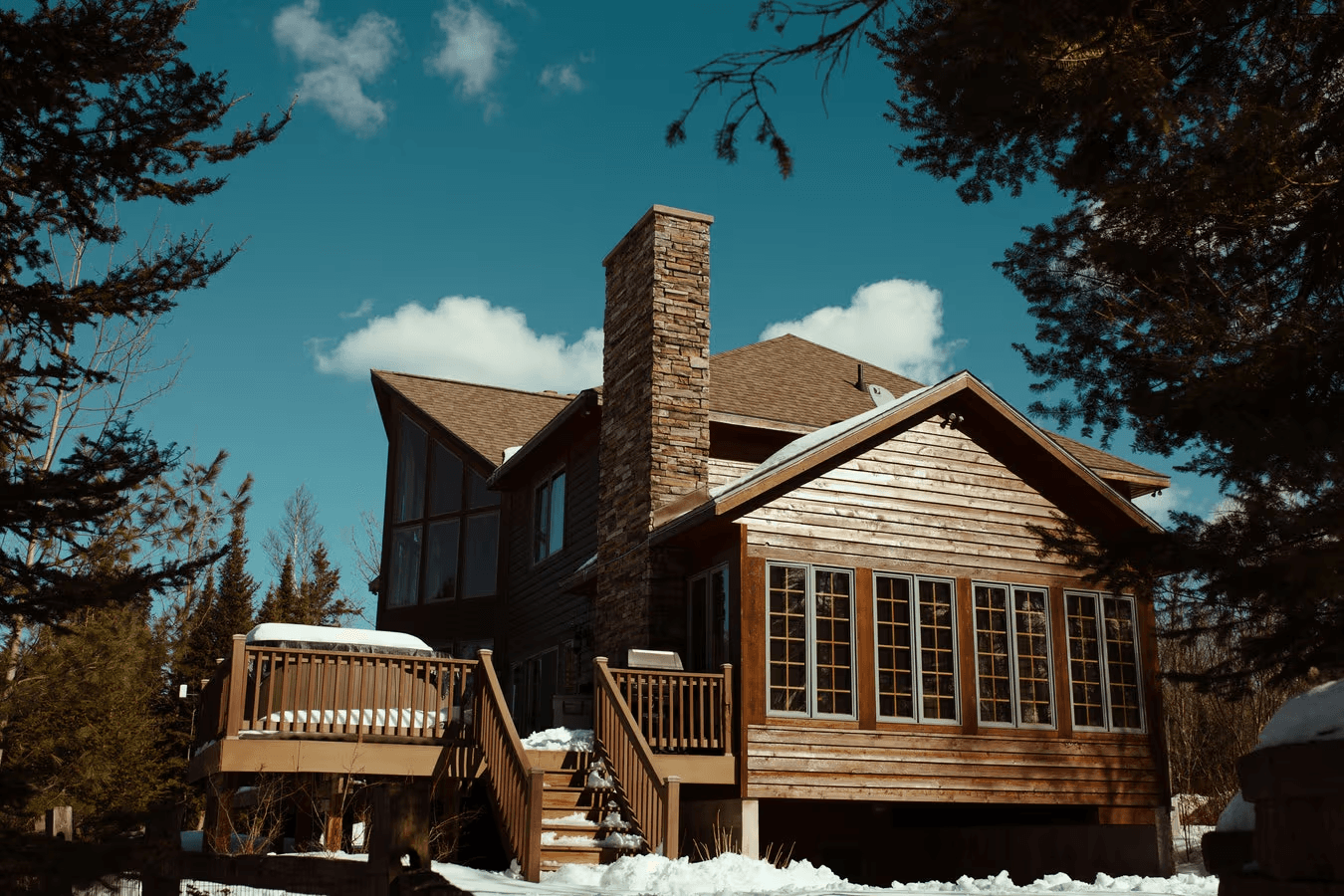
Source: Reno Quotes
Vapour-control requirements depend on the building assembly and the building regulations that apply where the home is located.
The National Building Code of Canada contains provisions related to vapour barriers, but the National Building Code is a model code. Provinces and territories adopt and enforce their own building regulations, and the applicable edition and requirements can vary by jurisdiction.
Homeowners planning new construction or a major renovation should therefore check the requirements in their province or territory and, where necessary, with their local building department.
This is particularly important when modifying exterior walls, adding insulation, finishing a basement, or changing a wall assembly. A building inspector, qualified contractor, or building-envelope professional can help determine the appropriate vapour-control approach.
The Role of Vapour Barriers in Moisture Control
A vapour barrier is an important part of many Canadian building assemblies, but it cannot control moisture on its own. Its specific job is to limit water-vapour diffusion through the building envelope.
Good moisture management also depends on insulation, airtight construction, ventilation, drainage, and protection from exterior water. When these systems are designed to work together, they help reduce condensation risks and protect the building's materials over the long term.
Frequently Asked Questions About Vapour Barriers
Is a vapour barrier the same as an air barrier?
No. A vapour barrier limits water-vapour diffusion through materials, while an air barrier limits air leakage through the building envelope. Some properly installed materials can perform both functions.
Which side of the insulation does a vapour barrier go on?
In Canadian heating-dominated climates, a vapour barrier is generally located toward the warm side of the insulation, commonly the interior side. However, the correct location depends on the wall or roof assembly, climate, and applicable building requirements.
Does a vapour barrier stop mould?
Not by itself. A correctly designed vapour barrier can help reduce condensation within a building assembly, but mould can result from many sources of moisture, including leaks, flooding, high indoor humidity, and poor ventilation. The underlying moisture source must be corrected.
Can polyethylene be both an air barrier and a vapour barrier?
Yes. Sealed sheet polyethylene can perform both functions in certain assemblies. To work as an air barrier, however, it must form a continuous system with properly sealed joints, edges, and penetrations.
Do I need a vapour barrier in a basement?
It depends on how the basement wall or floor is constructed. Some basement insulation systems use polyethylene or another vapour-control layer, while other assemblies require a different approach to allow appropriate drying. Existing water infiltration or foundation moisture should be corrected before finishing or insulating a basement.
Can you install two vapour barriers in the same wall?
Using very low-permeance materials on both sides of an assembly can restrict its drying potential and may increase the risk of trapped moisture. The entire wall assembly should be considered before adding another vapour-resistant layer.
Looking for something else?
Related articles
The latest industry news, interviews, technologies, and resources.
Amanda Harvey
•14 Mar 2024
Although renovations are often motivated by a search for greater comfort and some aesthetic improvement, some may be planning renovations to sell their home. If this is the case, renovations that work to increase the market value of your home are the ones to consider.
Karine Dutemple
•05 Dec 2025
With summer at our feet, one can't help but quickly take out their lounge chairs and outdoor patio furniture to make the most out of the nice weather. While you may be barbecue ready, your patio, on the other hand, might need a bit more TLC!

Editorial Team
•08 Nov 2023
As the cold weather arrives, the lucky few who can afford it may look forward to a vacation home getaway, a place dedicated to comfort and relaxation. On a winter evening, what could be better than a cozy fireplace, surrounded by good company, as well as an all-white landscape visible through the windows?

Cynthia Pigeon
•08 Nov 2023
One of the most common types of roof in Canada, the gable roof, is all the rage right now, in due part to its modern aesthetic, but also because of the many positive features it adds to a house. So, are you thinking of building a gable roof over your house? If so, you might be looking for more information about gable roofs to know for sure whether you’re making the right choice. Check out the following to learn more about the different types, advantages, coverings, and accessories available for gable roofs.
Léa Plourde-Archer
•08 Nov 2023
Chandeliers, ceiling lamps, recessed or semi-recessed luminaires, hanging or rail lamps, etc. There is no shortage of options to illuminate the different rooms of a house! In addition to being fun decorative objects to choose from, the selected type of brightness will bring comfort and the desired atmosphere to your home.