I Want to Renovate My House—Where Do I Start? 15 Questions to Ask Yourself
By Editorial Team
Updated on February 19, 2026
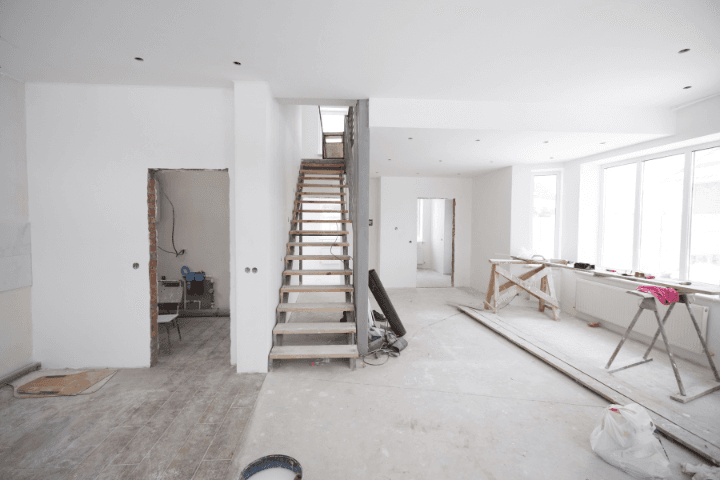
Renovating your home is an exciting opportunity to create a space that perfectly suits your lifestyle and taste. But between the spark of an idea and the finished project lies a detailed process that benefits from careful planning—especially if you want to get ahead of the busy spring season.
Whether you’re thinking about major transformations or smaller updates, the first question remains the same: what should I consider? Planning early not only helps you make informed decisions but also ensures you can secure your preferred contractors before schedules fill up.
Get Your Project Started Today
Submit your details and receive three free quotes from trusted contractors.
In this article, we’ll guide you through the essential steps to organize and execute your renovation efficiently. From early decision-making to coordinating professionals, following this guide will help you get a head start on spring projects and turn your house into a home that truly reflects your lifestyle.
The 15 Questions to Ask
1. What is the purpose of my renovation?

When starting a renovation project, it’s essential to clearly define your goal to guide each stage of the process. Whether you’re aiming to modernize your space, improve energy efficiency, or simply give your home a fresh new look, having a clear vision helps determine the scope of the work.
Ask yourself specific questions about the aspects of your home you want to improve, such as the functionality of the kitchen, the comfort of the bathroom, the layout of the living area, and so on.
By setting clear and concrete objectives, you’ll be able to allocate your resources strategically, making sure each change contributes to the result you’re aiming for. Keeping your goal in mind throughout the project allows you to make informed decisions and ensures each choice supports your vision for your living space.
2. In what order should the work be done?
Identifying priority tasks is a crucial step in planning your renovation project. Start by evaluating the structural stability and safety of your home. If major repairs are needed—like removing load-bearing walls or fixing electrical issues—these should be addressed first to create a solid foundation for all other improvements.
Next, focus on essential systems, such as:
plumbing
heating
air conditioning
Once those are taken care of, you can move on to finishing touches:
painting
installing flooring
adding fixtures
Following this order ensures logical progress and reduces the risk of redoing work later due to changes or complications.
3. Is a preliminary inspection necessary?
Before beginning any renovation, having a general inspection of your home to identify hidden issues and potential improvements is a great idea. Thermal, acoustic, and electrical evaluations can reveal work that may improve your comfort and reduce your home’s energy use.
A full inspection can help you prioritize necessary upgrades and ensure your project will result in a safer, more comfortable, and more energy-efficient home.
4. Is my project actually feasible?
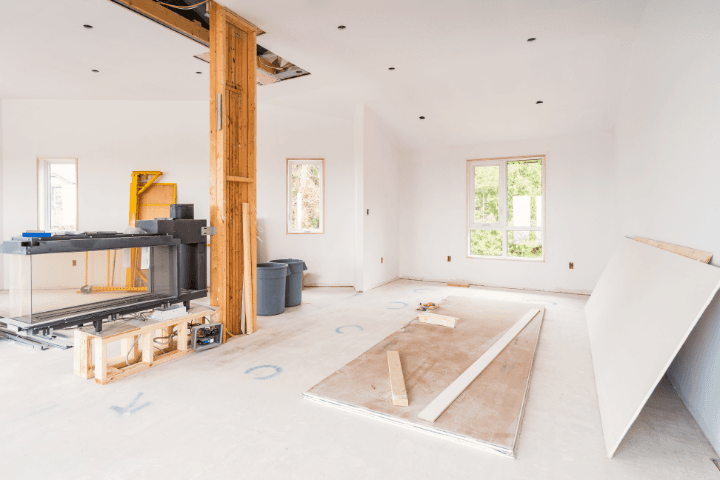
If your renovation project is complex, make sure it’s feasible. Projects involving structural changes to your home—like removing load-bearing walls, building extensions, or major layout changes—require specific expertise.
Before diving in, consult an architect to assess whether your project is realistic. Their expertise can help you avoid costly mistakes. They’ll help you determine if your planned changes are possible without compromising the safety of your home.
5. Does my plan comply with local regulations?
In Quebec, the Régie du bâtiment du Québec (RBQ) sets the standards and regulations for construction and renovation. Make sure your project complies with current building codes. Also check with your local authorities to understand the specific requirements in your area. This includes applying for a building permit if required.
Complying with local regulations helps ensure both safety and a smoother transition through the various phases of your renovation in these Canadian provinces.
6. When is the best time to start the work?
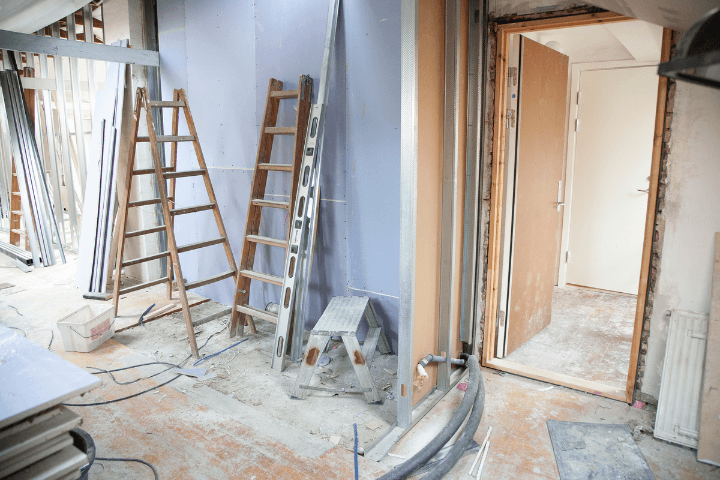
Choosing the right time to start your renovation is a strategic move—especially if you want to get ahead of the busy spring season. Planning early allows you to consider local weather and seasonal factors to minimize delays and keep work running smoothly.
Warmer months are ideal for outdoor projects, while indoor renovations can be scheduled during cooler periods. Factor in any climate-related constraints that might impact specific tasks and build them into your timeline.
Booking early also gives you the advantage of tackling periods when demand for contractors and suppliers is lower. This not only helps control costs but also ensures better availability of the professionals you want.
By planning now and choosing the optimal start time, you’ll increase your renovation’s efficiency, reduce potential disruptions, and secure a head start on spring projects.
Here are a few articles to help you decide when to renovate:
7. What budget should I plan for a home renovation?

The cost of your project will depend on many factors, including:
the scale of the work
the materials you choose
the labour required
General or specialized contractors can evaluate your specific project needs and provide accurate estimates. They can also advise you on how to optimize your budget while ensuring quality results. It’s wise to request quotes from several contractors to compare prices and maximize your investment.
8. How can you finance your home renovation?
When planning renovation work in Quebec, exploring financing options available in the province can help make your project a reality.
Start by checking for government programs that offer grants or tax credits for certain renovations, especially those related to energy efficiency, like the RénoVert program.
Also look into loans and lines of credit from Quebec financial institutions, comparing interest rates and repayment terms. Mortgage refinancing may also be an option to access additional funds.
Be sure to carefully assess your financial capacity and choose the solution that best suits your needs, while staying within the rules for real estate financing in Quebec.
Here are a few tips to help reduce your renovation costs:
Start with a realistic budget by clearly identifying your priorities and financial limits.
Explore different materials and suppliers to find the best quality for the price.
Consider doing certain tasks yourself, as long as they don’t require specialized skills.
Compare contractor rates.
These 2 articles will give you more insight into financing options:
9. Who will be doing the work?

Knowing exactly who will be doing the work will make it easier to manage your renovation and give you peace of mind.
If you hire a general contractor for your renovation, it’s important to know who will actually carry out the work. Understanding the workforce involved will help you track progress and ensure the work is done properly.
Ask the contractor which parts of the project will be handled by their team and which will be subcontracted to other professionals. Make sure you have the names and contact information of these professionals, along with their credentials.
Also find out who your main point of contact will be throughout the project. Clear communication is key to quickly resolving issues and keeping the project on track.
10. Is it better to hire a general contractor or several specialized contractors?
As you plan your renovation, you’ll need to decide whether to hire a general contractor or multiple specialized contractors. Each approach has its pros and cons.
Hiring a general contractor means having a single point of contact to coordinate the entire project, sparing you the hassle of managing multiple people. The general contractor handles all aspects, from planning to execution.
On the other hand, hiring multiple specialized contractors can be more cost-effective. You can select experts for each trade, ensuring top-quality work in every area. You also gain more control over which professionals you work with.
Your decision will depend on the scope of your project, your budget, and your personal preferences. Be sure to weigh the pros and cons and choose the option that best fits your situation.
11. How do you choose the right professional(s)?
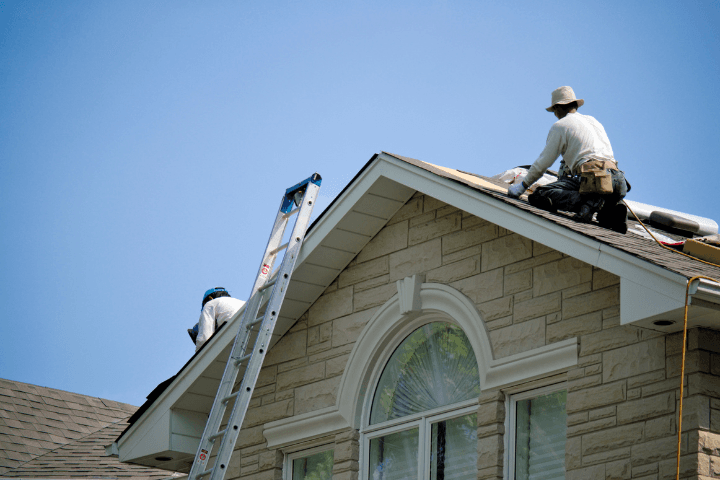
When looking for professionals for your renovation project, it’s important to make informed choices. Finding the right contractor is key to ensuring a quality result, but it can be difficult with so many options available. Here are some tips to help you decide:
First, be wary of quotes that seem too good to be true. A very low bid may signal poor-quality work or cheaper materials. On the flip side, an overly high quote doesn’t always mean better quality.
Ask for recommendations from your network—friends, neighbours, or colleagues who’ve recently renovated. Their experiences can help you find trustworthy contractors.
You can also check online forums for consumer reviews. Some platforms, such as SoumissionRénovation.ca, connect homeowners with certified and qualified contractors. These services make it easier to find professionals you can trust.
12. What questions will a project manager ask?
When a project manager takes on a renovation, their questions are meant to fully understand the client’s needs and expectations.
They’ll likely ask about the overall vision of the project, including aesthetic and functional goals. Specific questions about your style preferences, colours, and desired materials will guide design choices.
They’ll also ask about technical aspects—like your home’s current structure, mechanical systems, and any regulatory constraints—to help build a solid construction plan.
The project manager may also explore your budget and timeline constraints to make sure the proposed plan is realistic and doable.
Finally, communication and coordination will be a priority, with questions about your availability, communication preferences, and flexibility if changes arise during the project.
By asking these key questions, the project manager ensures careful planning and successful execution.
13. How do you choose the materials for your renovation?
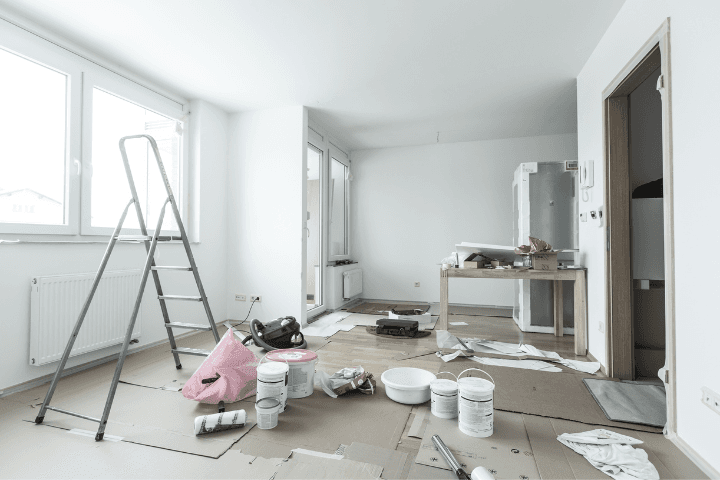
Choosing the right materials is a key step in any renovation. It determines the look, durability, and cost of your project. When selecting materials, consider several factors:
Material availability: Checking in advance helps prevent delays.
Suitability for your project’s specific needs: Ensuring the material meets the functional requirements of the space helps avoid performance issues later on.
Material cost: Compare prices and quality to get a fair deal. Keep in mind that higher-quality materials can save money in the long run by avoiding early replacements.
Your personal taste: Your home should reflect your personality, so choose materials that suit your style and create a space that feels like yours.
14. How do you estimate the duration of the work?
Estimating how long your renovation will take is essential for effective planning and reducing disruptions to your daily life.
Start by discussing each phase with the contractors to determine how long individual tasks will take.
Account for potential delays and make sure the schedule is realistic. Coordination between trades and material availability can affect the total timeline.
Be transparent with the contractors about your expectations and ensure they’re aware of any critical deadlines. Open communication throughout the project helps resolve delays quickly and keeps collaboration on track.
While unexpected issues may arise, careful planning and consistent communication help ensure the timeline stays as close to reality as possible.
15. How do you minimize disruptions during the work?
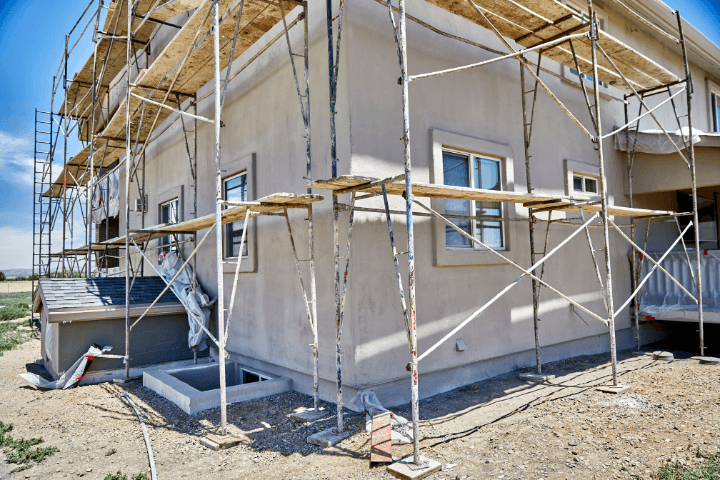
Minimizing disruptions during renovation is a common concern—and rightly so.
First, plan the work so that noisy or intrusive tasks happen when the home is less occupied.
Proactively communicate with neighbours to let them know about potentially disruptive periods and ensure the work hours comply with local bylaws.
Set up designated work areas to limit the disruption to certain parts of the house. If possible, create temporary spaces for daily activities—like a makeshift kitchen or bathroom—to maintain some comfort.
Work closely with contractors to build a realistic timeline and have backup solutions in case of delays. This will also help keep disruptions to a minimum.
By following these tips, you can reduce the inconvenience and make the renovation process as smooth and pleasant as possible.
Get Ready for a Successful Renovation
A home renovation can bring new life and comfort to your living space, but it requires thoughtful planning. By asking the right questions from the start, you’ll be able to make informed decisions throughout the process. Whether you choose to do some work yourself or hire professionals, always consider safety, feasibility, and budget. Pre-project assessments, material selection, and contractor coordination are all important to a successful renovation.
In the end, whether you opt for a general contractor or specialized experts, be sure to maintain clear communication and stay informed at every step of your project. With careful planning, your renovation will be a success—offering you a living space that truly fits your needs and tastes.
FAQ
How can I ensure my home renovation increases the value of my property?
To maximize value and return on investment, focus on upgrades that are highly sought after by buyers or that improve your home's functionality and efficiency. Examples include modernizing kitchens and bathrooms, improving energy efficiency with new windows or insulation, and enhancing curb appeal. Before starting, research which renovations have the best resale value in your area and avoid over-improving beyond the neighborhood standard.
Can I do parts of my home renovation myself, or should I hire a professional?
Some renovation tasks—like painting, minor demolition, or simple fixture replacements—can often be handled by homeowners with basic skills, saving on labor costs. However, complex projects involving structural changes, electrical, or plumbing work usually require professional expertise to ensure safety, code compliance, and quality. Carefully assess your skills, the risks involved, and local regulations before deciding which parts to DIY and when to call in a pro.
How do I decide which areas of my home should be prioritized for renovation?
Start by making a list of all the areas you’d like to improve, then identify which ones are essential for safety, functionality, or comfort—such as fixing structural issues, outdated plumbing, or inefficient heating. Next, consider optional upgrades that would simply enhance aesthetics or convenience. By distinguishing between what’s necessary and what’s nice to have, you can set clear priorities and focus your renovation budget and efforts on the most impactful changes first.
Looking for something else?
Related articles
The latest industry news, interviews, technologies, and resources.

Editorial Team
•17 Jan 2025
Let go of your inhibitions and get swept away by the sheer modern look and design of a floating staircase. Marked by its minimalism, it seems to hover in mid-air, devoid of any apparent support, thereby creating an open space.

Editorial Team
•08 Nov 2023
Setting up a workout space in your home is a great way to maintain your fitness and wellness goals. Yet, the benefits aren’t limited to physical fitness; physical exercise also helps develop self-control.
Amanda Harvey
•04 Sep 2024
As one of the most frequented rooms in the home, the bathroom needs a little bit of TLC every once and a while. As a result, it's necessary to offer up a bit of modern love as well as tend to the rougher edges that face wear and tear over the years.

Editorial Team
•21 May 2026
Curious if concrete floors can be painted or coloured, or if they're compatible with an underfloor heating system? Wondering if a DIY concrete floor installation is achievable or best left with the pros? And, what type of contractor should you hire for the job? This article covers all these questions and more, offering valuable insights to help you decide whether concrete flooring is the right option for your home or business.
Amanda Harvey
•09 Sep 2024
Are you looking at your kitchen cabinets thinking about how they're old and outdated but still intact? Maybe you aren’t quite ready to replace them because the frames and doors are structurally sound, or a whole new cabinet renovation just isn't in your budget. Whatever the case, for a quick kitchen update, all that cabinets require is a fresh coat of paint!