Shovel Operator: Ins and Outs of the Job
By Cynthia Pigeon
Updated on October 8, 2025
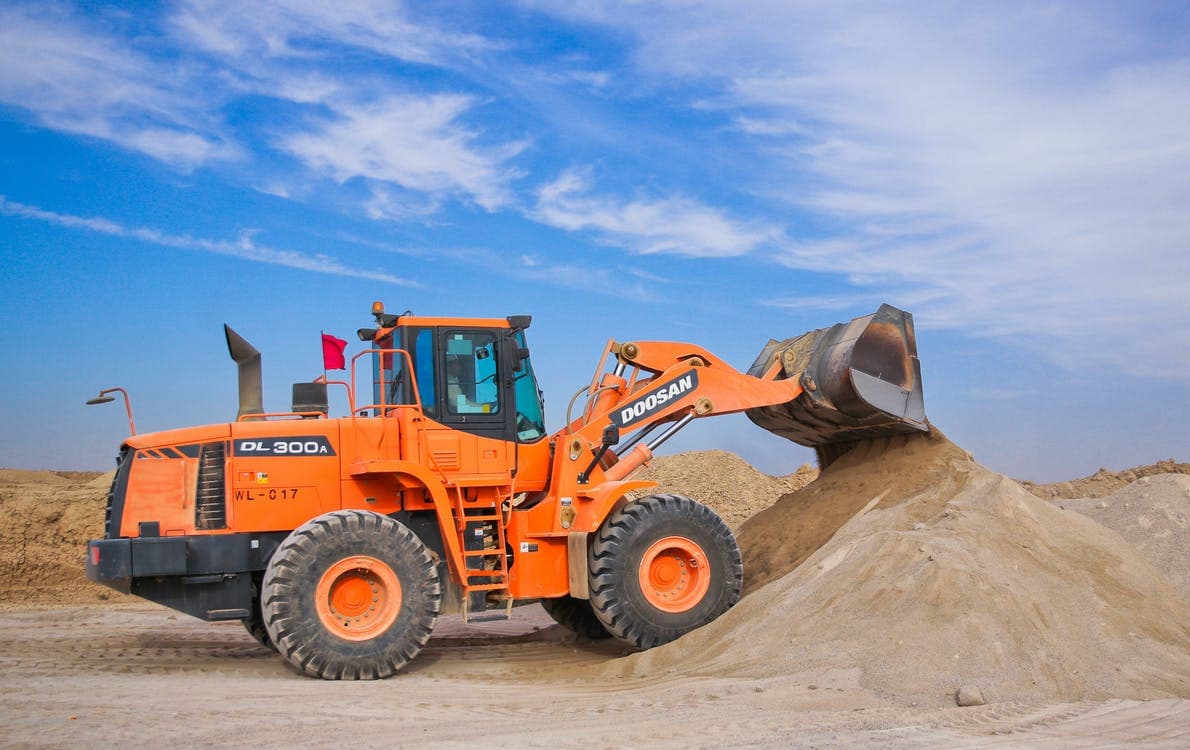
Are you an absolute fan of mechanics and the outdoors? Are you looking for a job that’ll allow you to challenge yourself on a daily basis?
Perhaps a career as a shovel operator is exactly what you're looking for. A shovel operator is an indispensable professional on every construction site. Their primary task is to steer construction equipment to clear large areas. In this article, we'll delve deeper into what the trade entails.
What’s a Shovel Operator?
Also known as a “heavy equipment operator,” a shovel operator is an individual who will, on a construction site, performs site preparation and excavation work using an excavator fitted with a hydraulic control system.
For example, the Regulation respecting the vocational training of the workforce in the construction industry, under Schedule A, chapter 4, defines the trade of a “shovel operator” as “[…] Anyone who operates all types of shovels, backhoes, cranes with clamshell or dragline attachments, pivoted arm excavators and any other stationary or mobile excavating equipment, track-mounted or on wheels.”
Such heavy machinery is used for bridge, road, building, airport, dam, tunnel, etc. construction and maintenance. These machines are also used in material handling, waterworks, and even mining and quarrying.
A heavy equipment operator may work for construction companies, civil engineering companies, shipyards, forestry companies, pipeline and quarry companies, vocational training centres, also institutional, commercial and industrial construction companies, etc.
Looking for some tips to help shape your résumé? Check out this article. (French only.)
Tasks Performed by a Shovel Operator
Source: Canva
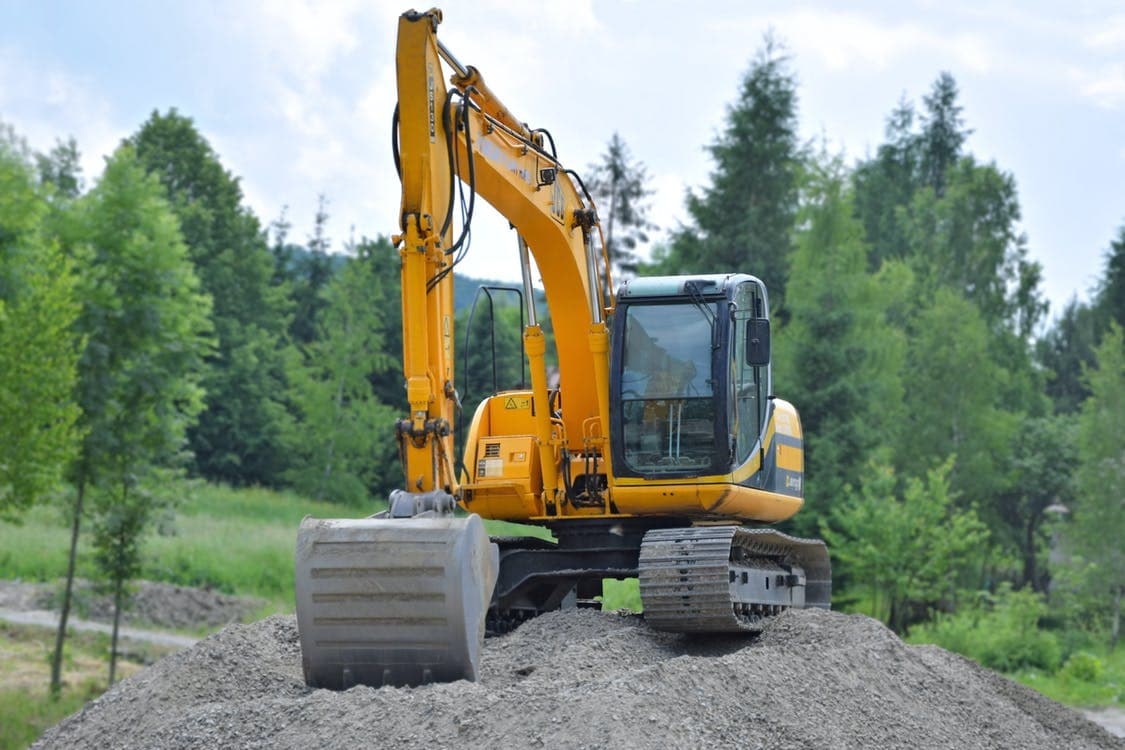
The tasks performed by a shovel operator are many and varied:
Perform site preparation work such as earthworks, clearing, or levelling operations using machines such as bulldozers, graders, backhoes, etc.
Operate machines to load and unload onsite construction materials.
Excavate riverbeds with dredges.
Use heavy equipment to spread and compact materials during road work.
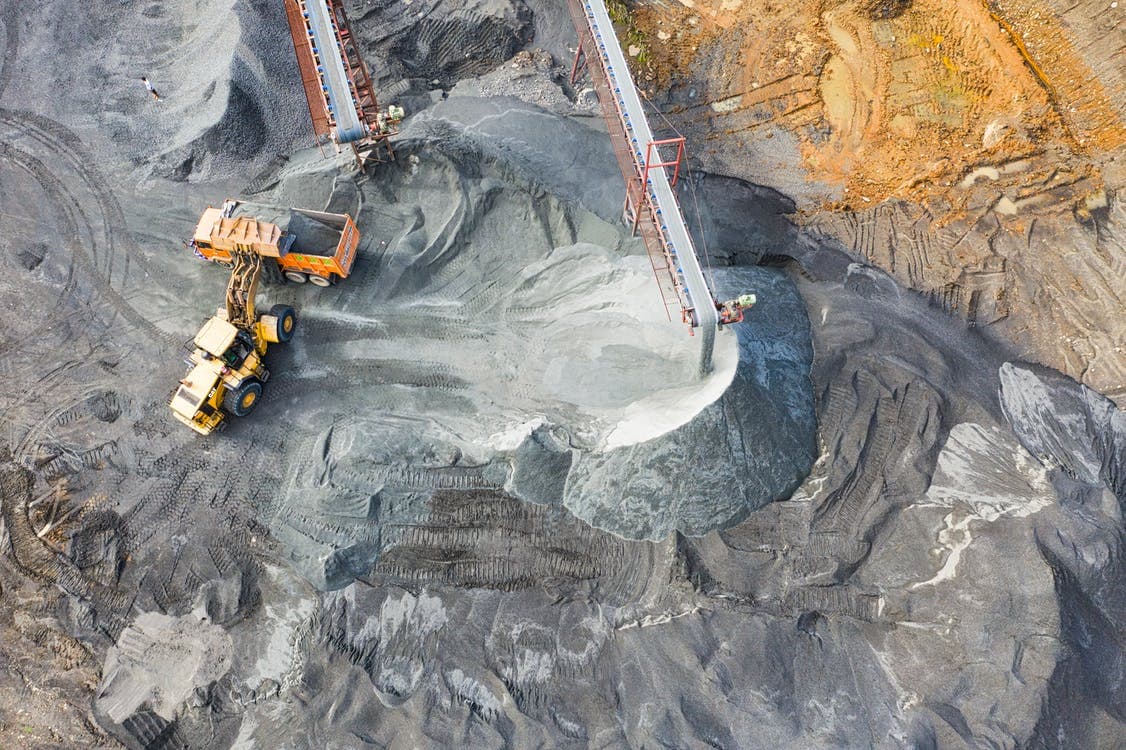
Extract rocks from open-pit mines using an excavator.
Operate machines to move heavy materials.
Excavate building and bridge foundations.
Load and unload trucks.
Make sure that health and safety rules are adhered to on job sites.
Perform repair and maintenance work on equipment: cleaning, lubricating, and fueling.
Examples of Tools of the Trade
While exercising their duties, heavy equipment operators use an array of tools and accessories. Here’s a rundown of some of these and their purposes depending on the tasks at hand:
Site preparation work: hydraulic rock-breaker, cutters, range limiting device, sockets, etc.
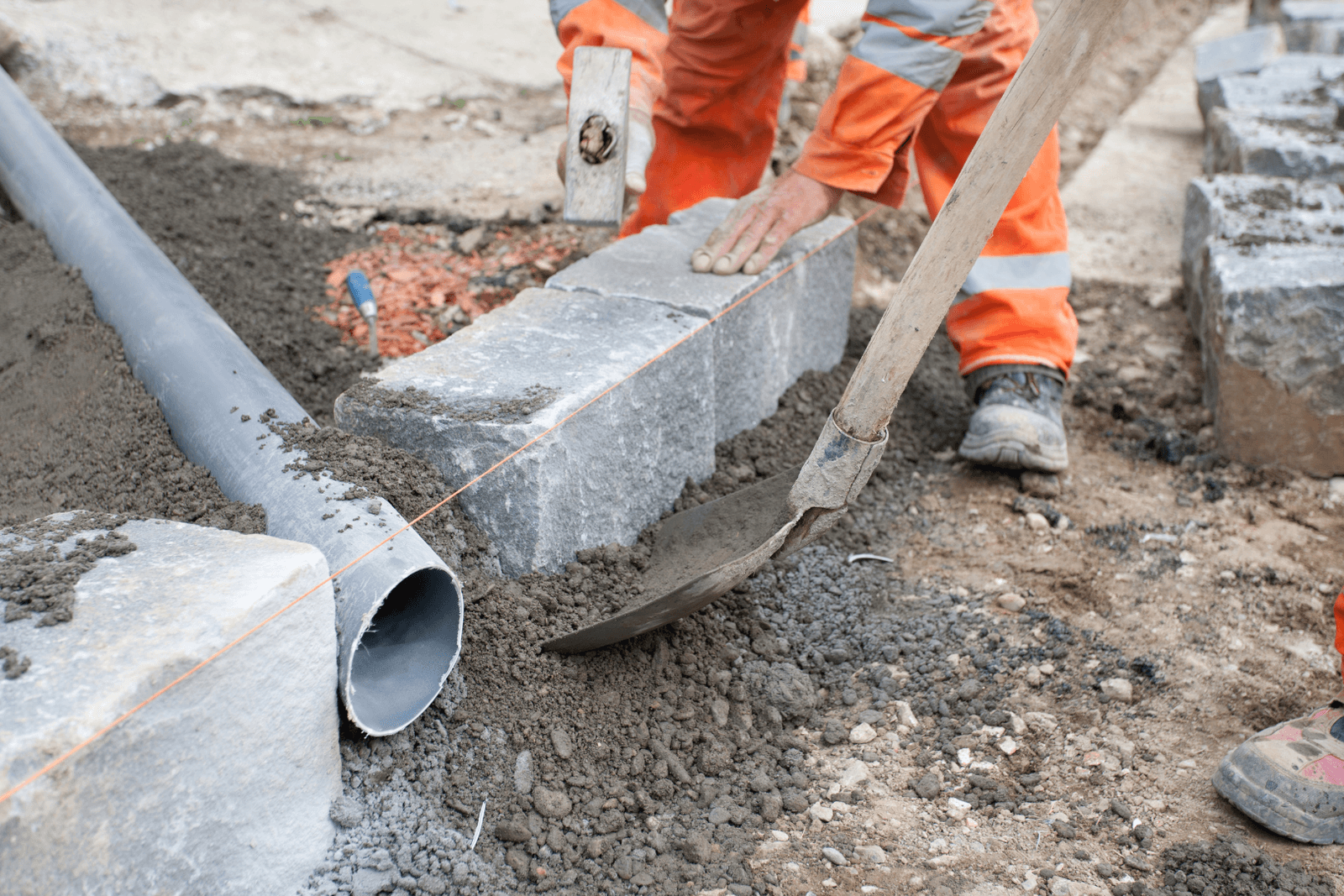
For excavation work: sledgehammer, wrench, narrow shovel, safety boots, fire extinguisher, etc.
For demolition work: pulverizer, demolition shears, pipe, steel wire, ratchet, etc.
For hydro excavation work: rake, grab, mobile radio, hardhat, gloves, etc.
To load trucks: noise cancelling headset, first aid kit, excavation buckets, grease guns, etc.
Finishing work: laser level, measuring tape, markers, nuts, tripod levelling base, square point shovel, etc.
Trenching and public utility installations: grinding disc, anchor shackle, measuring tape, retaining ring pliers, etc.
What kind of training is needed to become a shovel operator?
To practice as a heavy equipment operator in Quebec, you must meet a few conditions:
Present an achievement record showing the reception of a Diploma of Vocational Studies (DVS) in Construction Equipment Operation.
Show proof of employment for a period of at least 150 hours with a company adhering to CCQ regulations. The job in question must have been held for a period of three months maximum.
As a general rule, a career as a heavy machinery operator is reserved for those who’ve obtained the proper certification. However, non-certified individuals may be hired, most notably during periods where a lack of qualified workforce is apparent. Therefore, to have access to construction worksites, the non-certified candidates must meet the following requirements:
Must have a high school diploma or a certificate of equivalency. If that’s not the case, the candidate must sign a consent letter which stipulates the intention of obtaining the pre-service training sessions required for the DVS trade in question.
Must have been employed for at least 150 hours by a company adhering to CCQ regulations.
In order to take the provincial qualification exam, the apprentice shovel operator must take part in an apprenticeship period of 2,000 hours. Passing the exam leads to receiving a journeyperson competency certificate in the trade.
Note that, though a male-dominated industry, being a heavy equipment operator isn’t solely reserved for men, women are also eligible as long as they meet the established requirements.
Are you new to the construction industry? Check out this article. (French only.)
Required Skills & Proficiencies
Besides the required technical skills, being a shovel operator requires a good amount of proficiencies, namely:
Good physical fitness and health;
Teamwork;
Self-reliance/autonomy and initiative;
Concentration;
Strong sense of responsibility;
Dexterity;
Ability to work under pressure and, at times, under difficult circumstances;
Mechanical and construction knowledge;
Versatile/multi-skilled.
Shovel Operator: Salary
Source: Canva
The average wage of a shovel operator in Canada is between $19 and $40 an hour. The hourly wage varies depending on certain parameters, such as the level of experience (is the individual an apprentice or a journeyperson?) and the sector in which the person is employed (civil, industrial, residential, institutional, or commercial engineering). The low-range hourly wage is usually $19, the median is $30 and the high-range is $40.
Job Opportunities
According to analyses published in December of 2021 by Job Bank, in Quebec, roughly 13,000 people are currently employed as heavy equipment operators. These individuals are mainly employed by construction companies and petroleum and mining operations. The majority of heavy equipment operators work full-time, from Monday to Friday, for 8 hours a day, except for light residential zoning where the workday can last up to 10 hours.
Based on the predictions from the same analyses, shovel operator job opportunities are labelled as moderate and will remain the same until 2024. This same analysis also predicts a balance between supply and demand as far as heavy equipment operators in Canada are concerned over the next decade. Large-scale civil engineering and roadwork construction projects should also support career opportunities in said trade over the next few years.
With experience and skills, shovel operators can hold more prominent roles such as forepersons, instructors, team leaders, project managers, etc.
Why be a shovel operator?
One of the main benefits of being a heavy equipment operator lies in the fact that it gives you the opportunity to operate unique machinery that has extraordinary capacities. It’s a passion-based career that doesn’t require extensive years of training and pays pretty well.
Moreso, it’s an indispensable line of work in the construction industry; there’s always a demand for it, which is a positive outlook in terms of future career opportunities.
Related professions:
Crane operator;
Material handler;
Logging machinery operator;
Underground production and development miners;
Contractor and foreperson (supervisor), heavy equipment operator crews.
Looking for something else?
Related articles
The latest industry news, interviews, technologies, and resources.
Editorial Team
•29 Aug 2025
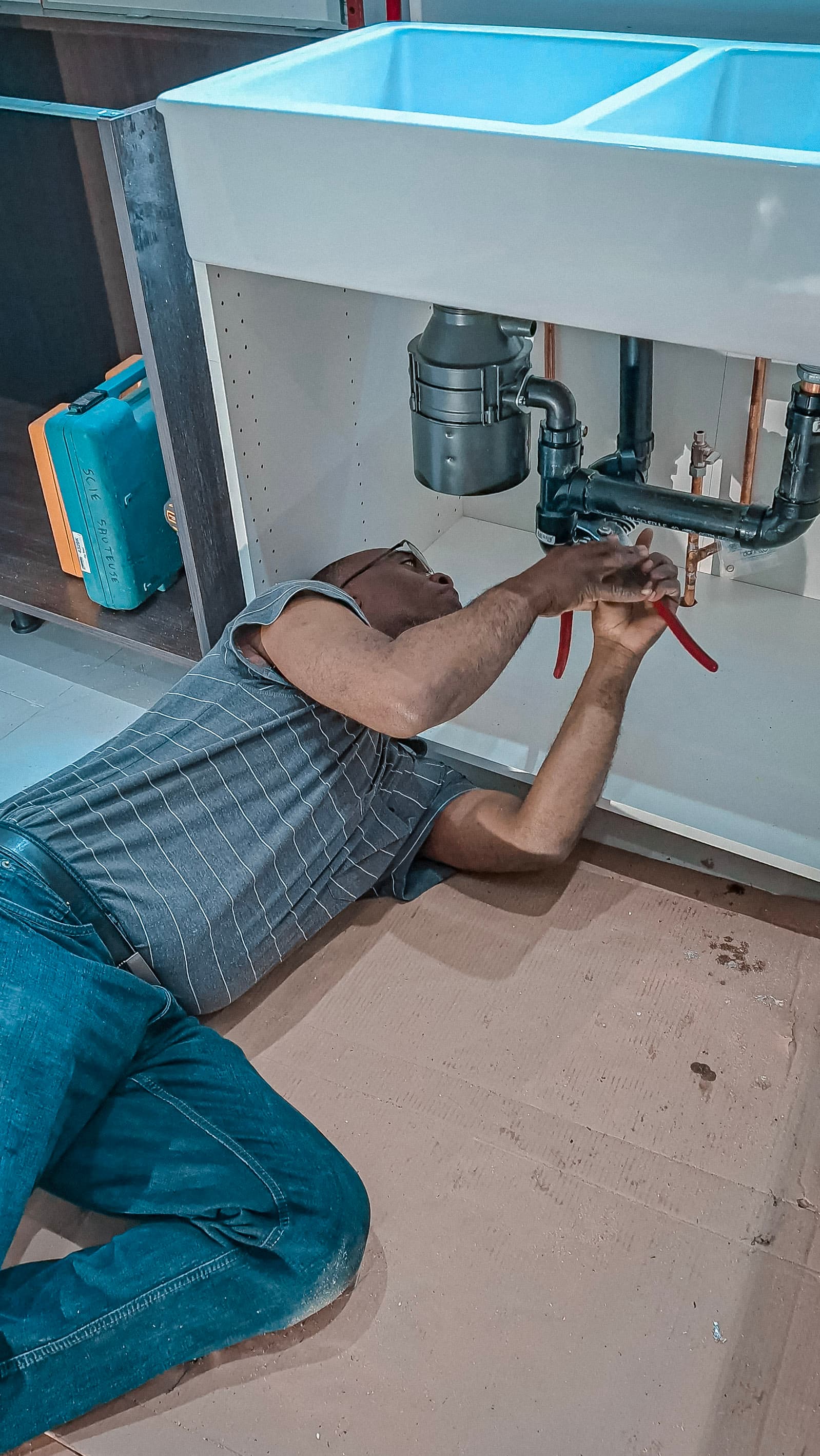
Do you like getting your hands dirty while pursuing a well paid and interesting trade? Becoming a plumber might be what you are looking for. Becoming a plumber in Ontario is a rewarding career path that offers a blend of technical skills, hands-on experience, and job stability. The journey to becoming a licensed plumber involves several key steps and requirements, which are designed to ensure that individuals are well-prepared for the demands of the profession.

Editorial Team
•13 Apr 2026
You can’t just decide to call yourself a mason on a whim, since techniques like formwork are difficult to master, even for professionals. However, with the right masonry tools, available at hand in your toolbox, some jobs can be done independently.
Editorial Team
•08 Nov 2023
Today, the importance of having a functional French drain in place to benefit your foundation has been well established. In Quebec, winter and spring weather, as well as the likelihood that your dwelling’s foundation is in proximity to a phreatic zone, can definitely put a strain on concrete foundations if not properly drained.
Editorial Team
•14 May 2026
No matter what, as a homeowner, there always seems to be something in need of repair, replacement, or renovation. While some projects necessitate time and money, others will simply take up a few hours, a weekend tops.

Editorial Team
•25 Apr 2024
In terms of stylish décors and interior design, trends come and go, year after year. Some are timeless, like wood for example. Whereas, other decorative aspects or faux pas can quickly make a room look outdated, and go as far as lowering the resale value of your home.