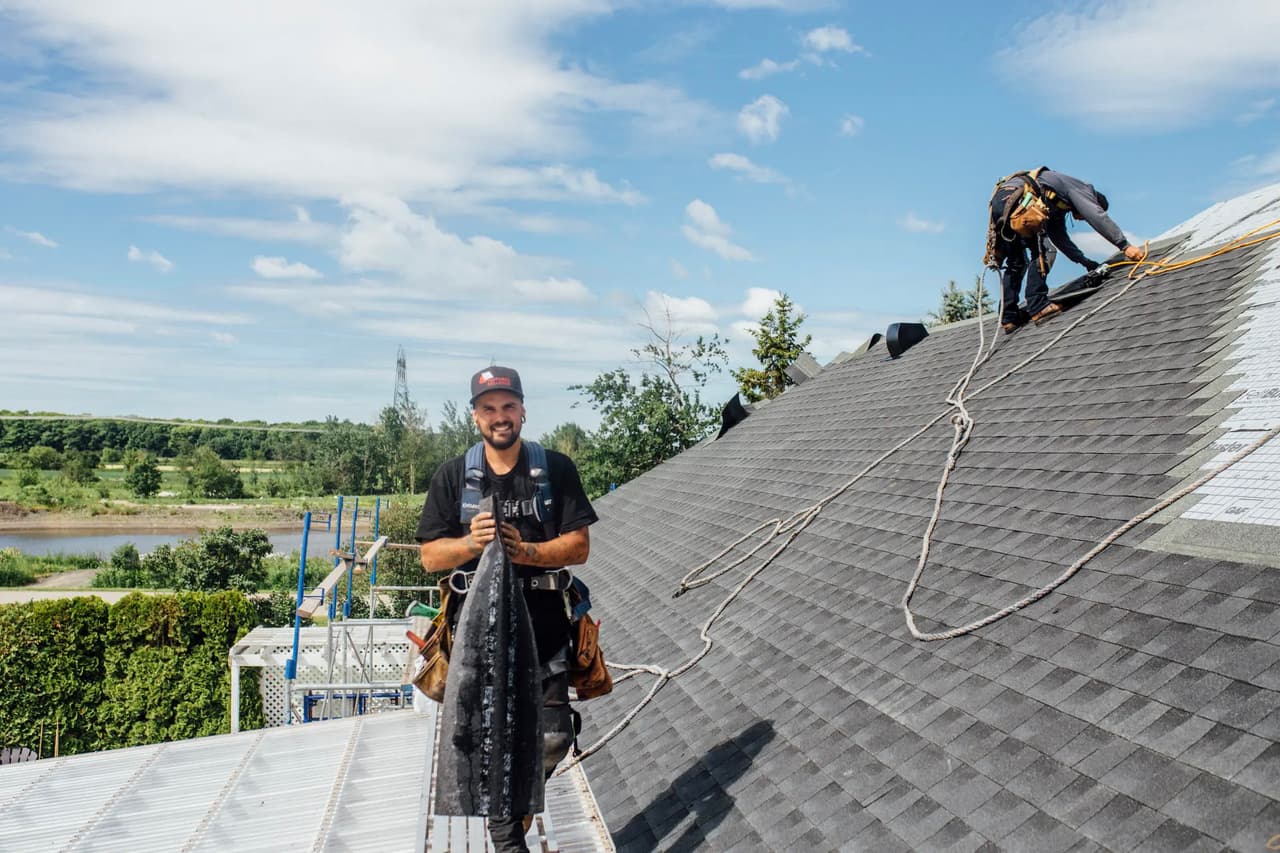
If you’re a roofer in Toronto looking to grow your business in 2025, you’re not alone. The demand for roofing services in the Greater Toronto Area continues to rise, driven by aging infrastructure, increased home renovations, and commercial developments. But in a competitive market, standing out means offering more than just a hammer and nails — it means delivering exceptional results, building a strong reputation, and knowing where and how to get new contracts.
Stand Out from Other Toronto Roofing Companies
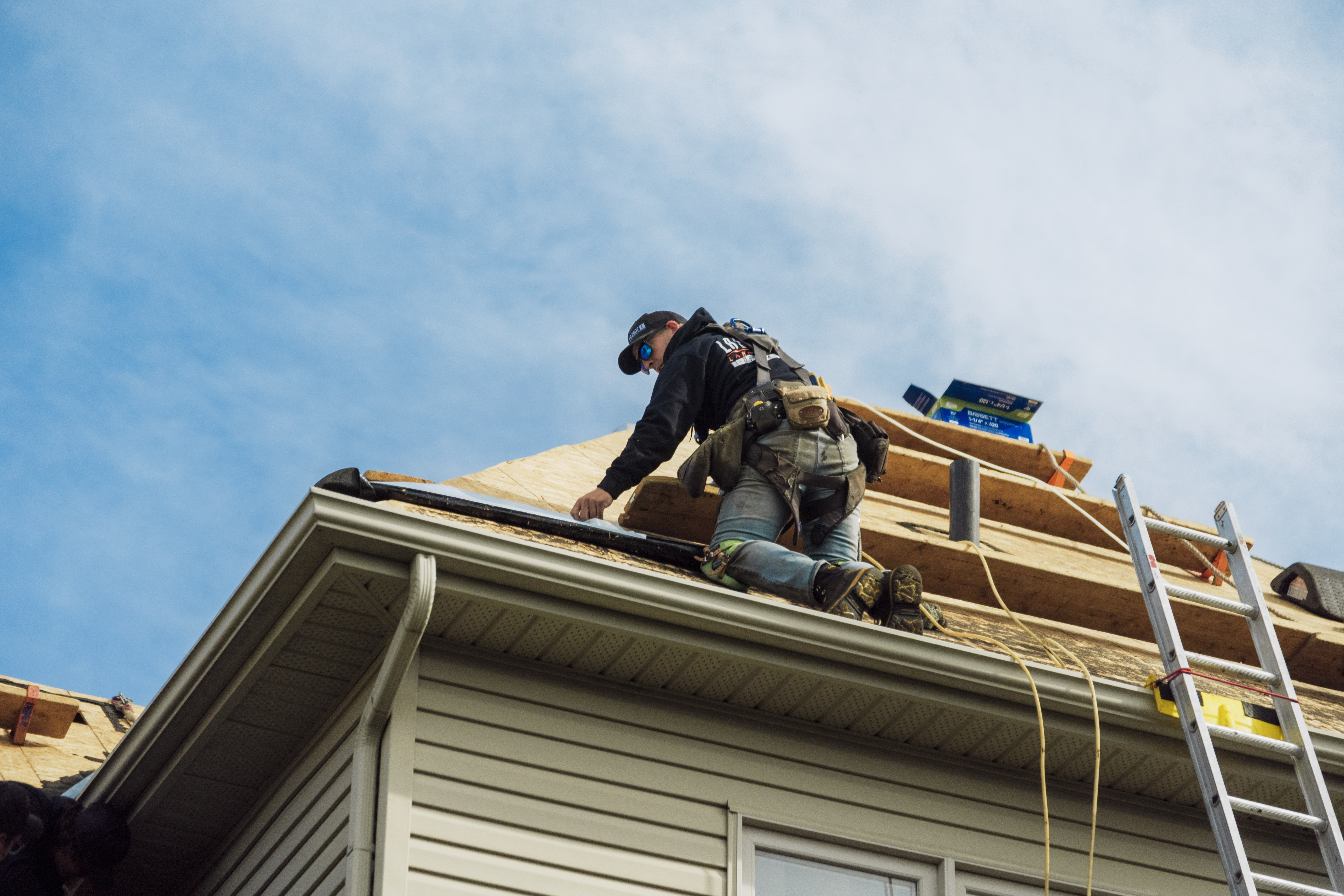
Source : LaBoiteC
Whether you're targeting roof repairs in Toronto, full replacement services, or niche jobs like flat roof repair or eavestrough repair, homeowners and commercial property managers are looking for professional roofers who offer reliability, transparency, and proven quality materials. The best way to prove your value? Showcase your track record with real projects, client reviews, and before-and-after photos.
Positioning yourself as one of the best roofing companies in the GTA means going beyond roofing know-how. It requires a customer-first mindset, timely service, and knowledge of bylaws like the Toronto green roof bylaw, especially for commercial properties and high-rise projects.
Easily find clients starting today
Get started today and connect with the projects that suit you best!
Leverage Local Networks and Platforms
A roofer’s success in Toronto often comes down to visibility. Many roofing companies rely on referrals, but in 2025, homeowners are looking for services through online directories, Google reviews, and city-specific platforms. Consider listing your business with:
Avenue Road Roofing-style service directories (local examples only)
Neighbourhood-focused networks (e.g. North York and Richmond Hill)
Online forms for free quotes directly on your website
Also, be sure to showcase certifications, safety records, and your crew's experience to position yourself as a trusted roofing company serving both residential and commercial roofing in Toronto.
Expand Your Services to Reach More Clients
Many roofers in the Toronto area have grown by diversifying their offerings. In addition to shingles and metal roofing, consider:
Emergency roof repair in Toronto, especially during storm season
Snow and ice dam removal
Preventative roof maintenance in Toronto
Repairs related to water damage, fallen tree branches, or aging structures
This kind of versatility can open up larger or higher-value projects, including work on multi-unit dwellings, heritage homes, and businesses needing year-round support.
Build a Team That Delivers Superior Workmanship
No matter how well you market, it's your team that gets the job done. In 2025, labour shortages continue to affect the construction industry, so investing in training and retention is key. Clients want to hire experts — not just roofers — and value companies that deliver consistent, superior workmanship.
It’s also a good time to mentor younger roofers looking to enter the trade. Understanding how to become a roofer in Ontario can help you attract fresh talent and ensure your company’s long-term success.
Avoid Scams and Protect Your Clients
Toronto residents are increasingly wary of contractors, especially after media coverage of refund scams. Transparency and communication are essential. Emphasize that your business operates with written contracts, WSIB coverage, and proper insurance — this builds trust and improves customer satisfaction.
If your clients are ever affected by a roofing scam refund in Toronto, be prepared to guide them through their rights and resources.
Frequently Asked Questions
How can you tell a good roofer?
A good roofer has a strong reputation, clear communication, and a proven track record of completed jobs. Look for licensed professionals who provide written estimates, warranties, and referrals.
How much do roofers make in Toronto?
Wages vary by experience and specialization. As of 2025, roofers in Toronto typically earn between $21 and $46 per hour, with higher earnings for those working on commercial properties or with supervisory roles.
How much does roofing cost in Toronto?
Roof replacement for a typical detached home in Toronto ranges from $10,000 to $30,000, depending on the size, slope, and materials used. Flat roof repair or specialty installations like metal roofing in Toronto may cost more.
What is the cheapest time to replace a roof?
Late fall and early spring can be more affordable due to lower demand. However, weather conditions should still allow for safe, quality installation. Always consult a local roofer before booking.
How do you become a roofer in Ontario?
In Ontario, you can become a roofer through apprenticeship programs, typically involving 4,000 hours of on-the-job training and 720 hours of in-class instruction. Registration with Skilled Trades Ontario is required.
Looking for something else?
Related articles
The latest industry news, interviews, technologies, and resources.

Editorial Team
•11 May 2026
A framing nailer, or nail gun, is defined as the standard tool used to streamline jobsites. Discover the material and tools needed to efficiently nail your framing together.

Editorial Team
•26 Aug 2025
It’s not much of a secret that the construction industry is facing a labour shortage, as many companies report a lack of labour although faced with growing demands. With the industry itself booming in sectors such as residential housing, commercial properties, and public work projects, the workforce necessary to take on these projects isn’t readily available. So, what effect will the labour shortage have?

Christine Simard
•08 Nov 2023
You might have noticed a steady stream in paint colour trends in 2020 and 2021. Like we talked about in our article Design trend 2021: curves, shapes and squiggles, the past 2 years had their fair share of ups and downs, with a lot of us stuck at home, probably stuck staring at the same home decor.
Cynthia Pigeon
•08 Nov 2023
A building's structure is either made of wood, concrete, or steel. To finish this structure and give a business, facility, or home an eye-catching look, opting for masonry siding is a definite possibility. And, a bricklayer-mason hired by a contractor will be qualified to carry out this type of project.
Cynthia Pigeon
•29 Apr 2026
To remove a load-bearing wall in Canada, obtaining a renovation permit from your city is mandatory. This process requires submitting plans sealed by a licensed structural engineer (P.Eng.), or in some cases, an architect, depending on the scope of the project. The work must be carried out by a qualified contractor in accordance with provincial regulations. Performing this type of work without a permit can lead to fines, loss of insurance coverage, and complications when reselling your property due to non-compliance.