Basement Insulation: Combining Comfort and Necessity
By Editorial Team
Updated on September 13, 2024
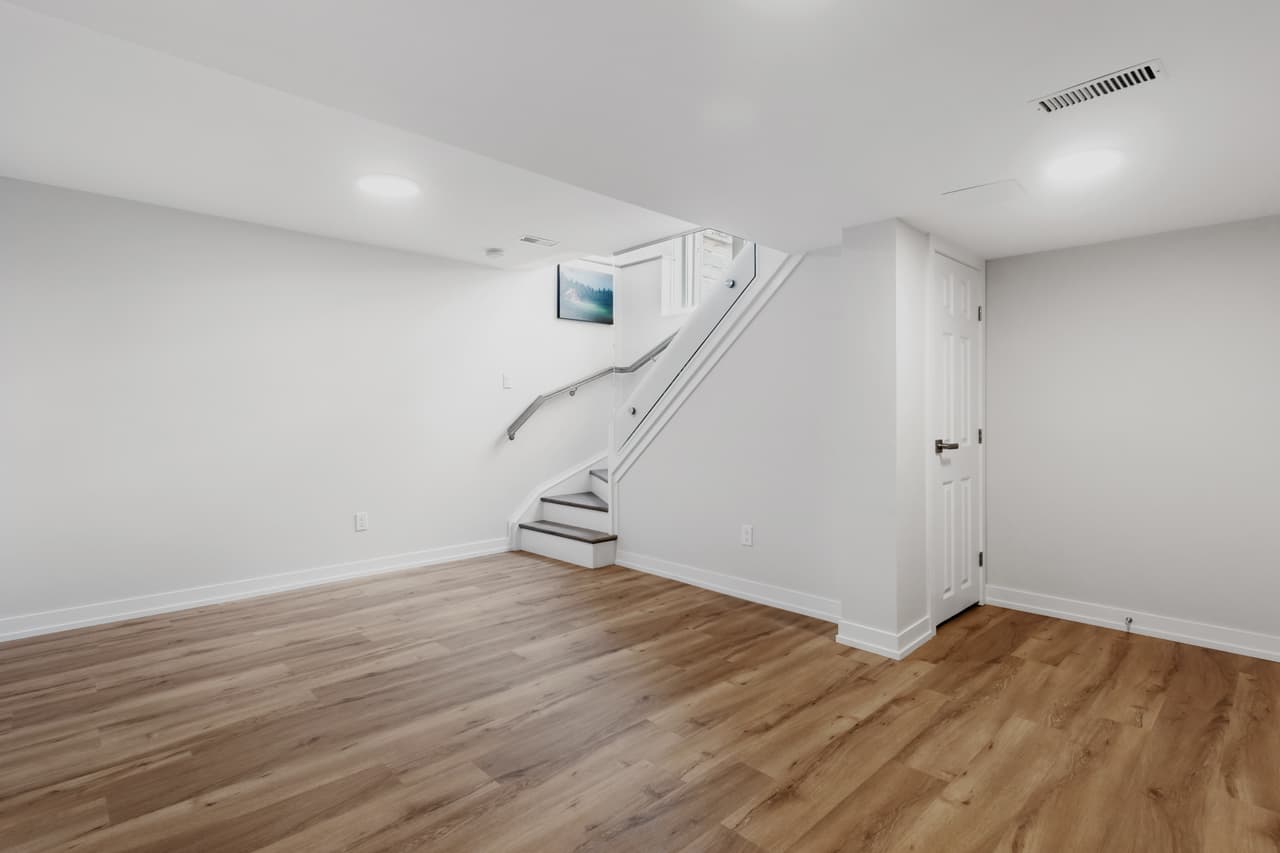
Have you been thinking about what kind of insulation would best suit your basement? Is it spray foam insulation or boards? Are you insulating from the inside or the outside? When it comes to choosing, a lot of questions come to mind. In terms of maximizing your energy savings, insulating a basement is an interesting option, but it has to be done properly. So, here's a guide to help you in your research.
Why Insulate a Basement?
The majority of basements built or renovated before the mid-80s have to be reinsulated. The insulation in such structures is often defective, non-existent, or simply a health hazard. Thereby, renovating the basement is an important step. And, there are multiple advantages to doing so:
Energy savings
In terms of energy savings, the basement is the second most influential area in the home. Heat loss through floors can account for more than 20% of the heat loss in a home.
Limit condensation and moisture
Poorly insulated buildings don't prevent air infiltration. As a result, it creates condensation and affects the well-being of the occupants. The overall insulation capacity diminishes, which causes the walls to deteriorate resulting in mould and mildew growth. Therefore, installing insulation isn’t sufficient, you also have to make sure it's done right. Faulty or unsuitable materials can, over time, compromise the structure of the building, or even damage it.
Fix distinctive problems
In some areas of Quebec, there are specific problems, such as basements being subject to flooding and other frequent risks. Therefore, it's essential to consider the insulation in detail to make sure it’s adapted for highly humid and risky ground.
Top 3 Ways to Insulate a Basement in Cold Climates
Source: Canva
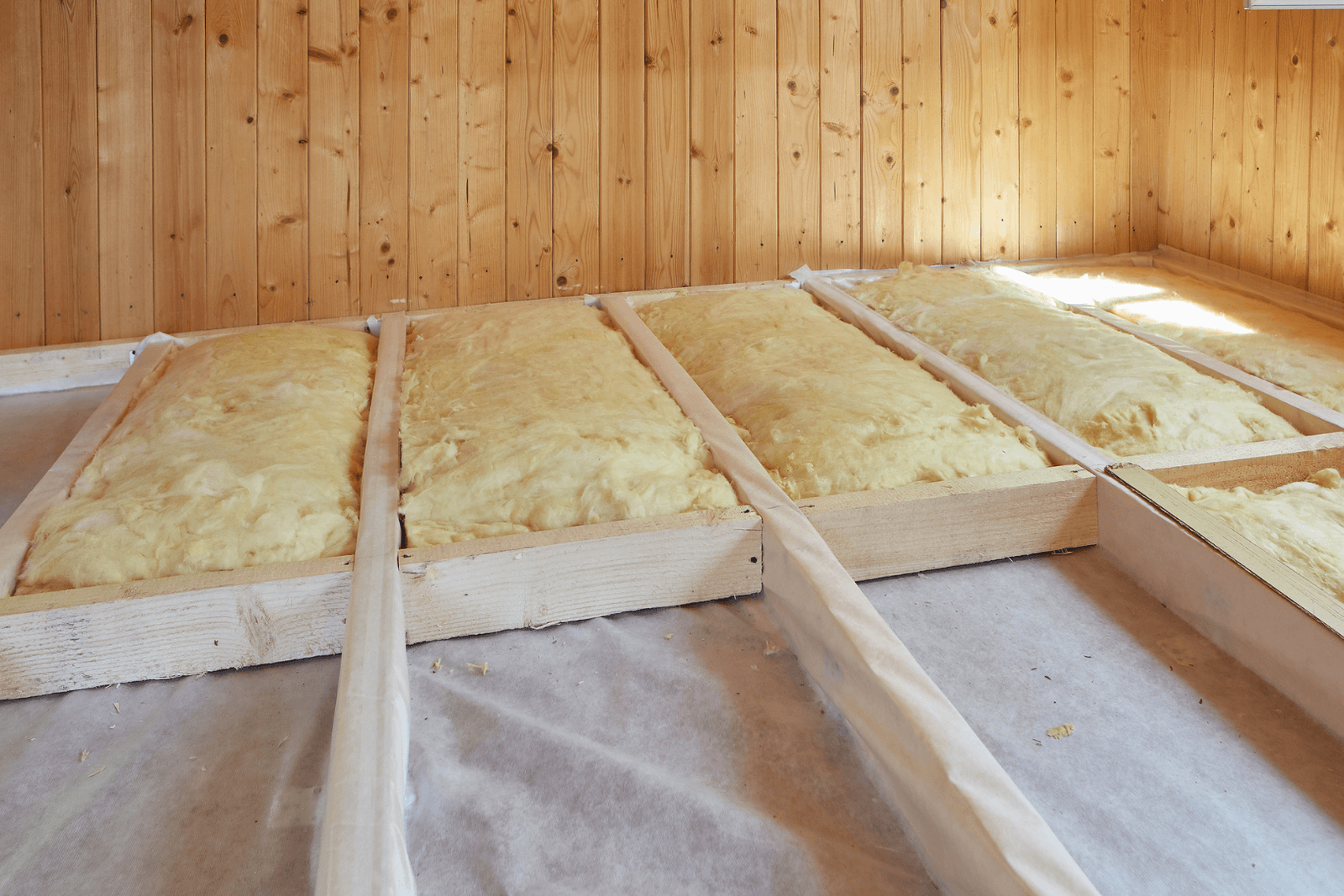
According to the National Building Code of Canada, there are no specific requirements when it comes to basement insulation. Therefore, it's easy to get lost in the various and best ways of insulating your basement. Every basement in every home has independent characteristics that'll come into play as far as insulation techniques are concerned. Here's a list of a few aspects to consider when insulating:
Ground condition;
Exposure to air drafts outside of the foundations;
Run-off water flow;
Phreatic zone;
Capillarity of the selected concrete.
In cold climates, basements are subject to greater thermal variations and shock exposure.
There are three main ways to insulate a basement: insulating the walls from the inside, insulating the walls from the outside, or insulating the basement ceiling. Each method has its advantages and disadvantages, which should be considered prior to installation. Also, note that these methods aren’t mutually exclusive, as in some cases, interior and exterior wall protection is needed on top of ceiling insulation.
Thus, the three best practices are:
Insulating from the inside;
From the outside;
Both from inside and outside.
The latter is the most highly recommended solution, as it provides better energy performance and durability. It achieves an R-value of 40, which is extremely high. Insulation from the inside and outside represents a more significant initial investment, but it’ll help you save money in the long run. Additionally, the concrete's temperature will increase and reduce mould problems.
Insulating a Basement From the Inside: Steps & Complications
Insulating from the inside can be done using expanded polystyrene boards, and then, rock wool panels are inserted in the wall cavities. This method is the cheapest and most common option employed. It allows you to tackle any heat problems that can develop where walls meet.
Attention: This method requires exterior protection against humidity, without it, it could result in a condensation problem inside the dwelling. To avoid this, you can use rock wool insulation or a dehumidifier. However, you should never insulate a basement from the inside if there’s already an obstacle, like moisture.
Insulating a Basement From the Outside: Steps & Complications
Insulating from the outside isn’t used as much because it's more expensive. It relies on fibre cement-based panels and plaster, expanded polystyrene, and an elastomeric membrane, which is sometimes combined with a drainage mat. This technique avoids seasonal freeze-thaw and thermal shock, which can sometimes lead to the deterioration of your home’s foundations.
This method is also interesting as it doesn’t limit your interior living space. On the other hand, it’s a bit more difficult and risky to install, and it tends to not adapt to all types of soil.
Basement Insulation: Minimum Cost Per Square Foot
Source: Unsplash
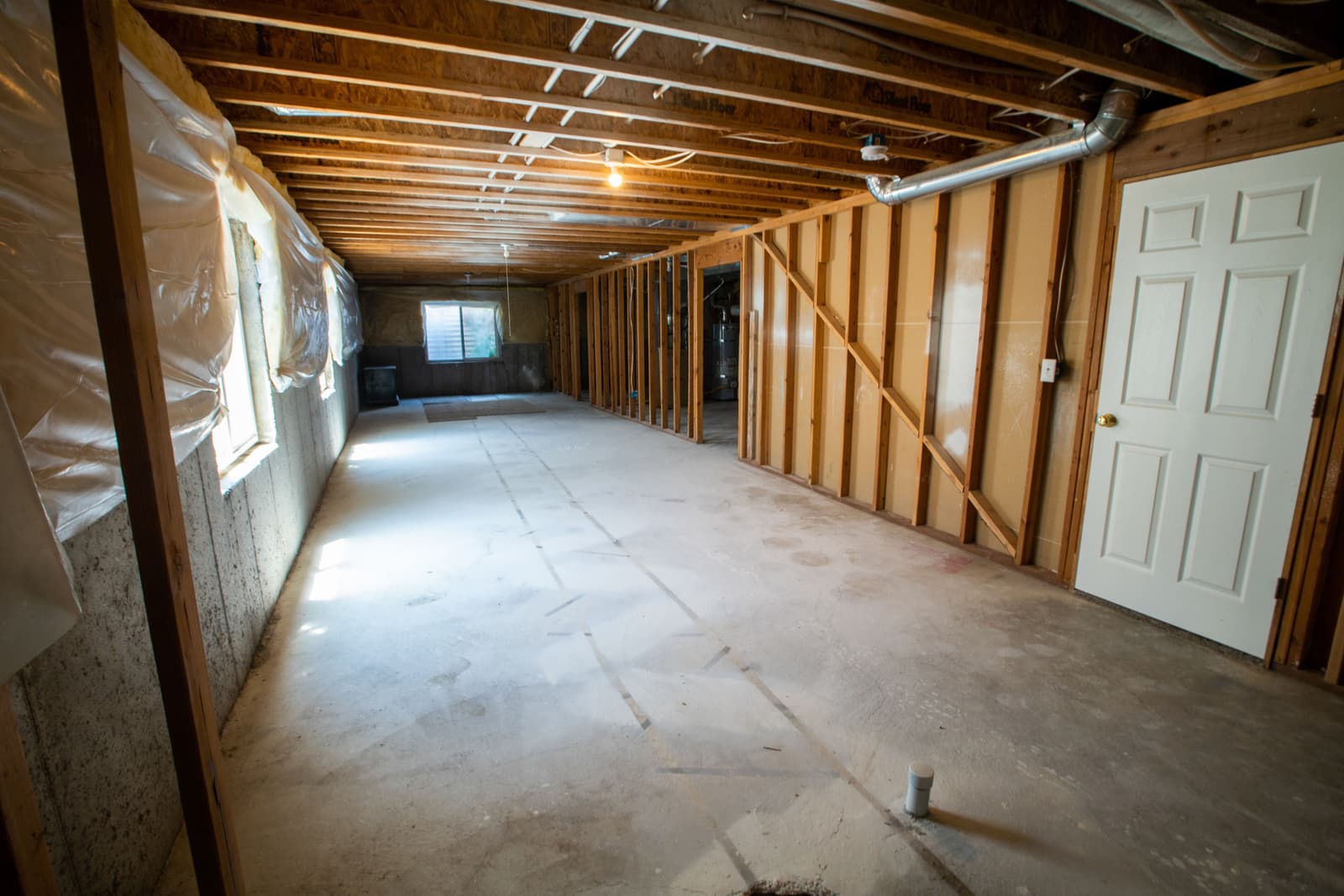
Regardless of the intended use for your basement, it's important to first install proper insulation. The insulation will provide soundproofing, reduce heat loss, and protect against mould.
The minimum cost of insulation is $2 per square foot. Naturally, this rate largely depends on the materials and the installation technique chosen.
You might also want to add an air and vapour barrier to protect the house from air infiltration and moisture.
Are you looking for experts for your basement insulation project?
Fill in this form to be connected with top-rated contractors!
Basic Features of Various Insulation Materials
Source: Unsplash
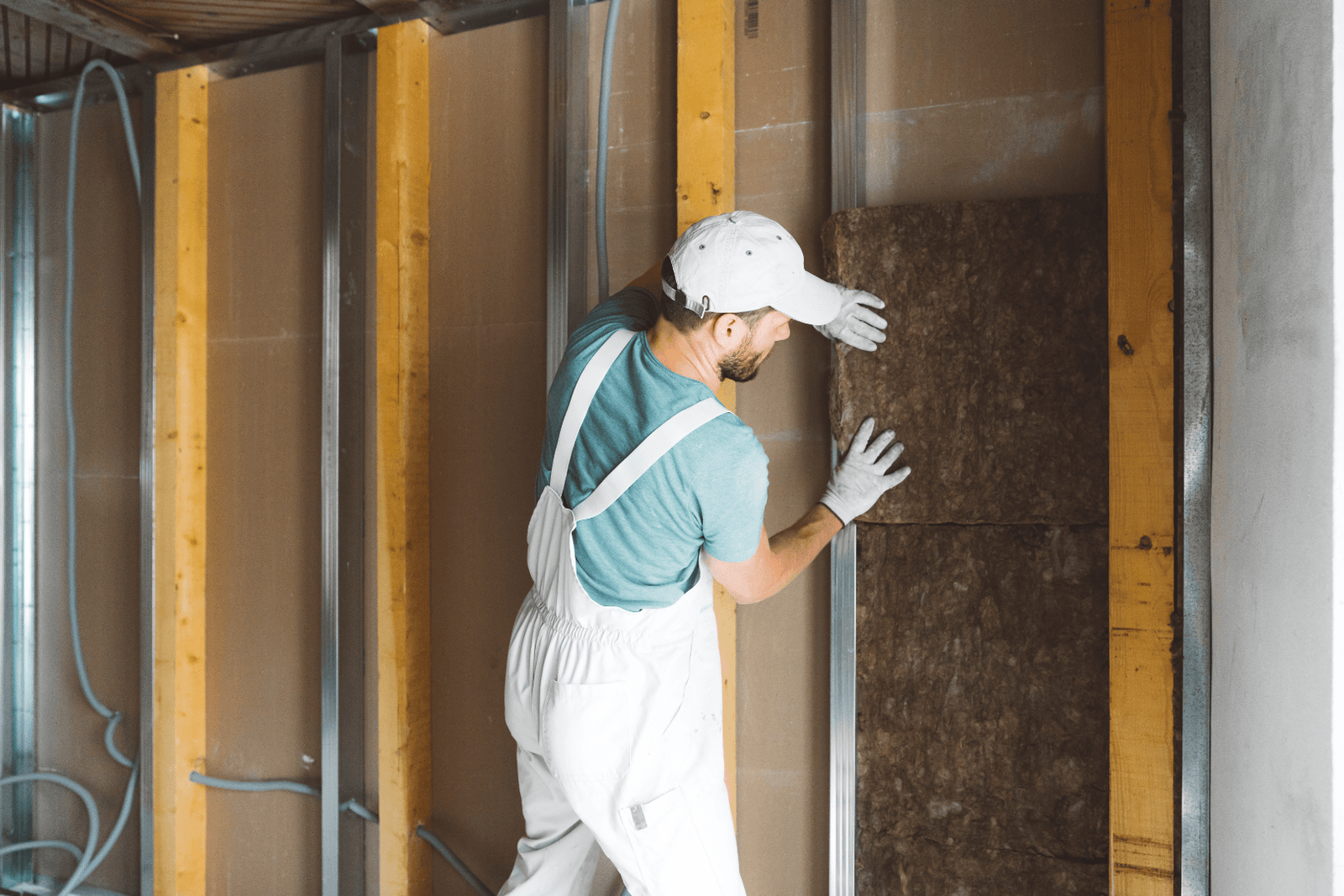
There’s a variety of materials used to insulate a basement, and each has diverse features.
You can use extruded or expanded polystyrene. Extruded polystyrene is cheaper and provides an R-value of 4 per inch, as opposed to expanded polystyrene, which is at an R-5. However, both types of foam have to be covered by drywall or another type of fire barrier that’s up to code.
Spray foam is also an option, but it’s normally a lot more expensive than foam boards.
Spray polyurethane has superior insulation properties than other types of insulation, as well as total adherence to any type of irregular surface. Therefore, there are no gaps. By filling up all air space, it prevents moisture build-up.
As for blanket insulation, it’s less expensive, lighter, and easier to cut. This material consists of a water-repellent mineral fibre, that could be a compelling option for the basement. On the other hand, its thermal resistance is lower.
Examples of Energy-Efficient Insulation
Basement insulation is a key part of your home's overall insulation. Thus, it can significantly improve your property's thermal performance and contribute to overall energy efficiency. Basements are typically damp, cold areas that can draw a lot of heat from the upper floors, while allowing cold air to seep through the ceiling, as well as through countless holes and cracks. This is exactly why good insulation is so important, especially if you're planning to turn your basement into a living space, which is becoming fairly common nowadays.
Insulation materials vary in size from bulky fibres such as fibreglass, rock and slag wool, cellulose and natural fibres, to rigid foam boards and thin sheets. Bulky materials resist heat flow via conduction and, to a lesser extent, by convection within a building's cavity. Rigid foam panels trap air or other gases to withstand heat flow. Highly reflective sheets (foil) used in radiant barriers and insulation systems reflect radiant heat away from living spaces, making them especially useful in colder climates. Other less common materials are also available: cementitious and phenolic foams, vermiculite and perlite insulation.
How to Insulate a Basement with Polystyrene
Of all the options we've outlined, polystyrene is one of the most effective materials available to insulate a foundation (and wall surfaces). Polystyrene panels (expanded or extruded) can provide a very high thermal resistance per unit of thickness. It also allows for a seamless coating of insulation. It’s also a lightweight and easy-to-cut material.
On the other hand, note that these panels are tricky to fit and seal on irregular surfaces. They're also more expensive and absolutely must be covered with a fire-resistant material.
Polystyrene is still a very viable option for basement insulation. It's practical and accessible, and it'll keep the overall sense of comfort and warmth in your home. To ensure proper installation, we recommend that you hire an expert contractor. If you're planning a major renovation project, our Checklist of Steps to Follow: Basement Renovation Project will definitely be helpful!
Get 3 quotes for your basement insulation project
Renoquotes.com can help you get quotes for your basement insulation project. By submitting your project, we’ll put you in contact with top-rated contractors. Fill in the form on the homepage (it only takes a few minutes), and you will get estimates from trusted professionals.
Dial 1-844 828-1588 to speak with one of our customer service representatives.
Looking for something else?
Related articles
The latest industry news, interviews, technologies, and resources.
Amanda Harvey
•08 Nov 2023
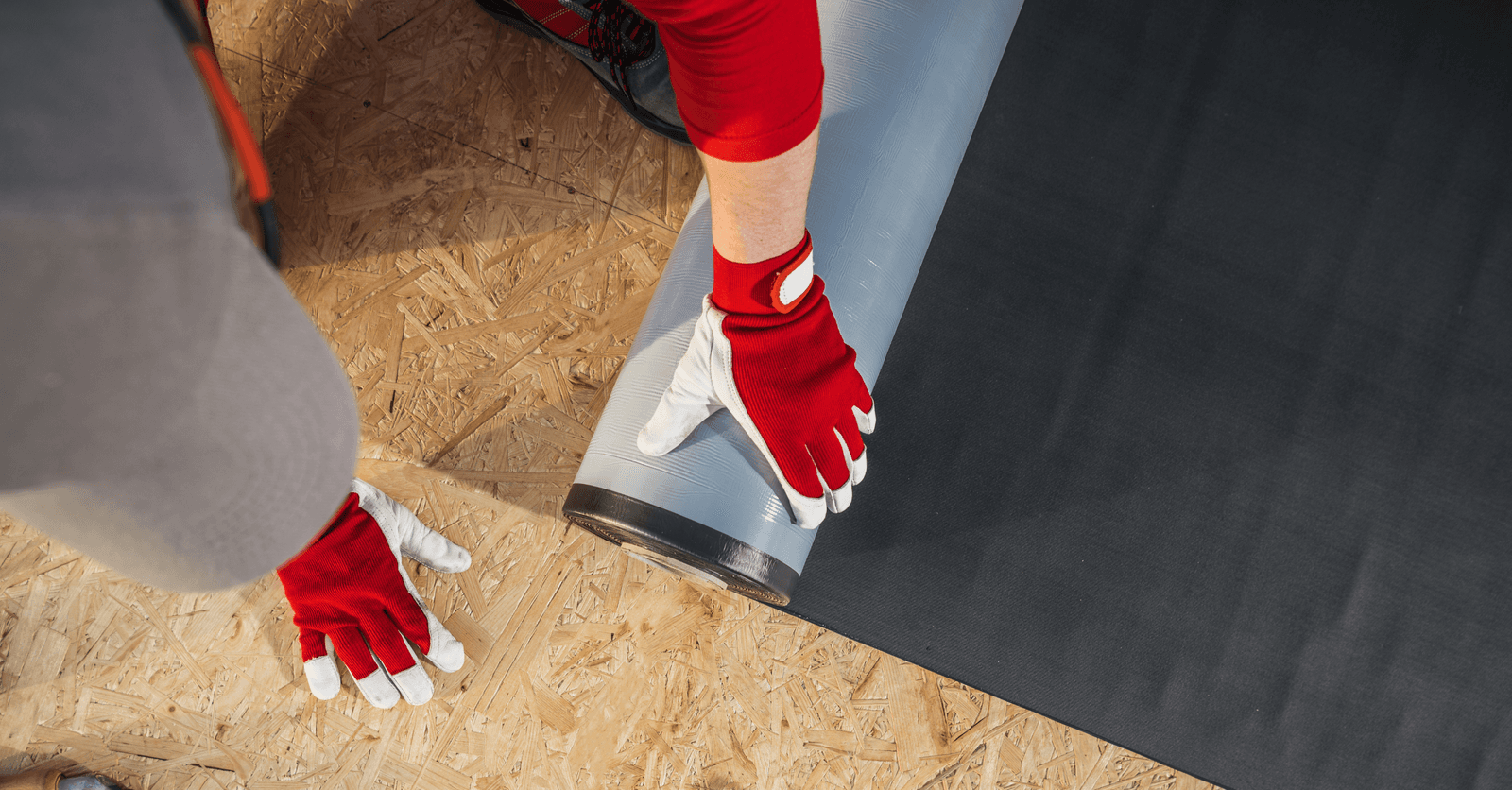
When building a new home, air barriers are not always part of the equation. However, air barriers are crucial structures that assist in aiding with energy efficiency as well as maintaining a comfortable and cozy home environment.

Editorial Team
•08 Nov 2023
Wall, door, attic, and foundation insulation, not unlike window caulking, aren’t the sole factors influencing your home’s energy efficiency. Garage doors, which are too often overlooked, allow warm air to seep out, along with a part of your savings.

Editorial Team
•08 Nov 2023
When thinking of renovating or improving your home, it’s natural to consider spaces such as the kitchen or bathroom. When it comes to devoting part of your budget to landscaping, there may be a bit of hesitation.
Editorial Team
•28 May 2026
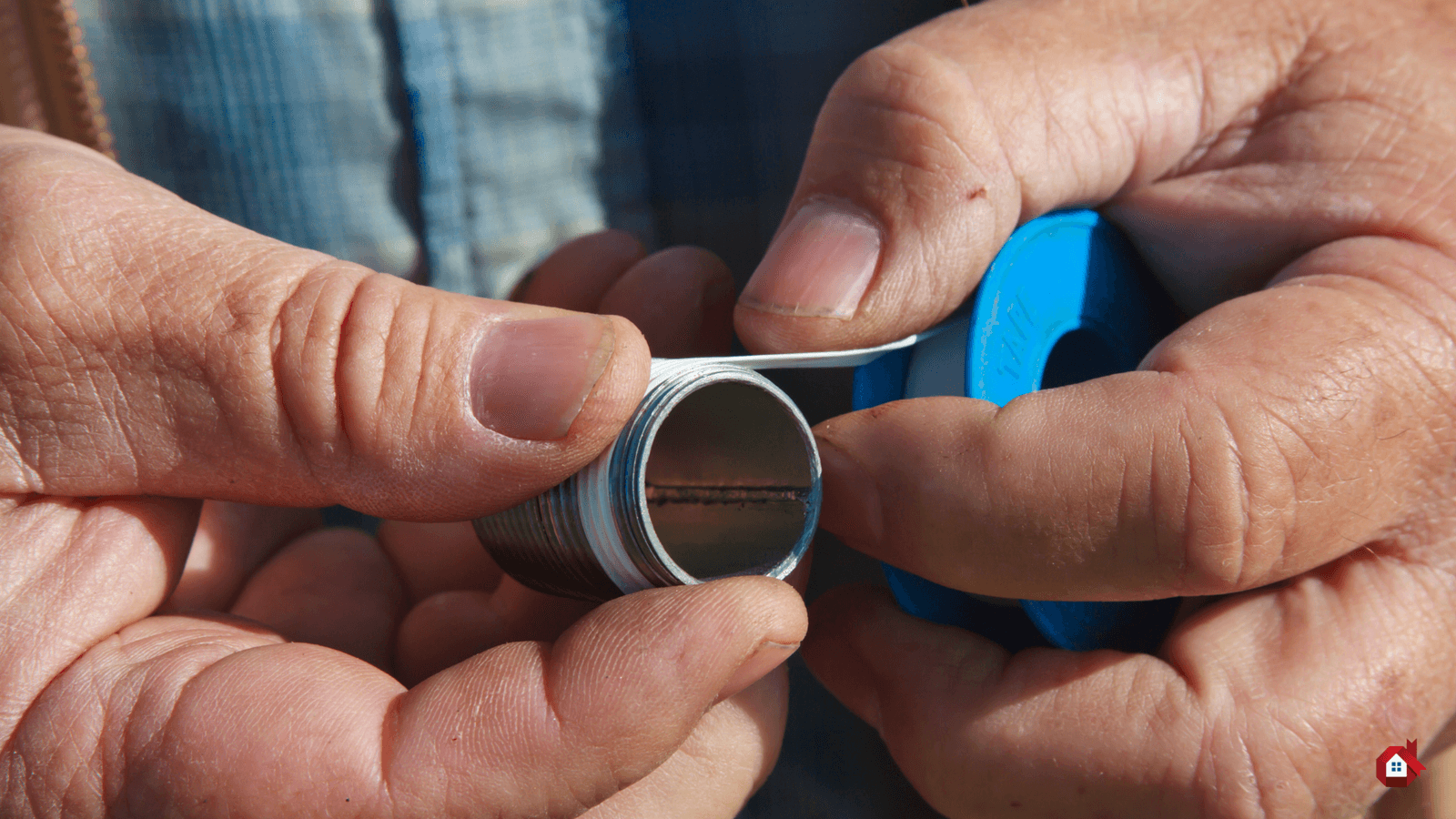
Teflon tape, also known as PTFE tape, is an essential plumbing product best known for its ability to guarantee perfectly sealed fittings and connections. Whether used to prevent leaks or ensure a long-lasting installation, understanding its use and advantages is of utmost importance for all wannabe or professional plumbers.
Editorial Team
•31 Jan 2025
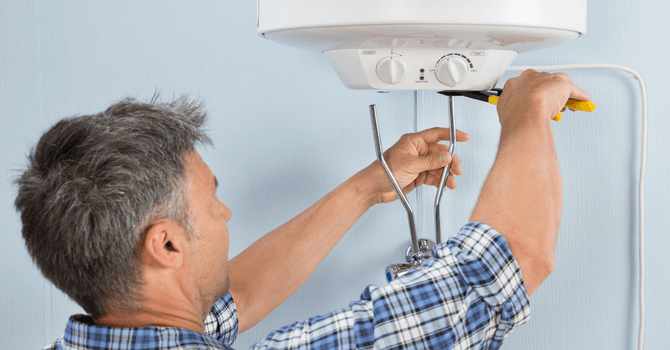
Water heaters are indispensable devices fitted inside every household. They allow dwellers access to hot water, which is essential for showering, washing dishes, and other daily uses. Water heaters can't be separated from housing quality and convenience.