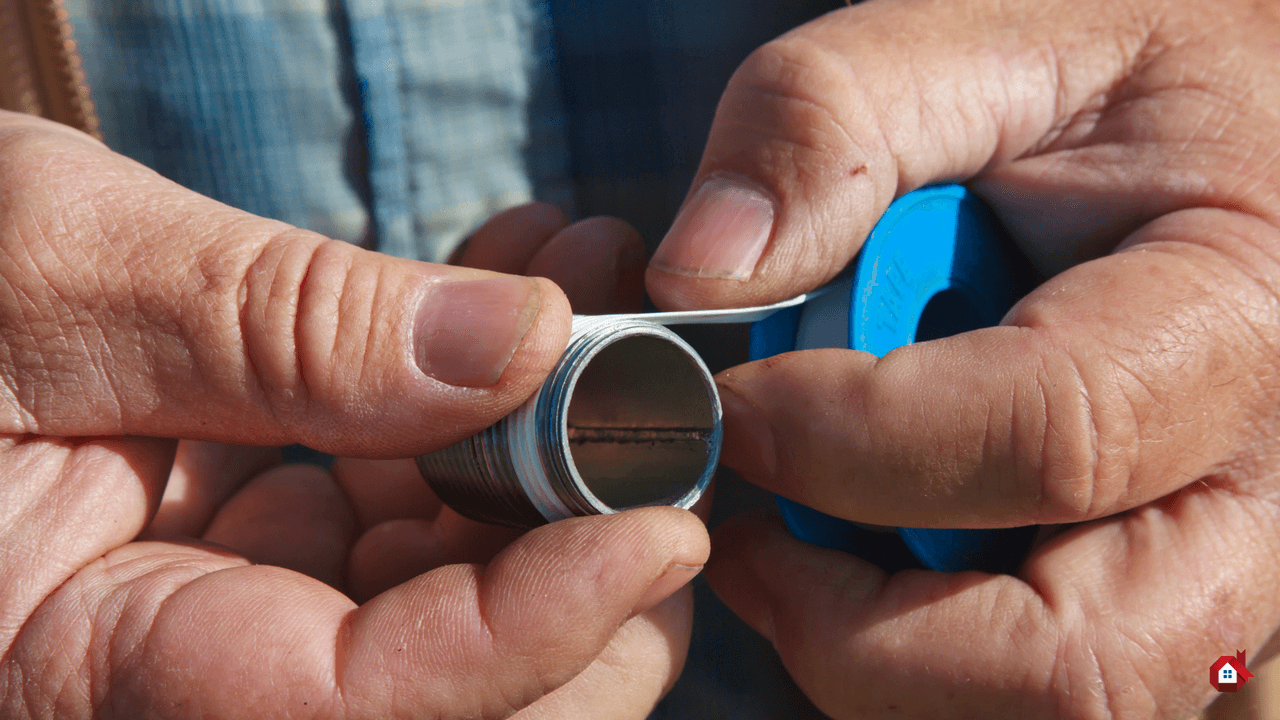
Teflon tape, also known as PTFE tape, is an essential plumbing product best known for its ability to guarantee perfectly sealed fittings and connections. Whether used to prevent leaks or ensure a long-lasting installation, understanding its use and advantages is of utmost importance for all wannabe or professional plumbers.
What Is Teflon Tape (PTFE Thread Seal)?
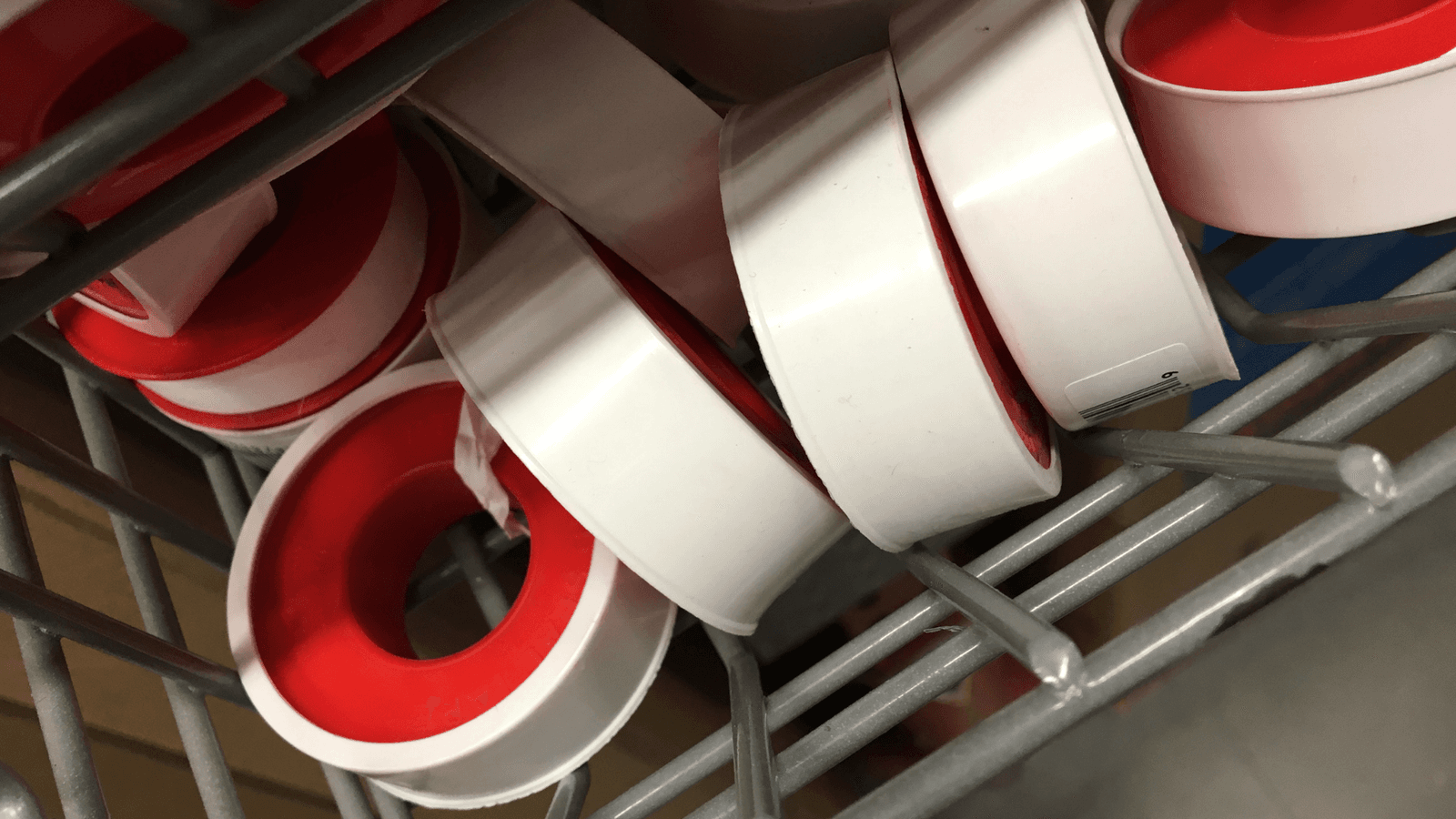
Teflon tape, often referred to as plumber’s tape or PTFE tape (polytetrafluoroethylene), is a white tape used to seal thread fittings. It’s especially appealing on account of its anti-adhesive and waterproof properties, allowing one to seal piping and ductwork against natural gas or water leaks effectively. It’s commonly used on PVC or metal plumbing fittings.
What Are the Benefits of Using Plumber’s Tape?
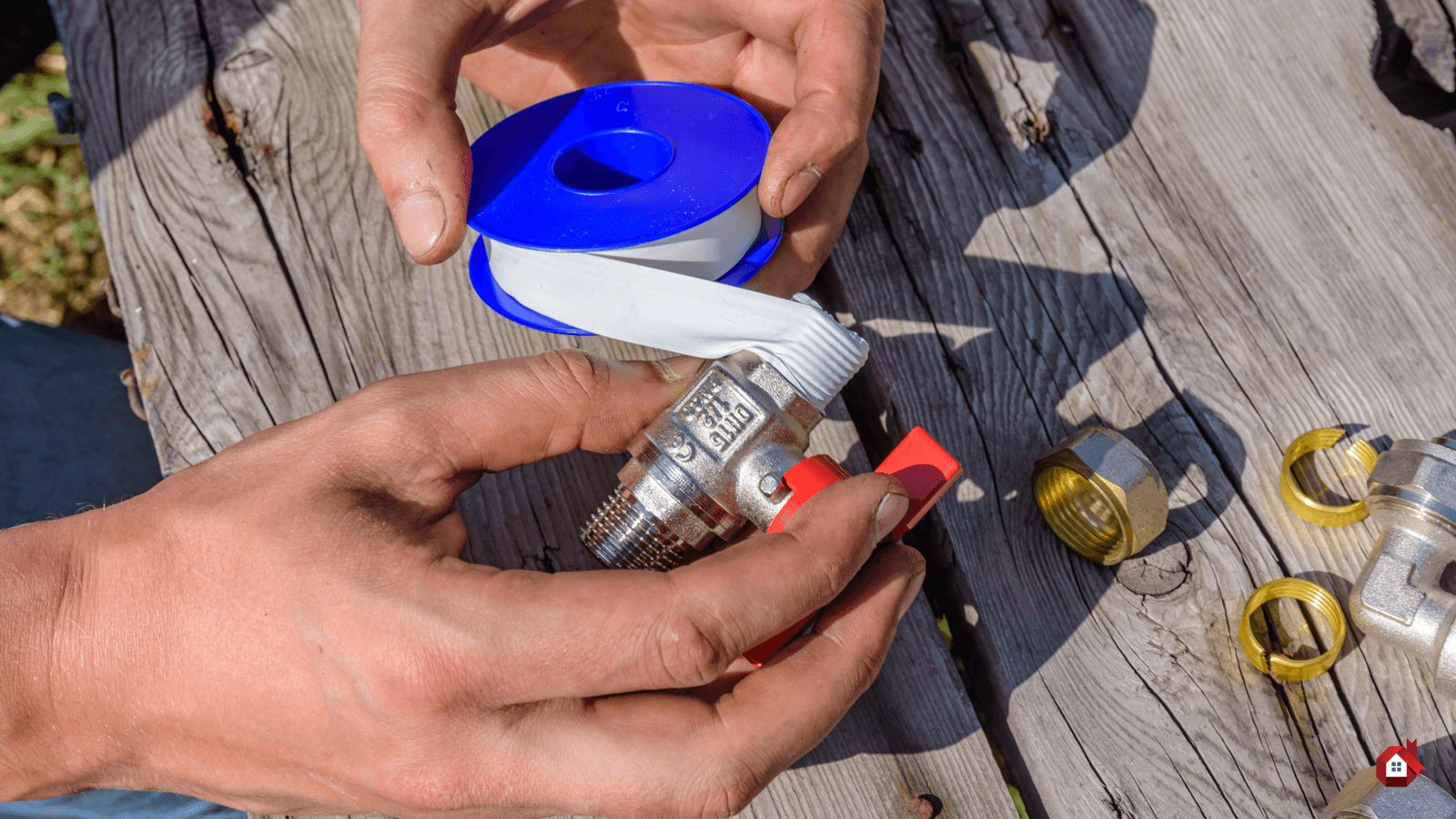
Quick and Easy to Use
Plumber’s tape is pretty straightforward to use and apply, even for plumbing task novices. Simply wrap the tape around the male thread fitting or pipe before screwing it in place, ensuring for a quick and effective installation.
High-Quality Seal and Leak-Proof
Teflon tape is perfectly suited to pipework threads, filling in the gaps and preventing water from filtering through, which makes for a reliable solution to prevent potential leaks, even when exposed to intense pressure.
Withstands Corrosion and Chemical Products
Courtesy of its chemical properties, Teflon tape can withstand corrosion and harmful chemical products, which, in turn, extends the service life of the fittings.
Wide Range of Operating Temperatures
Plumber’s tape can be used in conjunction with a wide range of temperatures, which makes it adaptable to various weather conditions, from very low temperatures to very high ones.
Reusable and Does Not Deteriorate Over Time
Teflon tape doesn’t degrade easily over time, which means the fittings can be reused without fearing potential leaks.
What Are the Downsides of Teflon Tape?
Higher Price Tag Than Alternatives
Teflon tape can be a bit more expensive compared to other sealing options, such as pastes and oakum (tarred fibres), which may result in pricey plumbing projects.
Not Suitable for Every Fitting Type
Plumber’s tape isn’t suited to all types of fittings, most notably those with a loose nut or requiring extra-tight clamping.
Can Restrict Water Flow
Improper wrapping or excess application of the tape can obstruct water flow, resulting in drainage problems.
How and When to Use & Apply Plumber's Tape
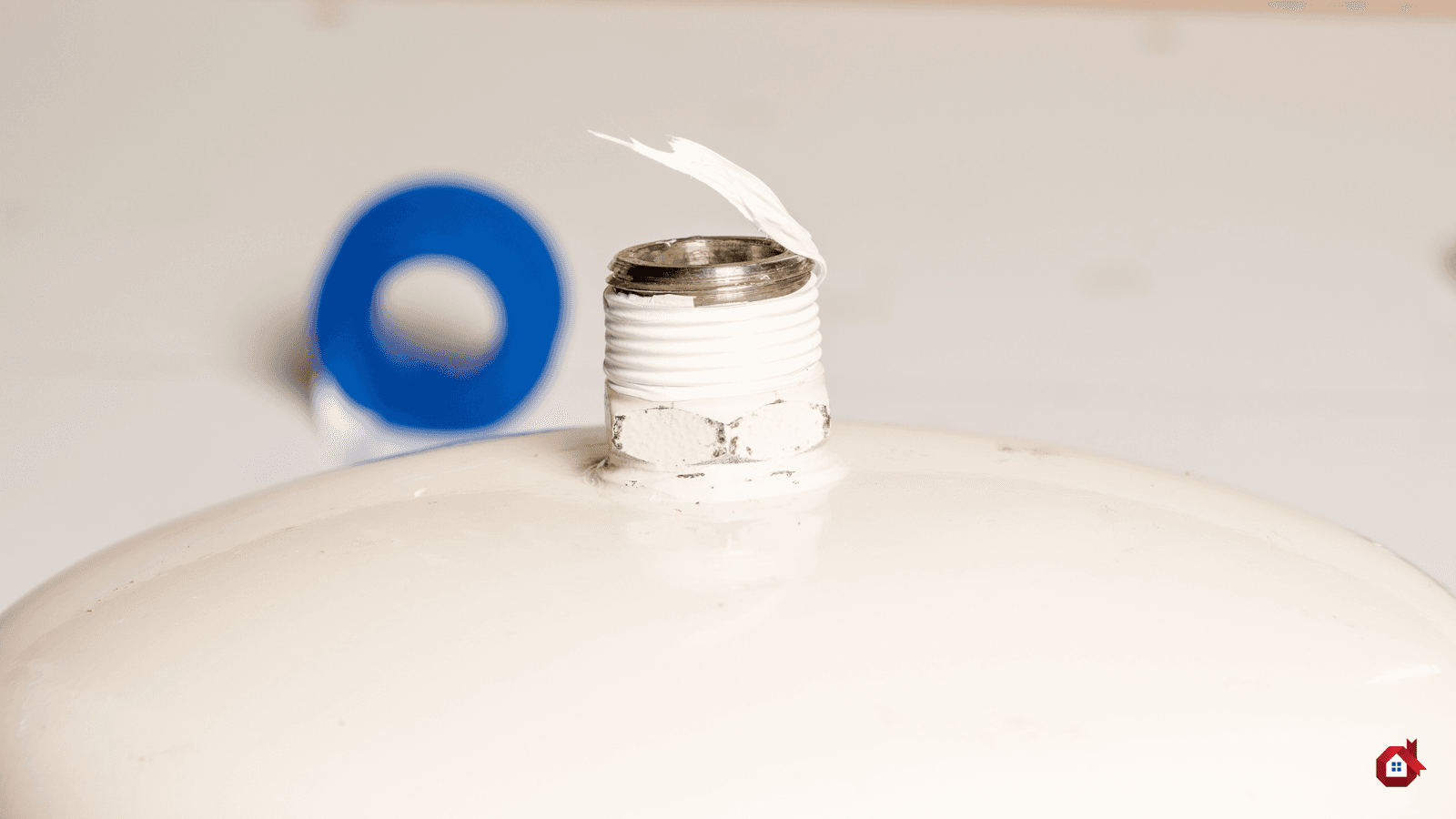
Teflon Tape: Types, Pricing, and Sizing
There are several different types of Teflon tape used for plumbing-related work, each designed with a specific use:
White Teflon tape: Basic thread seal tape, 0.074 mm thick, and ideal for all common plumbing fittings. Cost: about $1.50 for a 0.5 in x 12 m roll.
Pink Teflon tape: Thicker (0.2 mm) and denser than standard Teflon tape, is extremely heavy-duty, which makes for a better seal. Cost: about $3.50 for a 0.5 in x 12 m roll.
Premium high-density tape: 0.1 mm thick, recommended for damaged fittings or renovations. Cost: about $2.75 for a 0.5 in x 12 m roll.
*PTFE tape also comes in green, yellow, and grey, each indicating a specific use.
Sealing Threaded Plumbing Fittings
Teflon tape is perfect for sealing threaded fittings, ensuring a leak-proof seal.
Faucet, Valve, and Pipe Fittings
It’s commonly used with faucets, valves, and pipes to prevent leaks and ensure a watertight connection.
Kitchen & Bathroom Sinks and Toilet Fittings
Teflon tape is also used to seal bathroom and kitchen sink fittings as well as toilet fittings, where leak-proof installations are mandatory.
Minor Leak Repair
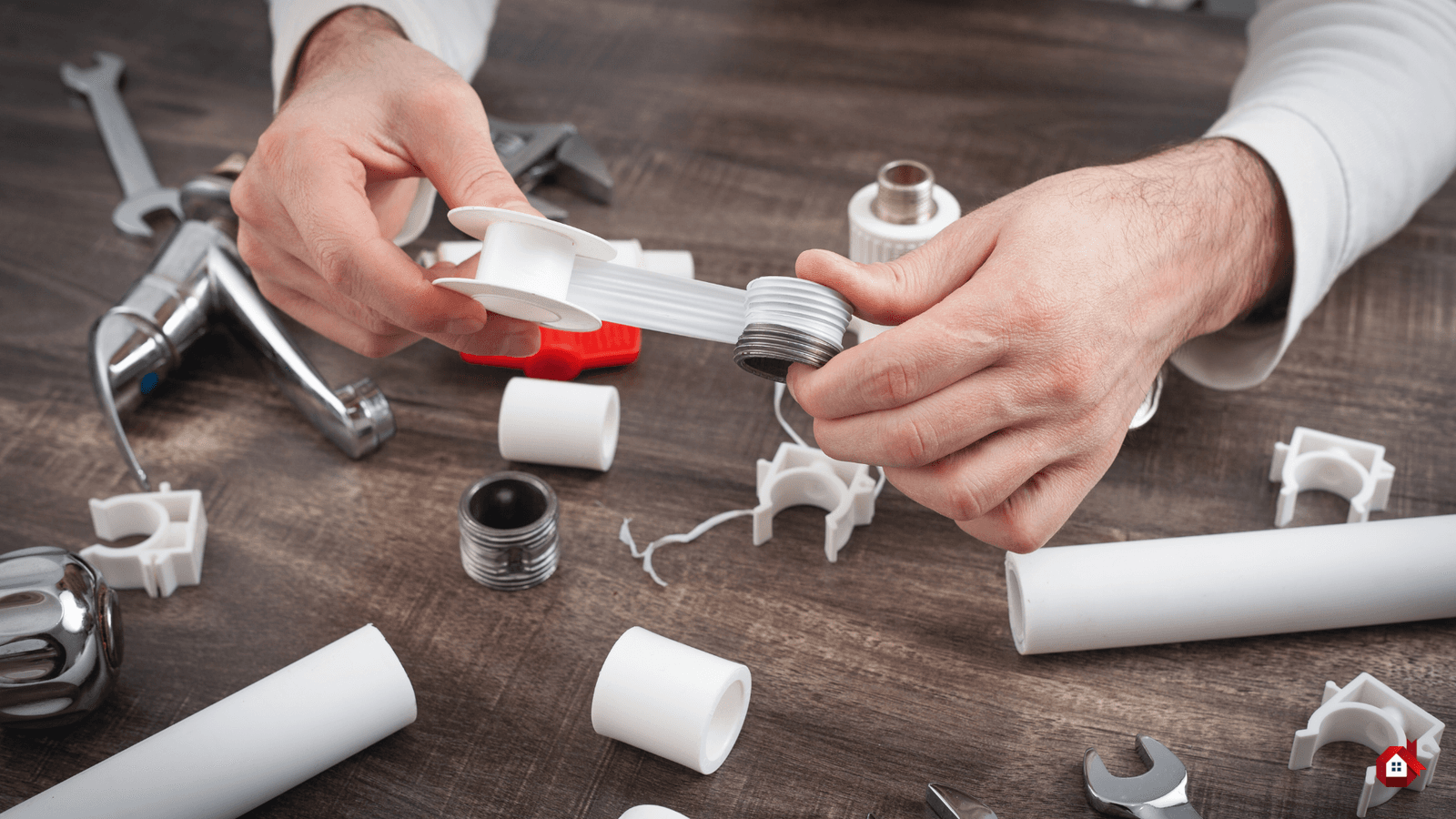
Cracked or Worn Joints
Teflon is used to repair cracked or worn joints, extending the fitting’s service life.
Damaged Threads
It’s also used effectively to seal damaged threads, ensuring a watertight hold despite imperfections.
Applying Plumbing Pipe Tape: How to Wrap It
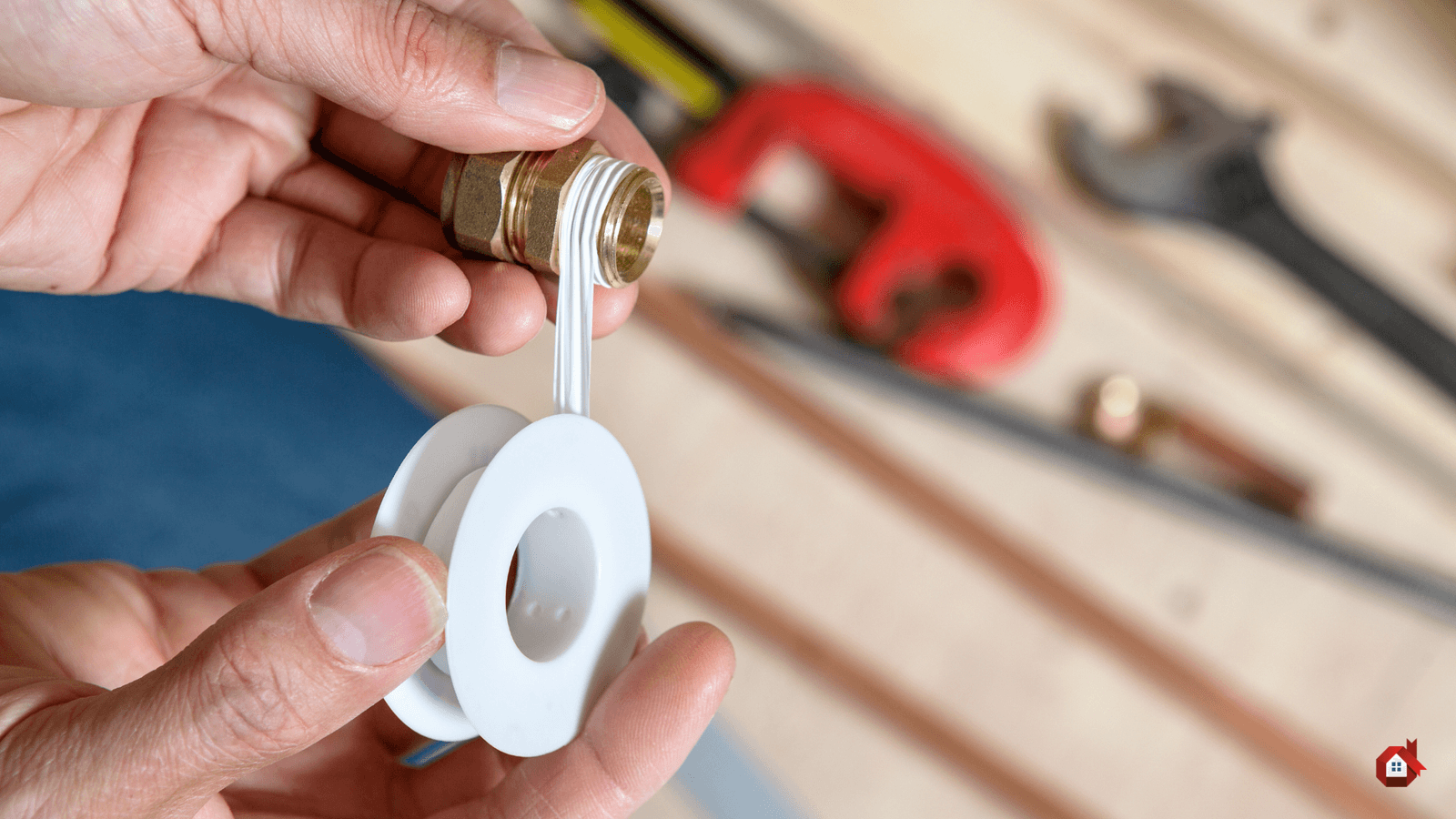
In which direction should polytetrafluoroethylene tape be wrapped?
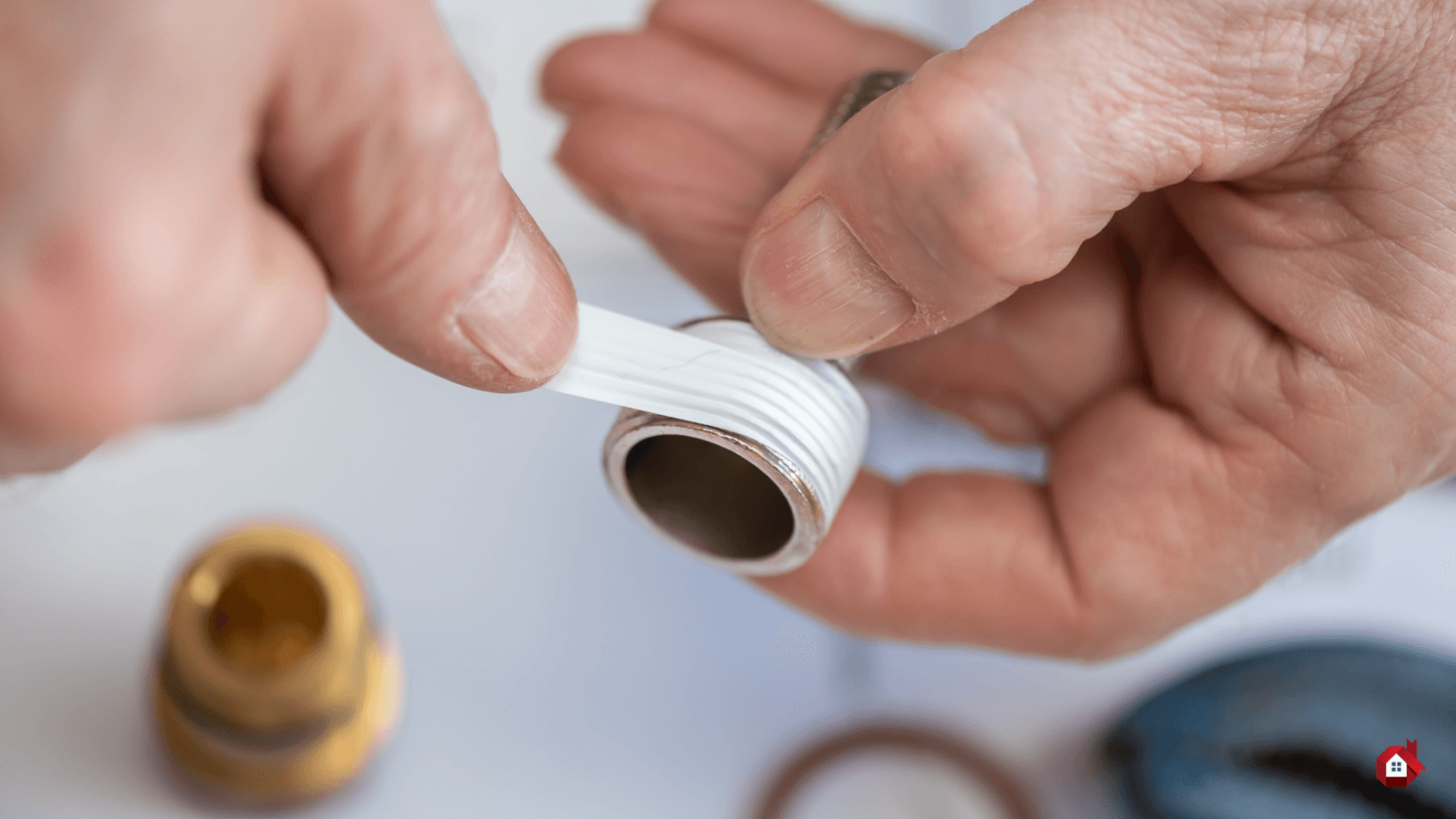
The thread seal tape should always be wrapped in a clockwise direction around the male thread fitting to prevent it from peeling off when the fitting is unscrewed.
How many times should it be wrapped around?
The number of wraps depends on the fitting’s width—typically, 3 to 5 wraps for small fittings and up to 10 for wider fittings.
A Leak-Proof Installation with Teflon Tape
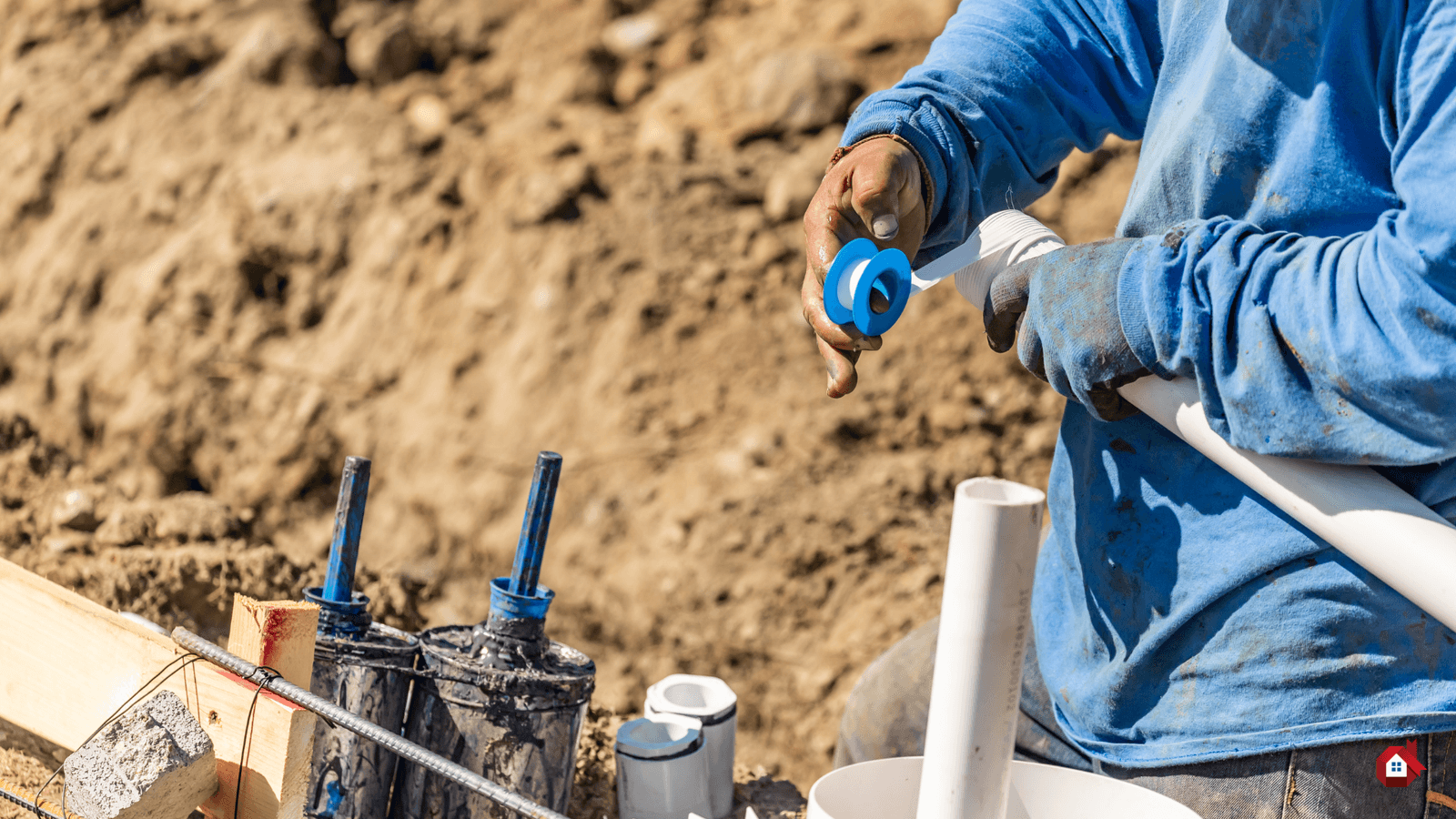
To ensure your plumbing fittings are perfectly sealed, Teflon tape is your one-stop solution. While it's a bit more expensive than some alternatives, in terms of product quality and ease of installation, combined with its durability and resistance, thread seal tape is an industry favourite. For situation-specific tips and quality products, inquire with experts at RenoQuotes.com.
Want to learn more about plumbing? Check out these articles:
Get 3 renovation quotes for your plumbing project
RenoQuotes.com can help you get quotes for your plumbing project. When you submit a project, we will connect you with top-rated contractors. Fill in the form on the homepage (it only takes a few minutes) and receive estimates from trusted professionals.
Dial 1-844 828-1588 to speak with one of our customer service representatives.
Looking for something else?
Related articles
The latest industry news, interviews, technologies, and resources.
Editorial Team
•23 Apr 2026
Renovating a bathroom on a tight budget means carefully choosing materials—especially as summer approaches, when renovation demand surges and contractor availability fills up fast. Planning ahead and booking early not only helps you avoid delays but also gives you better control over costs before peak season pricing kicks in. While it may be tempting to aim for high-end finishes, selecting materials within your price range won’t hold you back—smart early decisions can actually stretch your budget further.
Editorial Team
•01 May 2026
The sheer size of a home's plumbing system can make plumbing issues seem rather complex. There are pipes in the basement, drains outside, bits of pipe coming out on the roof, valves, and J-bends under the sinks...

Editorial Team
•08 Nov 2023
Our homes are complex systems that are multifunctional and multi-faceted with a lot of various parts. Thus, it is important for our homes to run smoothly and efficiently like well-oiled machines. All machines need energy to operate, and as most homeowners know, our homes consume a large amount of energy annually.

Editorial Team
•12 Feb 2026
If you’re stuck on “renovate or move,” you’re not alone. For many Canadian homeowners, the choice comes down to both numbers and real life: what you can afford, what your home is worth, what the market is doing, and how much disruption your household can handle.

Editorial Team
•26 Jun 2025
From the windows of an airplane, the series of little blue dots lining the asphalted suburban streets remind the passengers that they’re flying over beautiful residential neighbourhoods. Even if our hot season only lasts a fraction of the year, many people do not hesitate to cede a big part of their land to the installation of a swimming pool. After you have made this decision, all you have to do is divide your yard accordingly.