Basement Renovation Cost in Canada (2026): Prices, Budget & Expert Tips
By Cynthia Pigeon
Updated on April 13, 2026
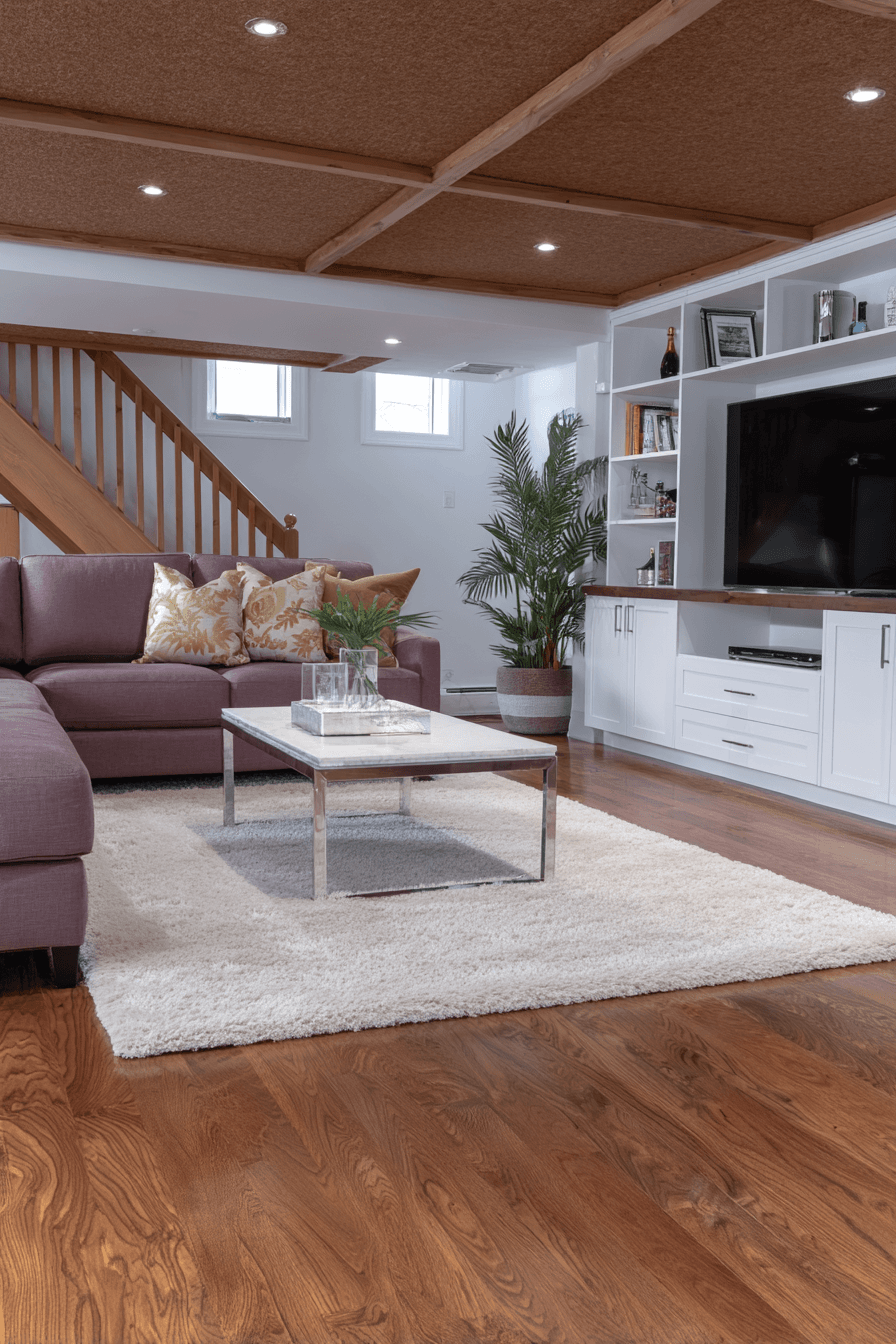
In 2026, the cost of finishing a basement in Canada typically ranges between $60 and $110 per square foot, depending on the scope of work, materials selected, and whether features like a bathroom or custom spaces are included. For a 1,000 sq. ft. basement, homeowners should generally budget between $65,000 and $95,000 for a full renovation, including partitions, a family room, a compliant bedroom, and a bathroom.
How Much Does a Basement Renovation Cost in Canada in 2026?
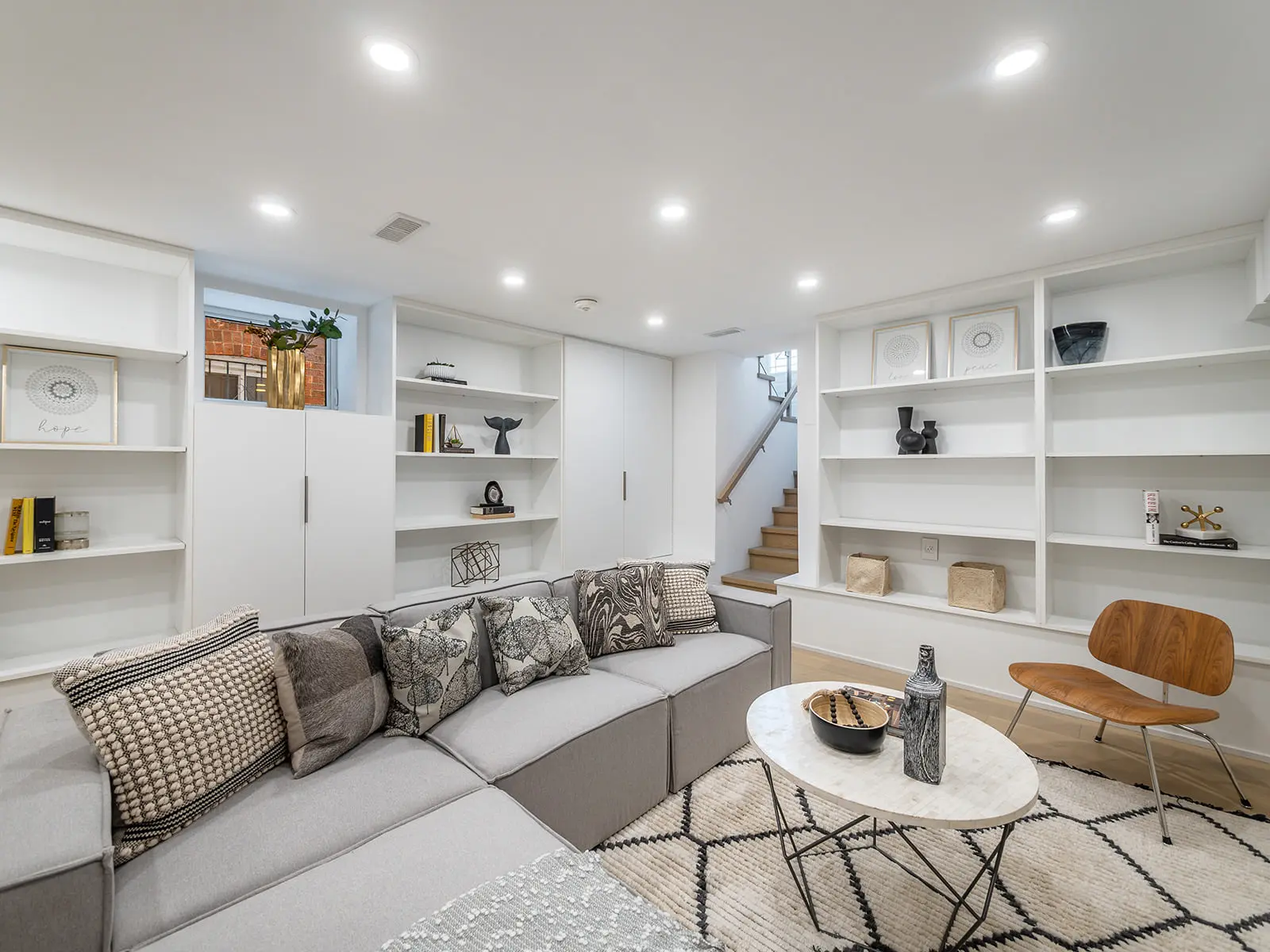
Source: Generational Homes Inc.
Transforming an unfinished basement into a comfortable living space remains one of the most effective ways to increase usable square footage without expanding your home’s footprint. However, rising labour costs and stricter energy-efficiency standards across Canada mean that careful financial planning is essential.
Whether you're building a home theatre, rental suite, or guest bedroom, the total project cost will depend on the condition of the foundation and the quality of materials used. On average, Canadian homeowners can expect to pay around $85 per square foot for a standard-quality renovation completed by a licensed contractor.
Average Budget by Size and Quality of Finish
Basement renovation costs vary significantly based on layout complexity and plumbing requirements:
Small basement (500 sq. ft.): $35,000 to $50,000. Typically includes an open-concept family room with basic finishes.
Medium basement (1,000 sq. ft.): $65,000 to $95,000. Standard project with a bathroom, bedroom, office, and laundry area.
Large or luxury basement (1,500+ sq. ft.): Starting at $100,000. May include a bar, heated floors, custom ceilings, and advanced layouts.
Cost per Square Foot: From Basic to High-End
Using price per square foot remains the most reliable way to compare contractor quotes:
Basic finish ($60–$75/sq. ft.): Standard materials, vinyl plank flooring, simple layout, drywall and paint.
Mid-range finish ($80–$95/sq. ft.): Added soundproofing, improved lighting, insulated subfloor, and durable materials.
High-end finish ($100–$125+/sq. ft.): Custom staircase, wood finishes, luxury bathroom, smart home integration.
Cost Breakdown by Category

Source: RenoQuotes
Here’s how a typical basement renovation budget is distributed:
Framing and insulation (20%): Wall construction, insulation (spray foam or batt), and vapour barrier.
Mechanical systems (15–25%): Plumbing and electrical work, especially if adding a bathroom.
Wall finishing (15%): Drywall installation, taping, and painting.
Flooring and doors (20%): Subfloor systems and final finishes.
Labour and project management (25%): General contractor fees and coordination.
Adding a Bathroom: A Major Cost Driver

Source: Vision P&H
Installing a basement bathroom typically adds $15,000 to $25,000 to your budget. Costs increase significantly if the concrete slab must be broken to install new drainage. However, homes built with rough-in plumbing can reduce costs substantially.
Electrical and Plumbing Costs in Canada
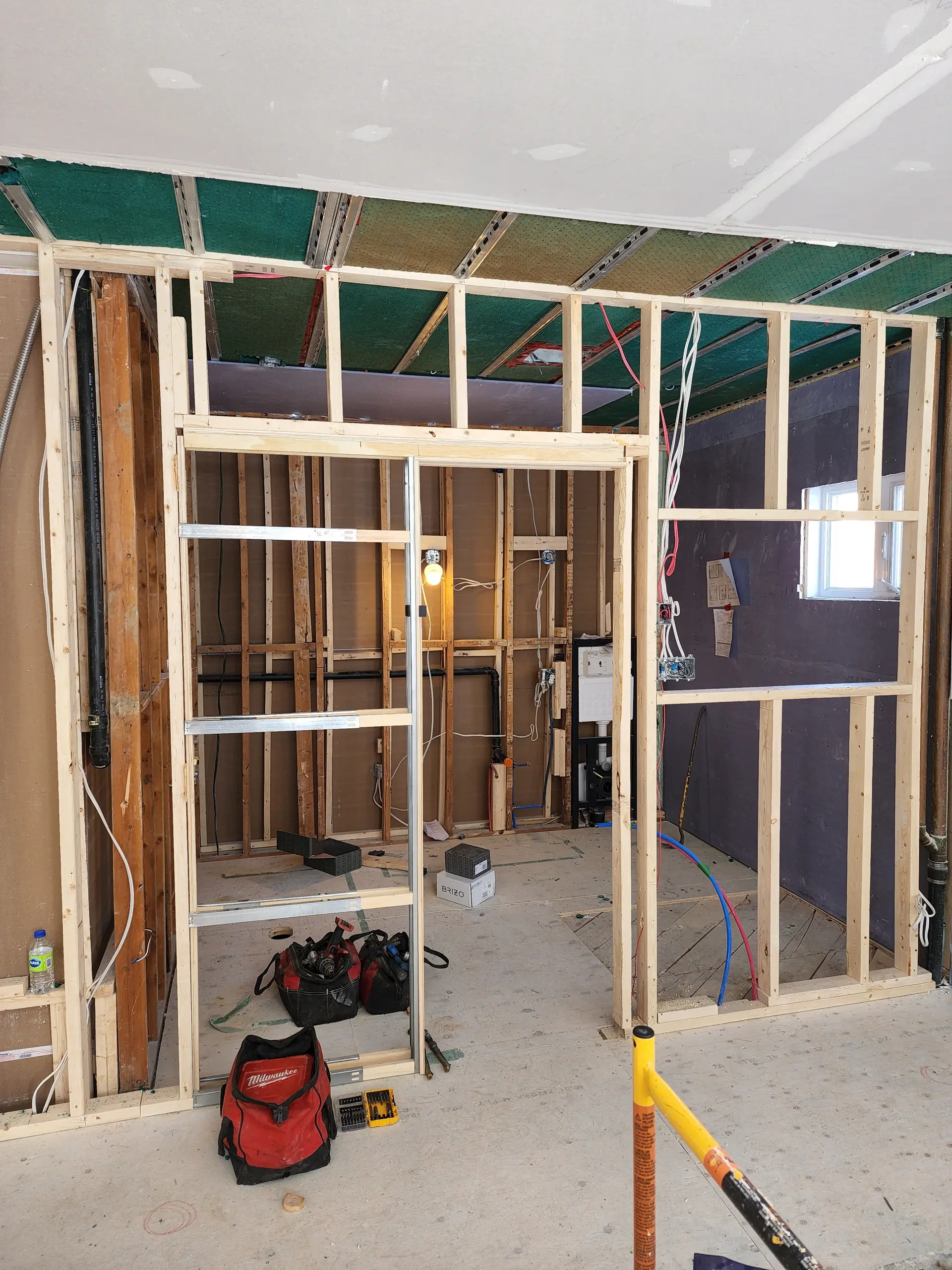
Source: Construction A.A.A
Across Canada, licensed trades such as electricians and plumbers typically charge between $100 and $150 per hour, depending on the province and project complexity. These trades are strictly regulated, and work must comply with provincial codes and standards. Check out this basement renovation price guide for more information.
Insulation and Moisture Control: Critical in Canadian Climates
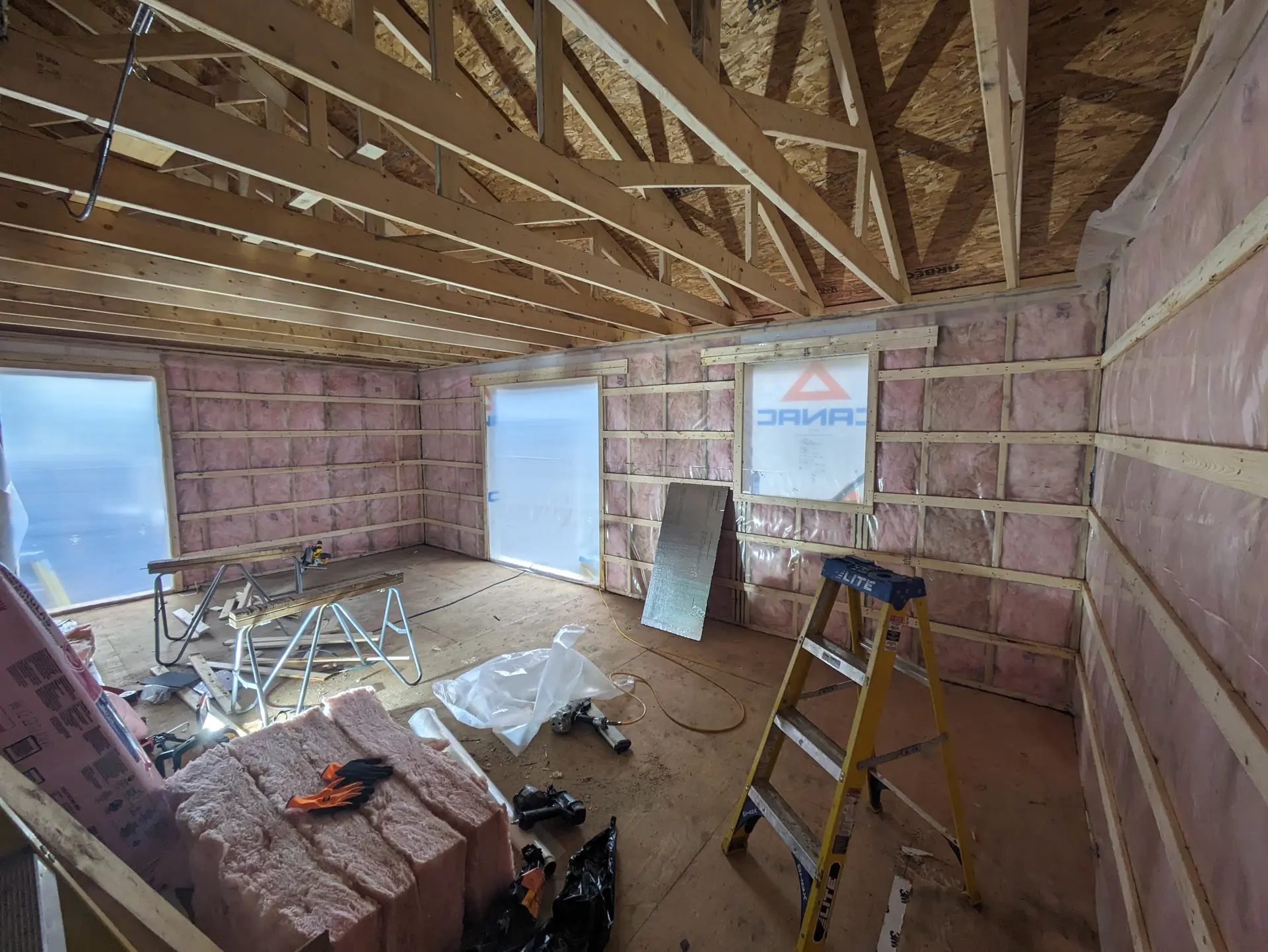
Source: Conception St-Jean
Basements are particularly vulnerable to moisture and temperature fluctuations. Poor insulation can lead to mould and long-term damage.
Foundation insulation: Spray foam is widely recommended for airtight sealing.
Vapour barrier: Essential to prevent condensation against cold concrete walls.
Subfloor system: Insulated panels or membranes improve comfort and prevent moisture issues.
Grants and Financial Incentives in Canada

Source: RenoQuotes
Some renovation costs—especially related to energy efficiency—may qualify for financial assistance:
Provincial programs (vary by province): Many provinces offer incentives similar to Rénoclimat, including rebates for insulation and airtightness improvements.
Utility programs: Some providers (like Hydro-Québec equivalents in other provinces) offer rebates for heat pumps and energy upgrades.
Check your province’s official energy efficiency website for eligibility.
Building Codes and Permits: What You Need to Know
Hiring a properly licensed contractor is essential across Canada. While licensing bodies vary by province (e.g., RBQ in Quebec), all regions require compliance with local building codes.
Always obtain a municipal permit before starting work. This ensures your finished basement is legally recognized and compliant—critical for resale value and insurance coverage. To compare certified experts in your area, use a contractor matching platform.
Conclusion: Plan Strategically for Maximum Value
A basement renovation is a high-impact investment that enhances both your comfort and your property’s value. By carefully planning your budget, meeting building code requirements, and hiring qualified professionals, you ensure a durable and high-quality result. Comparing multiple quotes remains the most effective way to secure a fair price and achieve the outcome you expect.
Looking for something else?
Related articles
The latest industry news, interviews, technologies, and resources.

Editorial Team
•08 Nov 2023
You may be of the mind that renovation is renovation. When considering the end result, this is the case but when it comes to the process itself, there are many different factors that weigh in. If you’re currently living in a condo and wanting to renovate, you’ll face certain limitations, possibilities and strategies for approaching it. In this article, we’re going to look at a condo kitchen renovation and all of what you should consider when renovating this space. This will help you to avoid unwanted surprises during the process.
Léa Plourde-Archer
•08 Nov 2023
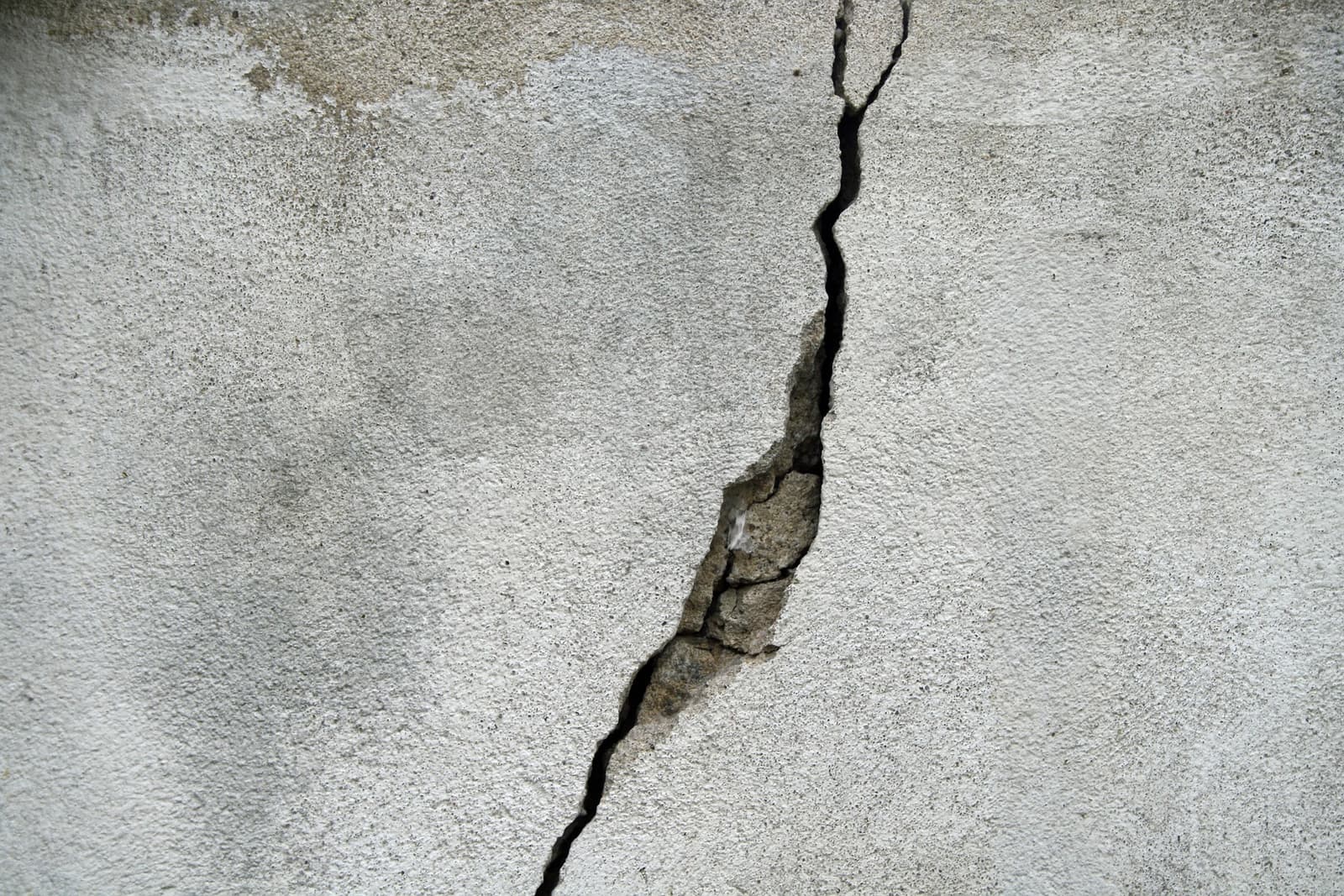
Concrete is known for being a solid, durable material that can be maintained over time. It is the most used material for solid foundations and for major projects such as bridges and viaducts. Over time, it has proven itself as an essential building material.

Amanda Harvey
•18 Jun 2024
Plumbing problems quickly shake up our day-to-day habits. Since we're used to having access to clean water, as soon as a situation complicates this process, many of our daily tasks are affected.
Editorial Team
•16 Jul 2024
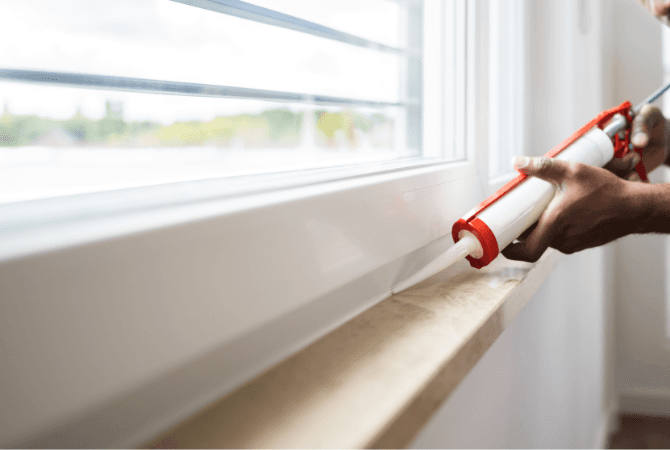
When contemplating about insulating a house or condo, window insulation is rarely at the forefront of our minds. However, every year, in Quebec, energy costs related to poorly insulated window joints are valued at $417 out of the $1,460 spent.

Editorial Team
•19 Jun 2024
Nowadays, from foundations to floors, with footings in between, reinforced concrete is spread far and wide on construction sites. Provided it can withstand compression and tensile stress, it’s where it belongs. Rebar, or steel reinforcements, are the turning point.