Building Information Modelling - How Does It Work?
By Editorial Team
Updated on August 8, 2025
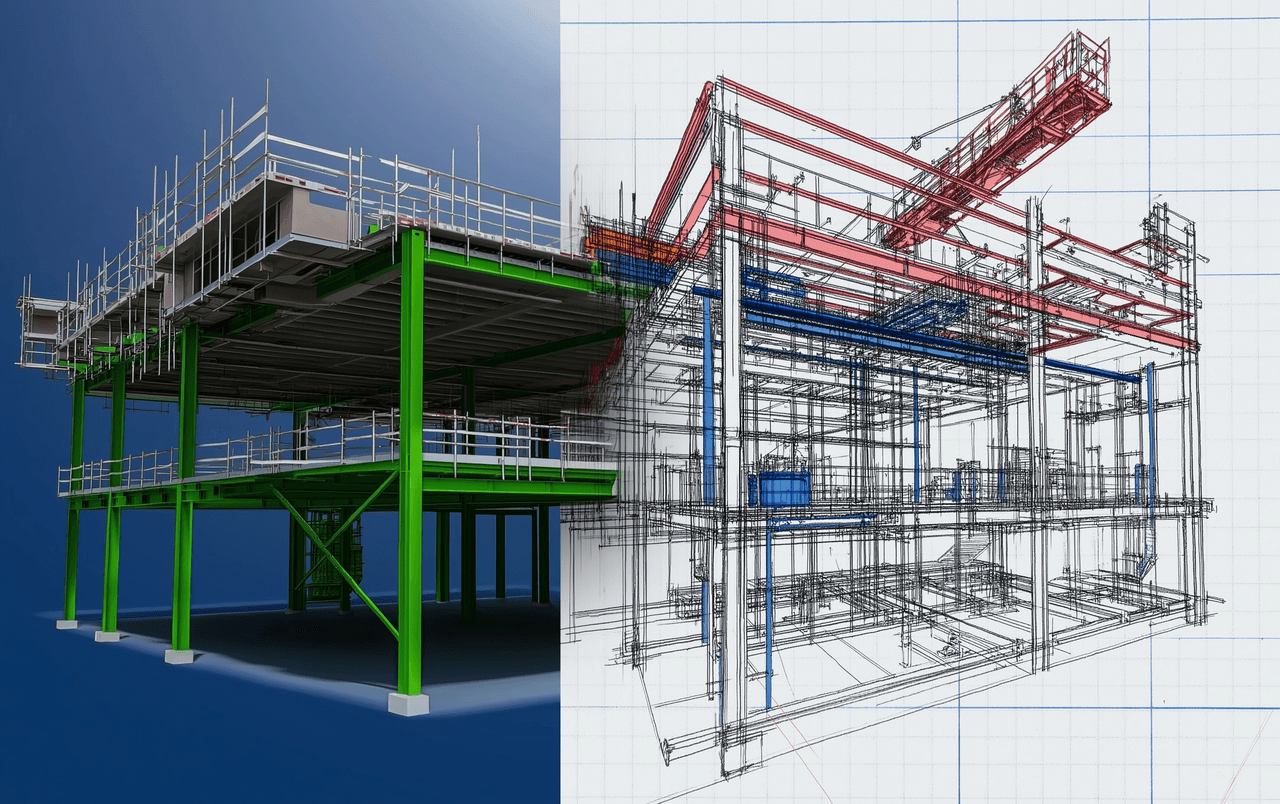
Building Information Modelling (BIM) is revolutionizing the construction industry, optimizing project design, organization, and management. Courtesy of data-rich 3D digital models, this approach enables seamless collaboration between different jobsite professionals, limiting errors and unexpected costs.
But, what are the real advantages of BIM as far as contractors and architects are concerned? How does this technology improve productivity and building sustainability? And, is it on track to become a construction industry must-have?
Discover everything you need to know about BIM, including its specific uses and its impact on the future of the construction industry.
What Is BIM, and Why Is It a Game-Changer for Construction?
Source : Soumission Rénovation
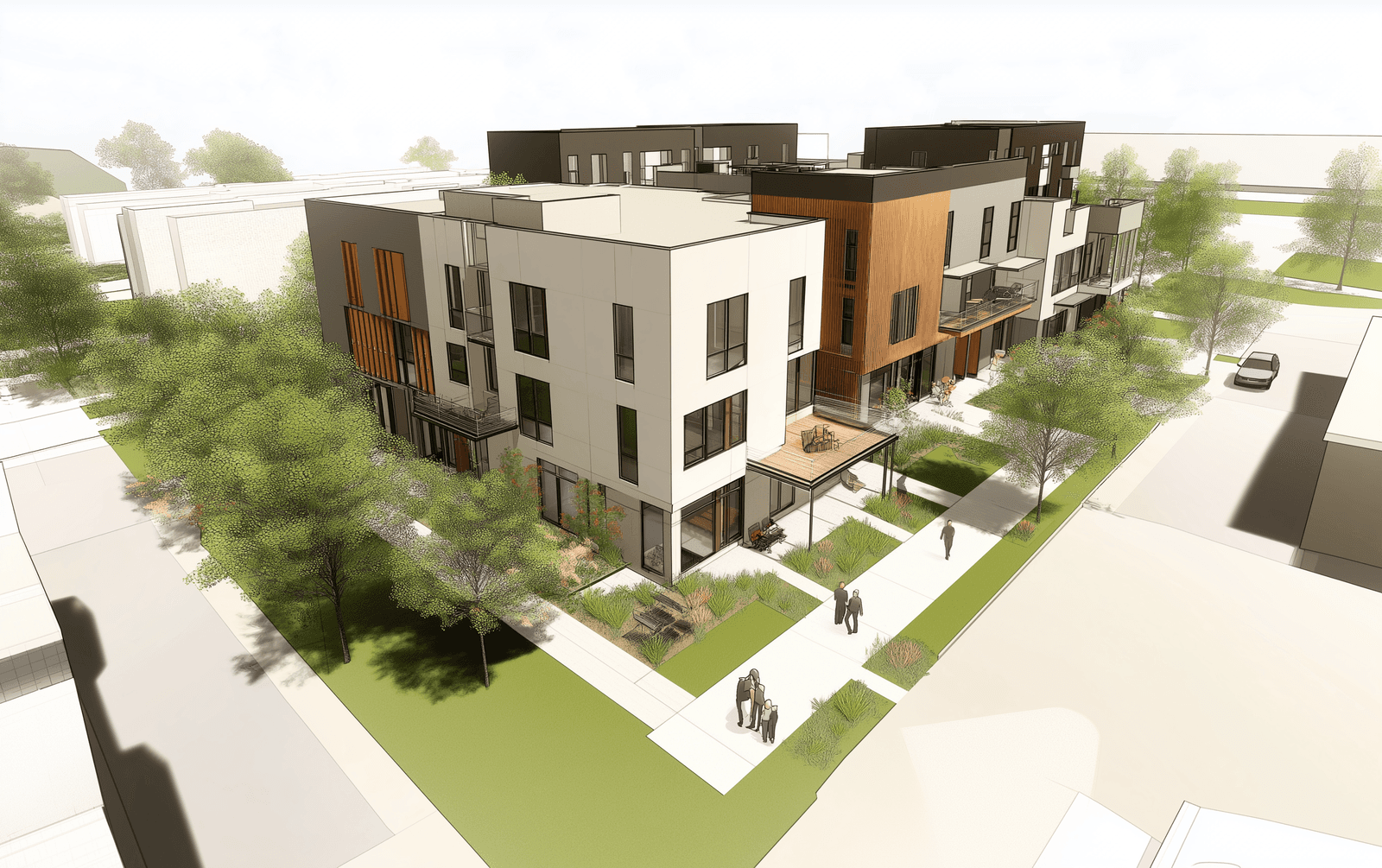
Building Information Modelling (BIM) is a digital process for creating detailed, data-rich 3D models tailored to a project's specific needs.
For contractors, BIM means:
having a real-time, comprehensive view of a project;
facilitating the collaboration with architects, structural engineers, and subcontractors;
minimizing mistakes and corrections; and
having a more accurate cost breakdown and optimized project timelines.
Easily find clients starting today
Get started today and connect with the projects that suit you best!
A More Efficient Way to Manage Jobsites
Using BIM transforms construction project management by providing a clear, detailed view of a jobsite at every stage. Thanks to a digital representation and real-time building information integration, unforeseen events are mitigated, which allows for better jobsite planning and a proactive approach to problem-solving. This translates into a significant decline in overspending, delays, and major hurdles in the construction industry. Moreover, the collaboration between the different stakeholders (architects, engineers, contractors) is improved, limiting mistakes and costly changes as the project unfolds.
A More Accurate Cost Estimate
BIM data allows for more accurate and realistic financial projections from the project’s outset. Thanks to cutting-edge tools, materials, labour, and necessary resources can now be analyzed with fine precision, closing the gap between projected costs and real costs. This approach also facilitates bid management, providing contractors with a reliable database to compare different options and make well-informed decisions. Furthermore, BIM continues to optimize a building’s operation and maintenance post-construction, providing a detailed view of equipment and their respective lifecycles, allowing for long-term savings.
How Does Building Information Modelling (BIM) Work?
Source : Soumission Rénovation
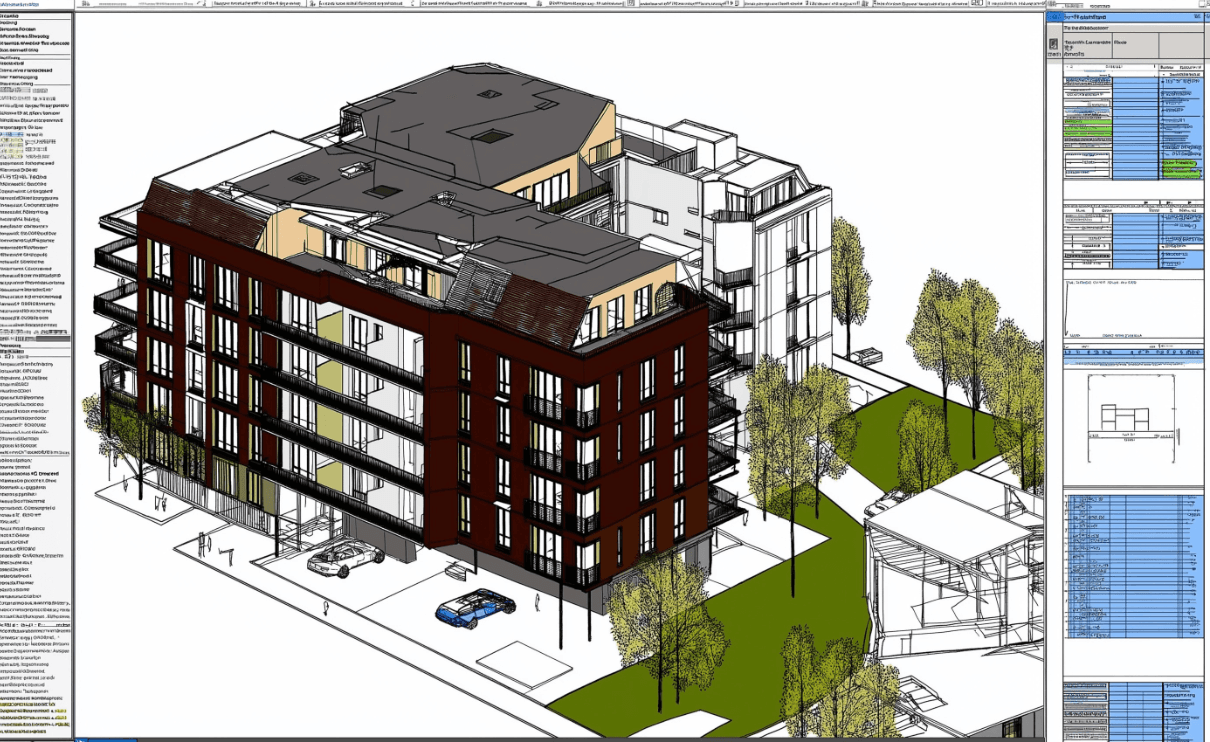
BIM consolidates all project-specific information, from materials to regulatory constraints. It relies on next-generation modelling software (Autodesk Revit, Archicad, AutoCAD), enabling users to create a digital building model through computer-assisted technology, which includes all relevant data. For contractors, it means anticipating problems before the jobsite is impacted.
Information modelling includes several levels of development (LOD), defining the model’s degree of precision. Contractors can use LOD 300 during the detailed design phase and move on to LOD 500 for post-construction management and maintenance.
BIM data are shared via standard formats, such as IFC (Industry Foundation Classes) and BCF (BIM Collaboration Format), guaranteeing software compatibility. It promotes seamless data sharing and efficient project follow-ups.
The future of BIM rests on technological breakthroughs like artificial intelligence, augmented reality, and the Internet of Things (IoT). These tools allow for a greater number of processes to be automated, improving infrastructure management.
What Are BIM Models, and What Does an Efficient Modelling Process Look Like?

Source : Soumission Rénovation
A well-structured BIM process allows for anticipating project-specific challenges and hurdles, maximizing efficiency. Below are the key steps to effective modelling.
1- Data collection and integration
Before breaking ground, gathering and organizing all necessary design and project management data is paramount. Through a thorough gathering of information, users can prevent costly mistakes and unexpected events. These data include:
Blueprints and structural plans depicting a clear vision of the spaces and technical constraints.
Topographic surveys and soil studies to tailor the construction around its current surroundings.
Material characteristics (resistance, costs, potential environmental impact) to ensure compliance and budget optimization.
Current standards and local regulations to ensure the project meets legal requirements from the get-go.
This initial phase structures the project with precision, providing stakeholders with a global view.
2- 3D digital design and coordination
Once the data is integrated, a 3D visualization allows users to preview every aspect of the project and efficiently coordinate with all stakeholders. Thanks to real-time model updates, every tweak or change is immediately shared with all teams, mitigating errors and discrepancies.
BIM integration also allows one to spot technical conflicts before breaking ground, such as plumbing and electrical interferences or unexpected structural constraints. As such, this stage of the modelling process prevents numerous problems on a jobsite and promotes better coordination between contractors, architects, and engineers.
3- Model simulation and validation
One of the greatest advantages of BIM rests in its ability to simulate several scenarios before breaking ground, thereby mitigating the risks associated with design decisions. Some of the conducted analyses include:
Material and structural resistance simulations to ensure the building’s sustainability.
Energy optimization and thermal management to improve energy efficiency and meet environmental standards.
Use of space to maximize comfort and building ergonomics.
Cost and timeline estimates to tailor a project based on the planned budget and schedule.
Through such simulations, users can make well-informed decisions, avoid cost overruns caused by design errors, and ensure that the project meets customer expectations.
BIM Training and Certification: A Must
Source : Soumission Rénovation
Why Invest in BIM Training?
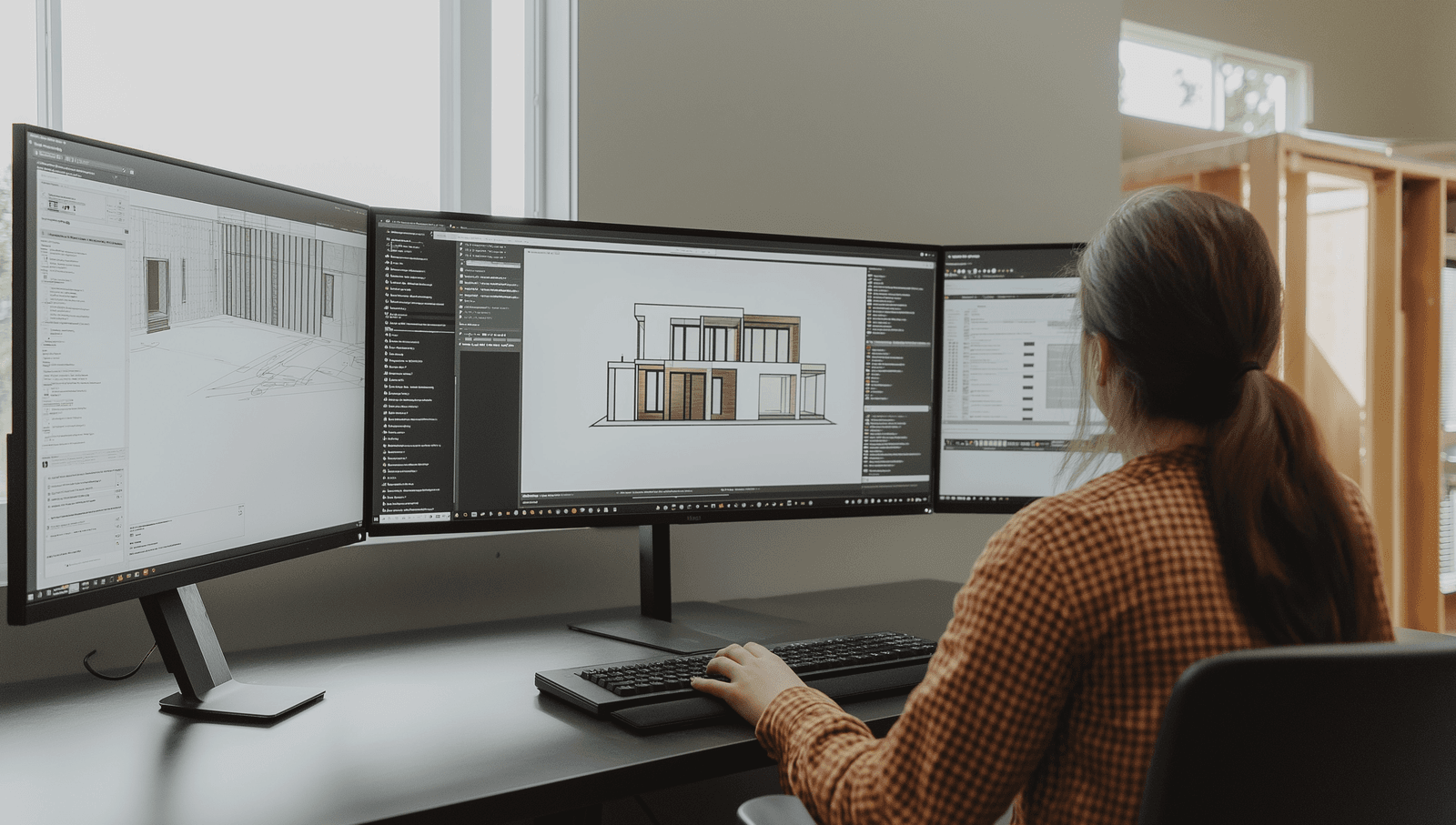
Mastering BIM (Building Information Modelling) has become an essential skill for contractors hoping to maintain their competitive edge in the construction industry. This digital process allows users to improve project management by optimizing planning, coordination, and building processes. More and more projects, especially in the public sector, demand the use of BIM, making this skillset a must-have to meet bid proposals and maximize business profitability.
Architecture, Engineering, and Construction (AEC): Tailored Training
In Quebec, the AEC architecture program is a key learning approach for integrating BIM concepts and tools. Designed for industry professionals, this program covers the use of specialized software, recommended modelling practices, and digital data management during a construction project. Through this training, contractors and construction technicians can sharpen their skills and increase their job market hiring potential.
BIM Software: A Key Driver for the Construction Industry's Future
BIM isn’t an option for contractors anymore, it’s a necessity if they want to keep their competitive edge in an ever-evolving industry. Optimizing design, collaboration, and cost management comes as a significant asset, leading to increased profitability and jobsite quality. Getting trained and using these tools becomes essential to ensure company growth and sustainability.
FAQ About BIM Model & Management Software
What does BIM stand for, and what is its definition?
BIM stands for Building Information Modelling.
What is the purpose of BIM?
BIM, or Building Information Modelling, is a 3D digital representation of a building. It allows construction industry professionals to collaborate efficiently, integrate project-specific data, and create accurate design simulations.
What is the difference between BIM and CAD?
CAD stands for computer-aided design and is used for 2D drafting and 3D modelling to create technical drawings of real-world items. On the other hand, BIM technology revolves around the creation of 3D models, featuring real-time data to help manage a building's lifecycle.
Looking for something else?
Related articles
The latest industry news, interviews, technologies, and resources.

Cynthia Pigeon
•26 Aug 2024
The working world is undergoing radical shifts, and these changes have without a doubt impacted Quebec’s construction and renovation industry.

Editorial Team
•07 Aug 2025
Bringing to fruition an entrepreneurial endeavour doesn’t solely contribute to the province’s employment rate, it's an accomplishment that rewarding on both professional and personal levels. This is all the more true if you’re operating in the construction industry, an all-important sector in Quebec’s economy, encompassing numerous professionals and trade groups.

Editorial Team
•16 Sep 2024
Are you hoping to build a bigenerational home to take care of your elderly parents? Albeit it’s only logical to believe that one will be able to benefit from this cohabitating situation, it’s, nonetheless, a rather large-scale project.

Amanda Harvey
•08 Nov 2023
Scandinavian home decor is all about fostering balance and calm and focusing on light and nature. The Nordic love their homes to have a connection with the outdoors, and this is reflected in their refined style, pairing rustic appeal alongside clean lines and simple silhouettes. In a Scandinavian house, the finer details don’t go unnoticed, so overlooking any aspect of a home renovation project will be obvious.
Editorial Team
•24 Oct 2024
Hot water usage is one of the biggest contributors to household energy bills, especially in Australia where hot water is essential for everyday living. Rising energy costs have made it more important than ever to find ways to reduce hot water expenses, without compromising on comfort. With some simple changes, you can lower your energy consumption and save money.