Calculate the Amount of Paint for Your Project: Complete Guide
By Editorial Team
Updated on August 18, 2025
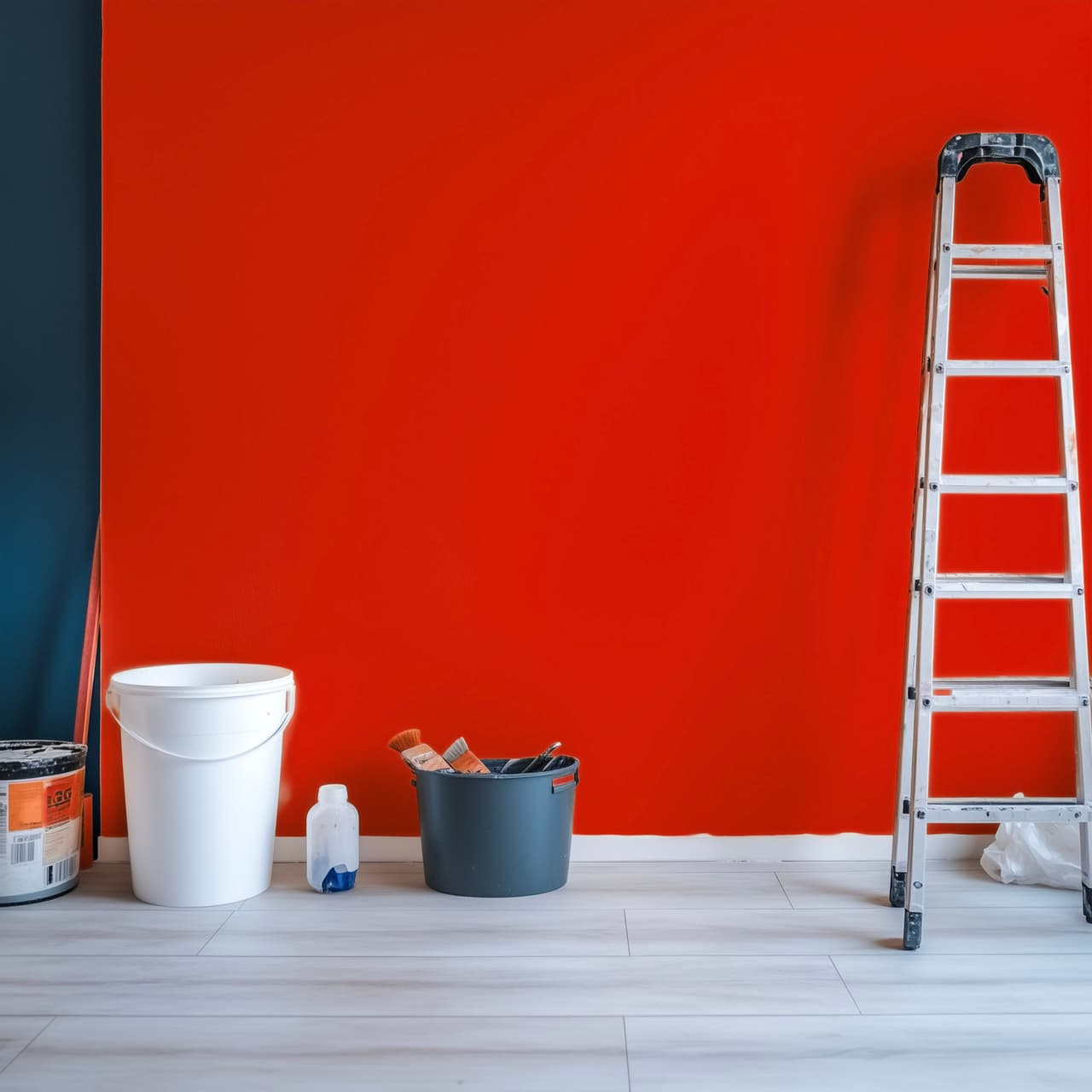
Whether you’re freshening up a bedroom or repainting a façade, painting is one of the most accessible renovation projects. However, a common mistake is buying too much or too little paint. Accurately calculating the required amount allows you to plan your budget, avoid waste, and cut down on trips to the hardware store. This guide will explain how to determine the surface area to be painted, choose the right type of paint, and estimate the number of coats to ensure success.
Why Is It Important to Calculate the Amount of Paint Accurately?
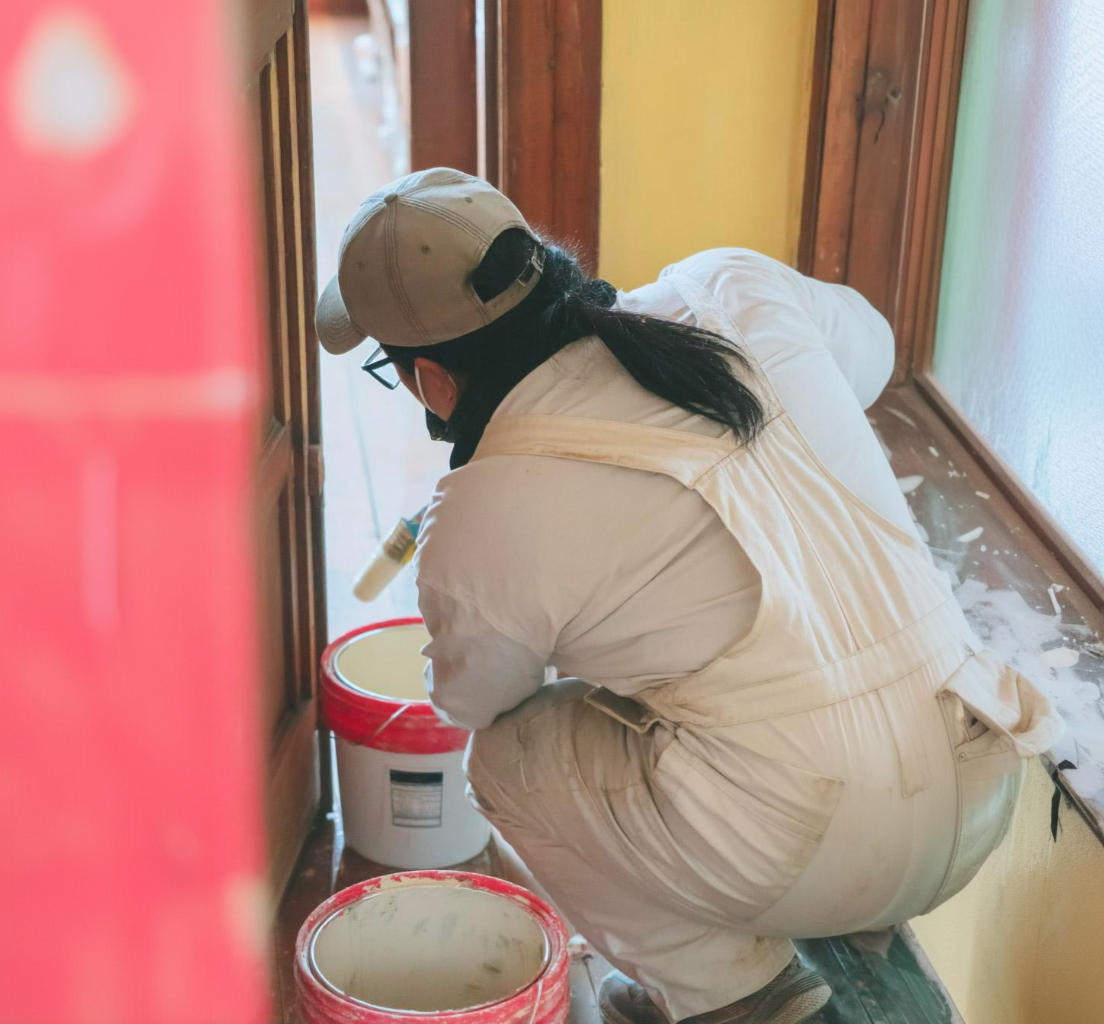
Source : RenoQuotes
Paint is more than just an aesthetic finish. It protects surfaces from wear, moisture, and temperature changes. Buying the right amount prevents you from ending up with useless leftovers or, conversely, having to stop work to buy more. In terms of cost, each gallon represents an investment ranging from $25 to $100 depending on product quality. Accurate calculation also optimizes environmental performance: by using exactly the required amount, you reduce waste and the carbon footprint linked to the production and disposal of paint.
Steps to Evaluate the Surface Area to Be Painted
Measure walls and ceilings: Use a measuring tape to determine the length and height of each surface. Multiply these values to get the area in square feet (or square metres). Go around each room to add up all surfaces to be painted.
Subtract openings: Windows, doors, and cabinets take up space that doesn’t require paint. Measure these openings and subtract their total area from your calculation. This step is essential to avoid buying unnecessary paint.
Account for mouldings and baseboards: If you plan to paint these elements separately, measure their length and multiply by their width. Add this area to your total.
Estimate the necessary coats: Generally, two coats are recommended for a durable, even finish. Dark or porous surfaces may require more. Some high-end paints have better coverage but still need two coats for optimal protection.
Choosing the Right Type of Paint and Number of Coats
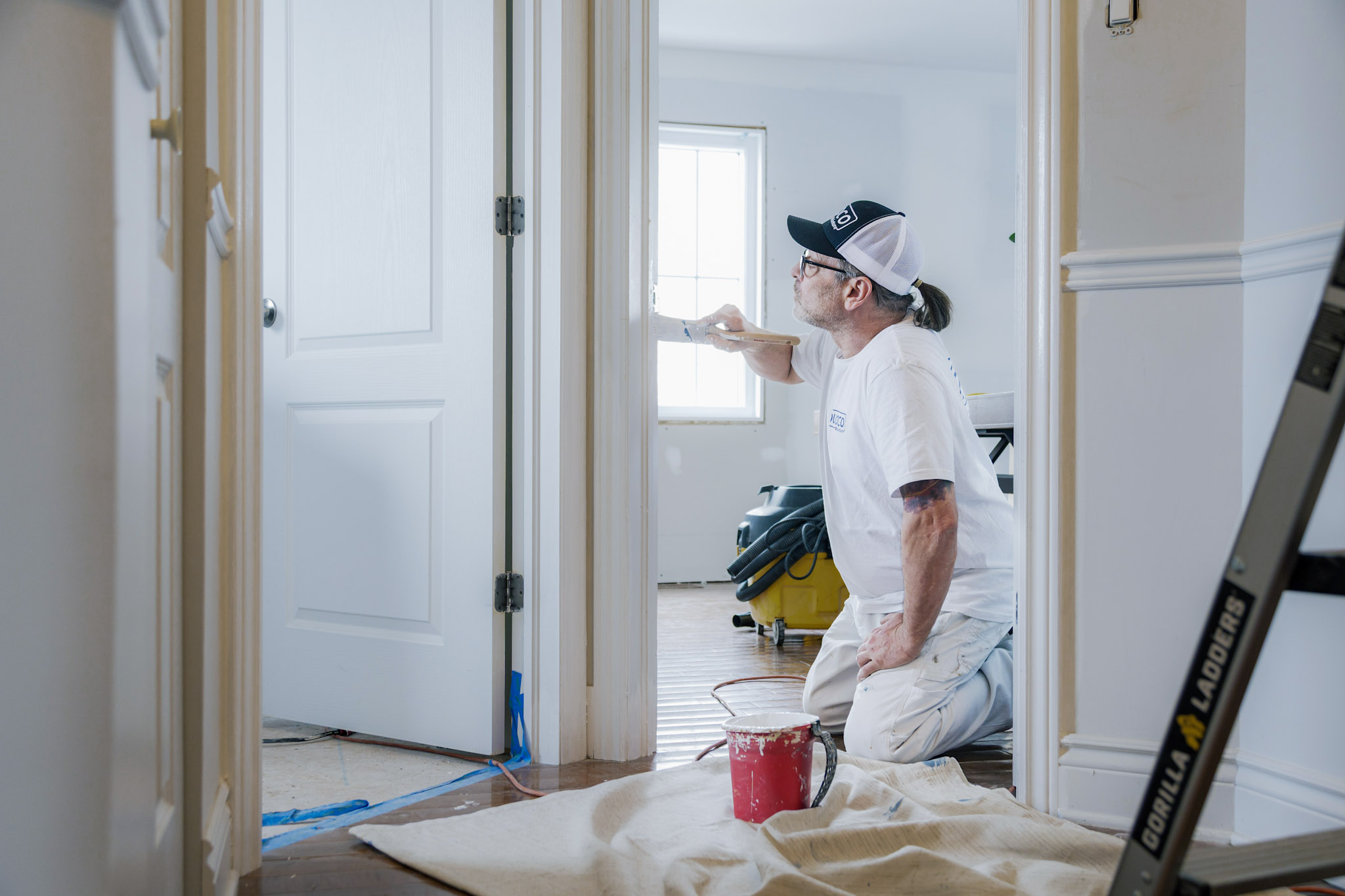
Source : Duoco
Your paint choice influences the amount needed. Main types include:
Latex (acrylic) paint: Ideal for interior walls, dries quickly, and has low odour. One gallon covers about 350 to 400 square feet per coat.
Oil-based paint: More resistant to impacts and moisture, suitable for woodwork and exterior surfaces. Its coverage is similar to latex, but it takes longer to dry.
Hybrid paint (water-based alkyd): Combines the durability of oil paint with the easy maintenance of latex. Generally more expensive but requires fewer coats.
Primer: For new or already stained surfaces, using a primer improves adhesion and reduces the number of finish coats. Some 2-in-1 paints include primer, but for difficult surfaces like plaster or bare concrete, a separate primer is recommended.
To calculate the total amount, divide the surface area by the coverage per gallon indicated on the container (usually 350 sq. ft.). Then multiply by the planned number of coats. For example, for 800 sq. ft. in two coats, you need 800 ÷ 350 × 2 ≈ 4.6 gallons — round up to five gallons to be safe.
Practical Tips to Save Paint and Avoid Waste
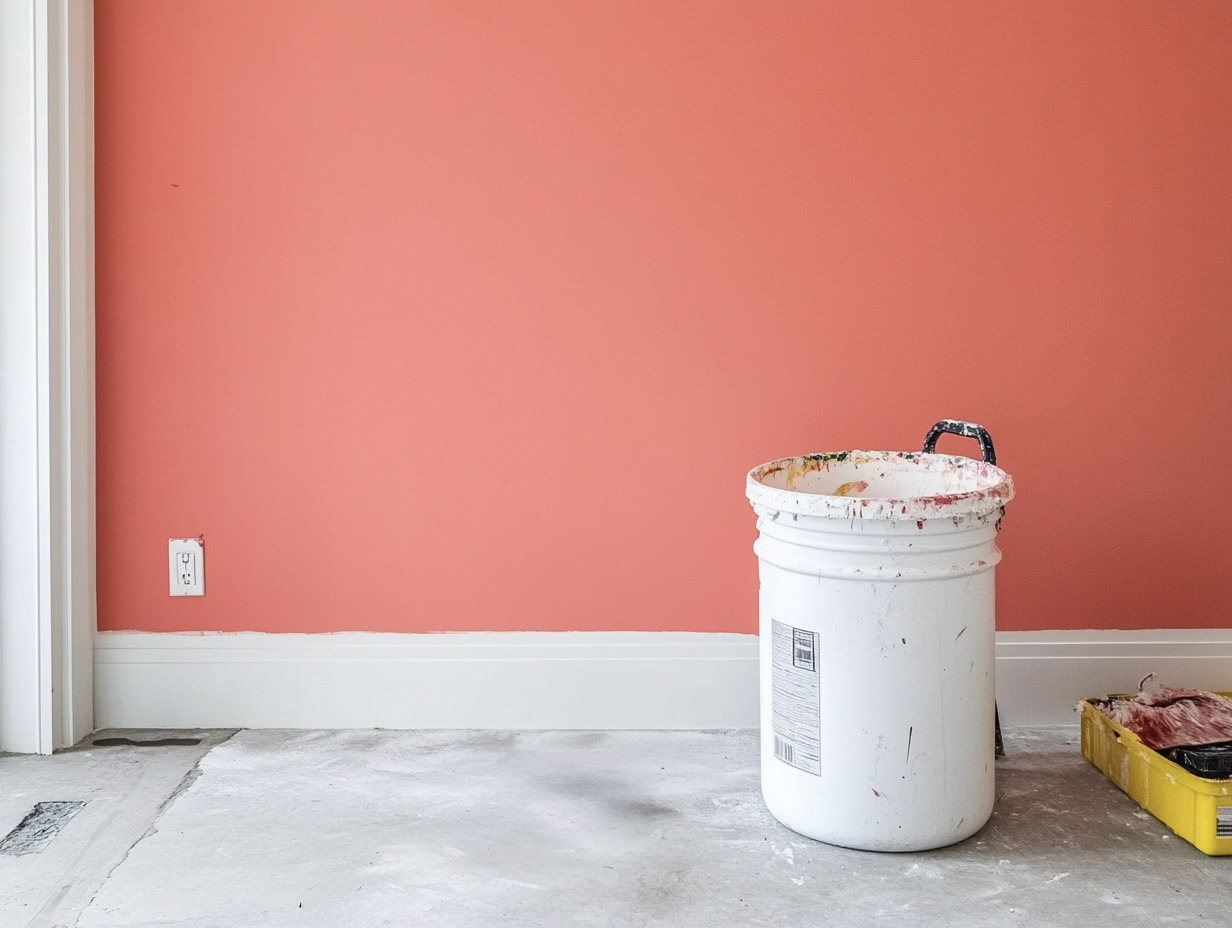
Source : RenoQuotes
Properly prepare surfaces: Wash walls, fill cracks, and sand rough areas. Well-prepared surfaces absorb less paint and need fewer touch-ups.
Use quality tools: A roller suited to the wall texture (short nap for smooth surfaces, long nap for textured ones) and a good-quality brush for corners and edges ensures even application.
Work in sections: Start with edges, then paint the rest in a “W” motion to spread the paint evenly. This method reduces overlap marks and waste.
Store leftover paint: If you have extra, keep it in an airtight container for touch-ups or small future projects. Some municipalities offer collection programs for unused paint, limiting environmental impact.
Frequently Asked Questions
How long can an opened gallon be stored? Latex paints generally last about two years if stored in a cool, frost-free place with the lid tightly closed. Oil-based paints last even longer. Always check the smell and texture before use.
How to adjust the calculation for textured surfaces? Rough surfaces (stucco, brick) absorb more paint. Plan for about 10% extra to compensate.
Should you buy extra paint for touch-ups? Yes. Even with precise calculations, always plan for an extra quart for future touch-ups. The colour of a new can may differ slightly if purchased months later.
Accurately calculating the amount of paint is not just about math — it helps you plan efficiently, save money, and reduce waste. By following the measurement steps and factoring in surface type, paint choice, and number of coats, you’ll achieve a professional finish without unpleasant surprises.
Looking for something else?
Related articles
The latest industry news, interviews, technologies, and resources.
Editorial Team
•16 Jun 2025
Are you looking to learn more about the different types of interior wall covering materials? There are so many different options available that one can easily feel lost when faced with the idea of choosing one over another. In order to help you find the material that best suits your needs and taste, here is an overview :
Editorial Team
•08 Nov 2023
Is the exterior siding of your brick house starting to look a little worn? If the idea of bringing it back to its former beauty by restoring it has crossed your mind, you may have considered painting as an option.
Editorial Team
•08 Nov 2023
Removing stains, paint or discolouration streaks from surfaces can be difficult, especially if they’re quite stuck in. There are plenty of methods and potential solutions on the market for dealing with them. Sandblasting has long been used as a solution to combat set-in stains, or in situations where the paint needs to be stripped from the surface it's on.
Editorial Team
•23 Jul 2025
Choosing the right paint or stain for your deck is key to ensuring its durability and aesthetic. Whether partial to stain or paint, wood or concrete, this buying guide will help you navigate the array of options available. Learn how to prepare your surface and choose the best product to revamp this outdoor space.

Editorial Team
•16 Jan 2026
Reno Quotes announces the results of its annual index, an essential benchmark for understanding the evolution of the Quebec renovation market and anticipating the dynamics that will mark the coming year.