Ceramic Flooring in a Home: Pros and Cons | Renovation Quotes
By Léa Plourde-Archer
Updated on July 27, 2026
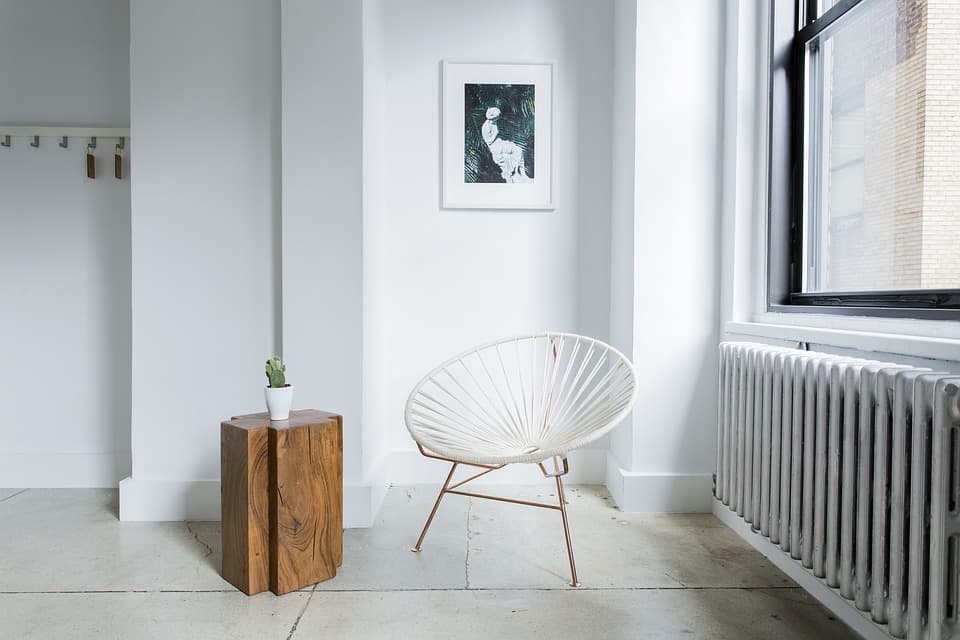
Ceramic and porcelain flooring hold numerous advantages. In addition to being exceptionally durable and water-resistant, tile requires very little routine maintenance and can significantly increase a home’s resale value. Beyond floor surfaces, ceramic is versatile enough to serve as a stylish wall covering in bathrooms or a decorative backsplash over kitchen countertops.
Different sizes, textures, patterns, and colors are available on the market. In order to pick the right option, you must consider the size of the room, as well as the level of foot traffic it will receive. The physical durability of a tile is determined by its PEI (Porcelain Enamel Institute) rating, which measures surface glaze resistance—not its color. High-traffic areas like hallways and kitchens require higher PEI ratings to resist wear, whereas lower-rated or high-gloss dark tiles can be used safely on walls or low-traffic areas. Keep in mind that while bold colors (such as deep blues or reds) are just as structurally strong as neutrals, glossy dark finishes may make fine surface dust or minor scratches more visible over time.
Finally, during the buying process, it is standard practice to purchase 10% to 15% extra tiles beyond your total calculated square footage. Even though ceramic is a resilient material, an accidental drop of a heavy object can crack or chip a tile over its lifetime. By keeping spare "attic stock" from your original purchase, you guarantee a seamless repair later. Tile manufacturers constantly update collections and dye lots vary by batch, so stocking up early prevents a frustrating search for matching replacements years down the road.

Flooring: an important part of a room's decor
As mentioned previously, ceramic and porcelain tiles are available in a vast array of patterns, shades, and formats, making the floor a central design element in any home. With thoughtful planning, you can choose layouts that elevate your space, including classic high-contrast designs like the iconic black-and-white checkerboard pattern.
For a warm, rustic aesthetic, terracotta is a timeless option. Its rich, earthy tones bring natural warmth to kitchen floors, especially when paired with decorative accent tiles or marble borders. However, because terracotta is an unglazed, porous clay, it requires proper sealing to protect against moisture and food stains in kitchen environments. Additionally, when combining different materials like marble and terracotta, ensure your installer accounts for variations in tile thickness and uses a pH-neutral cleaner safe for both stone and clay.
Finally, a popular trend in modern interior design is using large-format tiles—even in smaller spaces. Minimizing the number of grout lines creates a seamless, continuous look that visually expands small rooms, making them feel significantly larger and less cluttered.

Ceramic flooring: how much does it cost?
Prices for ceramic and porcelain tiles vary significantly based on material quality, manufacturing, and design complexity. In the Canadian market, basic standard tiles generally range from $2 to $9 per square foot, while specialty or intricate mosaic tiles can cost $10 to $30+ per square foot. When planning your project budget, remember to factor in professional installation labour, which typically adds $7 to $15 per square foot for standard floor layouts.
However, ceramic is an extremely durable product requiring minimal long-term maintenance, saving you from frequent repair or replacement expenses. When shopping, ask your supplier about the tile's PEI rating (wear resistance) and density. High-density porcelain tiles are fired at higher temperatures during manufacturing, making them denser, less porous, and more resistant to heavy foot traffic than basic ceramic options. Asking your sales associate for these specifications will help you choose the right material for your space and budget.
Finally, ceramic tile is the ideal flooring choice if you plan to install an electric or hydronic radiant floor heating system. Because ceramic and porcelain are excellent thermal conductors, they distribute heat quickly and evenly across the room. This transforms what is naturally a cool surface underfoot into a comfortable, warm floor during cold Canadian winters—one of the biggest perks of choosing tile!
Looking for something else?
Related articles
The latest industry news, interviews, technologies, and resources.
Editorial Team
•04 Feb 2025
Taking the leap and investing several thousand dollars in a renovation comes with its fair share of worries, especially with regard to the contractor hired to manage the project. If you hire the wrong person, you're likely to find yourself amid a serious mistake that will cost you both time and money to make go away.
Editorial Team
•08 Nov 2023
The floors of the foyer are easily the most beat up thanks to our harsh Canadian winters that have us tracking slush and mud inside. Since this is the room used to remove boots, shoes and other outerwear, it is important to make sure the life of your floors is extended as long as possible.
Cynthia Pigeon
•17 Apr 2026
In 2026, wall soundproofing in a Canadian condo typically costs between $15 and $25 per square foot, including labour and specialized materials. For materials alone, expect to pay between $1 and $10 per sq. ft. An effective system usually combines mineral wool insulation, resilient channels, and acoustic drywall (around $40 per sheet). Beyond comfort, soundproofing can also increase your property’s resale value by achieving a higher STC (Sound Transmission Class) than the minimum building code requirements.
Amanda Harvey
•08 Nov 2023
Renovation and remodelling projects aren’t the cheapest ventures. Not only do they take time and effort, but they can also leave your home in a state of unrest.
Editorial Team
•21 May 2026
Curious if concrete floors can be painted or coloured, or if they're compatible with an underfloor heating system? Wondering if a DIY concrete floor installation is achievable or best left with the pros? And, what type of contractor should you hire for the job? This article covers all these questions and more, offering valuable insights to help you decide whether concrete flooring is the right option for your home or business.