How to check the status of a water heater
By Editorial Team
Updated on November 8, 2023
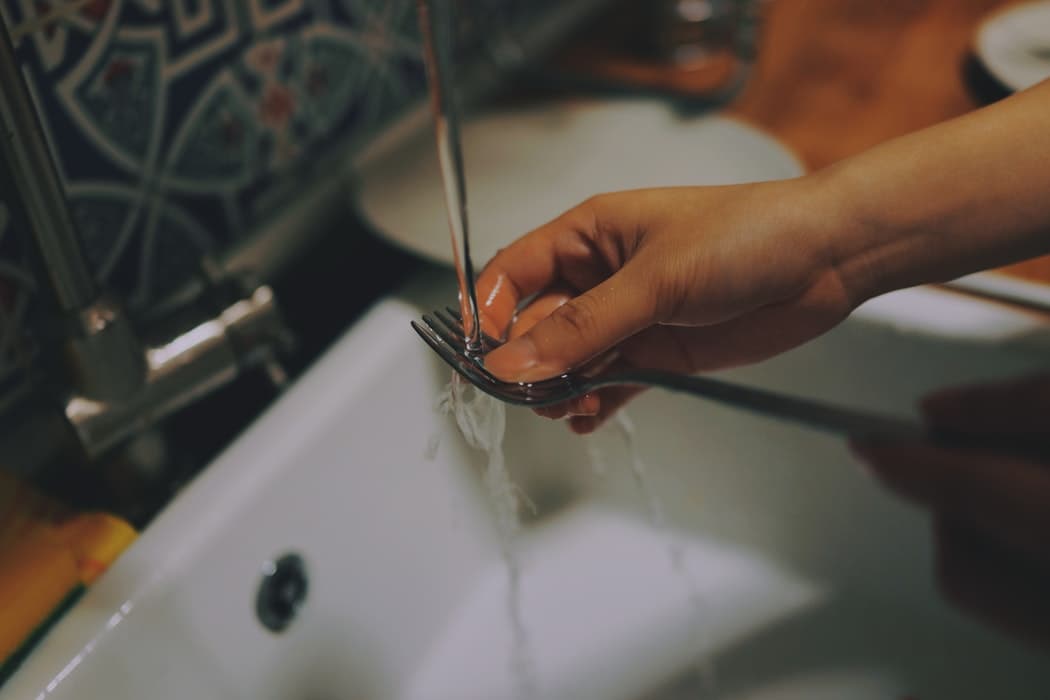
During the cold winter months, having a water heater that operates correctly is integral to staying warm. There are plenty of ways to increase the efficiency of a water heater, but the key is knowing how to check its status.
It’s impossible to know if your water heater is functioning well if you blindly walk into the job. The benefits of understanding and caring for your water heater should be clear, but we’re here to let you know the concrete way to check its status.
Here’s how to check the status of your water heater
Flushing your water heater: is it necessary?

source: unsplash
Now, we recognize that it’s impossible to see the inside of your water tank. However, if you could peer inside your tank you would likely see calcium settling at the bottom of your tank. This naturally occurring process will depend on the hardness of the water in your area and will appear as gritty and muddy sediment. There are many issues that can arise out of a sediment buildup. The main problem to focus on would be that this sediment creates a barrier between the heat source at the bottom of your water tank and the water that needs to be heated.
Unfortunately, this barrier does exactly what you might think and works against the tank, forcing it to put in extra energy to heat up the water. Further, this hard work breaks down the energy of the water tank's floor. These things working in tandem may lead to the bottom of your tank deteriorating and eventually, collapsing. How can this be avoided? Well, we’re recommending that you regularly drain your tank to avoid sediment buildup and to keep it in good working order.
How to drain a hot water tank
Electric water tank
If your water heater is electric and is it fed by your municipality's water system, then there is no need to regularly flush the tank. This is because it likely won't have much effect on the longevity of the tank itself. However, if your water tank is connected to an on-site system, then it is recommended that you flush the tank.
This is because wells and home systems may begin to provide poor-quality water. It’s important to start the routine of draining your water heater in the early years of its installation in your home. If you wait until much later in the lifespan of the water heater, chances are flushing the tank can actually do more damage than good.
Flushing procedure

source: unsplash
Here are the step-by-step instructions for flushing out your water heater:
Start by turning off the electric power to the water heater. This can be done by turning off the switch on your circuit breaker or on the water heater itself. Next, shut off the valve that allows cold water to find its way into the tank, commonly referred to as the ''cold water inlet valve''. Following this, open a hot-water tap which will allow air to find its way into the tank.
In some instances, it will be necessary for you to use a garden hose and connect it to the drain valve at the bottom of your tank. An excessive amount of water may find its way through this, and therefore the other end of the hose will need to be put into a drain, bathtub or pointing towards a safe space outside of your house.
Since this is a hot water tank, it is important to remember that there is a risk of being scalded. To avoid this, you’ll need to let water escape gradually by opening the drain valve until it has emptied out completely. Another draining method is to let the water completely cool before draining the tank. Once the tank has drained completely, re-open the cold-water inlet valve.
Make sure water is able to run out at full pressure for several minutes to completely flush out deposits at the bottom of the tank. When you notice that the running water is completely clear, close the drain valve. Now you can refill the tank up, and you’ll know it’s complete when the water begins to run out of the hot water tap, as this indicates that air has been evacuated from the tank. Now you can close the hot water tap and turn your power back on!
Make sure to perform routine flushing, and stay on top of other important maintenance tasks as well. One of these is inspecting the anti-corrosion rod to make sure it’s in good working order. This can be completed by looking at the state of the rod, which is typically coated with magnesium and suspended vertically inside of the tank.
The rod is in place specifically to corrode and release pieces of itself into the tank. This works to stop the walls of the tank from doing so. If the rod has dissolved up to a point of half its diameter or less, or if you see any part of its steel core, it needs to be replaced.
Taking a vacation?
If you are planning a vacation in the near future, it’s recommended that you shut off your cold-water inlet valve as well as the power supply of electricity to your water heater. However, do not drain the tank before leaving, as a hot water heater can never be left empty.
It’s also important to note that cold water lines should be flushed when you return home from vacation, and this can be done by letting all of the taps run cold. Following this, turn the power to the water heater back on!
Get 3 renovation quotes for your water tank renovation project
RenoQuotes.com can help you get quotes for your water tank renovation project. By submitting your project to us, we’ll put you in contact with top-rated contractors. Fill in the form on the homepage (it only takes a few minutes), and you will get estimates from trusted professionals.
Dial 1-844 828-1588 to speak with one of our customer service representatives
Looking for something else?
Related articles
The latest industry news, interviews, technologies, and resources.

Cynthia Pigeon
•08 Nov 2023
Quebec’s weather can really put a damper on the integrity of homes, and at times, it may appear as though the walls of your home are “sweating”. However, this phenomenon can also be indicative of a larger problem.
Editorial Team
•17 Feb 2025
Kitchen cabinets can be the centrepiece of the space, and beautiful, well-designed ones will make a huge difference in both the layout and feel of the room. Custom kitchen cabinets are an excellent way to add a unique element to your home as well as increasing the resale value.

Amanda Harvey
•09 Jul 2026
Water infiltrations into your basement can be caused by a wide variety of things. These can include heavy rainfall on the building's envelope, poorly sealed windows, doors and exterior walls as well as storm sewers backing up.

Amanda Harvey
•13 Aug 2025
The arrival of spring often brings its share of cleaning tasks, such as cleaning windows, for example. Both long and tedious, the process of cleaning window after window can be a moment of pure boredom that is hard to get through, even with good background music playing.

Editorial Team
•04 Dec 2025
Roofing scams are becoming more common in Toronto, with more homeowners targeted by fraudulent contractors—especially in areas like Scarborough and Etobicoke. Aging homes, frequent storms, and a busy real estate market make residents easy targets after severe weather.