Concrete Crack Repair: Epoxy or Polyurethane?
By Léa Plourde-Archer
Updated on November 8, 2023
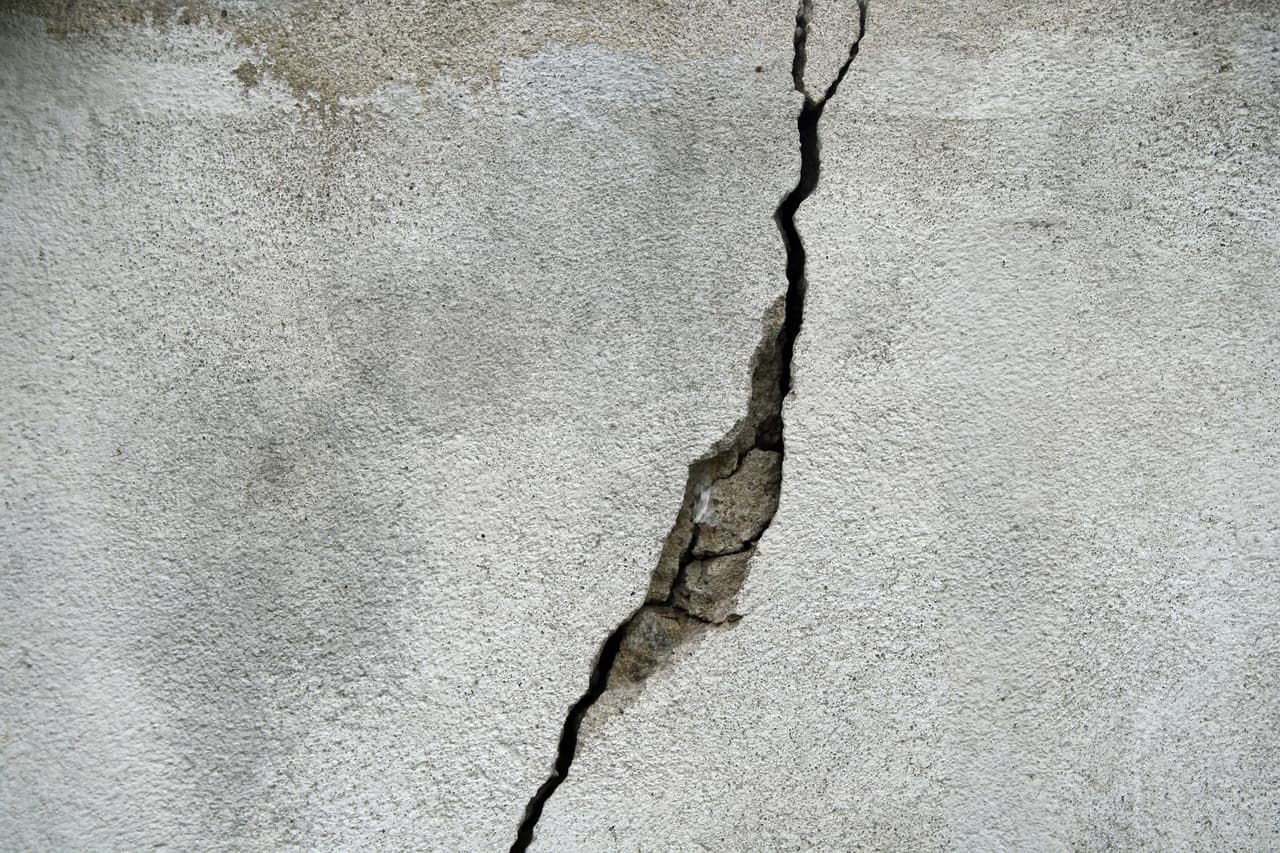
Concrete is known for being a solid, durable material that can be maintained over time. It is the most used material for solid foundations and for major projects such as bridges and viaducts. Over time, it has proven itself as an essential building material.
Even though it is very strong and durable, concrete may occasionally crack and this is one of the signs that your foundation could need repairing. Fortunately, if there is a crack in a concrete structure in and around your home, this issue is quite easy to fix.
The two most common products used for this purpose are epoxy and polyurethane foam. Let's take a look at the characteristics of the two concrete surface repair products to define which would be the most appropriate for your case.
Fixing concrete cracks: the products that are available
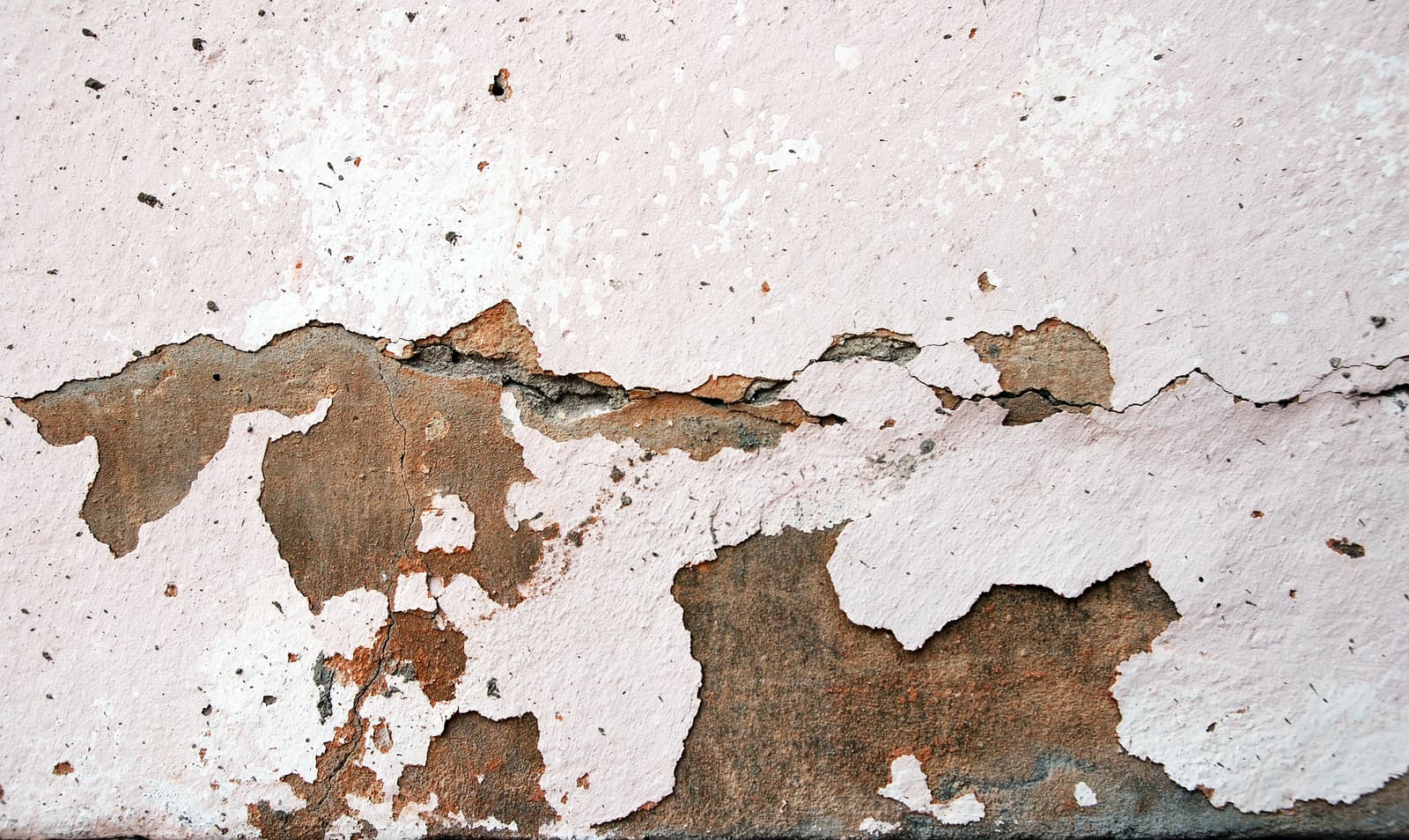
Source: Freeimages
Epoxy
Epoxy polymer, more commonly known as epoxy, is an adhesive product used in a wide array of industries (electronic equipment, flooring or on cars and household appliances for its anti-corrosion properties).
Of course, the reason why we are mentioning it in this article is that it can also be used to seal concrete cracks. It works by welding the cracks together, which restores the structural integrity of the concrete.
It offers excellent adhesion to concrete and its lifespan can exceed thirty years under the best conditions. Its drying time can vary from three to six days.
However, it is not UV resistant and will fade over time if applied outdoors. If it is used to restore an exterior structure that you want to keep aesthetically pleasing without having to paint it afterwards, epoxy may not be the best choice.
Also, epoxy is not flexible and does not tolerate the natural movements of a structure, which is something to consider, since residential foundations are known to move slightly over time and more specifically during freezing and thawing cycles.
If you are wondering about how quickly a foundation issue should be addressed, check out our article How to determine if a foundation problem is urgent.
Polyurethane
Like epoxy, polyurethane is not only used as a repair material for concrete cracks. Being a plastic material that can be either rigid or flexible, it serves all kinds of purposes and is used to make tires, shoe soles and certain sportswear.
As for its use for sealing concrete cracks, its adhesion level is good. After it is inserted into a crack, the product inflates and has the ability to work deeply. Once the patching is complete, it dries in two to four days.
Polyurethane-based foam is more often preferred for work aimed at repairing residential foundations because the main aspect that differentiates it from epoxy is its strong flexibility. Indeed, it can support foundation movements, whereas epoxy won't support it as well. Its movement allowance is more or less 25%.
This product can be used both outdoors and indoors and is also an effective solution for waterproofing cracks in concrete, as polyurethane is hydrophilic, meaning it reacts when it comes in contact with water. and becomes waterproof.
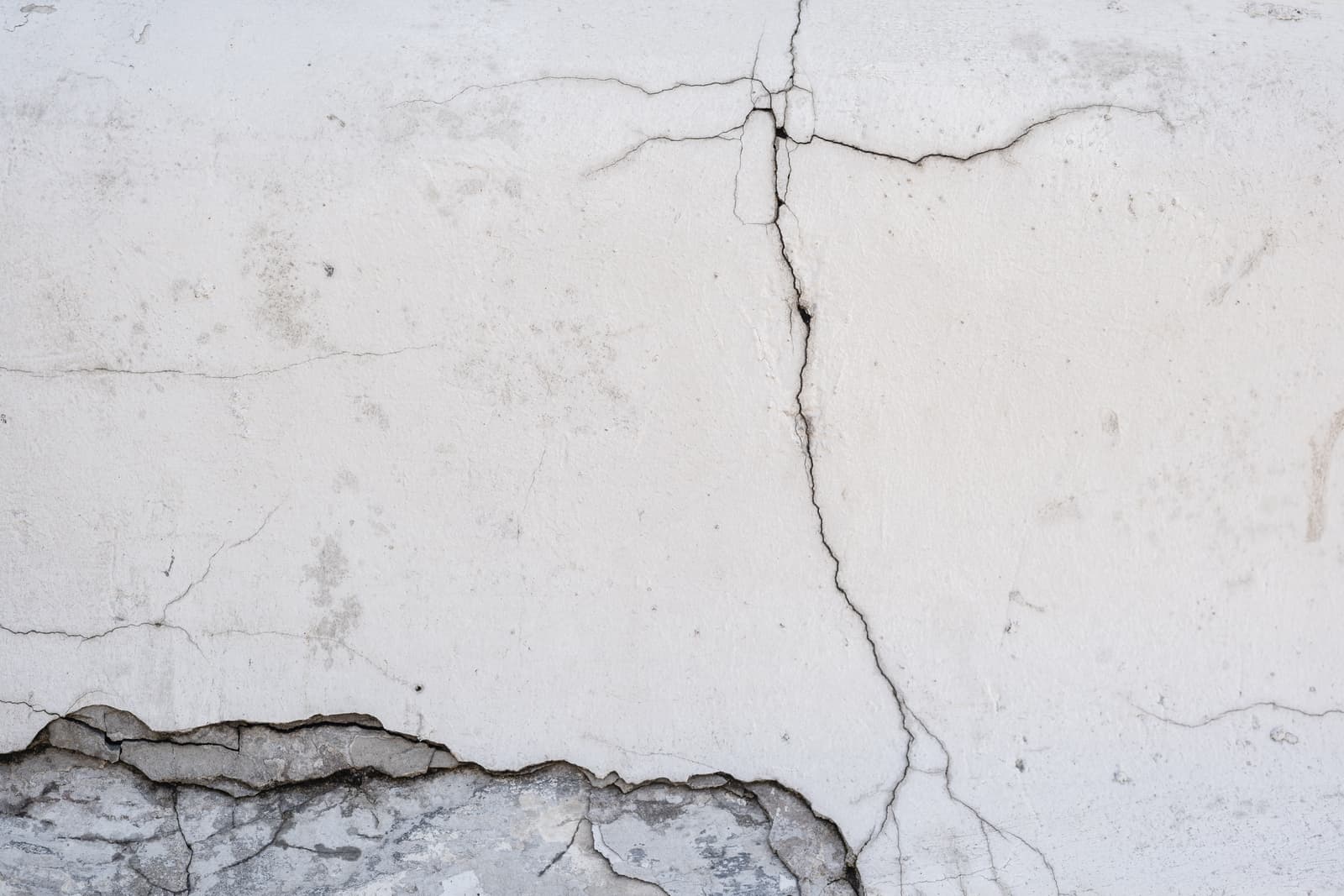
Source: Pexels
Polyurethane or epoxy: which one should I choose?
Polyurethane is used primarily for residential foundations because it is easy to apply and actively works on cracks that may be humid. Epoxy is a good product, but you'll have to use it in the proper way to repair foundation cracks.
Regardless of which product you end up choosing, always refer to its technical datasheet to find out the ideal application temperature, as this varies from one product to another. Considering that this aspect will influence how effective the product is, this is no small consideration!
A few notes about polyurethane and epoxy
Even though these products are safe to use for a renovation that you want to carry out yourself, don't forget that they are still made with chemicals that can give off a strong odour during their mixing and/or application.
Be sure to work in a room that you can air out as much as possible while working. If this is not possible, leave the room after the work is completed and do not actively occupy it for at least a few hours.
Recap
This table will help you remember the aspects covered in this article to help you make the best choice for your concrete crack repair project:
Material | Summary of properties |
Epoxy |
|
Polyurethane |
|
Get 3 renovation quotes for your foundation issues!
RenoQuotes.com can help you get quotes for your foundation renovation. We have a network of home renovation specialists that will be glad to find the proper solution for your particular situation.
Dial 1-844 828-1588 to speak with one of our customer service representatives
Looking for something else?
Related articles
The latest industry news, interviews, technologies, and resources.
Editorial Team
•11 Mar 2026
Are you second-guessing the quality of the air you’re breathing in but have no idea how to fix the situation? Rest assured, this article details everything you should know about cleaning your home’s ventilation ducts.

Editorial Team
•20 Aug 2026
A small backyard or patio doesn't rule out an outdoor kitchen. With the right layout and a few space-conscious choices, even 60 to 100 square feet can hold a grill, sink, storage, and enough counter space to actually cook a meal outside. The trick is picking a configuration and feature set that fits your footprint instead of trying to shrink a full-sized design.

Editorial Team
•08 Nov 2023
The sets of your favourite films can sometimes serve as an inspiration to transform your interior decor. Whether a period piece, a 1960s inspired environment or a more modern layout, there is always room to draw inspiration from these much-loved stories.

Editorial Team
•16 Nov 2023
As a homeowner, it can feel like our schedule is filled with boring maintenance tasks. Sometimes it can even become a kind of insurmountable mountain that we’ll tend to avoid by cutting corners or simply ignoring what needs to be done.

Editorial Team
•07 May 2026
Electric underfloor heating systems, also known as radiant underfloor heating, are a modern and efficient solution, appealing to an ever-increasing number of homeowners. Why? Because these systems allow heat to spread evenly from the ground up, eliminating drafts and providing unparalleled thermal comfort.