How Much Does Renovation Construction Insurance Cost in Canada?
By Cynthia Pigeon
Updated on June 18, 2026

Undertaking a home renovation project is exciting, but it also comes with financial and logistical risks. Whether you're updating your kitchen, adding a second storey, or taking on a full self-build project, changing the structure or value of your home can affect your insurance coverage. Across Canada, homeowners must also contend with regional weather risks, from freeze-thaw cycles and heavy rainfall to windstorms and flooding, making adequate insurance coverage essential to protect their investment.
Many homeowners mistakenly believe their standard home insurance policy automatically covers accidents or damage that occur during renovations. This misconception can be costly. Under the terms of most home insurance policies in Canada, policyholders are required to notify their insurer of any material change in risk. Significant renovation work often qualifies as such a change. If you fail to disclose your renovations, your insurer may reduce your settlement or even deny a claim if a loss occurs during construction.
To protect your investment without exceeding your renovation budget, it's important to understand how renovation insurance premiums are calculated and which coverage options are available across Canada.
How Much Does Insurance Cost Depending on the Scope of Your Renovation?

Source: RenoQuotes
The cost of your insurance will differ significantly depending on whether you're simply replacing kitchen countertops or removing a load-bearing wall to create an open-concept layout. Insurers classify renovation projects according to their level of risk and the impact they have on the home's replacement value.
To give you a general idea of the costs involved, here's a summary of typical insurance solutions and estimated premium ranges for different types of renovation projects across Canada.
Type of Renovation | Insurance Solution | Estimated Cost |
Minor renovations (cosmetic work, finishes) | Notify your insurer and adjust your existing coverage if necessary | $50 to $250 (Depending on the insurer and the scope of the project, minor renovations may result in no additional premium or only a modest temporary increase.) |
Major renovations (additions, complete plumbing or electrical upgrades) | Temporary policy endorsement | $150 to $500 (In some cases, a temporary endorsement is sufficient, while other insurers may require a separate Builder's Risk policy.) |
Self-build or complete reconstruction | Comprehensive Builder's Risk insurance policy | Premiums are often estimated at approximately 0.5% to 1% of the insured project value, although they vary between insurers. |
Minor Renovations: A Small Adjustment to Your Home Insurance
Source: H&L Complete Flooring
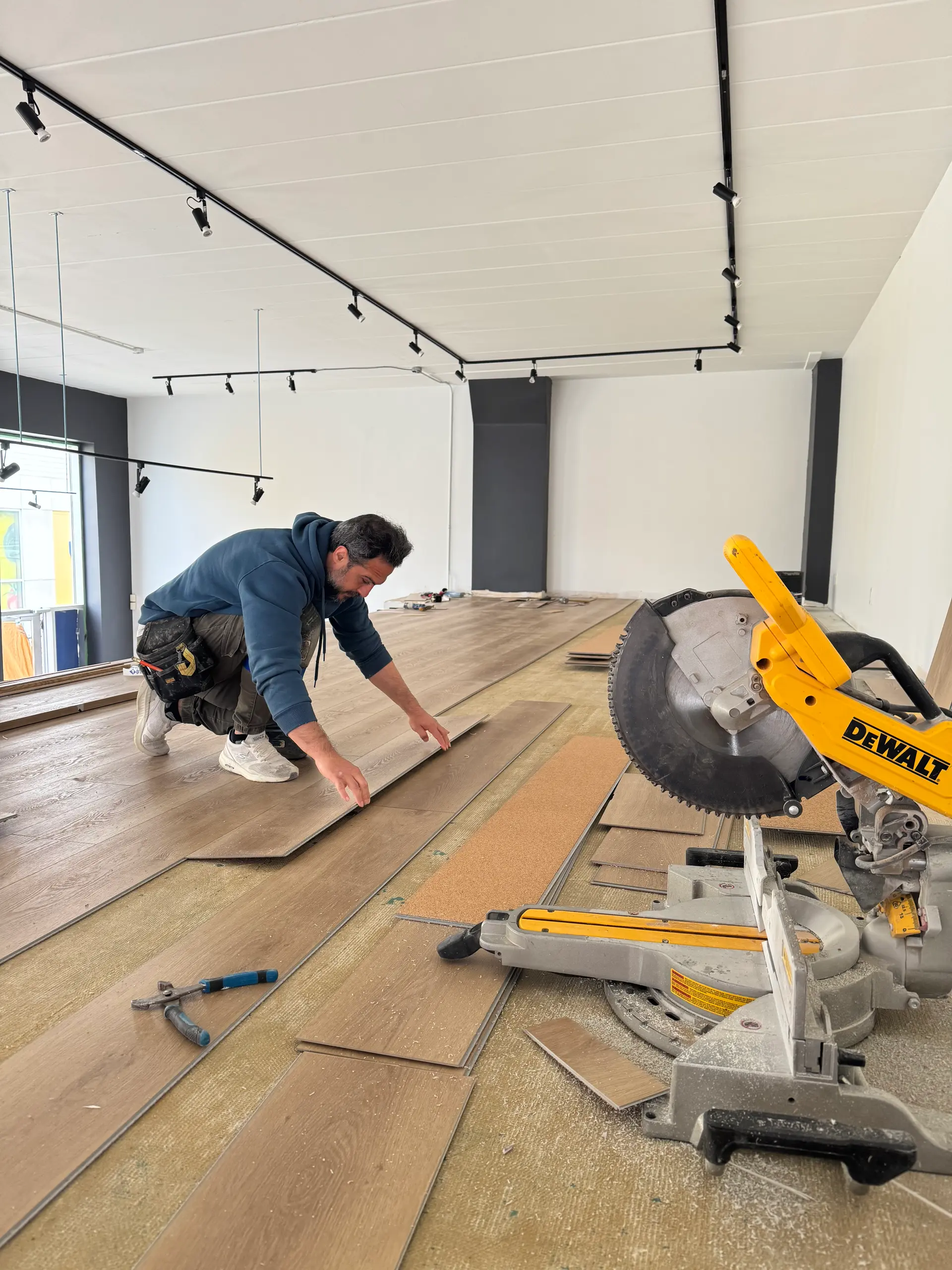
If your renovation work is limited to cosmetic improvements, such as painting, replacing flooring, or updating cabinetry, the structural risks remain relatively low. In many cases, simply notifying your insurer is sufficient.
Depending on your insurer and the nature of the work, updating your policy may result in no additional premium or only a modest temporary increase. This adjustment reflects the temporary increase in risk associated with the project and any construction materials stored on your property. Keeping your insurer informed also helps ensure your personal liability coverage remains fully in effect throughout the renovation.
Major Renovations: The Cost of a Temporary Insurance Endorsement
Once renovations involve structural modifications, complete electrical upgrades, plumbing replacement, or additions such as a garage or sunroom, the level of risk increases significantly. For example, a roof left temporarily exposed during a summer storm can result in substantial water damage within minutes.
For projects of this nature, your insurer may add a temporary endorsement to your existing home insurance policy or require a separate insurance solution specifically designed for construction projects. This endorsement temporarily extends your coverage to include risks associated with the renovation work. The cost generally ranges from $150 to $500, depending on the expected duration of the project and its complexity. If the project runs longer than expected, you should notify your insurer to determine whether the coverage needs to be extended or modified.
Comprehensive Builder's Risk Insurance for Self-Build Projects
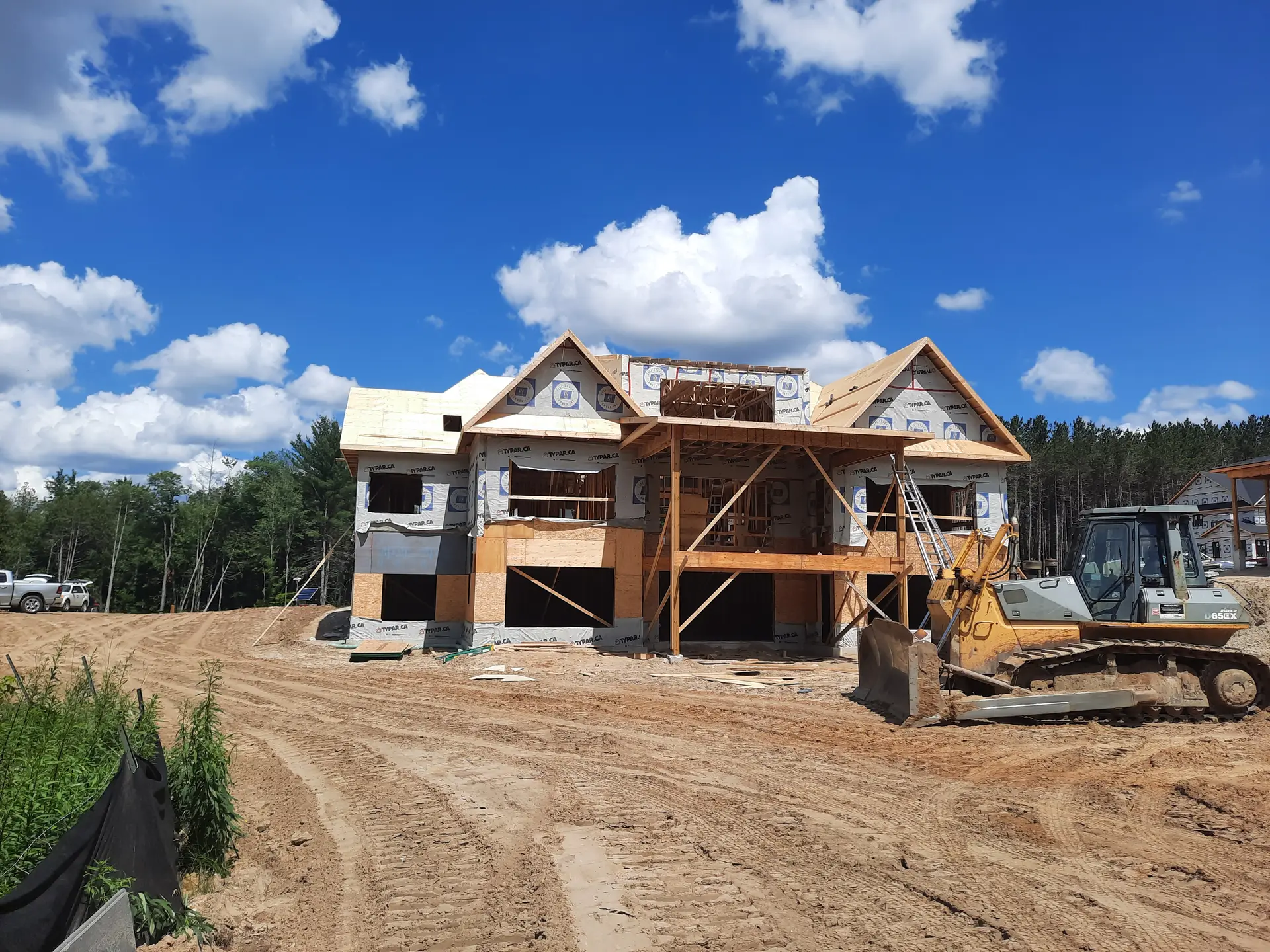
Self-building carries one of the highest levels of risk from both an insurance and financing perspective. If you act as your own general contractor, you assume responsibility for site safety, coordinating trades, and protecting building materials throughout construction.
In these situations, a simple policy endorsement is no longer sufficient. You'll typically need a comprehensive Builder's Risk insurance policy (also commonly referred to as Course of Construction insurance). This specialized coverage protects the structure under construction against fire, vandalism, theft of building materials, and weather-related damage.
Premiums are often estimated at approximately 0.5% to 1% of the insured value of the project, although they vary depending on the insurer, the length of construction, the type of building, and the level of coverage selected. For example:
For a renovation or construction project valued at $150,000, the Builder's Risk insurance premium may range from $750 to $1,500.
For a larger project valued at $400,000, you should budget approximately $2,000 to $4,000 for insurance.
Many lenders require proof of appropriate construction insurance before releasing funds for major renovation or construction financing.
What Factors Affect the Cost of Your Construction Insurance Premium?
Source: KC Renovation
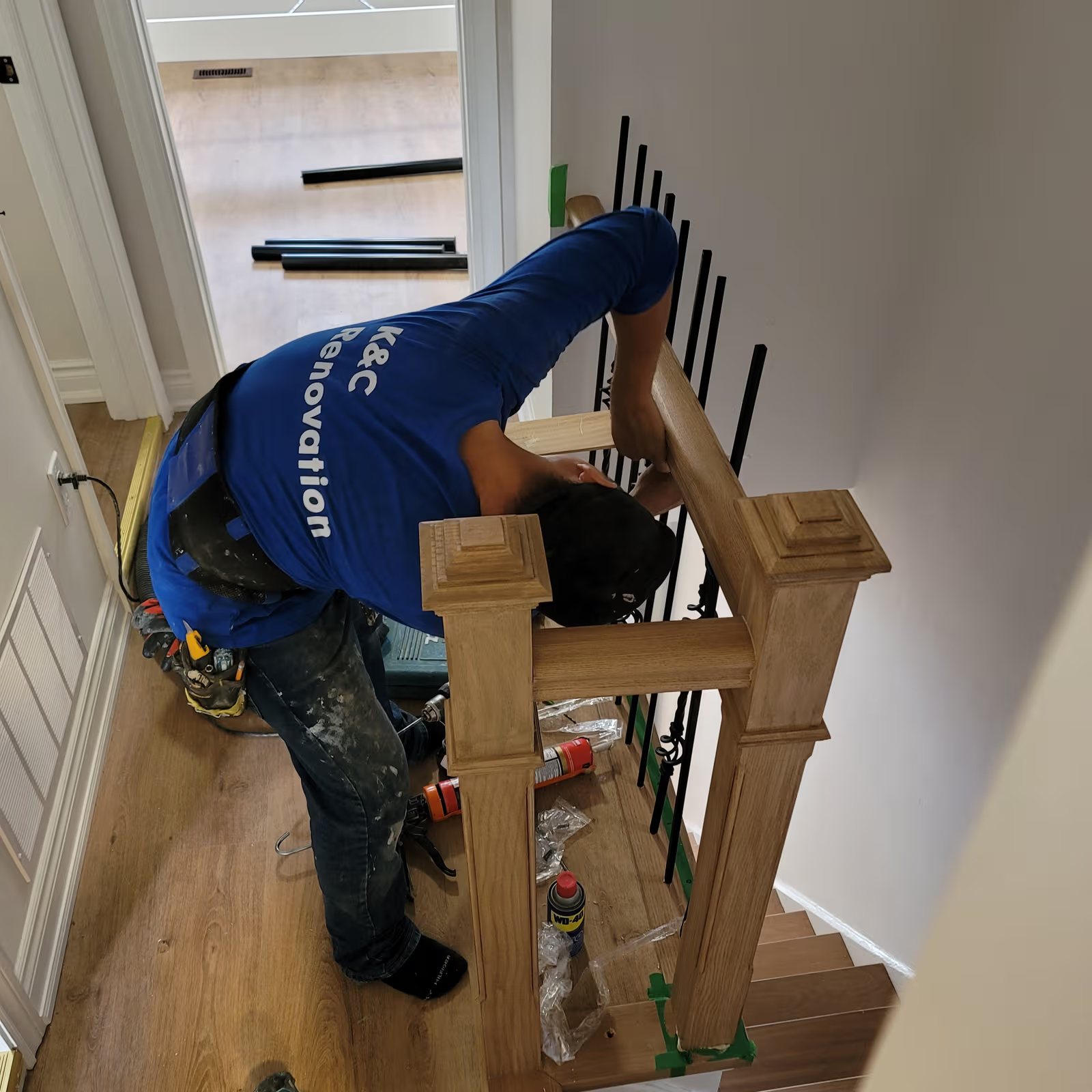
Construction insurance premiums are not determined at random. Insurers assess several factors to estimate the likelihood of a claim during your renovation project.
Total value of the renovation: The more money invested in the project, the greater the potential financial loss if the property is damaged by fire or another insured event.
Current reconstruction costs: Across Canada, the cost of construction materials and skilled labour has fluctuated significantly in recent years. Insurers consider current replacement costs when determining the amount of insurance required. To avoid being underinsured, it is wise to estimate your renovation costs as accurately as possible before speaking with your insurer.
Vacancy during renovations: If major renovations require you to move out temporarily, your home may be considered vacant. Vacant properties face a higher risk of theft, vandalism, and undetected water damage. Some insurers may require regular inspections, a monitored alarm system, or other protective measures, all of which can affect your premium.
Project duration: A renovation lasting six months generally presents more opportunities for claims than a project completed over a few weekends.
Property Location: Factors such as proximity to a fire station, local crime rates, and year-round accessibility can also influence insurance premiums.
How Can You Verify Your Contractor's Insurance Coverage?
The cost and effectiveness of your own insurance are closely tied to the qualifications and insurance carried by the contractor performing the work. If you hire a professional, they should carry their own insurance coverage. Their policy serves as the first line of protection if they cause damage or injury during the project, helping reduce the likelihood that you will need to file a claim under your own policy.
Before signing a contract or paying a deposit, you should verify several important details.
Business licensing: Contractors must meet the licensing or registration requirements applicable in their province or territory. Before hiring anyone, verify that they are properly licensed or registered where required and that they are authorized to perform the type of work involved. Hiring an unlicensed contractor can complicate insurance claims, limit available legal remedies, and prompt your insurer to reassess your coverage or policy conditions.
Commercial general liability insurance: Ask your contractor to provide proof of Commercial General Liability (CGL) insurance. Coverage of at least $2 million is commonly recommended for residential renovation contractors, although the appropriate amount may vary depending on the scope of the project, client requirements, and insurer recommendations.
Using a contractor referral service that screens participating contractors can also reduce the risk of hiring someone who does not meet applicable licensing or insurance requirements.
Practical Ways to Reduce the Cost of Construction Insurance
Source: BCS Construction
Proper insurance is a necessary part of any renovation budget, but there are several ways to help minimize the overall cost.
Shop around: Don't automatically accept the first quote from your current insurer. Pricing varies considerably between insurance companies. An independent insurance broker can compare multiple insurers to help you find coverage that best suits your renovation project.
Bundle your policies: Combining your home, auto, and construction insurance with the same provider may qualify you for multi-policy discounts.
Secure the construction site: Insurers generally consider risk mitigation measures when assessing a project. Installing temporary fencing, motion-activated lighting, or smart water shut-off valves with leak detectors demonstrates that you're taking reasonable precautions. While these measures do not guarantee a lower premium, some insurers may factor them into their underwriting decisions.
Increase your deductible: Raising your deductible from $500 to $1,000 or $2,500 during the renovation may reduce your insurance premium. Just make sure you have sufficient emergency savings available if you need to file a claim.
Compare contractor quotes before jumpstarting: Obtaining multiple estimates for your renovation project helps you control overall project costs while choosing qualified professionals. In some cases, reducing the total insured value of the project may also lower your insurance premium.
Taking the time to properly plan your insurance before the first hammer swings is one of the best ways to protect your investment, avoid costly surprises, and complete your renovation with confidence.
Looking for something else?
Related articles
The latest industry news, interviews, technologies, and resources.

Editorial Team
•04 Nov 2025
When it comes to the different components of a roof, most are familiar with and recognize the importance of fascias, soffits, or flashings, but what about drip edges?

Editorial Team
•08 Nov 2023
Looking to change your kitchen countertop? To achieve the desired result, thoroughly follow a series of well-defined steps. Without further ado, here's how to install your kitchen countertop just like a professional.

Editorial Team
•08 Nov 2023
If you’re lucky enough to have a deck or an outdoor space of some kind adjacent to your home, you also know, without a doubt, that it’s a huge responsibility. While a deck is a super-valued and sought-after commodity, it can also quickly turn into a thing of pure chaos.

Editorial Team
•14 May 2026
Have you purchased an old house with an equally aged structure? Despite completing renovation work over the years, odds are, your household plumbing pipes are still exposed. So, the question is, how can you make exposed piping aesthetically pleasing? Here are seven hacks to conceal your plumbing pipes or, at least, make them a little more visually appealing.

Editorial Team
•13 Apr 2026
You can’t just decide to call yourself a mason on a whim, since techniques like formwork are difficult to master, even for professionals. However, with the right masonry tools, available at hand in your toolbox, some jobs can be done independently.