Cost to Build a Detached Garage in Canada in 2026: Prices, Options and Budget
By Cynthia Pigeon
Updated on April 30, 2026
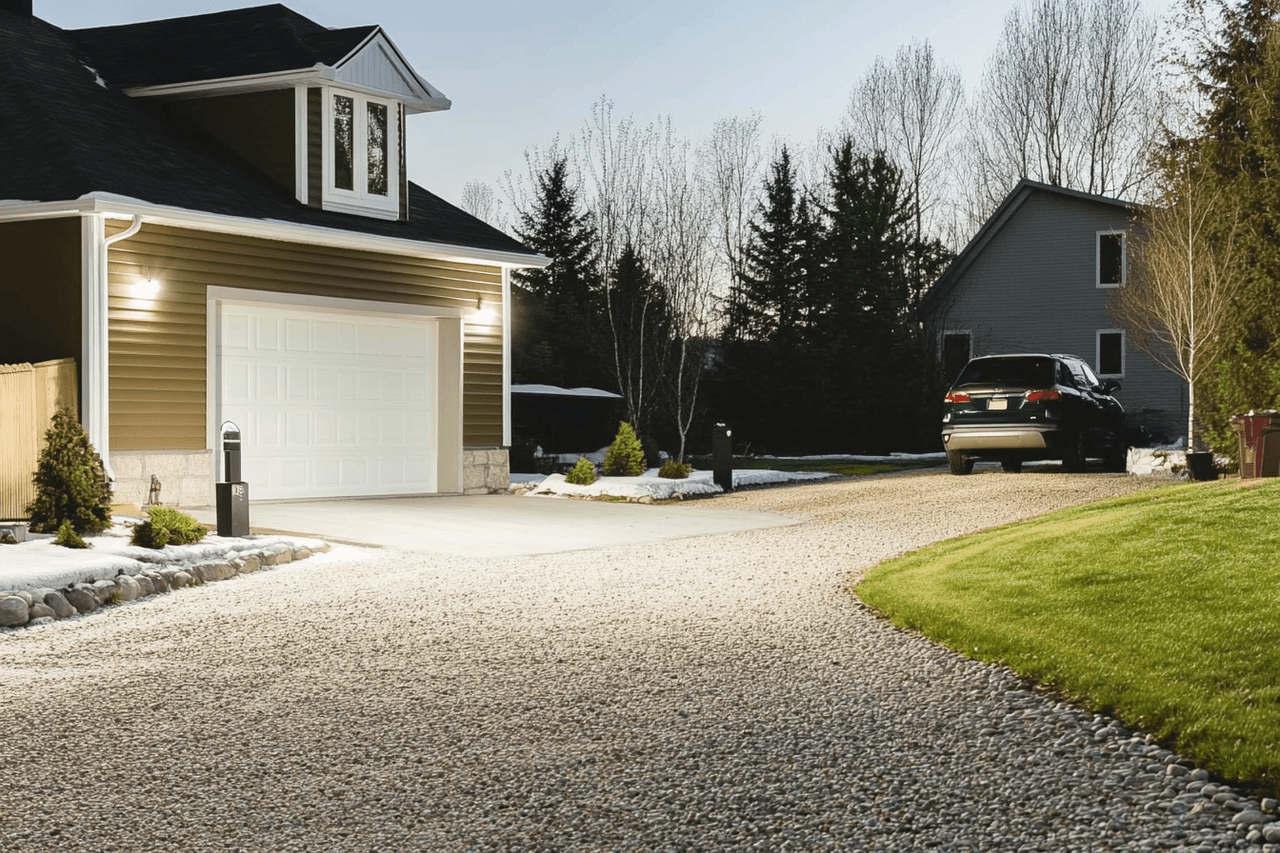
In 2026, the cost of building a detached garage in Canada typically ranges from $35 to $65 per square foot for a traditional wood-frame structure, and $12 to $25 per square foot for prefabricated models. For a standard single garage, expect a total budget between $30,000 and $55,000, including the concrete slab and basic electrical installation. Costs vary depending on materials, municipal permit fees, and local building code requirements.
How Much Does It Cost to Build a Detached Garage in Canada in 2026?
Source: RenoQuotes
Adding a detached garage is one of the most popular home improvement projects across Canada. Whether you want to protect your vehicle from harsh winters, create a workshop, or simply gain storage space, it represents a significant investment. While material costs have stabilized somewhat in 2026, skilled labour and regulatory requirements continue to drive overall pricing.
Building a garage isn’t just about aesthetics—it’s about managing moisture, freeze-thaw cycles, and complying with strict building codes. This guide outlines the real costs to help you plan your budget effectively and complete your project successfully.
Factors That Influence the Cost of Your Garage
Source: RenoQuotes
Several variables can significantly impact your final cost. Understanding them early will help you avoid surprises when requesting quotes.
Size and Configuration
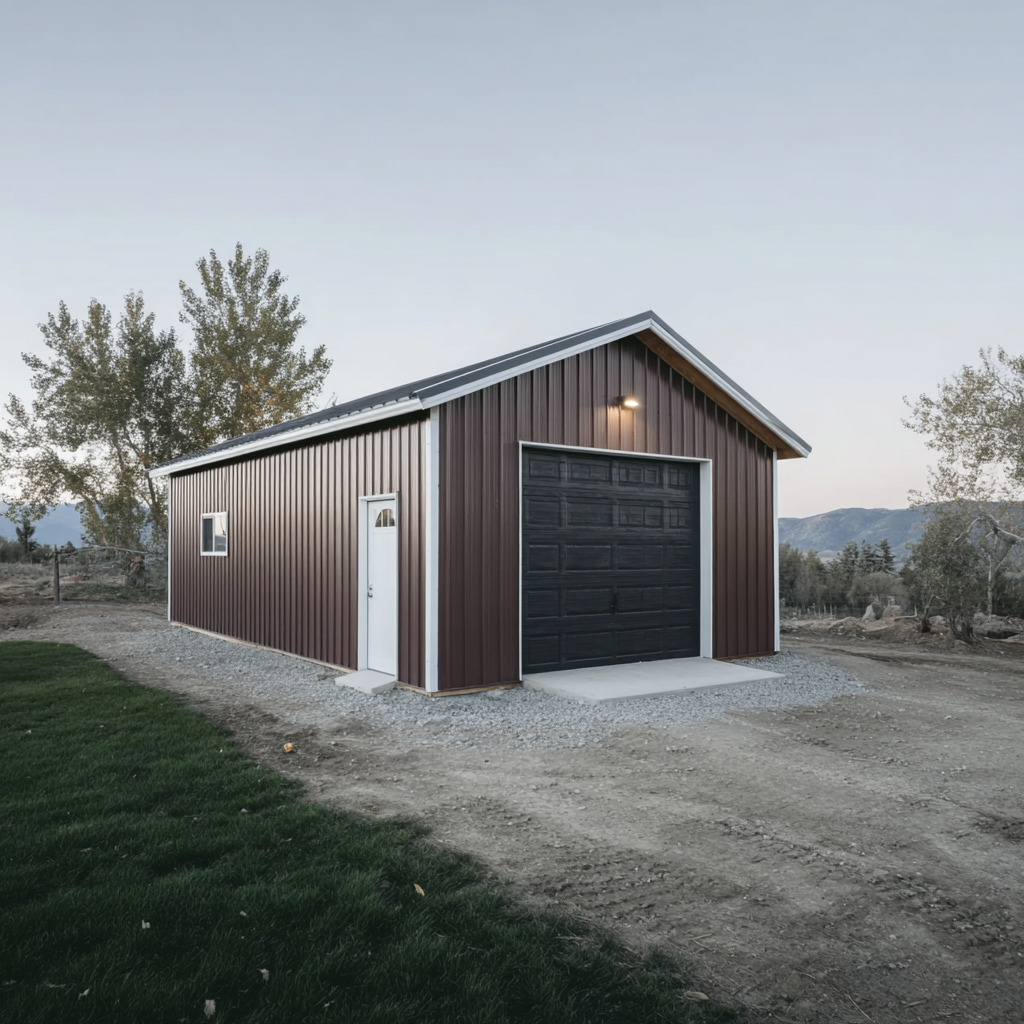
Unsurprisingly, size is the primary cost driver. A single garage (around 12' x 24') requires fewer materials, but fixed costs like permits and excavation still apply. A double garage (20' x 24' or larger) often offers better value per square foot.
Material Selection
Exterior finishes play a major role in pricing. Vinyl siding remains the most affordable option, while engineered wood (like CanExel), brick, or stone increase both material and installation costs. Similarly, asphalt shingles are more economical than standing seam metal roofing, which is increasingly popular for its durability in Canadian climates.
Insulation and Interior Finishing
An uninsulated “cold” garage is significantly cheaper. However, if you plan to use the space year-round, insulating walls and ceilings—and adding a heating system (often an electric unit heater)—can add several thousand dollars to the project.
Site Conditions
Excavation can quickly increase costs. Rocky soil or complex drainage requirements for snowmelt and groundwater management will require additional preparation work.
Cost Per Square Foot: Wood vs Prefabricated Garage
Choosing between a custom-built garage and a prefabricated model depends on your budget and intended use.
Type of Structure | Average Cost per Square Foot (2026) | Advantages |
Wood Frame (Standard Construction) | $45–$80 (structure); $80–$150 total | Customizable, durable, better insulation |
Prefabricated (Wood/Metal) | $12–$25 | Fast installation (1–2 weeks), cost-effective |
Metal Garage (Arch/Dome Style) | $10–$18 | Very affordable, quick assembly (1–3 days) |
Wood Frame Garage (Standard Construction)
Source: Construction Gintech
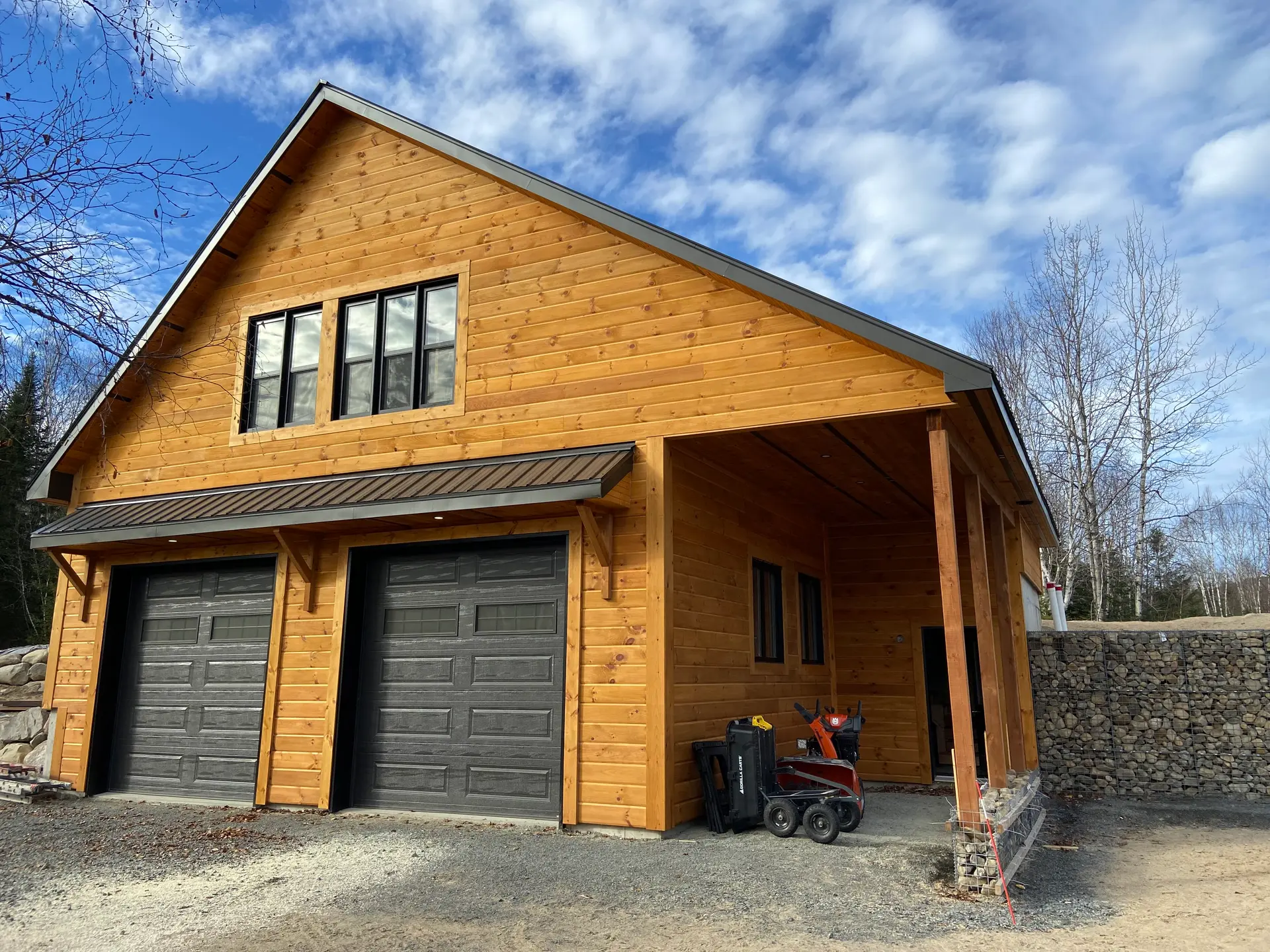
Traditional wood-frame construction remains the preferred option for homeowners looking for durability and seamless integration with their home’s architecture.
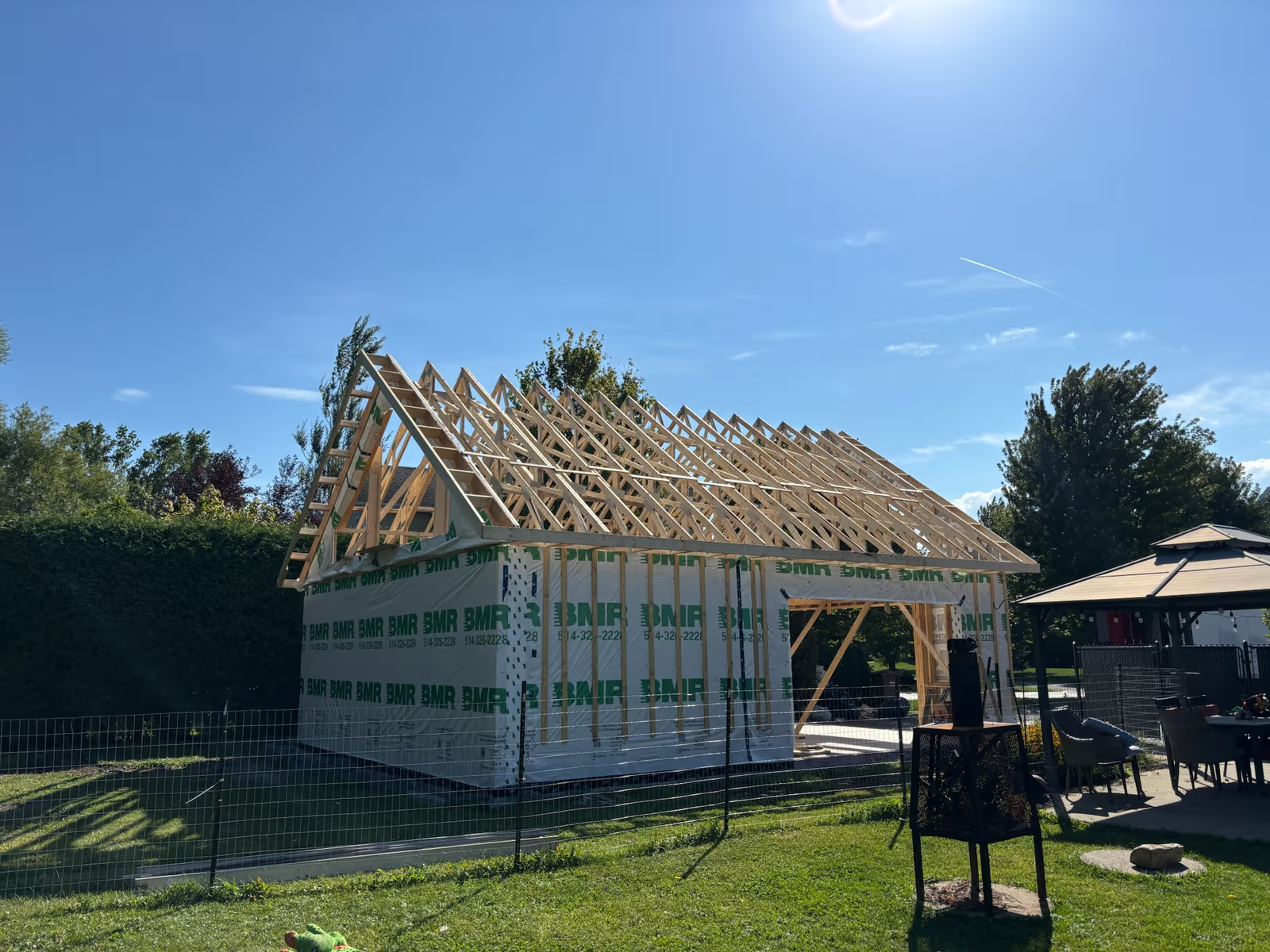
The main advantage is customization: ceiling height, window placement, and roof truss design (for attic storage, for example) can all be tailored. It also provides superior insulation performance. For a 500 sq. ft. garage, expect to pay between $25,000 and $45,000 for the structure alone, excluding foundation work.
Prefabricated or Modular Garage
Source: MJA Entrepreneur Général Inc
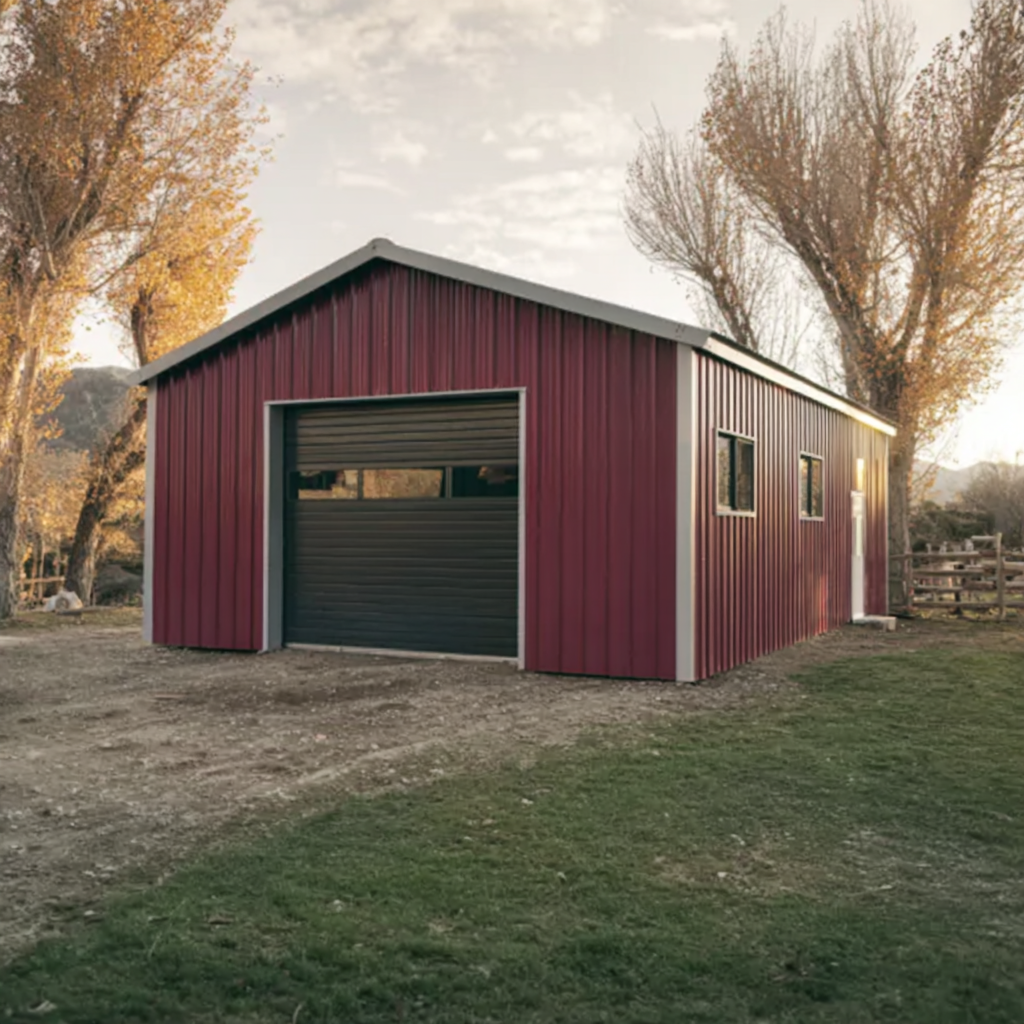
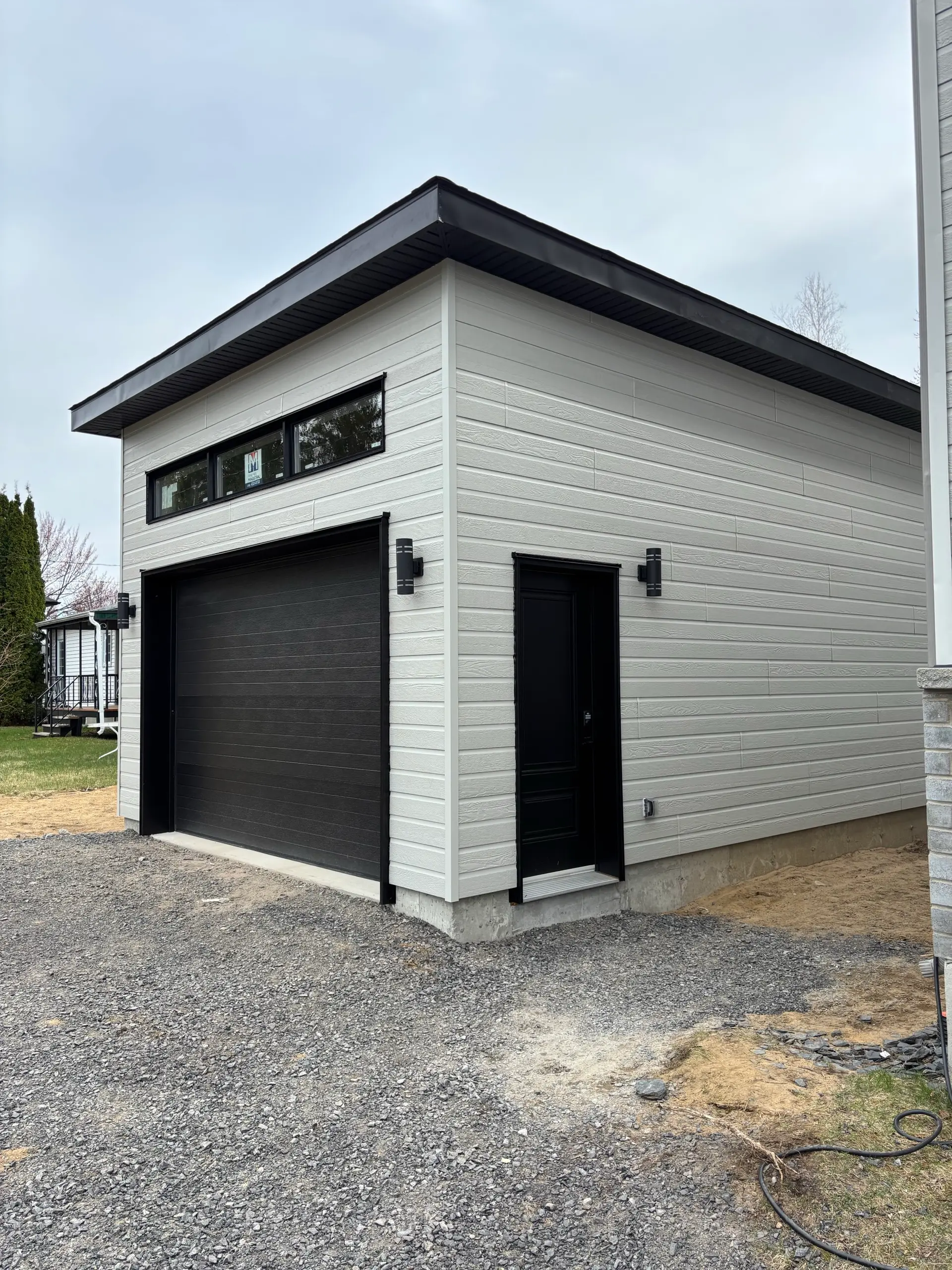
For tighter budgets or faster timelines, prefabricated garages are a practical solution. These structures are built in a controlled factory environment and delivered to your site.
While design flexibility is more limited, build quality is consistent since materials are protected from the weather during construction. Keep in mind that listed prices often exclude site preparation and the concrete slab.
Hidden Costs: Foundation, Electrical, and Permits
This is where many budgets go off track. The structure itself is only part of the total cost.
Concrete Slab: Essential for Freeze Protection
Source: Les Constructions Le Sapin Blanc Inc.
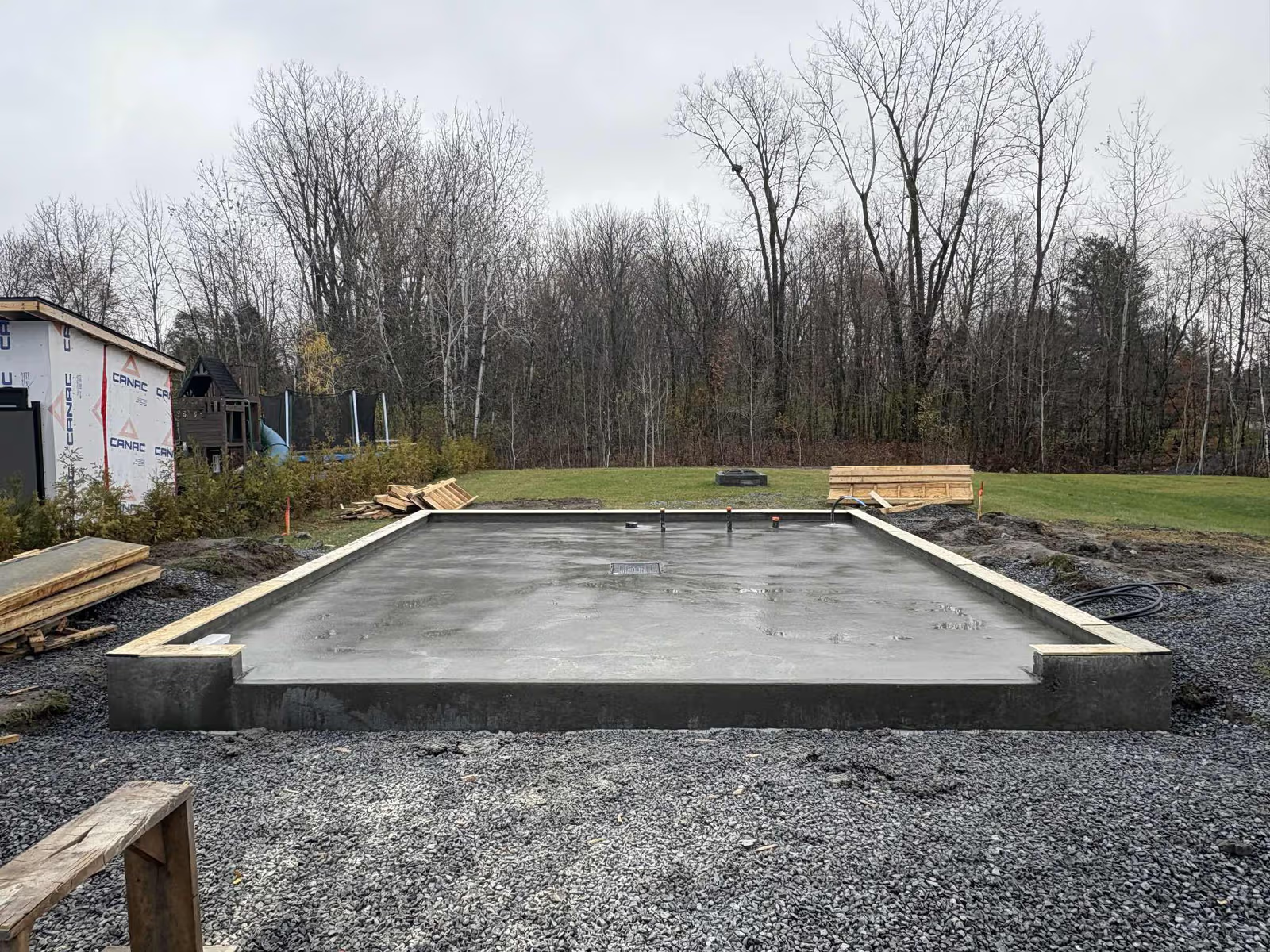
Across Canada, ground movement caused by freeze-thaw cycles is a major concern. A properly built slab—typically a monolithic or insulated floating slab—is critical to prevent cracking. This slab includes a thickened perimeter and rigid insulation underneath to reduce the impact of freezing and thawing.
Budget: $25 to $30 per square foot
Electrical Work
Do you need basic lighting, or a full setup with EV charging and a 100-amp panel for a workshop? Running power from the house usually involves trenching.
Budget: $2,500 to $5,000
Building Permits
Permit requirements vary widely by municipality. In major cities, fees and design requirements can be higher, and some projects may require surveys or site plans.
Budget: $200 to $1,500
To get accurate pricing and avoid costly mistakes, it’s strongly recommended to request multiple quotes from qualified contractors.
Building Codes and Regulations in Canada
Source: Maduval Inc.
You must comply with your province’s building code and local municipal bylaws. For a project of this scale, hiring a licensed contractor is essential.
Using unlicensed labour can result in fines and may void your home insurance in case of a claim. Setback requirements (distance from property lines) are strictly regulated, and non-compliance can lead to forced demolition.
Always consult your local municipality or provincial building authority for the latest requirements related to energy efficiency and structural safety.
Return on Investment: Is It Worth It?
Is building a detached garage a good investment? In most Canadian markets, the answer is yes. A detached garage is seen as a major asset, especially in regions with heavy snowfall.
Real estate experts estimate that homeowners can recover 60% to 80% of their investment in property value. Beyond resale, the day-to-day comfort—like avoiding scraping ice off your car at -25°C—adds real, tangible value.
To maximize the value of your investment and avoid costly surprises, take the time to thoroughly compare material prices across multiple suppliers in your area. Clear, complete estimates are key to staying on budget and ensuring your project runs smoothly from start to finish.
A Project That Requires Smart Planning
Building a detached garage in 2026 requires careful planning. Costs can vary widely depending on materials, regulations, and climate conditions. Done right, it’s a valuable upgrade that improves both your home’s functionality and resale potential. Before starting, compare multiple detailed quotes and verify every aspect of your project to avoid surprises.
Looking for something else?
Related articles
The latest industry news, interviews, technologies, and resources.
Editorial Team
•08 Nov 2023
Painting the façade of a house can be a long and arduous process. However, if the work is carried out well, the transformation can be rather drastic! When a quality product is applied to a well-prepared surface, said painted surface will have a longer service life.
Editorial Team
•08 Nov 2023
A cottage is a luxury, and thus, owning one is something that should be taken seriously. Though it’s usually best to wait for the warmer months to take on your cottage renovation project, spring and summer are just around the corner! Everyone chooses to renovate their cottages for different reasons, whether that be cosmetic or structural.
Cynthia Pigeon
•07 Jul 2026
In eco-friendly construction and high-performance architecture in Quebec, reducing energy needs and improving comfort have reshaped building practices. Carbon neutrality and energy independence can be targeted, but they require additional design choices and energy production strategies. At the heart of this shift is the Passive House standard, available through certifications such as Passivhaus and PHIUS. This engineering model greatly reduces heating needs, allowing the use of a very low-capacity heating system. To reach this level of efficiency, the building envelope must be highly continuous, airtight, and designed to limit thermal bridges and moisture risks.
Editorial Team
•28 Jan 2026
In 2026, the landscaping industry in Quebec is booming. With increasing demand for sustainable outdoor spaces and creative landscape design, residents across the province are turning to qualified landscapers to transform their properties. Whether you're looking to improve your curb appeal or completely revamp your backyard, understanding the role of a landscaper is crucial to a successful project.
Léa Plourde-Archer
•05 Jun 2024
Are you looking to change your kitchen counter but don’t know where to start? Here are the 4 main steps that will help you select the best countertop for your kitchen: