Causes and Solutions of Damp Interior Walls
By Cynthia Pigeon
Updated on November 8, 2023

Quebec’s weather can really put a damper on the integrity of homes, and at times, it may appear as though the walls of your home are “sweating”. However, this phenomenon can also be indicative of a larger problem.
Should you be wondering what are the causes and possible remedies, we can provide you with a clear outline and allow you to pinpoint the issues so that you can tackle them head-on.
Wall Condensation
Understanding the Dew Point
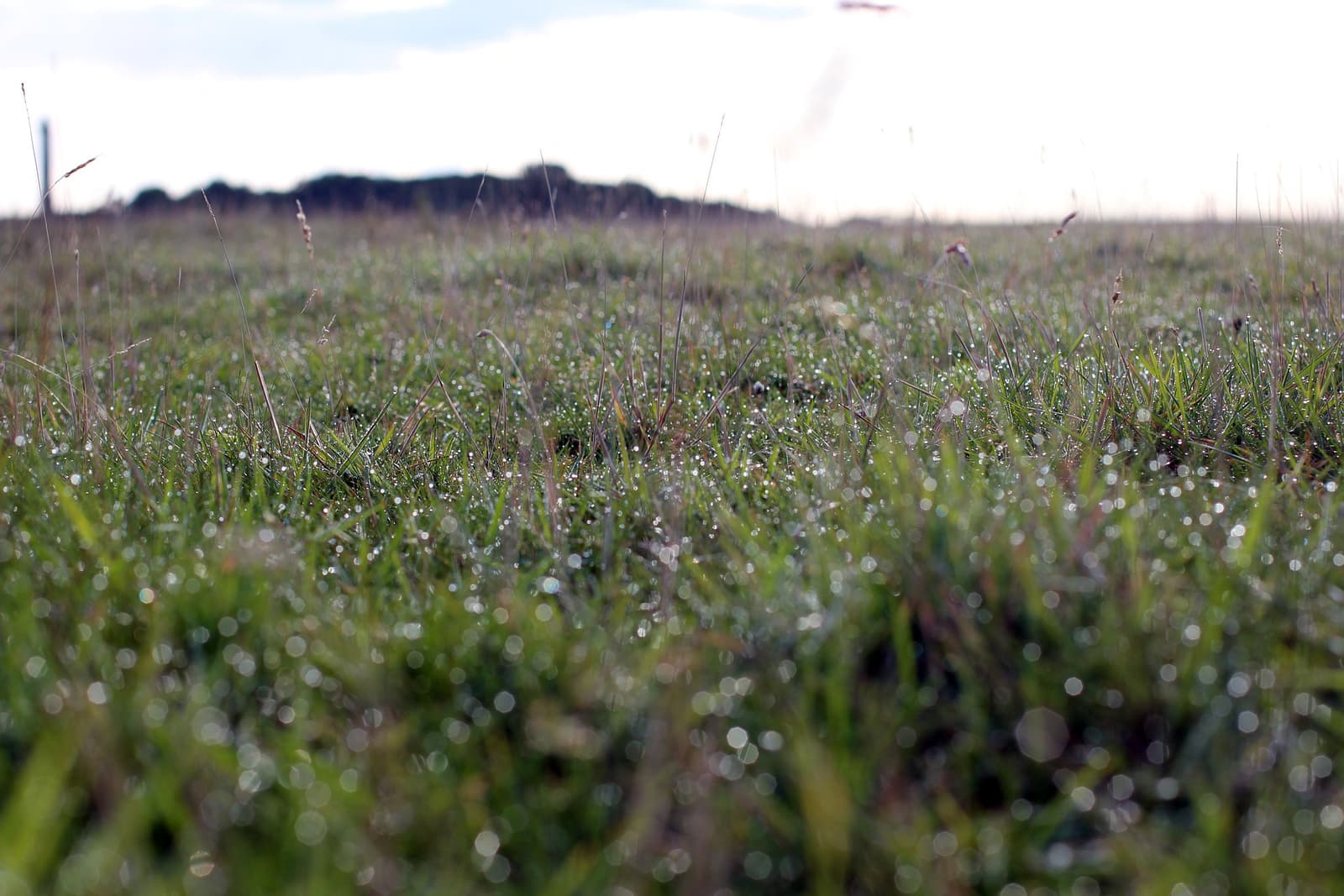
A damp interior wall is generally a tell-tale sign that the humidity level in the room is too high, therefore causing condensation to form on the walls. Humidity appears on a surface when it reaches the dew point, this being the temperature at which water vapour in the air changes from a gas to a liquid state. You have probably seen this occur on your lawn during the early morning summer hours.
This very principle is the cause of wall condensation: Should warm air from your heating system come in contact with a wall that is colder than the ambient temperature of the room, it reaches the dew point, thus resulting in the formation of condensation on the wall.
The more humid a room, the greater the likelihood that condensation will be found on the walls. After determining the cause of said condensation, there are a number of different ways to address it.
2 Solutions for Damp Interior Walls
1) Reduce the relative humidity of the air in a room
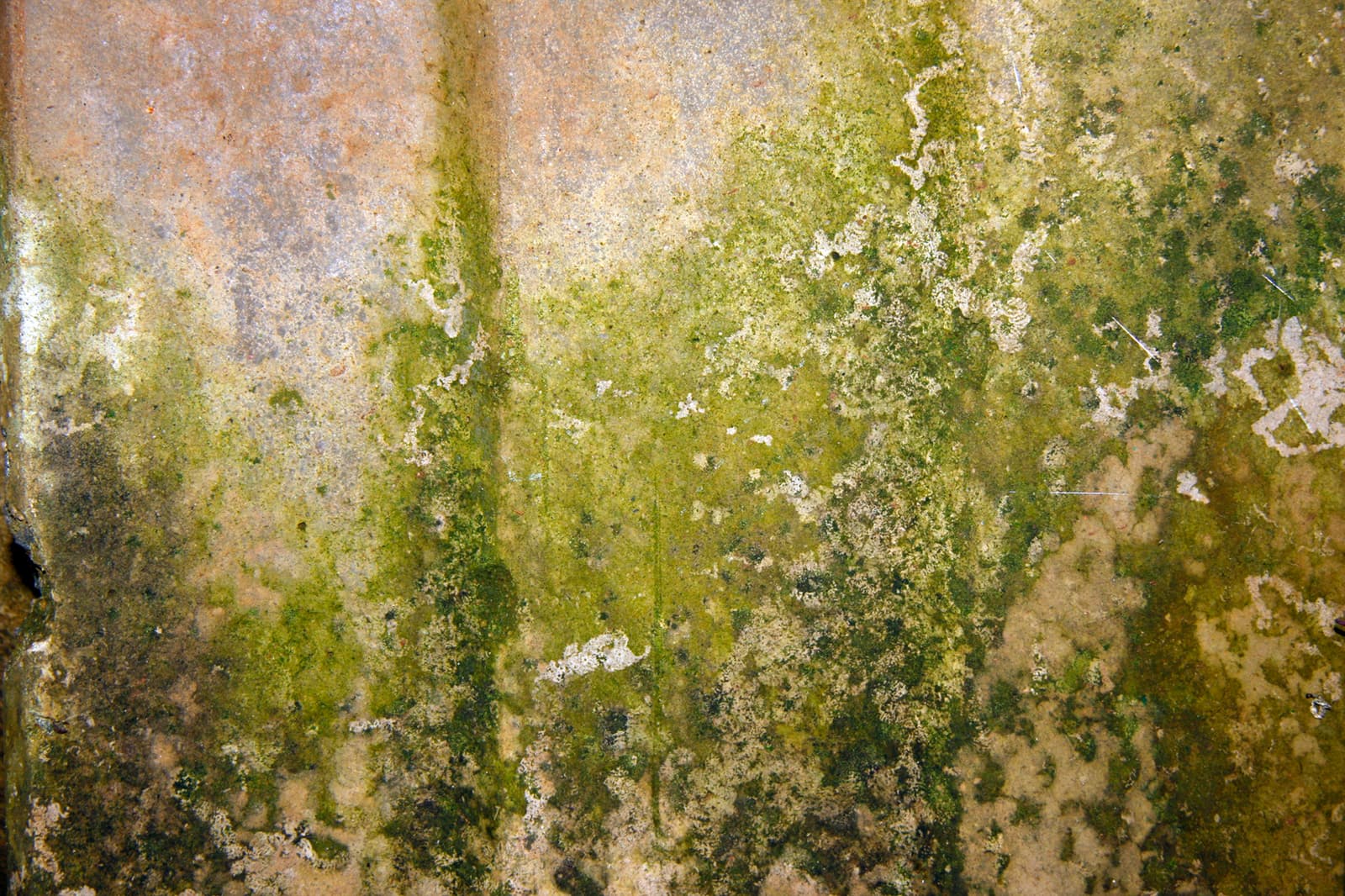
Consider the relative humidity of the air if your wall is completely impervious to air, yet condensation still accumulates on the wall. Note that the lower the humidity level in a room, the less likely condensation will collect on the walls.
A hygrometer (or hygrostat), found in any big-box hardware store, is a tool used to read humidity levels and that can help you determine if the humidity in a room is too high. If the humidity level exceeds 50%, condensation will have the propensity to form much more easily in any room.
In order to address this issue, find out if the source of the moisture is from a specific source of activity within the home or near the room in question. Could it be a poorly ventilated bathroom or the dryer’s malfunctioning exhaust system?
Because you know your home better than anyone else, you may be able to pinpoint the cause of the high humidity, if any. If none of these causes seem to match your problem, a dehumidifier may help manage the humidity in a room.
However, it is also important to take into account the fact that too high levels of humidity are a health hazard, as well as a breeding ground for mould and dust mites. These allergens can be dangerous and cause long-term respiratory problems, especially harmful for those suffering from asthma.
2) Ensure walls are properly insulated
A properly insulated wall is the first step to preventing condensation from building up on the wall. If air can flow through a hole or gap, condensation can form not only on the wall but also on its inside. If air condenses in the wall, water will eventually collect there as well. Therefore, make sure that the wall is airtight.
The joint between the walls and floors is often the point of entry for outside air—sealing this joint can help if you find this might be resulting in air infiltration. You can also have this done by a professional if you find that several rooms could benefit from caulking.
To improve insulation long-term, consider installing an air barrier in the most problematic walls of your home. This will prevent outside air from seeping into the wall and result in overall better insulation for your home.
To ascertain the precise source of drafts, you may want to consider a blower door test to determine the amount of outside air seeping into your home. This test simulates high-wind conditions and helps determine the exact point of entry.
Overview
There are two key factors to consider should you notice the presence of a damp wall: Outside air seeping into the wall or the relative humidity of the room. If you can determine which of these is causing your wall condensation problem, you can put forward the appropriate solution to remedy the situation. You will then benefit from a mould-free, airtight, and durable room.
Get 3 renovation quotes for your insulation project
Renoquotes.com can help you get quotes for your insulation project. By submitting your project, we’ll put you in contact with top-rated contractors. Fill in the form on the homepage (it only takes a few minutes), and you will get estimates from trusted professionals.
Dial 1-844 828-1588 to speak with one of our customer service representatives.
Looking for something else?
Related articles
The latest industry news, interviews, technologies, and resources.
Editorial Team
•08 Nov 2023
Nowadays, condo living is about as commonplace as living in a home. Many are adopting this lifestyle for a variety of reasons: comfort, ease, affordability and so forth.

Editorial Team
•08 Nov 2023
We can’t deny that painting usually turns out to be a time-consuming activity. Most homeowners love the idea of a fresh coat of paint, but the process of getting there can be tricky. This labour-intensive job needs attention to detail and perseverance, especially if you’re dealing with the age-old debate of how many coats of paint are necessary.

Editorial Team
•08 Nov 2023
Regardless of the season, the temperature outside is almost always going to have an impact on the temperature inside your home. During those warm summer months, we try our best to keep things cool, while in the winter we want our interiors to be a warm and cozy break from the frigid air.
Editorial Team
•15 Feb 2024
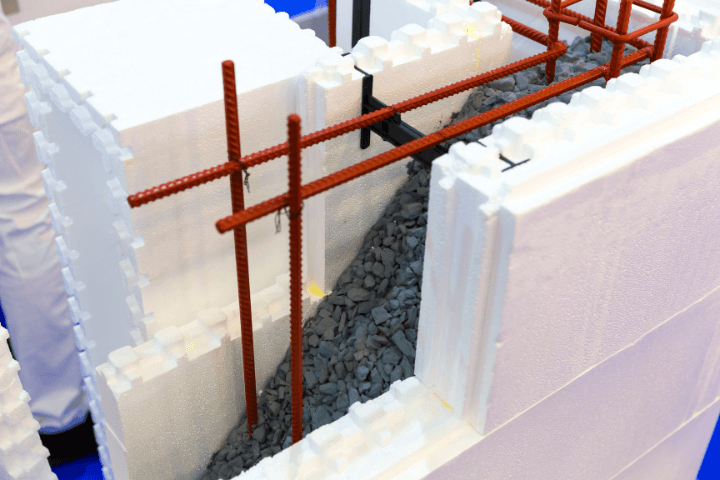
Insulating concrete forms (ICFs) are a building technique that allows for streamlined worksite timelines and for homeowners to cut back on energy use. We’re talking about 5 days to erect the walls of a house and 70% heating and cooling-related energy savings. Here’s a deep dive into this building method.
Editorial Team
•08 Oct 2025
Becoming a boilermaker means working for the aeronautical and aerospace industry, for petrochemical companies, within the nuclear and cryogenic fields, with renewable energy, and more.