Five essential ways to weatherproof your home
By Editorial Team
Updated on November 8, 2023
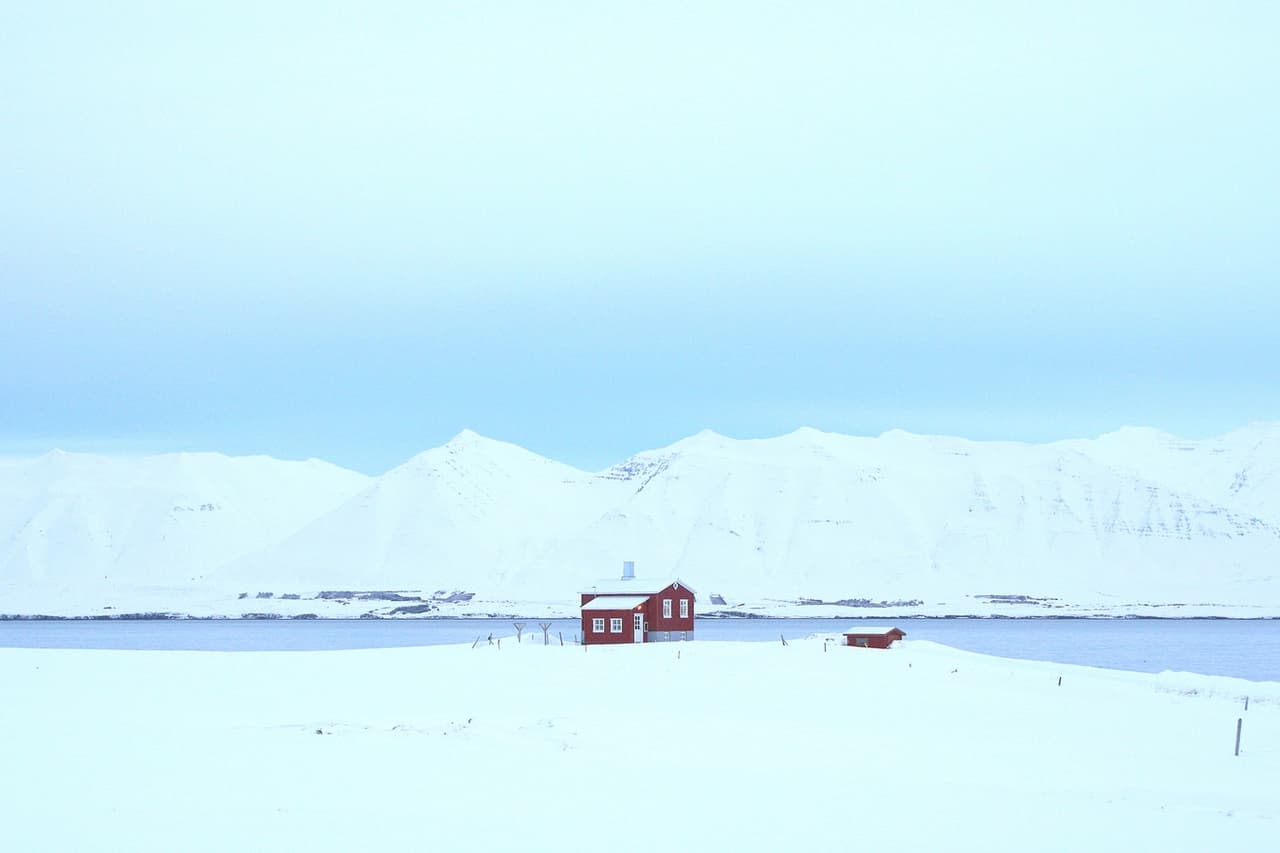
Regardless of the season, the temperature outside is almost always going to have an impact on the temperature inside your home. During those warm summer months, we try our best to keep things cool, while in the winter we want our interiors to be a warm and cozy break from the frigid air.
One thing many homeowners may not realize is that a leaky house drastically affects the energy consumption of your HVAC system. If you’ve noticed that your home is still chilly even though you’ve got the heat on full blast, chances are you need to take some measures to winterproof your home. Here are some affordable ways that you can accomplish this!
Five essential ways to weatherproof your home
1- Weatherproofing doors and windows

source: unsplash
If you’re feeling a little draft even when your windows and doors are tightly closed, chances are you need to examine this area and take some measures to weatherproof. If you notice any gaps around doors and windows, it is important that you seal them, especially if they are any larger than 1/8th of an inch. This can help to cut your energy costs by up to 15%.
To weatherproof windows, press adhesive-backed closed-cell foam onto the bottom of the sash. Alternatively, secure a loose sash using plastic V-channel weather-stripping, securing it into the groove where the sash usually slides in. Secure and finish this job with some nails. When weatherproofing doors, use foam strips along the sides and around the top. However, at the bottom, install a door sweep.
2- Rain gutter maintenance
Your rain gutters might not seem like an aspect of your home that would affect the temperature indoors, but unfortunately, this would be a misconception. If gutters are sagging in any way or are not pitched at the right angle, they can easily overflow and leak into your basement. Not only can this cause an excess amount of water to make its way into your home, but it could also lead to foundation or frame issues later. For this reason, climb up onto a ladder (safely) and check out the state of your gutters.
A properly pitched gutter should sit somewhere between 1 1/16 inch and 1/8 inch per foot. To check the pitch of your gutters, hold a level even with the gutter, does it measure up? Another method to check your gutters is to run some water from a hose down them and see in which direction the water travels. If you find that the water is dripping everywhere, chances are you need to tighten those gutters as soon as possible.
3- Wall repairs

source: unsplash
If you’ve noticed cracked or puffed-out points in and around the walls of your home, these should be dealt with before the cold weather hits. If you wouldn’t consider yourself a renovation professional, it is recommended that you have these cracks checked out by a contractor. Cracks or blown-out walls could point to structural issues, and this is a more serious problem than an unseasonably high energy bill.
Further, if these issues are occurring on your roof or at an extremely high distance, then have the professionals carry out the repairs. You are welcome to take on smaller cracks by yourself. This can be done easily by removing any loose material surrounding the crack and then filling in the section with an appropriate product. Fixing holes will allow for an airtight home, and won't let water and other substances find their way indoors.
4- Maintain warming and cooling devices
You might not think a ceiling fan will come in handy during cold months, but in fact, changing their rotation to clockwise will push warm air down. Clean off the blades themselves to get rid of the dust they’ve collected. If you haven’t already, remove the A/C units from your windows and make sure that they are cleaned out and well stored.
Regarding your vents, be certain that they have been cleaned off and out before starting your heating system. If possible, pick up an insulating blanket for your water heater. Insulating your water heater can help to save energy and reduce heat loss through the sides of the heater itself, and this can be between 25-40%. This is an excellent solution to help heat up water quicker while saving money on energy bills.
5- Insulation

source: unsplash
Now, this might be the last point on the list but we cannot stress the importance of your home’s insulation enough. A home that is properly insulated is the only way to keep your house at the correct temperature throughout the year as well as keeping energy costs down. One area of the home that is commonly forgotten is the attic. The attic of your house needs to be properly protected, so take a walk up and check to see if the tops of joists are noticeable. If so, you may have a problem.
It will be necessary for you to add batt insulation to the insulation that is already installed, placing it perpendicular to the old stuff. Make sure that pieces fit snuggly together and try not to leave any noticeable cracks or spaces, as this is exactly where the air will escape.
However, other methods of insulation for more awkward areas or tighter cracks include blown-in cellulose as well as fibreglass. Make sure to consider other areas of your home insulation as well, and improve wherever you can.
Get 3 renovation quotes for your weatherproofing project
RenoQuotes.com can help you get quotes for your weatherproofing project. If you submit your project to us, we’ll put you in contact with top-rated contractors. Fill in the form on the homepage (it only takes a few minutes), and you will get estimates from trusted professionals.
Dial 1-844 828-1588 to speak with one of our customer service representatives.
Looking for something else?
Related articles
The latest industry news, interviews, technologies, and resources.

Editorial Team
•05 Dec 2023
A pergola is a great alternative to a traditional patio umbrella. Not only does this sunshade provide a more aesthetic appeal compared to the latter, but it also offers a wide range of options in terms of materials and sizes. On top of that, it doubles as a permanent patio lounge area, while still shielding you from the elements. Despite being exposed to Canada's harsh East Coast climate and other elements, preserving its condition for many years to come requires meticulous care and maintenance.

Editorial Team
•08 Nov 2023
Are you looking to make some changes to your landscaping? With such a multitude of trees and shrubs out there, this task may at first feel difficult to navigate! Luckily, we’ve got some ideas to inspire your landscaping project!
Editorial Team
•28 Aug 2024
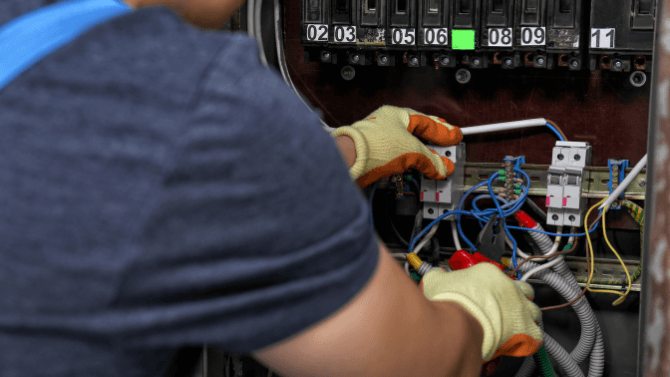
The wires running behind the walls of your home are hidden, but that doesn’t mean they aren’t putting in plenty of work. Having electricity that runs smoothly is key to keeping your home safe and comfortable. It’s crucial to keep your home wiring in excellent condition, as doing otherwise will compromise the safety of both your family and your home. Wiring that is outdated, damaged or in poor condition needs to be taken seriously, but how do you spot a problem?
Léa Plourde-Archer
•08 Nov 2023
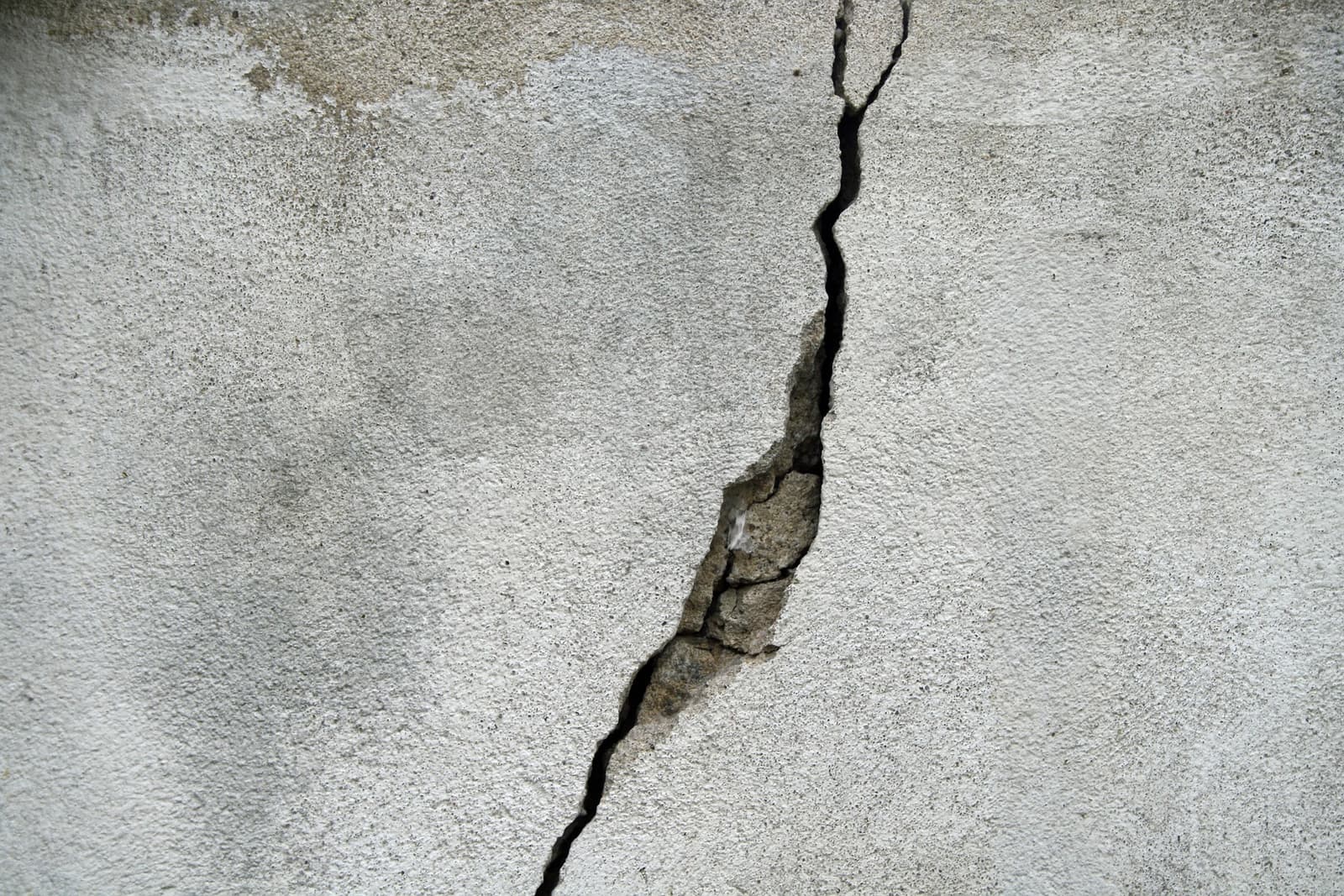
Concrete is known for being a solid, durable material that can be maintained over time. It is the most used material for solid foundations and for major projects such as bridges and viaducts. Over time, it has proven itself as an essential building material.

Editorial Team
•29 Jan 2024
Are you looking for a beautiful sunroom to fully benefit, book in hand, from the summer? Given that it’s a significant investment, it’s definitely not a decision to be made lightly. So, without further ado, here are the different options available to you in the hopes you make the right decision.