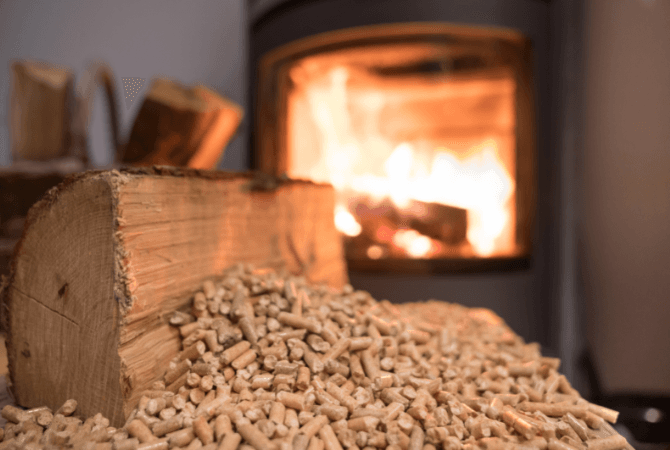
Are you planning on installing a fireplace or wood-burning stove as a way of heating your home this winter? Perhaps you're worried about power outages and want an alternative source of heat in the event of a blackout. Or maybe you've just been dreaming of romantic getaways at the chalet, bundled up in front of the open flames, hot chocolate in hand…
No matter your motivation, there's no denying that the comfort, style, and ambiance created by these appliances are sure to win over any homeowner. So, if you're willing to commit financially to installing such a heating system, of carefully maintaining it, and stacking the firewood, go ahead, and keep scrolling!
Factors to Consider When Heating with Firewood
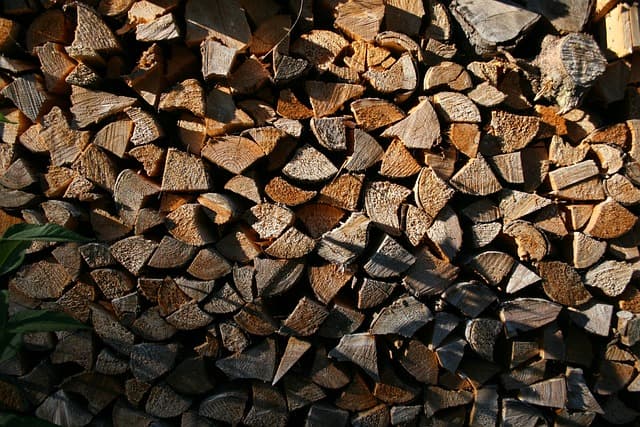
Source: Pexels - Pixabay
Regulations Respecting Firewood Appliances
Residential wood-burning appliances sometimes undermine values and generate environmental concerns, which is why it's important that your appliance meets current environmental standards. Fortunately, new CSA B415 or EPA-certified wood-burning stoves and fireplaces produce far fewer airborne emissions compared to their predecessors. In fact, since 2009, non-compliant models are no longer sold in Quebec, and the government offers financial aid programs to encourage citizens to upgrade their appliances.
As far as Montréal regulations apply, regardless of the type of solid fuel used, your system can't emit more than 2.5 grams of particles per hour. Some boroughs do require that you obtain a permit before removing, replacing, or installing a fireplace or wood-burning stove. You may also be required to report your new installation within 4 months to avoid a fine. In other words, educate yourself before jumpstarting your project!
And finally, know that choosing the right species and quality of wood can reduce your negative impact on Mother Nature.
Choosing the Right Firewood
Source: Canva
Now that your wood-burning stove or fireplace is compliant, all you've to do is make the right decisions to maintain the value of your investment and limit pollution.
1- Wood species
Normally, local suppliers offer a mix of cherry, maple, birch, and beech. Oak, elm, and ash are also available. These are the hardest and densest woods that perform best in terms of energy efficiency as well as wood-burning rate.
Resinous woods such as larch, pine, basswood, and cottonwood are preferable on warmer days when you'll be feeding your fireplace, not for warmth per se, but primarily to remove moisture from the air and maintain a comfortable room temperature. These species are a favourite for date night in, as the logs crackle and add a touch of ambiance. However, these burn rather quickly and tend not to leave behind a nice bed of embers.
Woods commonly referred to as softwoods, such as fir or spruce, shouldn't be used. Doing so would render your purchase ineffective, both from a heat output perspective and as far as keeping your fireplace in good condition.
2- Wood features
Ideally, you should get your cords ready in the spring and allow them dry outside during the summertime under optimal conditions:
Sheltered from the rain;
Not straight on the ground, but on pallets or another type of support;
Rows spaced out to allow air circulation.
Whether in cities or suburbs, it’s not always easy to find enough space inside to store the purchased firewood in the spring. Simply choose a lumber supplier that lets the wood dry for about a year before selling it.
If you plan on cutting down the trees yourself, do so in the winter, when the sap flow is interrupted.
Basically, firewood must be dry (less than 20% moisture level). Damp wood doesn't burn all that well, fails to meet the standards required for a healthy environment and increases the risk of causing a fire by blocking your chimney. If it makes a kind of whistling sound when burning, then it's not ready. However, according to Ms. Taillefer of Bois de foyer Rive-Nord Inc., "You can choose semi-dry wood depending on the season, to save money and then allow the wood to dry."
Whether the wood you purchased is delivered to you, or you're buying in-store, remember to look out for these aspects to ensure you’re getting high-quality wood:
The ends of the logs should be cracked; the deeper and wider the cracks, the better.
If a dry, hollow sound results from banging together two ends, it's a good log.
If the wood is darker in colour than that of the tree trunk’s natural colour, your logs will also burn more efficiently.
If you notice a smell of fresh wood or beading water, you’re probably looking at green wood, thus damp wood. Don't buy it.
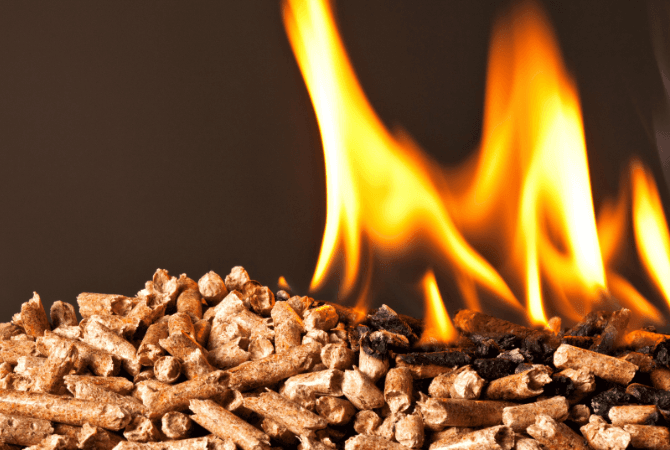
Naturally, you won't have to deal with humidity issues when using a pellet stove or artificial firelogs, since the wood bags are available at hardware stores, ready to burn.
Fun Facts:
No matter the rumours out there, firewood is a taxable product. Don't be surprised when you see the QST and GST on your bill!
Part of the reason why the price of firewood has soared is due to the cost of gas for product transportation.
Are you looking for experts for your wood-burning fireplace project?
Fill in this form to be connected with top-rated contractors!
Storing Firewood
Source: Canva
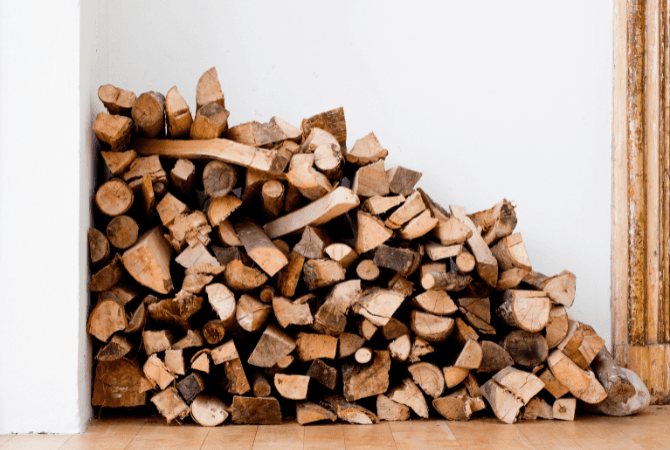
Also, as previously stated, and as advised by Sandie Taillefer, "Firewood should be stored outside, exposed to the wind and sun, to air it out more efficiently." Likewise, keep your wood on high ground, sheltered from bad weather.
However, if you can store your logs in a garage, or if you've got a dedicated storage space, all the better! But don't store large quantities of logs in a living space. Also, don't line your balcony with it either: That could damage the structure and cause it to buckle under the weight of the wood.
Measuring a Cord of Wood
The standard measurement for a cord of wood is 4 feet high, 4 feet wide, and 8 feet long (128 cubic feet). The preferred size of a log for optimal heating, and one that fits most appliances, is 6 inches in diameter by 16 inches long. Occasionally, different sizes can be requested from your supplier.
Remain vigilant about whether you're getting the right amount of firewood. Some terms are deemed illegal as they tend to be confusing and may indicate a measurement that is less than a cord (face cord, stove cord, apartment cord). Be present during delivery, take note of the license plate on the delivery vehicle and measure the bulk of firewood brought in.
The following information should be listed on your receipt:
Vendor's contact information (name, phone number, and address);
Price;
Species and quantity of firewood.
If an error occurs, immediately contact the vendor. Should no resolution or recourse be considered, you can file a complaint with Measurement Canada.
How to Clean a Wood-Burning Stove or Fireplace
Source: Canva
Keeping your fireplace or wood-burning stove properly maintained minimizes environmental impact and reduces the probability of a fire. Therefore, you should regularly empty the ashes, and remove dust or any other debris surrounding the appliance. If you don't want to do this, or if you have a large chimney that requires a proper sweep, consider hiring a professional!
You can also check out our article Fireplace Maintenance Tips for more information on the subject matter.
Cover photo: Pexels - Pixabay
Get 3 quotes for your firewood supply
RenoQuotes.com can help you get quotes for your wood-burning fireplace project. If you submit your project to us, we’ll put you in contact with top-rated contractors. Fill in the form on the homepage (it only takes a few minutes), and you will get estimates from trusted professionals.
Dial 1-844 828-1588 to speak with one of our customer service representatives.
Looking for something else?
Related articles
The latest industry news, interviews, technologies, and resources.
Editorial Team
•03 Jun 2025
Underpinning is a technique that is essential to ensure the stability of a building whose solidity is compromised due to a natural disaster, upper floor renovations with excessive added weight to support, or due to a foundation being poorly adapted to the ground where it is set.

Editorial Team
•04 Nov 2025
Architectural concrete is more than just a building material—it’s a design choice that blends strength, durability, and visual appeal. Across Quebec and the rest of Canada, it’s being used in homes, commercial spaces, and even public art installations. Unlike regular concrete, which is chosen purely for structural purposes, architectural concrete is valued for its aesthetic qualities: colour, finish, and texture.
Cynthia Pigeon
•08 Jun 2026
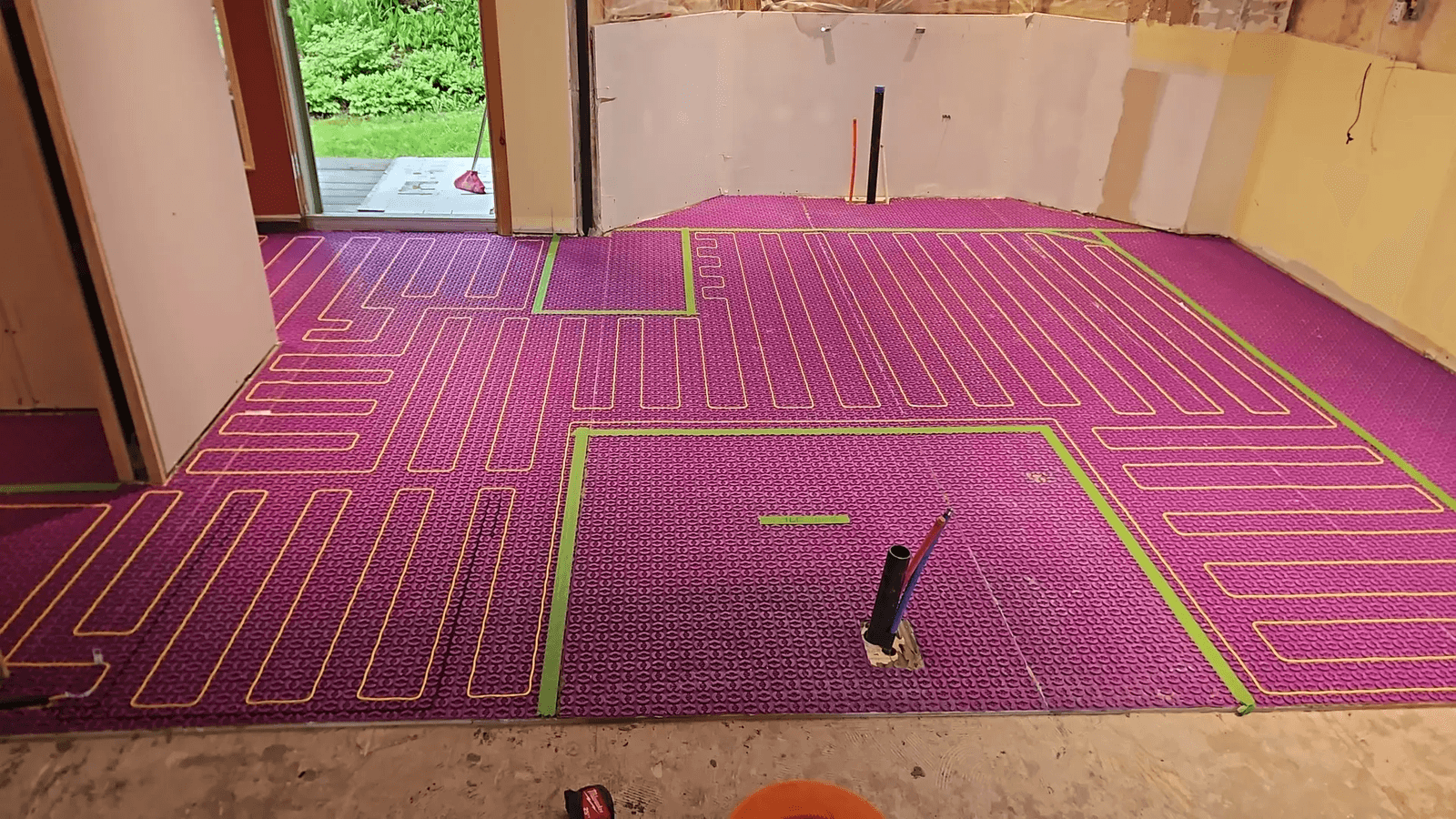
Quebec winters are unforgiving. When the temperature drops below -20°C in Montréal, Québec City or Saguenay, thermal comfort becomes a top priority for homeowners. Stepping onto freezing ceramic tile after a shower or while making your morning coffee is an unpleasant feeling that many households choose to eliminate. This is why electric floor heating has become increasingly popular during residential renovation projects. It provides gentle, even and enveloping heat, while optimizing living space by eliminating the need for bulky baseboard heaters.
Editorial Team
•21 Aug 2026
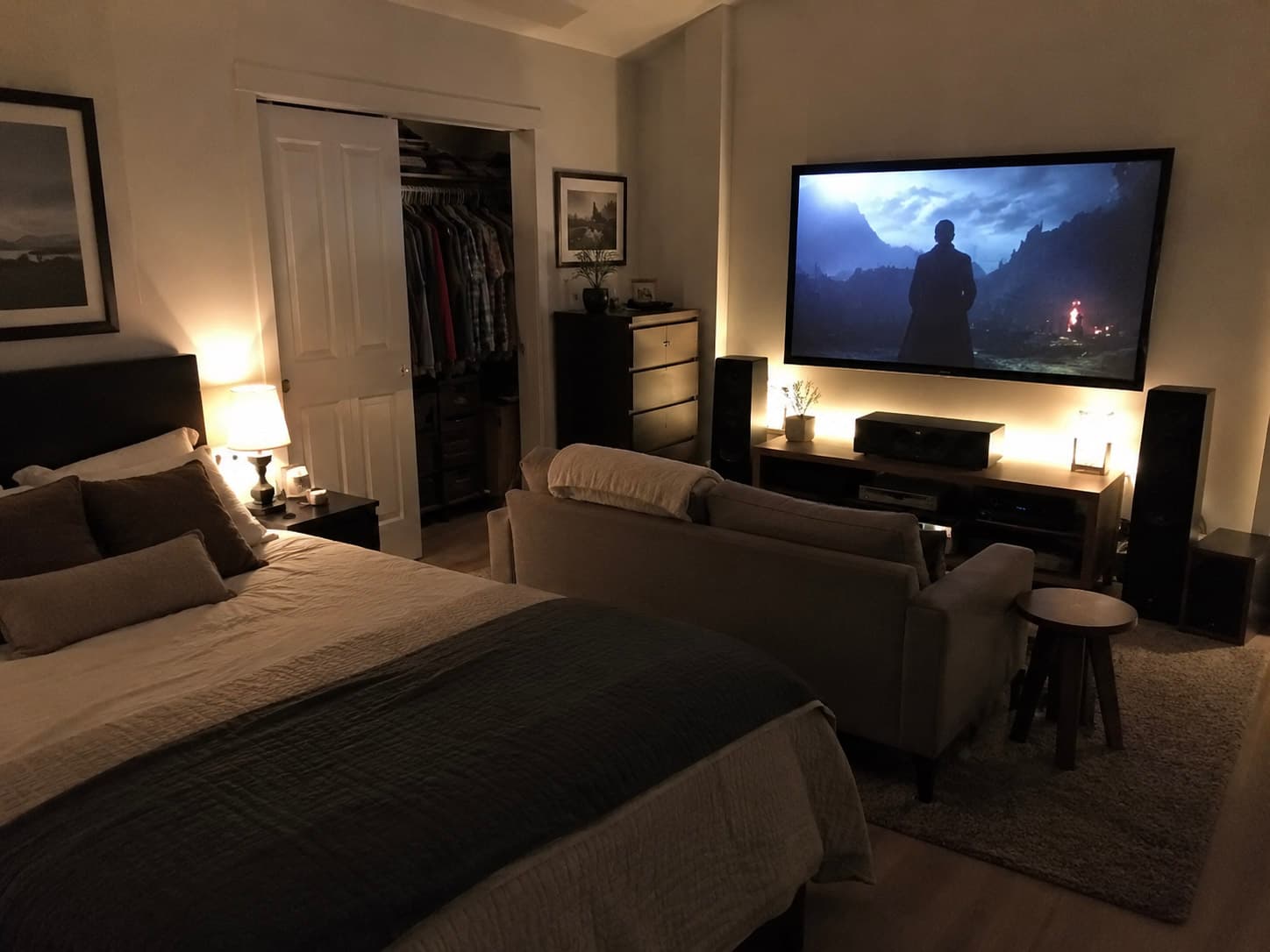
A media room does not need a dedicated wing of the house to feel like a real home theatre. A spare bedroom, a basement corner, or even a nook off an open-plan living area can become a comfortable spot for movie nights once the layout, lighting, and sound are handled with a small space in mind.
Editorial Team
•08 Nov 2023
With city populations growing rapidly, and space becoming dense and limited, many are choosing to live in a townhouse or condo in lieu of more traditional housing choices. There are plenty of benefits to townhouse and condo living, but what are the rules and regulations for those interested in renovating?