Architectural Concrete: 5 Things the Average Consumer Should Know
By Editorial Team
Updated on November 4, 2025
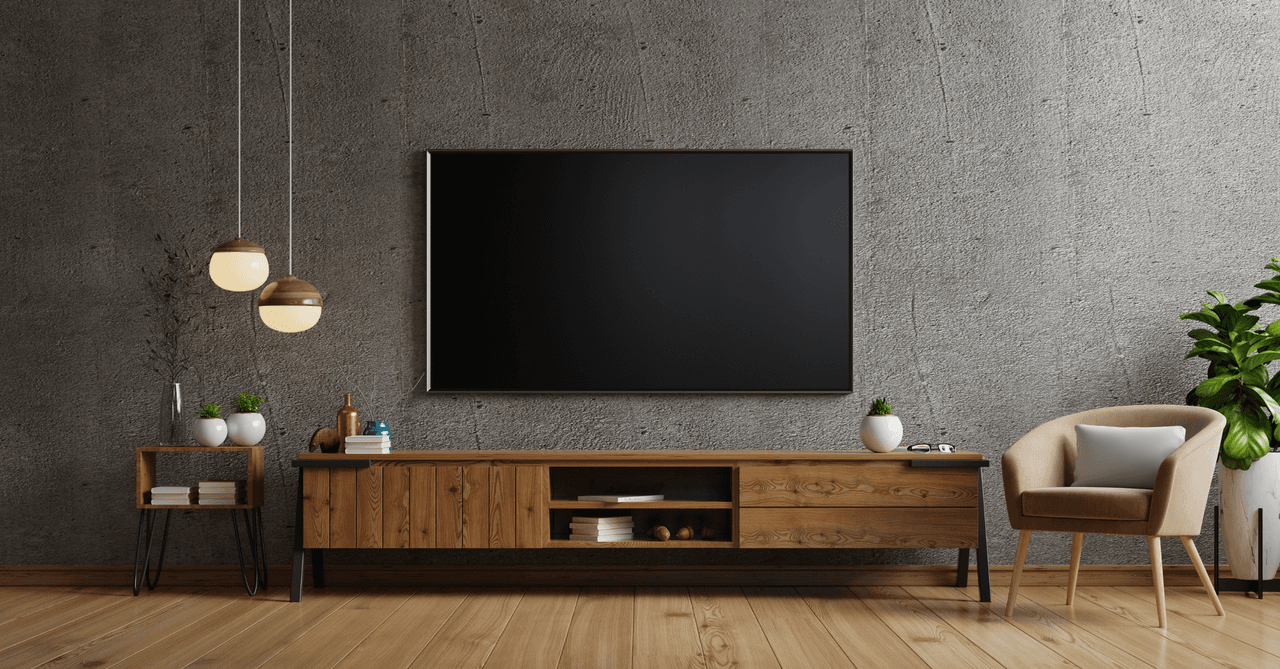
Architectural concrete is more than just a building material—it’s a design choice that blends strength, durability, and visual appeal. Across Quebec and the rest of Canada, it’s being used in homes, commercial spaces, and even public art installations. Unlike regular concrete, which is chosen purely for structural purposes, architectural concrete is valued for its aesthetic qualities: colour, finish, and texture.
Get Your Project Started Today
Submit your details and receive three free quotes from trusted contractors.
Whether you’re renovating a home, planning an addition, or simply curious about modern building materials, here are five essential things to know about architectural concrete in 2025.
1. Colour Potential: Endless Options Beyond Grey
Source: Canva
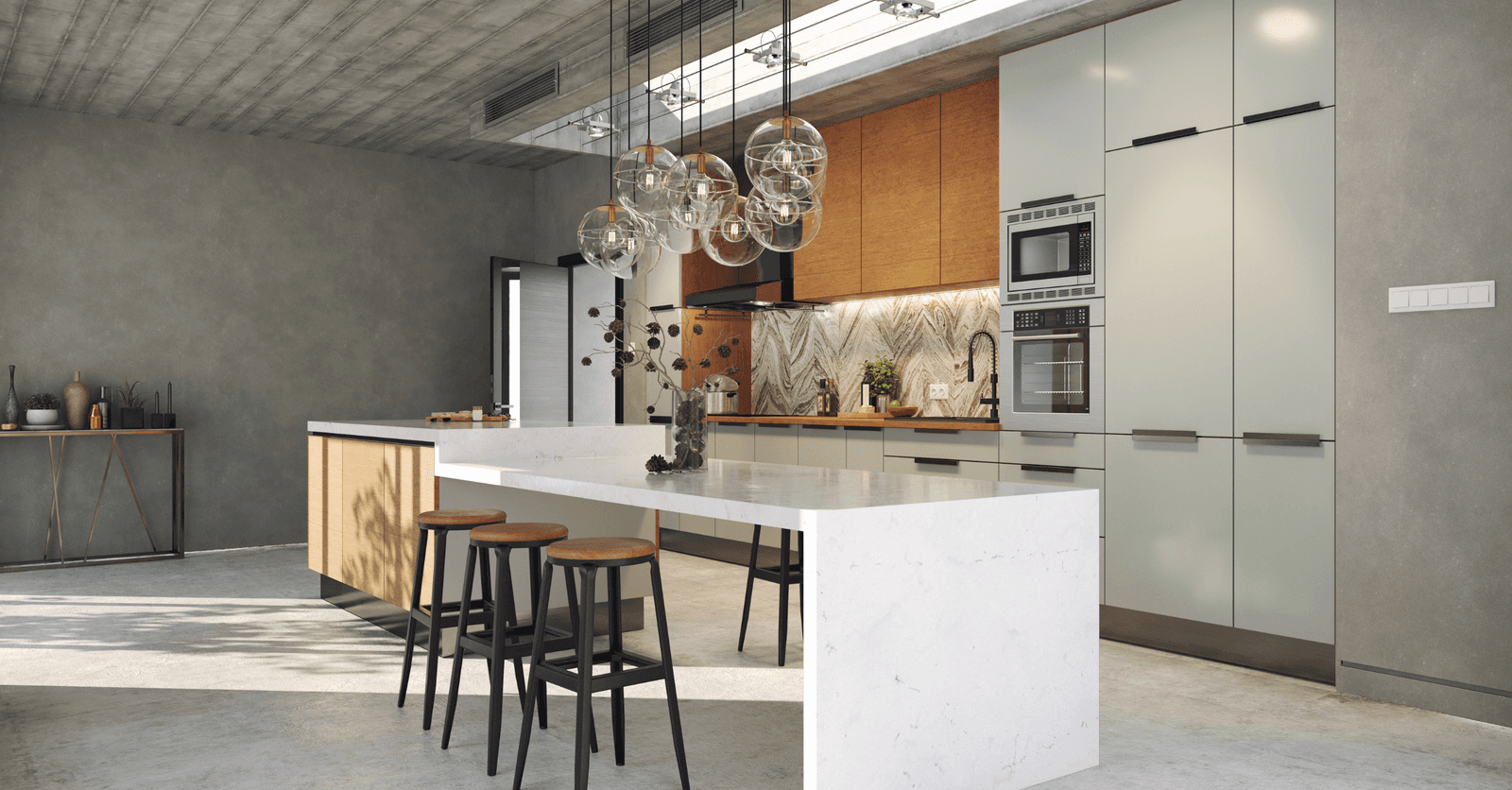
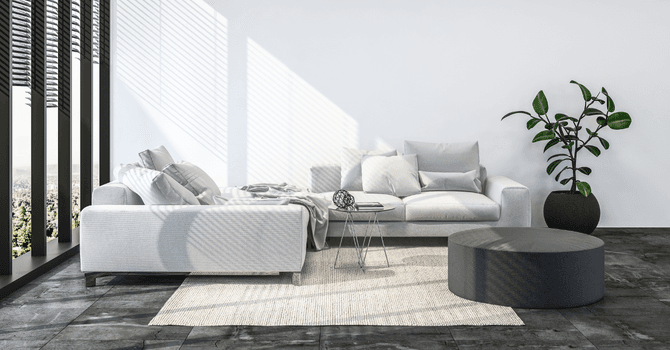
When most people think of concrete, the image of a plain grey slab usually comes to mind. But architectural concrete goes far beyond that stereotype. Thanks to pigments, admixtures, and specialized techniques, it can be produced in nearly any shade—from crisp white to rich charcoal, earthy browns, or even deep greens and blues.
Best Uses for Coloured Architectural Concrete
Coloured concrete can be found in:
Bathroom sinks and vanities
Kitchen counters and islands
Exterior stairs and walkways
Accent walls and cladding
This flexibility makes it a practical yet striking building material for both interior and exterior projects.
2. The Power of Imitations: Stone, Brick, and More
Another strength of architectural concrete lies in its ability to imitate other building materials. With the right formwork and finishing techniques, it can convincingly resemble stone, brick, or even wood.
Why Choose Imitation over Natural Materials?
Cost savings: Natural stone is significantly more expensive than concrete.
Durability: Architectural concrete resists weathering, fire, and pests better than wood or untreated stone.
Insulating qualities: Concrete offers thermal and acoustic benefits that brick alone does not.
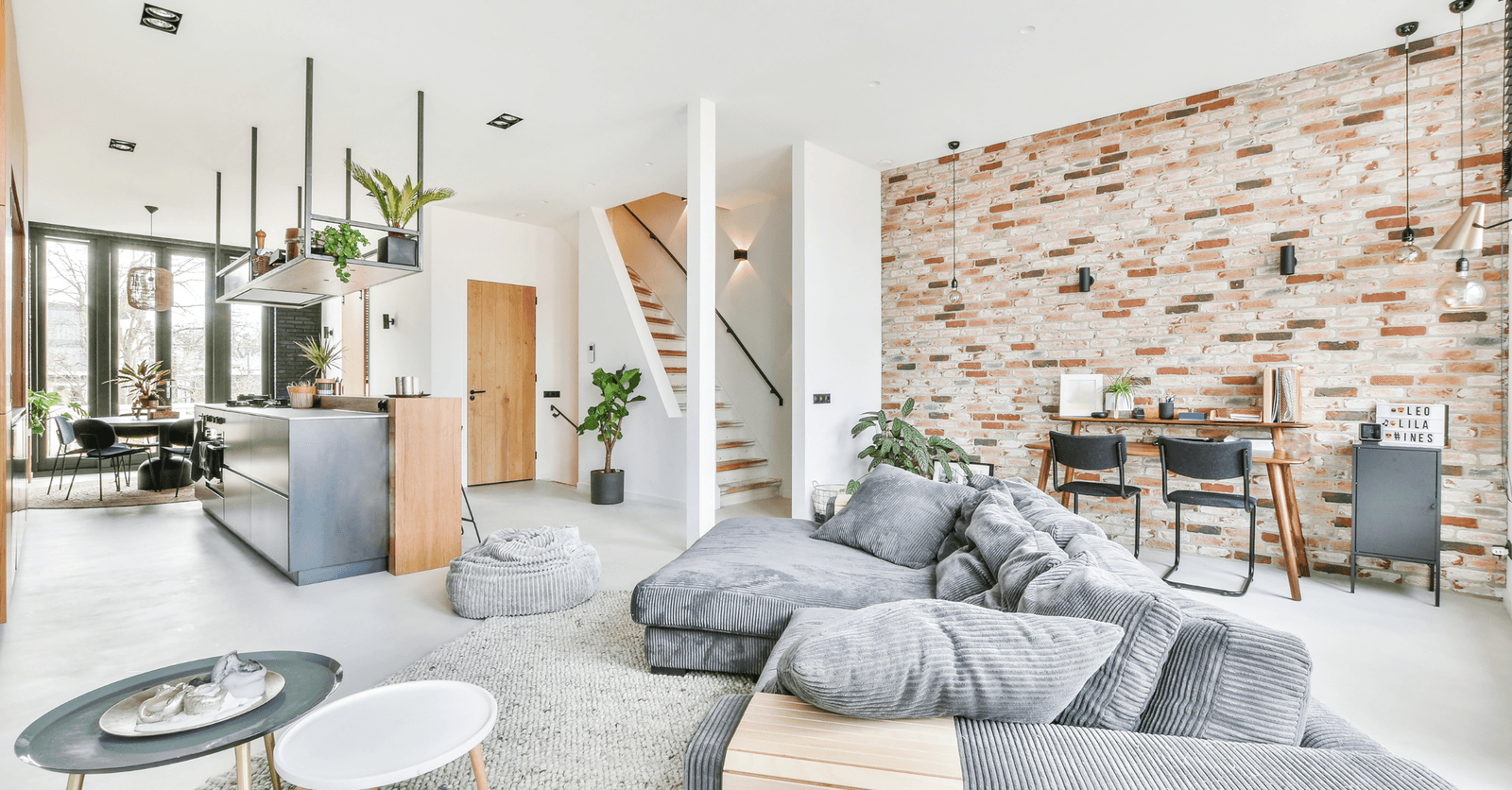
For homeowners in Quebec, an architectural concrete cladding that looks like brick provides the charm of masonry while benefiting from concrete’s insulating performance. Similarly, concrete countertops can mimic polished granite or marble at a fraction of the cost.
This versatility makes architectural concrete a smart alternative for anyone seeking both beauty and practicality.
3. Price and Surface Treatments: What Affects the Cost?
Source: Canva
Like most building materials, the cost of architectural concrete depends on complexity. While the initial cost can be higher than standard concrete, it’s often offset by lower lifecycle costs due to durability.
Finish Types and Their Price Impact
Surface treatments and finishes play a major role in determining the price. Common finish types include:
Washed finishes: Reveal the aggregates beneath the surface (+10% cost).
Matte polish: Smooth, low-glare appearance (+15% cost).
Glossy polish: Reflective, high-end look (+20% cost).
Other treatments like bush hammering, sandblasting, or sealing can also affect both cost and final appearance.
Architectural Finish Concrete vs. Regular Concrete
Regular concrete is usually left unfinished, hidden behind drywall or cladding. Architectural concrete, however, is exposed and designed to be seen—so the finishing process is much more detailed. This attention to detail is what makes it both beautiful and slightly more expensive.
4. Eco-Friendly and Durable: A Responsible Choice
For Canadians aiming to reduce their carbon footprint, architectural concrete can be an environmentally responsible option. It offers both remarkable durability and recyclability.
Durability and Weather Resistance
Concrete stands up to freeze-thaw cycles, heavy use, and exposure to moisture—all important in the Canadian climate. It does not rust, rot, or burn, making it one of the safest and most long-lasting materials for exterior and interior applications alike.
Recyclability and Environmental Benefits
Old architectural concrete can be crushed and reused in new projects.
As an inert building material, it emits no harmful gases.
Its longevity reduces the need for frequent replacement, lowering environmental impact.
For eco-conscious homeowners, investing in architectural concrete furniture, countertops, or cladding ensures a durable solution that aligns with sustainable building practices.
5. A Favourite Among Architects and Designers
Source: Canva
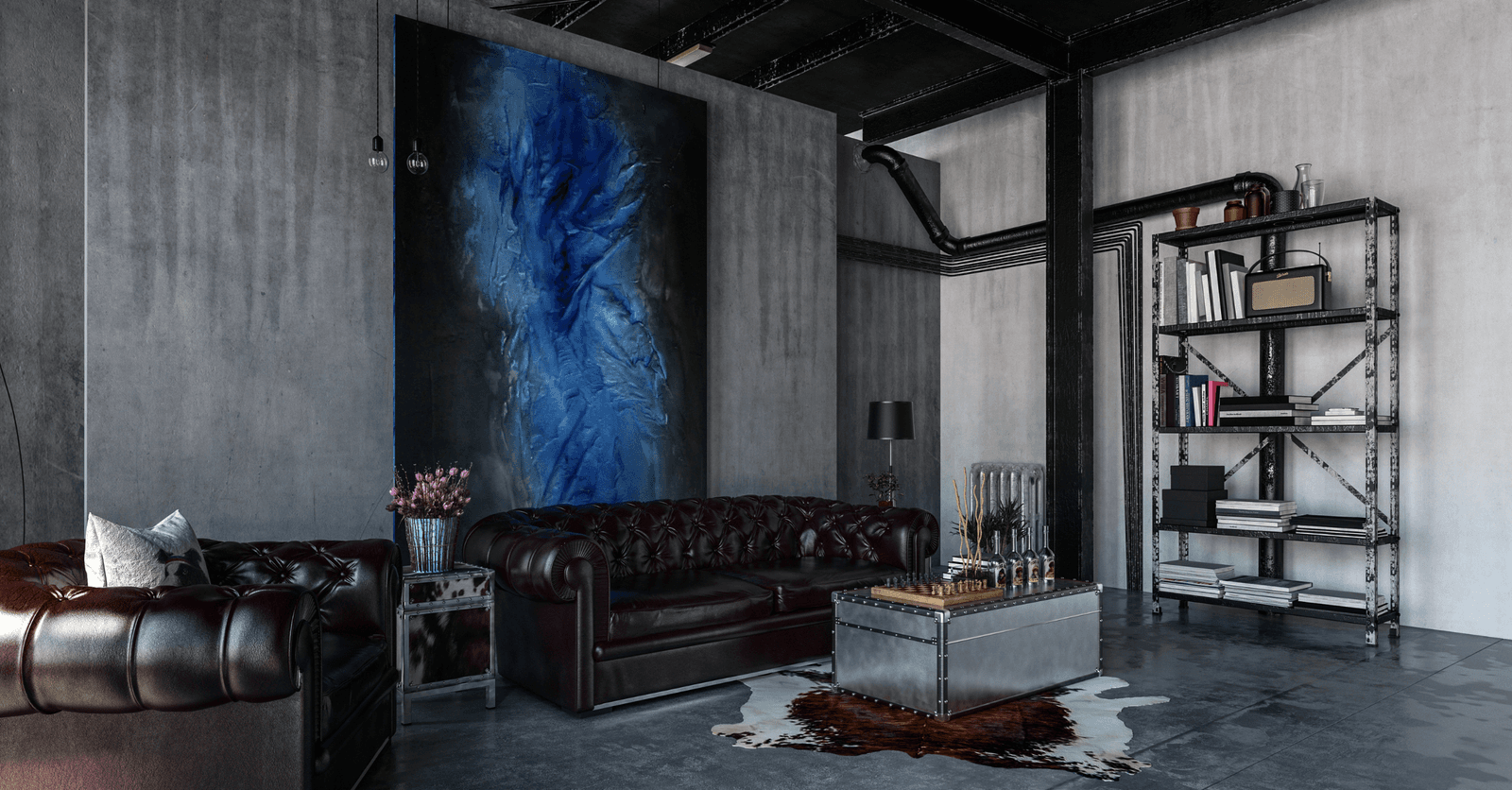
Finally, one of the reasons architectural concrete has grown so popular in Quebec is its endless design possibilities. Architects and designers appreciate its versatility—once poured and cured, it can be shaped into anything from curved staircases to minimalist wall panels.
Collaboration with Architects
Architects value architectural concrete because it allows them to push boundaries. It adapts to modern concrete architecture, brutalist styles, or even more traditional looks like brick and concrete architecture.
Examples of use include:
Sculptural staircases in residential projects
Sleek architectural concrete wall panels for offices
Outdoor furniture, planters, and retaining walls
Concrete as Art
Beyond construction, architectural concrete is now appearing in Canadian art installations and furniture design. This crossover between construction and art demonstrates its potential to act not only as a building material but also as an evocative work of art.
FAQ
What is architectural concrete?
Architectural concrete is a type of concrete designed to be visible and decorative, combining strength with aesthetic qualities like colour, texture, and finish.
What is concrete used for in architecture?
It’s used in facades, staircases, countertops, wall panels, and decorative elements that require both durability and design impact.
What is the difference between architectural concrete and regular concrete?
Regular concrete is primarily structural, while architectural concrete also serves a visual role, offering custom colours, textures, and finishes.
How is a textured architectural concrete surface achieved?
Through methods like sandblasting, bush hammering, washed finishes, or leaving formwork marks exposed (béton brut).
What is precast architectural concrete?
It refers to panels or elements produced in a controlled plant environment, ensuring consistent quality, texture, and durability before being transported to site.
Looking for something else?
Related articles
The latest industry news, interviews, technologies, and resources.
Editorial Team
•11 Feb 2025
Undertaking a renovation project entails a lot more than having the necessary know-how or skills, or simply outsourcing the project to qualified professionals. You must submit a building permit request to your municipality to legally carry out the planned work. Here’s everything you need to know about obtaining a building permit.
Cynthia Pigeon
•16 Jun 2026
In Montréal, a concrete balcony is more than just an architectural feature: it is an extension of the living space, an essential component of the well-known plexes in our historic neighbourhoods, and a key structure in modern condo buildings. However, the exterior envelope of Montréal buildings is exposed to extreme weather conditions. Over the years, concrete structures eventually show signs of wear that, if neglected, can quickly compromise the safety of occupants and passersby.
Editorial Team
•08 Oct 2025
Is your work experience deemed non-construction, yet are hoping to leverage your know-how, log hours in your apprentice record book, and break into the industry? Come along as we take a deep dive into this subject matter, detailing how best to shoot your shot while showcasing your relevant work experience.
Cynthia Pigeon
•08 Nov 2023
Marble has been praised for years, and not solely for its sleek beauty and stylish appearance. This type of flooring is, bar none, favoured by most.
Christine Simard
•08 Nov 2023
Thinking of renovating your kitchen or bathroom floor? There are already several materials on the market that can give you a professional and original finish, which will give your room a breath of fresh air. If you've been considering slate for your new home improvement project but are still unsure, maybe this information can help you!