Efflorescence: What It Is, How to Remove It, and How to Prevent It
By Editorial Team
Updated on August 17, 2026
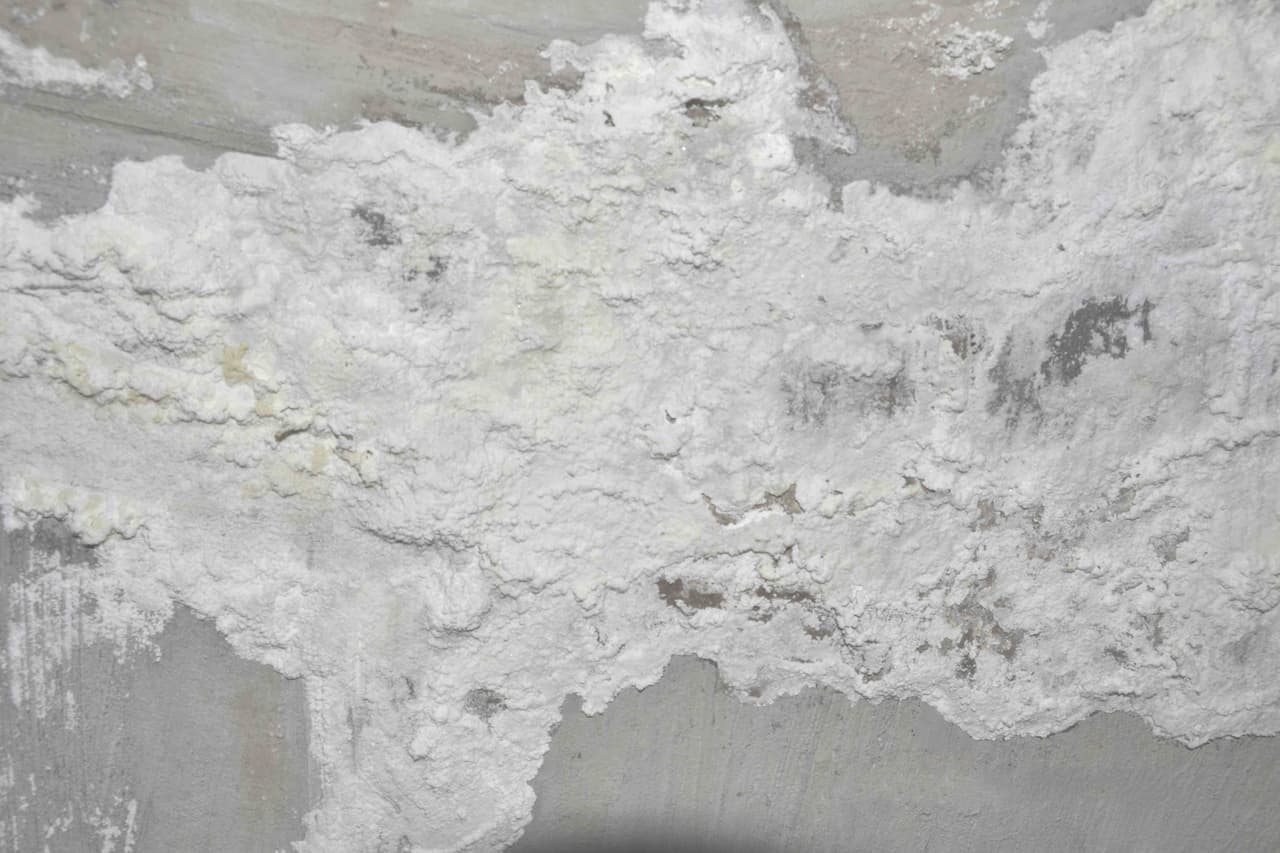
White, powdery deposits on brick, concrete, pavers, or basement foundation walls are often a sign of efflorescence. Although the residue itself is usually more of a cosmetic issue than a structural problem, recurring efflorescence can indicate that moisture is moving through the material.
Understanding where that moisture is coming from is key. Here's how to identify efflorescence, what causes it, how to remove it safely, and what you can do to reduce the chances of it returning.
What is efflorescence?
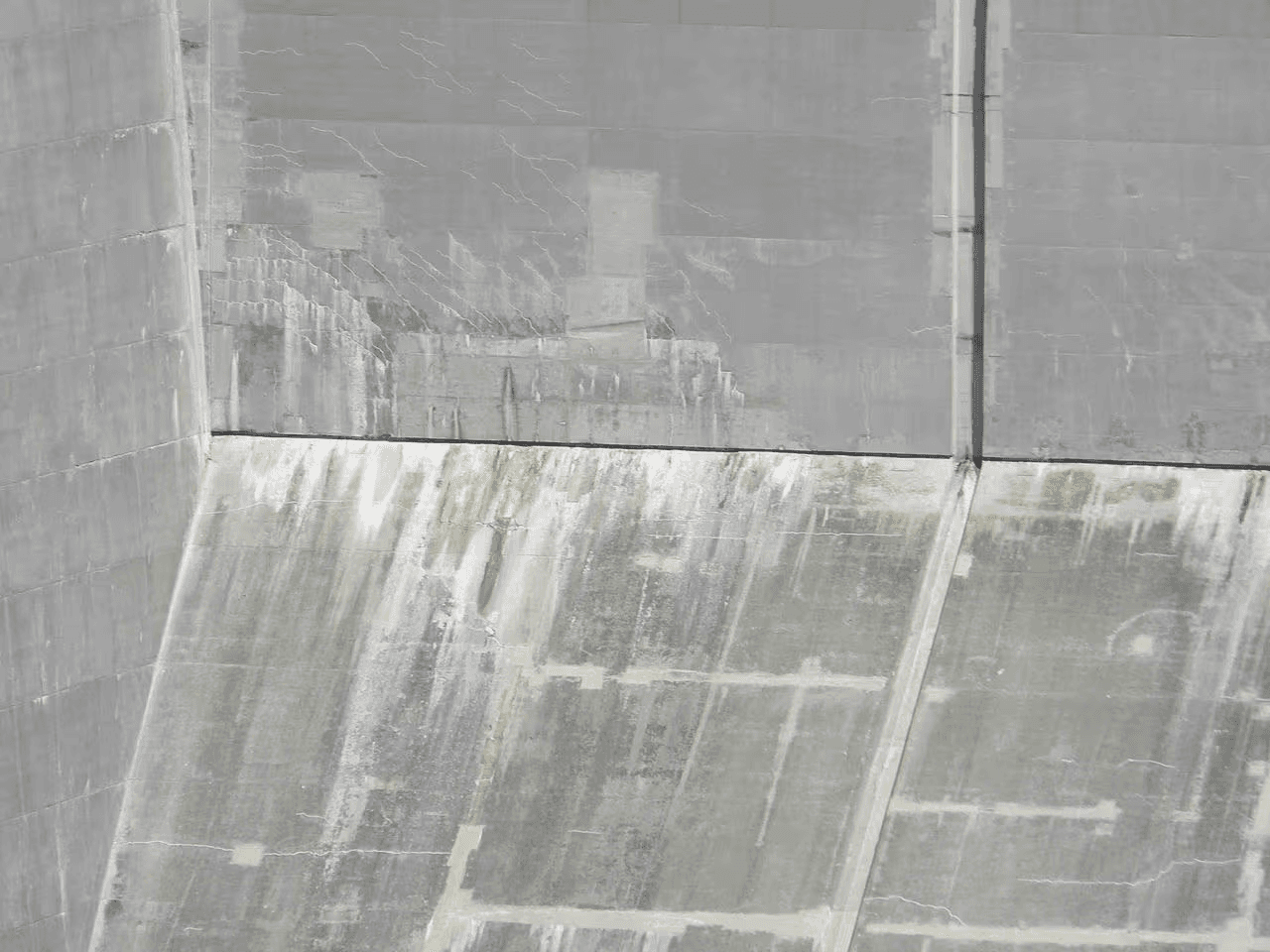
Source: Reno Quotes
Efflorescence is a deposit of water-soluble salts that forms on or within porous materials such as brick, concrete, concrete block, stone, and mortar. It develops when moisture dissolves salts in or around the material, carries them toward the surface, and then evaporates. The water disappears, leaving salt crystals behind.
These deposits are most commonly white and powdery or crystalline. However, depending on the salts and materials involved, efflorescence can sometimes appear in other colours.
Efflorescence should not automatically be treated as mould. Mould is biological growth, whereas efflorescence consists of mineral salts left behind by moving moisture.
Is efflorescence dangerous?
Surface efflorescence is generally considered an appearance or moisture-management issue rather than a health hazard. However, persistent efflorescence should not be ignored, especially if it appears with dampness, cracking, deteriorated mortar, peeling coatings, or other signs of water infiltration.
Salt crystallization can also occur beneath a surface rather than directly on it. Some salts can contribute to deterioration of masonry under certain conditions, making it important to investigate persistent moisture problems instead of repeatedly cleaning the wall.
How to Identify Efflorescence
Efflorescence usually appears on porous mineral surfaces where water can move through the material. Common locations include:
Brick walls and cladding
Mortar joints
Concrete foundation walls
Basement walls
Concrete blocks
Concrete slabs
Pavers and retaining walls
Some natural stone surfaces
The deposit often looks like a white powder, haze, crust, or collection of small crystals. Its location can also provide clues about the water source.
For example, recurring deposits on a basement foundation wall may suggest moisture entering through or travelling within the foundation. Exterior deposits near damaged mortar joints, cracks, roof drainage problems, or areas repeatedly exposed to sprinklers may point to a different moisture pathway.
What causes efflorescence?
Three conditions generally have to come together: soluble salts must be present, water must reach those salts, and the resulting solution must be able to travel through the porous material. When the water evaporates at or near the surface, the salts remain.
Moisture Entering Masonry or Concrete
Water is the main factor that allows efflorescence to develop. Potential moisture sources include:
Rain and melting snow
Poorly directed gutters and downspouts
Groundwater and moisture wicking upward
Irrigation and sprinklers
Condensation
Cracks in masonry or concrete
Defective or deteriorated mortar joints
Drainage or waterproofing problems
A moisture source that remains active can cause efflorescence to return even after the visible salts are cleaned away.
Soluble Salts in Building Materials
Salts may originate in brick, mortar, concrete, soil, groundwater, or other materials in contact with the masonry. Many different salts can contribute to efflorescence rather than a single compound such as calcium hydroxide.
Portland cement, mortar ingredients, masonry units, admixtures, and surrounding soil can all play a role depending on the construction and exposure conditions.
Construction and Drainage Problems
Certain design or installation problems can increase the amount of moisture reaching masonry, including poorly installed flashings, inadequate drainage, missing capillary breaks, cracks, and detailing that allows rainwater to penetrate the wall.
These issues matter because simply removing the visible deposit does not stop efflorescence if water can continue travelling through the material.
How to Remove Efflorescence
The right removal method depends on the surface, severity of the deposits, and whether the moisture problem has been corrected.
1. Start With Dry Brushing
Light, powdery efflorescence can often be removed with a stiff, non-metallic brush once the surface is dry. Dry brushing avoids immediately introducing more water into an already moisture-related problem.
Some concrete masonry guidance recommends dry brushing followed, when necessary, by rinsing.
Avoid aggressive wire brushing on surfaces that could be scratched, discoloured, or otherwise damaged.
2. Rinse the Surface When Appropriate
Some deposits can be dissolved and rinsed away with clean water. Use the minimum amount of water needed and allow the area to dry thoroughly afterward.
High-pressure washing should not be the default method. Excessive pressure can damage masonry surfaces, mortar joints, or paver joints and may introduce additional water into the assembly.
3. Use a Compatible Efflorescence Cleaner
Stubborn deposits may require a commercial efflorescence remover or masonry cleaner. The product must be compatible with the specific brick, concrete, paver, mortar, or stone being cleaned.
Follow the manufacturer's dilution, application, safety, and rinsing instructions, and test the cleaner on a small inconspicuous area first. Strong cleaners can alter the colour or finish of some masonry products if they are incorrectly selected or applied.
Should you use vinegar?
Diluted white vinegar is sometimes suggested for mineral deposits because it is mildly acidic, but it should not be considered a universal efflorescence cleaner. Acidic solutions can react differently with concrete, natural stone, coatings, sealers, and other masonry materials.
Check the surface manufacturer's recommendations before using vinegar or another acidic cleaner and test it in an inconspicuous location first.
Avoid Using Muriatic Acid as a DIY Cleaner
The original article recommended hydrochloric or muriatic acid for stubborn efflorescence. This is not a good general recommendation for homeowners.
Improper acid cleaning can etch or stain masonry, damage mortar joints, and create serious handling hazards. Some masonry-cleaner manufacturers specifically advise against using raw muriatic acid on masonry.
For deposits that require chemical cleaning beyond a compatible consumer product, consider having the surface assessed and cleaned by a masonry professional.
What to Do When Efflorescence Keeps Coming Back
Cleaning the salts does not correct the source of recurring efflorescence. If the deposits reappear, look for the path that water is taking through the structure.
Potential trouble spots include:
Cracked masonry or mortar joints
Damaged caulking or sealant
Poorly functioning gutters and downspouts
Roof or flashing problems
Water collecting against the foundation
Improper grading
Repeated sprinkler exposure
Foundation waterproofing or drainage problems
Persistent basement moisture
For foundation walls, recurring efflorescence does not automatically mean that the French drain has failed. Drainage, grading, cracks, waterproofing, plumbing leaks, condensation, and other moisture sources should all be considered before determining the cause.
If you see persistent dampness, water infiltration, extensive cracking, or deteriorating masonry, have the area inspected by a qualified professional.
How to Prevent Efflorescence Going Forward
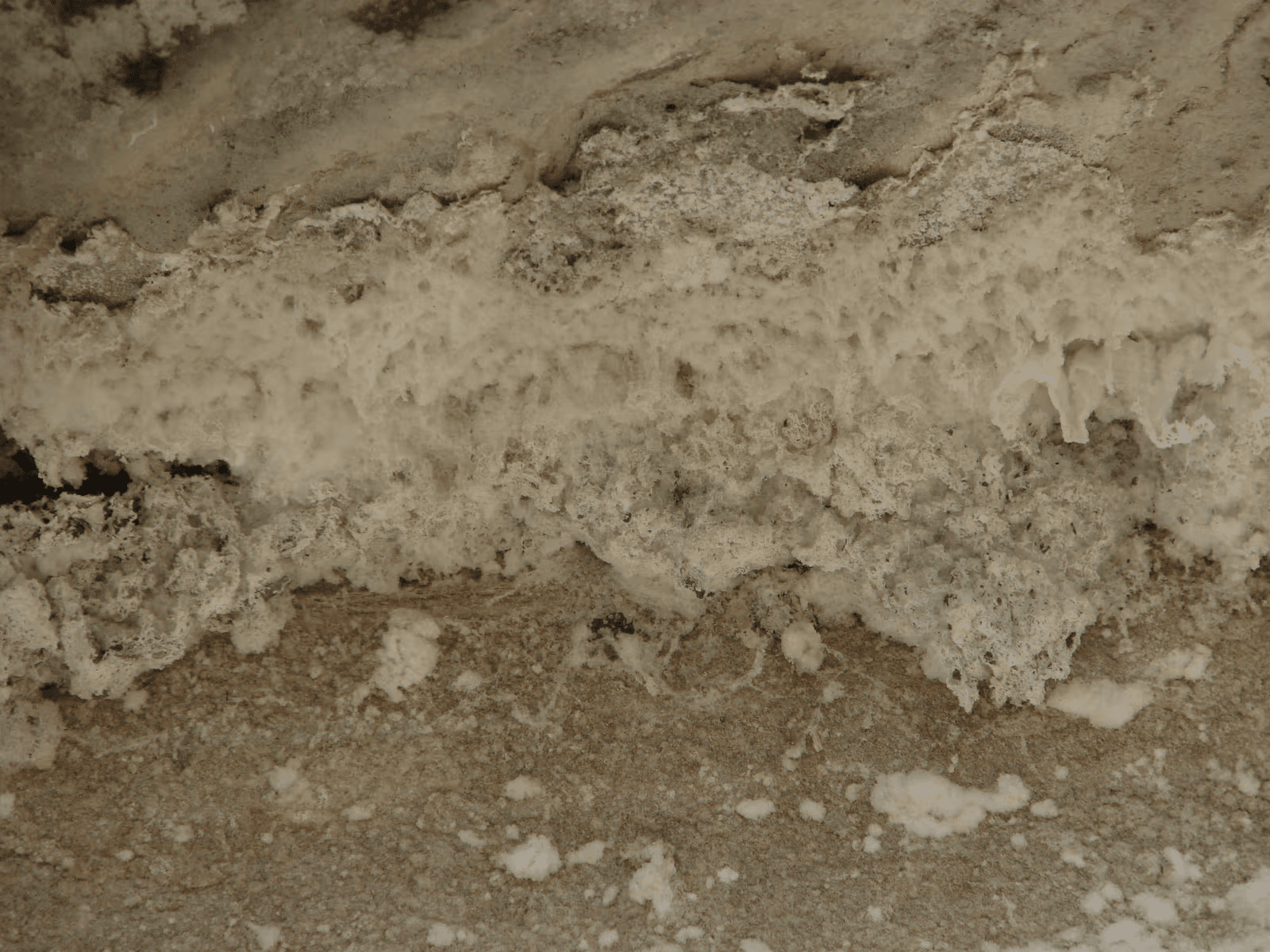
Source: Reno Quotes
Prevention focuses primarily on limiting unwanted moisture movement through masonry and reducing opportunities for salts to migrate toward the surface.
Keep Water Away From Masonry
Proper drainage and building details can make a major difference. Depending on the structure, this can include:
Keeping gutters and downspouts in good condition
Directing roof runoff away from the foundation
Maintaining appropriate grading around the building
Repairing cracks and deteriorated mortar joints
Preventing sprinklers from repeatedly soaking walls
Maintaining flashings, copings, and other water-shedding details
Correcting foundation drainage or waterproofing problems where necessary
Use Good Masonry Construction Practices
During construction, proper material storage and moisture-control details can help reduce the potential for efflorescence. Masonry units should be kept protected from unnecessary contact with soil and water, while appropriate flashings and drainage paths should prevent water from becoming trapped within wall assemblies.
Material selection can also matter because the amount and type of soluble salts vary between masonry products and construction materials.
Consider a Suitable Water-Repellent Treatment
On some masonry surfaces, a compatible clear water repellent can reduce rainwater absorption and therefore help limit moisture-related efflorescence.
A coating or sealer should not, however, be used to hide an active moisture problem. The product must be appropriate for the substrate and wall assembly, since masonry still needs to manage moisture effectively.
What Not to Do With Efflorescence
Efflorescence should not simply be concealed while moisture continues to move through the material.
Avoid:
Painting directly over active efflorescence
Applying coatings before cleaning and drying the surface
Installing finishes over unexplained damp masonry
Using aggressive pressure washing without checking surface compatibility
Assuming repeated cleaning will fix an underlying water problem
Using strong acids without appropriate product guidance and safety precautions
Efflorescence can interfere with the adhesion of paints and coatings, so the deposit and its moisture source should be addressed before finishing the surface.
Efflorescence Is Often a Clue About Moisture
Efflorescence itself is usually straightforward to clean, particularly when it consists of a light surface deposit. The more important question is why moisture is moving through the masonry in the first place.
If efflorescence appears once on relatively new masonry and disappears after drying and cleaning, it may not indicate a continuing problem. If it repeatedly returns, appears alongside dampness or damage, or covers a large area, investigate the moisture source before applying paint, sealers, insulation, or other finishes.
Frequently Asked Questions About Efflorescence
Does efflorescence mean there is a water leak?
Not necessarily. Efflorescence confirms that moisture has dissolved and transported salts through a porous material, but that moisture can come from many sources. Rain, groundwater, construction moisture, condensation, drainage problems, or a leak may all be possible causes.
Can you permanently remove efflorescence?
The visible deposit can usually be removed, but it may return if moisture continues moving through material that contains soluble salts. Correcting the moisture source is the most important step when efflorescence repeatedly reappears.
Can I paint over efflorescence?
You should remove active efflorescence and resolve moisture problems before painting. Loose mineral deposits can prevent paint and other coatings from bonding properly to the surface.
Is efflorescence the same as mould?
No. Efflorescence consists of mineral salts, while mould is biological growth. If you're unsure what is causing an unusual stain or growth on a damp basement wall, have it properly identified before cleaning or covering the area.
Does efflorescence damage brick or concrete?
Light surface efflorescence is often mainly cosmetic. Persistent moisture and salt crystallization, particularly below the surface, can be more concerning and may contribute to masonry deterioration in some conditions.
Looking for something else?
Related articles
The latest industry news, interviews, technologies, and resources.

Léa Plourde-Archer
•08 Nov 2023
Winters in Canada are long, gruelling and freezing cold. Living in this country, you quickly discover ways to adapt to sub-zero temperatures: you purchase a down-filled, well-built jacket alongside some heavy-duty boots, you dress in layers and make sure little to no skin is exposed.
Editorial Team
•08 Nov 2023
Is the exterior siding of your brick house starting to look a little worn? If the idea of bringing it back to its former beauty by restoring it has crossed your mind, you may have considered painting as an option.

Christine Simard
•08 Nov 2023
Nowadays, more and more people leave their comfort zone to tackle the adventure of remodelling or renovating their living spaces to convert them into open spaces or loft-style apartments. Also, for fans of the authentic loft lifestyle, it's always possible to buy a space in an old industrial building and transform it in order to have a beautiful and trendy loft as a final result.

Amanda Harvey
•08 Nov 2023
The windows of your home have a multitude of uses: they allow for an excellent view, give access to a cool breeze on warm or stuffy summer days as well as block out the chilly air during winter months. However, even when your windows are closed, one of the main ways that air can escape out into the world is through the small spaces between the window frame, glass and walls.

Léa Plourde-Archer
•17 Apr 2024
Being able to enjoy a cozy basement free of cold floors is probably something you have been dreaming of. If not, should you happen to have an unfinished basement, the possibility of converting this area into a livable space is probably at the forefront of your mind.