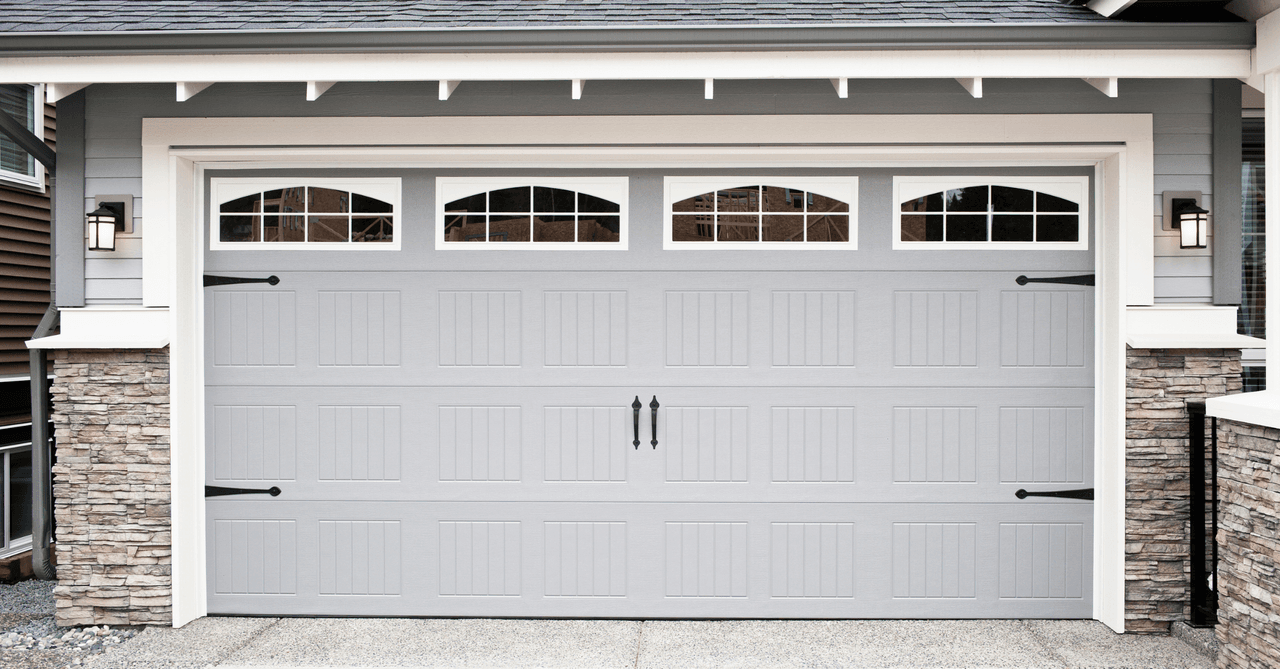
When you think of it, a garage is a room in itself. It allows one to increase the surface area of a house, park a car, and also store furniture safely. You can design your DIY space in it, or even transform it into a year-round living space. No matter its purpose, properly insulating it will ensure that your home's heating and air conditioning systems aren't compromised. Good insulation will also limit any noise pollution.
Insulating a Garage: Standards to Uphold
Source: Canva
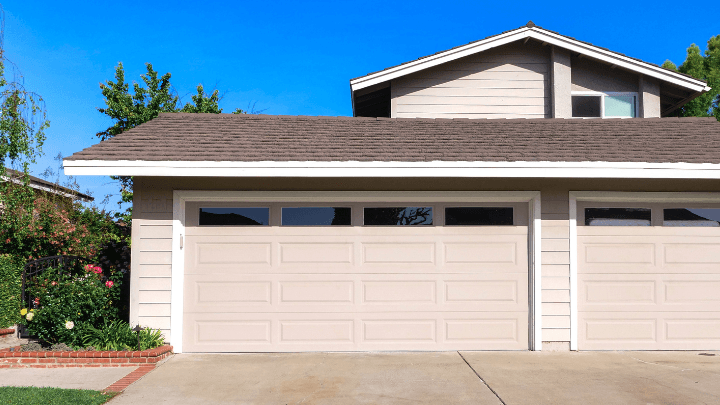
If you didn't already know this, note that there are certain standards in place when it comes to garage siding. It's essential to make note of them before carrying out, among other things, your garage's insulation.
The first specification concerns the foundation of your garage. It's very important to have concrete foundation walls that protect your garage from bad weather and the harsh Canadian climate. If not foreseen, freezing and thawing can have disastrous effects on structures.
Garage floors must also be made of concrete and supported by a minimum of 6 inches of backfill. This backfill has to be made of gravel or crushed stone. Preferably, the soil shouldn't be reworked. Choose natural soil and consider the slope of the land. If your floor is at or below ground level, standards may change. Consult a contractor or your municipal bylaws.
Secondly, consider insulating your garage just as you would your house. It's even suggested that you insulate it a tad more. Your garage is more exposed to the elements, so it's more vulnerable to climatic hazards.
If your garage is located below an existing living space in your home, you'll need to install a vapour barrier and additional insulation.
Finally, your garage must respect dimensional standards. The ceiling must be a minimum of 7 feet high in all cases.
As for the garage door, the materials used should provide as much insulation as possible to avoid damaging your insulation efforts elsewhere. For interior thermal control, choose steel doors with polyurethane insulation. This material's an ideal and very efficient solution.
The established Canadian standards state that your garage must be fully insulated and sealed. The doors must have self-closing door hinges.
A carbon monoxide detector is also mandatory if your garage is adjacent to your house. Moreover, the door must be waterproof and resist a forty-five-minute fire. If you choose to install polyurethane insulation, it has to be lined with a non-combustible material, as it's highly flammable.
Are you looking for experts to tackle your insulation project?
Fill out our form to receive quotes from certified contractors!
Types of Insulation
Source: Canva
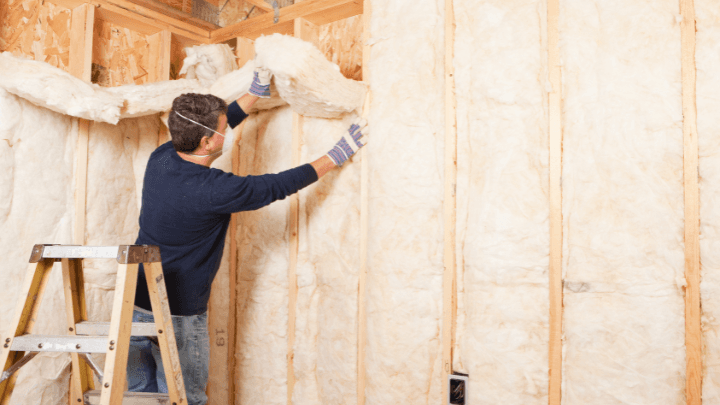
To ensure proper thermal insulation, it'll be important to invest in the right materials. The type of insulation you choose will have a direct impact on heat loss as well as heat gain. Depending on your worksite, budget, and needs, the type of insulation recommended won't always be the same. So don't rely on your friend's or neighbour's choices without first considering your project as a whole.
Insulation can be mineral wool, synthetic, natural, animal, or recycled.
These are the traditional materials used:
Rolls or rock wool batt insulation, like fibreglass;
Rigid insulation;
Expanded polystyrene foam insulation (EPS);
Loose-fill insulation, like fibreglass or cellulose;
Insulation foam, like polyurethane.
New materials have also been developed to tackle environmental issues: recycling results in materials such as insulating cellulose and hemp wool, which naturally regulate humidity. Materials such as sheep's wool, wood fibre, cork, and cotton can also be used to insulate your garage.
For these various materials, prices vary from $1 to $18 per square foot. In general, natural materials are more expensive than animal or recycled/repurposed materials.
How to Insulate a Garage
Source: Canva
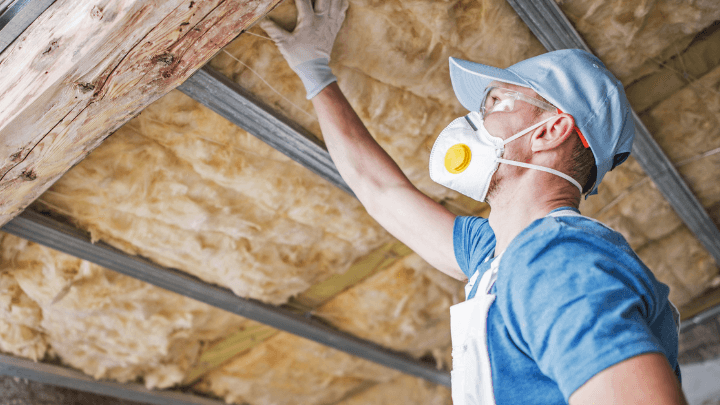
You can go about insulating your garage yourself. However, just insulating the walls won't prevent all heat loss. If you want to fully insulate your garage, you'll have to insulate the roof, floor, door, and exterior.
To insulate your garage, the first thing you need to do is to assess its overall condition. Check the state of the structure, if there’s any moisture, and if there are any air leaks.
First, install a material that'll eliminate any air infiltration, before putting in your insulation. The latter should be installed evenly, ensuring that it fills the entire space. To prevent condensation, install a sealed vapour barrier on the warm side of the insulation.
Also, consider the angle at which your garage is sloped for water drainage. A garage floor should definitely have a floor drain.
How to Weatherproof a Garage
Source: Canva
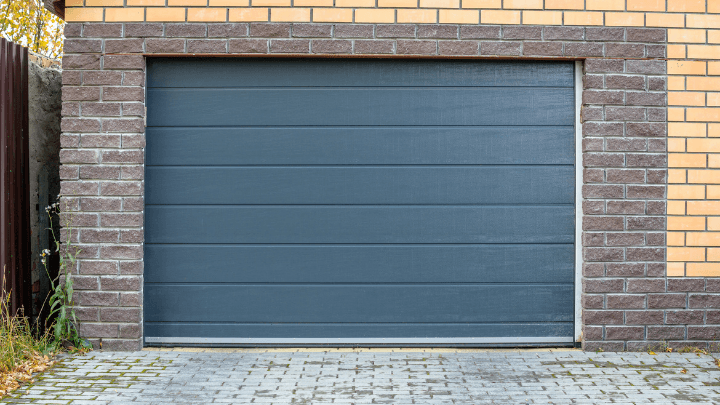
Weatherproofing a garage is one of the most important aspects according to Canadian standards. A garage, by nature, is exposed to bad weather, but could also experience carbon monoxide leaks. This can have disastrous consequences on your health as well, as that of your family. A garage door fitted with a seal and a remote-controlled garage door clicker can minimize the risk of toxic leaks in your home.
A few extra precautionary measures can improve your daily air quality as well. Remember to open the garage door before you start your car, then exit as soon as possible. This way, exhaust fumes won't get trapped in the enclosed space. Also, if you keep various products in your garage, such as paint cans or solvents containing pollutants, always make sure that the lids are kept closed.
Air consistently travels from high-pressure areas to lower-pressure areas. Therefore, it’ll move easily through your home, especially during winter, during which you may experience a higher level of discomfort. To prevent this, use sealing products.
Your home and garage ventilation systems should also be separate so as not to overload the air with pollutants.
Also, bear in mind that it's imperative to call in professionals to carry out the work. They're the only ones who can accurately guide and advise you through your project. They’re aware of and comply with the regulations established in your borough.
Evidently, a poorly insulated or leaky garage can seriously affect the air quality in your home. Each and every aspect must be well thought out so that this space is as pleasant as can be and doesn't inconvenience you daily.
Looking for something else?
Related articles
The latest industry news, interviews, technologies, and resources.
Editorial Team
•12 May 2025
Most, if not all, homes are well insulated. This insulation exists to keep the heat within the home during the winter months, significantly reducing heat loss. In order to be well insulated, a home should be relatively airtight as to block the outside air from permeating inside.
Editorial Team
•07 May 2026
Is the floor between your living room and basement cold? It may stem from a poorly insulated rim joist, also known as a band board. Said piece of structural lumber is paramount to a floor system yet rarely insulated in homes built prior to 1945 in Quebec, or insufficiently so in residences built during the 1970s and 80s.

Editorial Team
•14 Jan 2025
Chalkboard paint is definitely an evolving interior design trend; it extends creative freedom granted by no other wall treatment. It's something along the lines of being able to decorate, write, or draw on your walls unhindered. With a simple flick of the wrist—provided you’re holding a trusty wipe, chalkboard eraser, or sponge—you can start anew with a fresh canvas.

Karine Dutemple
•16 Dec 2024
When renovating a property in Montreal, there are several things to consider that do not necessarily apply to other municipalities. Examples include by-laws, licensing and the specifics associated with certain areas of the city.

Editorial Team
•14 May 2026
Whether it’s on a floor, wall, or directly on to-be-installed ceramic tiles, painting ceramic tiles is a relatively simple task. This process can be summed up in three steps: clean, sand, and paint.